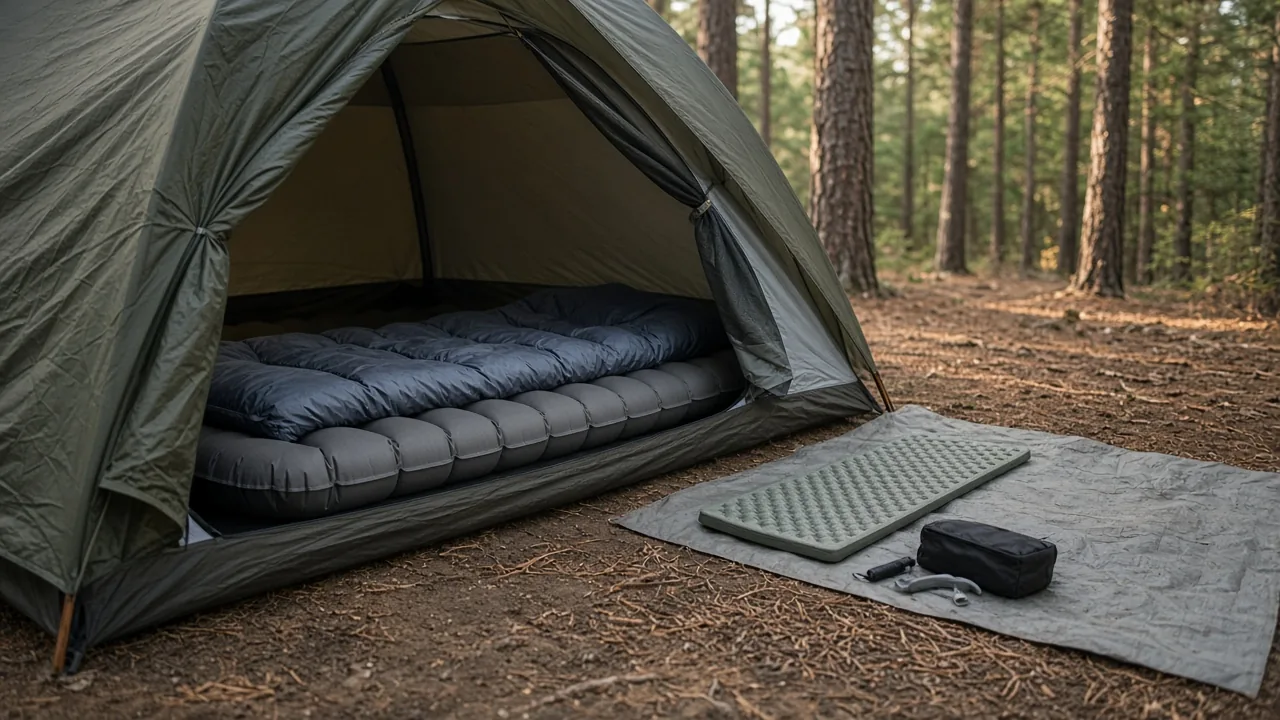
Sleeping Pads
Best Sleeping Pad for Side Sleepers: A Practical Guide
This guide compares air, self-inflating, and closed-cell foam sleeping pads to help side sleepers find the best balance of thickness, width, R-value, and durability.
Pads, mattresses, cots, and pillows.
Sleeping Pads
This guide compares air, self-inflating, and closed-cell foam sleeping pads to help side sleepers find the best balance of thickness, width, R-value, and durability.
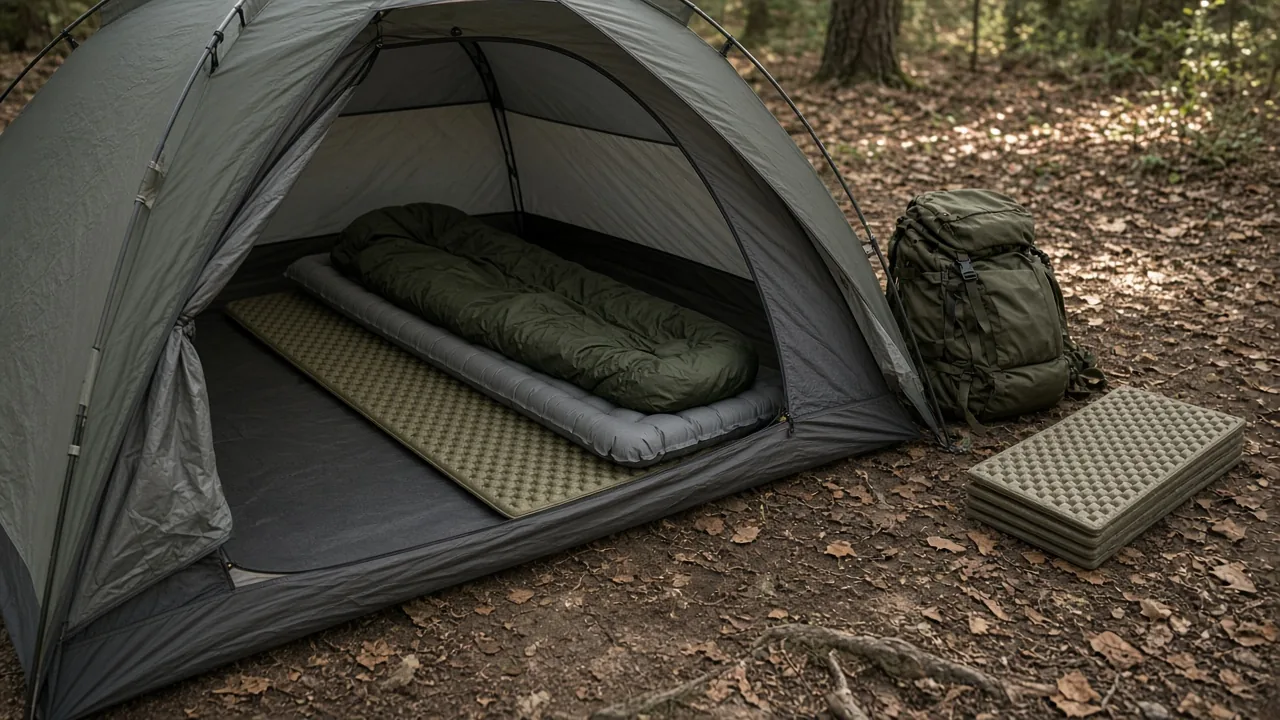
Sleeping Pads
Stacking closed-cell foam pads is one of the cheapest ways to add warmth to a sleep system. Learn where to place foam pads, how much R-value you gain, and which pads fit backpacking or car camping.
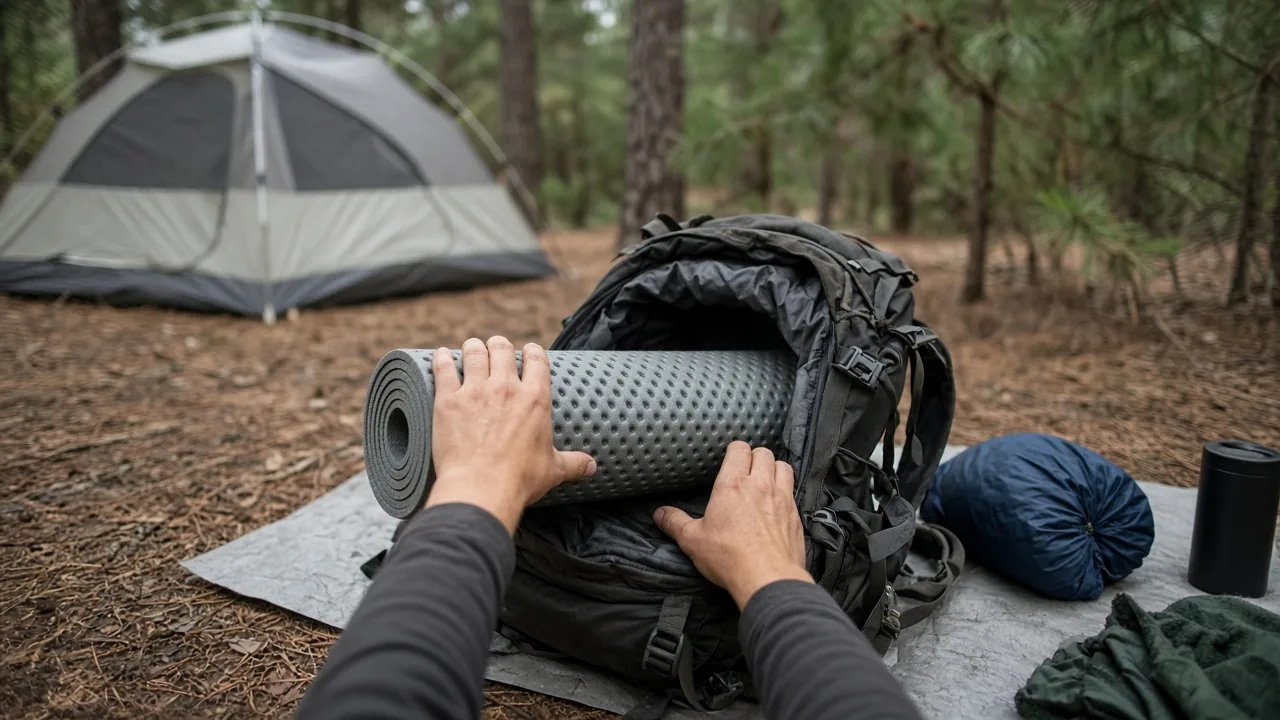
Foam Pads
Learn how to pack foam sleeping pad inside backpack, shape it as a cylinder, and avoid external straps while keeping gear balanced and pad protected.
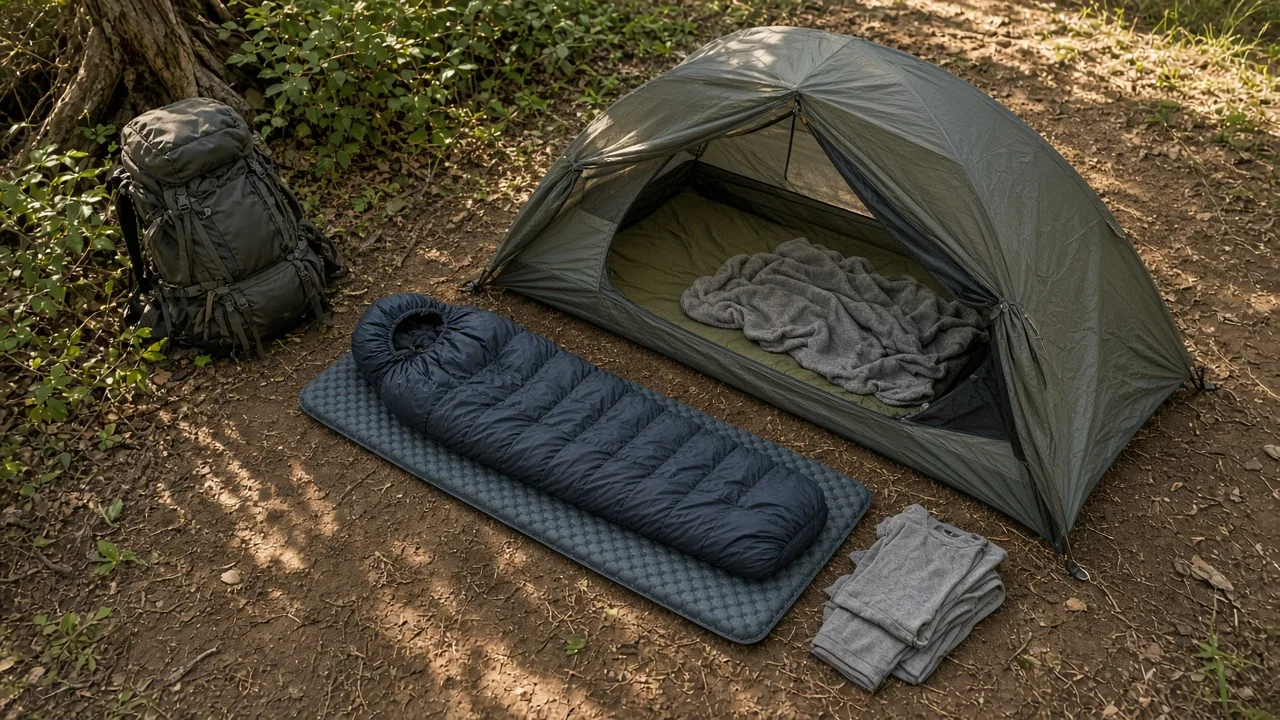
Backpacking Sleeping Bags
EN 13537 introduced a standardized lab test for sleeping bag warmth, usually seen today as ISO 23537. Learn why the comfort rating matters more than limit or extreme and how to adjust for real campsite conditions.
Liners
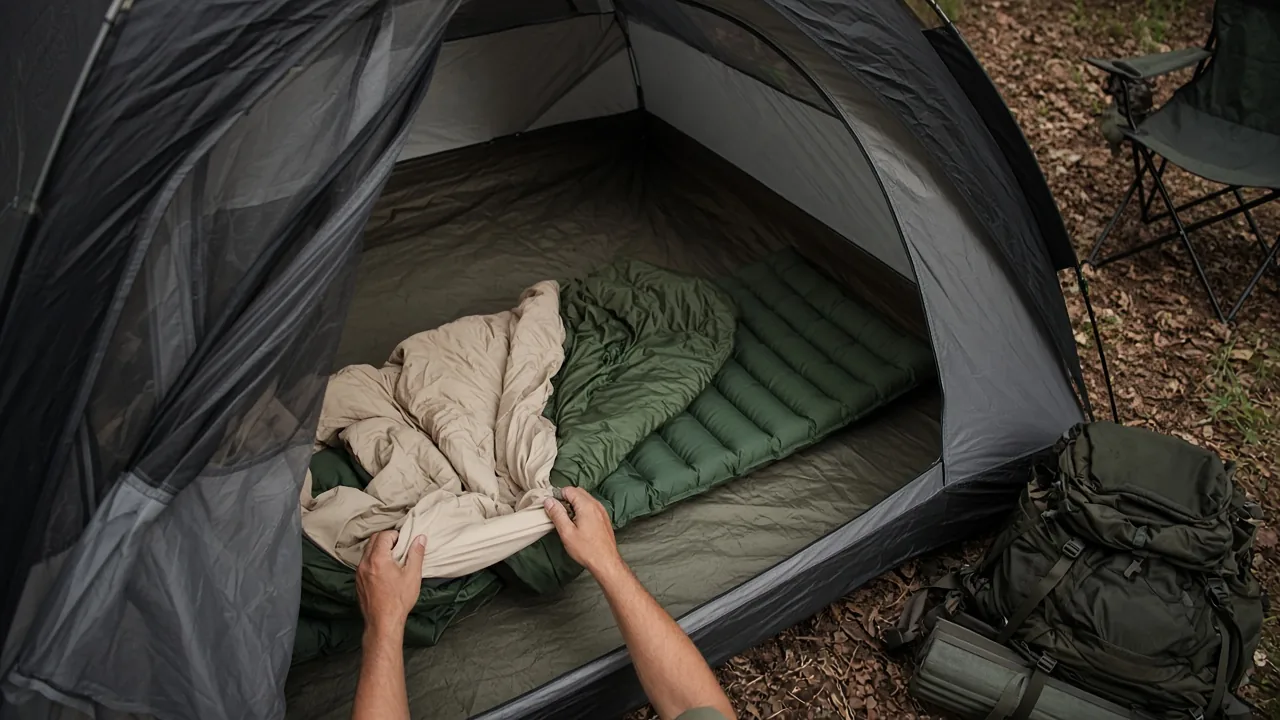
A practical look at whether sleeping bag liners add warmth, how to read liner temperature claims, and when to use one for cleanliness or comfort.
Inflatable Pads
Learn the correct valve order, dry-air charging, and leak checks for using a pump sack. Compare pump sack and electric pump methods for backpacking or car camping.
Foam Pads
Learn the basics of layering a foam pad under an inflatable sleeping pad, plus important pre-trip checks and equipment guidance for safer camping.
Backpacking Sleeping Bags
Learn how to read sleeping bag temperature ratings by comparing ISO comfort and limit numbers, then match your bag to your pad, cold sensitivity, and real trip conditions.
Sleeping Pads
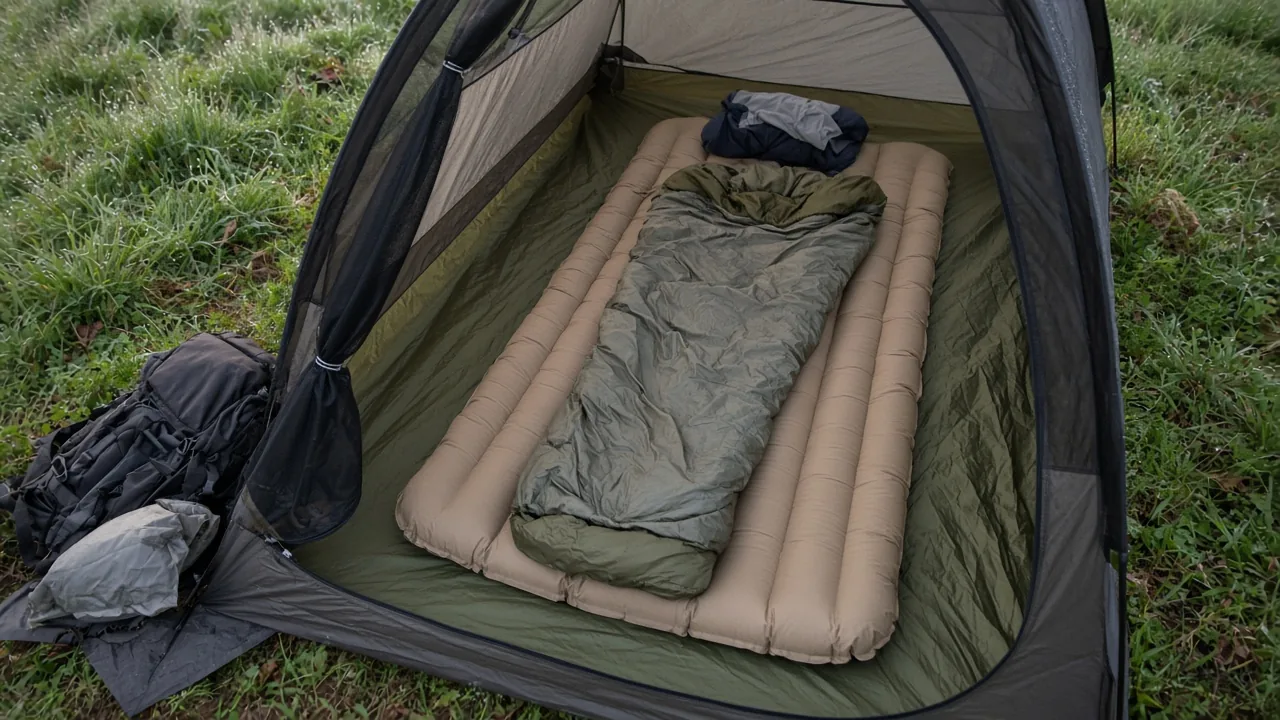
The Exped Ultra 5R sleeping pad offers an R-value of 4.8 and 3 inches of cushion for cold-ground comfort, but its bottom-mounted valves, bulkier packed size, and mid-pack weight require tradeoffs. This review helps you decide if it fits your backpacking or car camping setup.
Liners
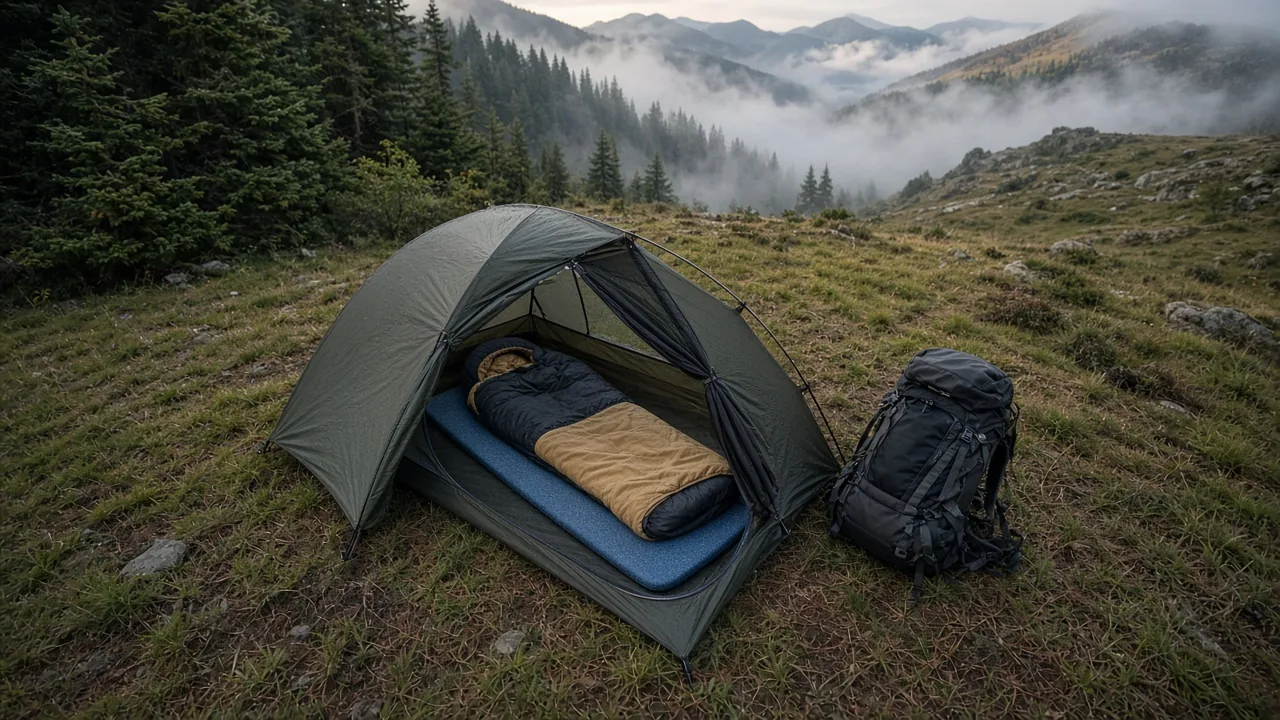
This Sea to Summit Reactor Extreme liner review tests the +25°F claim in real conditions. The liner adds about 5–7°F of comfort, not the stated 25°F, and works best as a washable layer for your sleeping bag.
Sleeping Pads
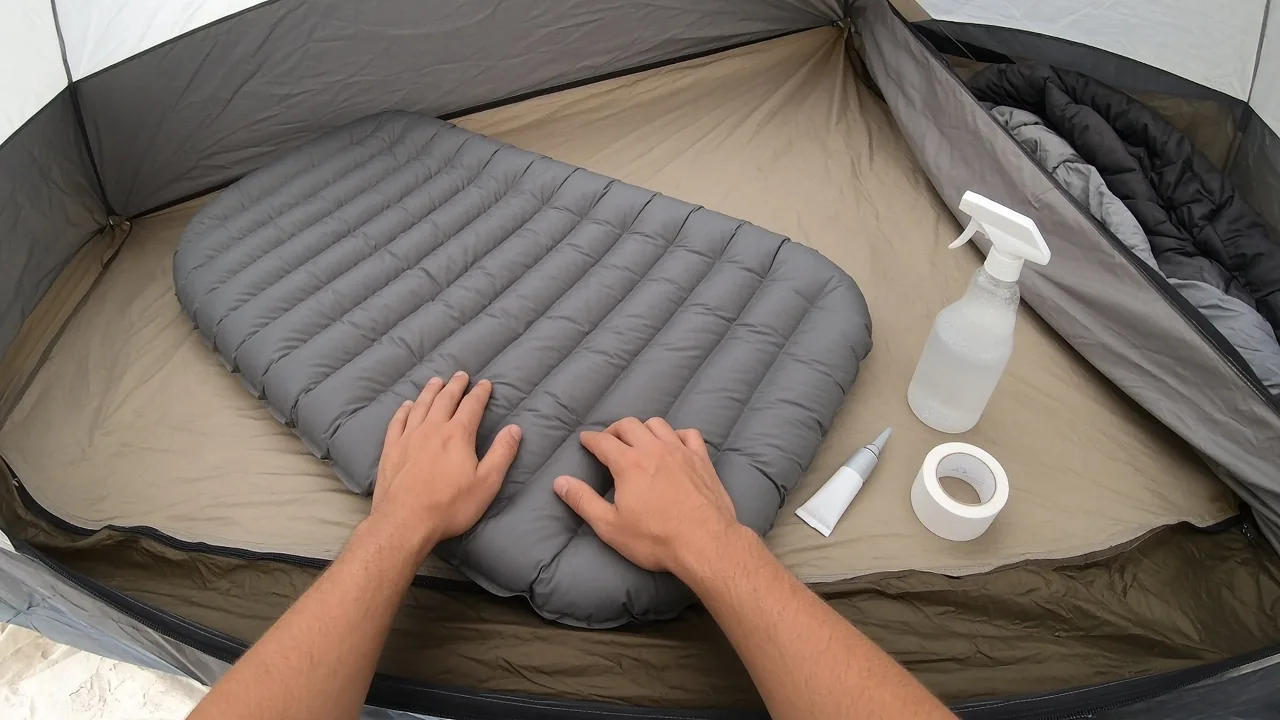
A slow sleeping pad leak can be fixed by locating the pinhole with soapy water and sealing it with Seam Grip and Tenacious Tape. Learn the step-by-step repair and testing routine to avoid waking on the ground.
Foam Pads
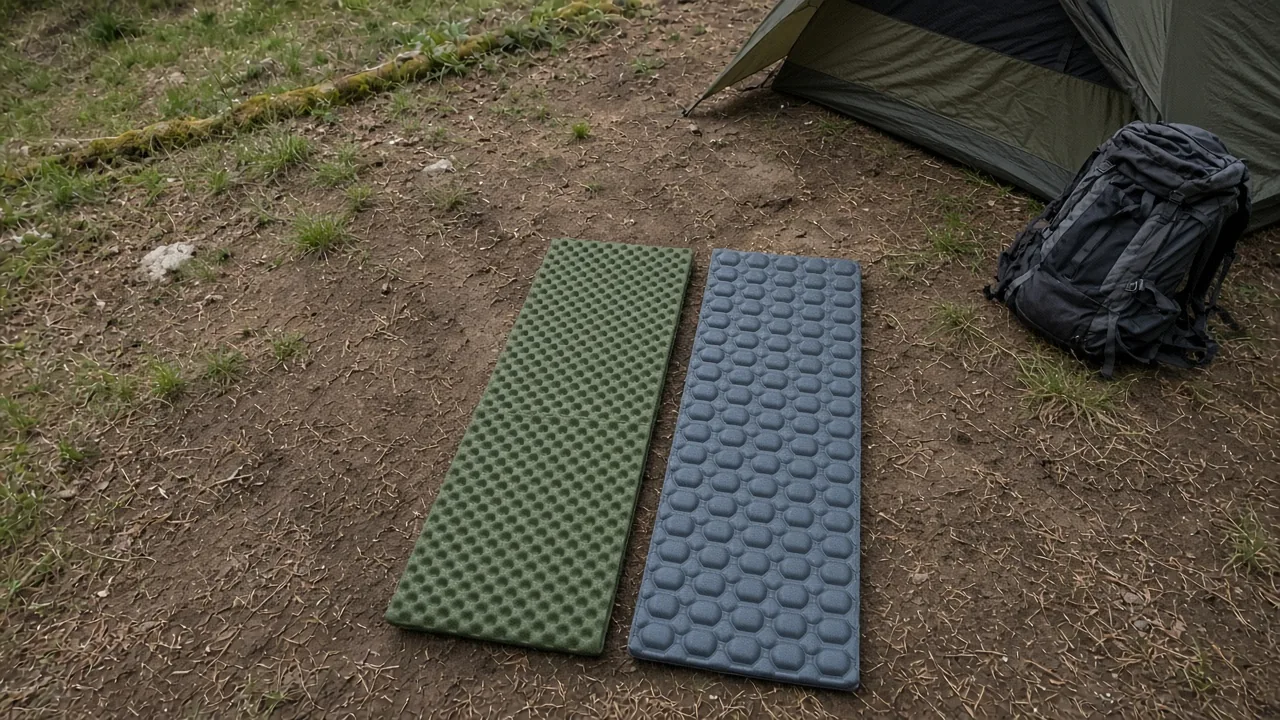
We compare the Therm-a-Rest Z Lite and Nemo Switchback on weight, R-value, comfort, noise, reflectivity, and packed size to help you choose the right closed-cell foam pad.