Therm-a-Rest Z Lite vs Nemo Switchback: Which Foam Pad Wins?
We compare the Therm-a-Rest Z Lite and Nemo Switchback on weight, R-value, comfort, noise, reflectivity, and packed size to help you choose the right closed-cell foam pad.
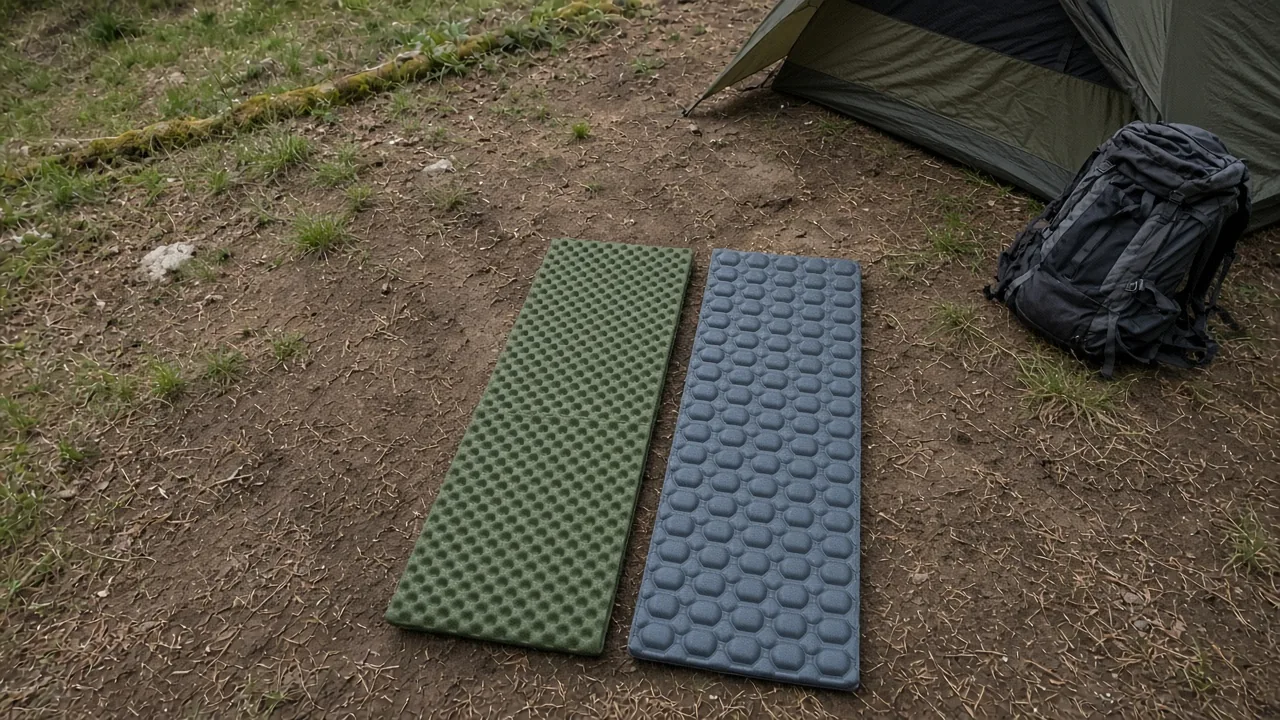
The Therm-a-Rest Z Lite is the safer default for most backpackers. Owners consistently report it runs slightly lighter, feels softer under the hips, and stays quieter when you shift around at night. The Nemo Switchback earns its place when you want a firmer, more compact-feeling pad and are willing to trim it to body length. Both are closed-cell foam pads that fold accordion-style, both hover around a 2.0 R-value, and both make sense as a standalone warm-weather pad or as a puncture-resistant layer under an inflatable pad. The differences come down to surface feel, noise, reflective-side placement, and how the folded pad sits in your pack.
Therm-a-Rest Z Lite vs Nemo Switchback: What Actually Differs?
On a spec sheet, these two pads look nearly identical. In hand and on the ground, small details separate them. Manufacturer specs and owner reports point to meaningful differences in weight, bump pattern, and how the reflective side is oriented.
| Feature | Therm-a-Rest Z Lite SOL | Nemo Switchback |
|---|---|---|
| Weight | About 14 oz for regular | About 14 oz, though one owner measured roughly 30 g heavier than Z Lite |
| R-value | Around 2.0 under 2019 ASTM standard | Around 2.0 under 2019 ASTM standard |
| Folded style | Accordion, with slight uneven bulge | Accordion, with slight uneven bulge |
| Surface pattern | Denser bumps, softer feel | Fewer, harder bumps, firmer feel |
| Noise | Quieter, according to owner reports | Louder, with a crinklier surface |
| Reflective side | Designed to face your body | Metallic side often faces the ground |
| Best for | Backpackers who want lighter, quieter, softer | Backpackers who want firmer support and plan to trim |
Are the Z Lite and Switchback the same weight and R-value?
Close, but not exactly. Both pads sit near 14 ounces and both carry an R-value around 2.0 based on the 2019 ASTM testing standard. That makes them warm enough for frost-free nights and marginal for anything near freezing without a second layer.
One owner who handled both reported the Switchback came in about 30 grams heavier. That is a tiny difference on paper, but combined with the firmer bump pattern, it gives the Z Lite a slight edge for gram-counting backpackers.
Which pad feels softer and quieter on the ground?
Owner reports favor the Z Lite here. The Z Lite uses a denser bump pattern that compresses more evenly under hips and shoulders. The result is a softer feel and less noise when you roll over.
The Switchback uses fewer, harder bumps. Those firmer points offer more support for some sleepers, but they also make more noise against tent floors and ground sheets. If you wake easily from crinkling sounds, the Z Lite is the gentler choice.
Does the reflective side change how warm you sleep?
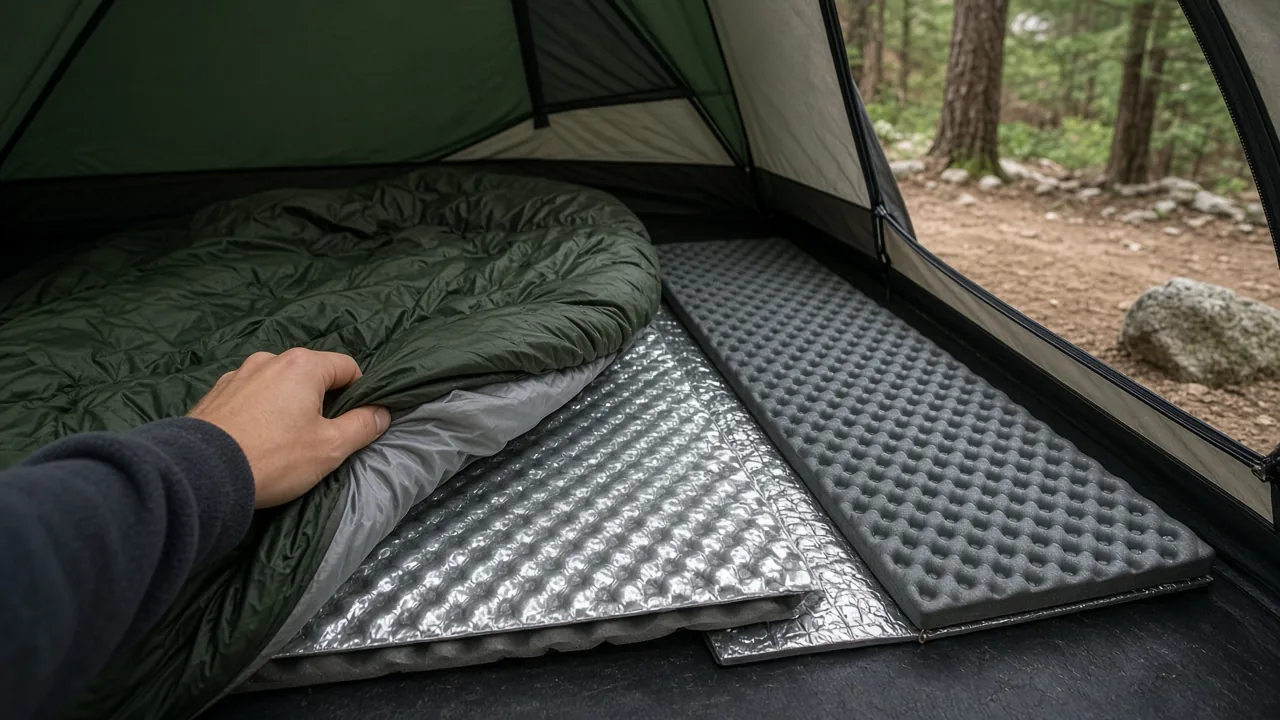
Yes, and not just because of the material. The Z Lite SOL places its reflective layer on the side meant to face your body. That orientation helps bounce body heat back toward you.
One reviewer noted the Switchback's metallic side often faces the ground instead. That flips the benefit away from your body and can reduce the amount of heat reflected back at you. If you plan to use a foam pad as your primary insulation in cool weather, this detail matters more than the R-value difference suggests.
What about packed size after you trim the pad?
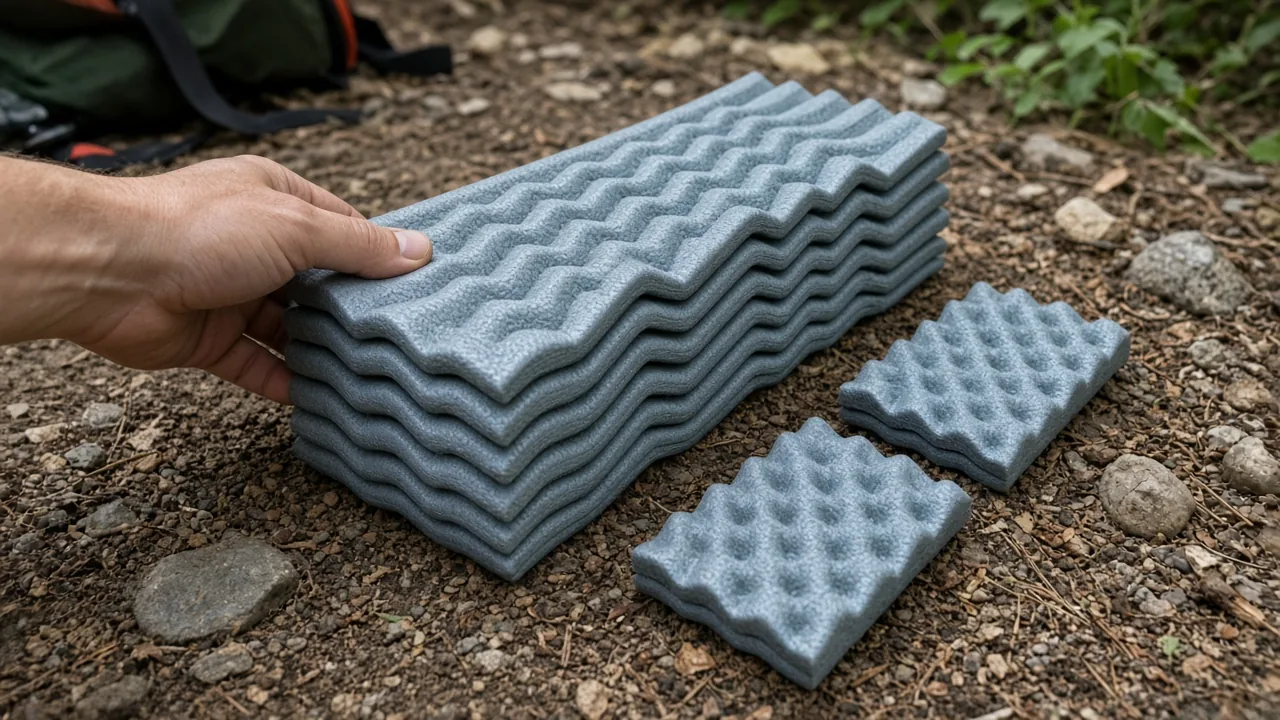
Both pads fold accordion-style and both develop a slight uneven bulge because one side has extra sections. Trimming off the two foot sections fixes that shape.
Once cut, the folded stack becomes thinner and the offcut becomes useful elsewhere. A trimmed Z Lite or Switchback packs flatter inside your pack, and the leftover foam piece can serve as a sit pad or an extra insulation layer inside a sleeping bag on cold nights.
When Should You Choose the Therm-a-Rest Z Lite?
Pick the Z Lite if you want a lighter, quieter pad with softer bumps under your hips and shoulders. It suits backpackers who prioritize sleep comfort and pack weight over a firmer surface.
Is the Z Lite better for backpacking pack space?
The full-length Z Lite folds small enough to fit inside a 75-liter pack with room for other gear. That is a practical advantage over bulkier closed-cell pads.
For shorter users, trimming the two extra foot sections reduces the folded stack height and removes the uneven bulge. You get a tighter pack shape without giving up needed cushioning under your torso.
How does the Z Lite hold up after repeated use?
Z Lite foam can soften and compress over time. One reviewer compared it unfavorably with the Therm-a-Rest RidgeRest, which stays firmer longer and feels more durable on snow and soft ground.
Many backpackers accept this tradeoff. The Z Lite starts lighter and packs smaller, and the gradual softening only becomes a real issue after heavy use. For occasional weekend trips, the lifespan is generally fine.
Is a Z Lite alone enough for cold nights?
Not for winter. A foam pad with an R-value around 2.0 is most comfortable above freezing. In colder conditions, you need a second layer beneath you.
One reviewer uses a thin EVA foam sheet under a lightweight inflatable pad for almost every cold-weather trip. That combination adds warmth and puncture protection without relying on the Z Lite alone. Some fast-and-light climbers do use the Z Lite SOL in winter, but they tend to be experienced at managing cold ground and moving quickly.
When Does the Nemo Switchback Make More Sense?
Choose the Switchback if you want a firmer, more supportive foam pad and do not mind a little extra noise and weight. It works well for back sleepers and for anyone who finds softer foam pads bottom out under their hips.
Who benefits from trimming an accordion pad?
Shorter backpackers benefit most. Cutting the Switchback to body length removes unnecessary foam, reduces the folded stack's uneven bulge, and gives you a leftover piece for a sit pad or sleeping bag insulation.
The process is simple: unfold the pad, lay it out, mark the extra foot sections, and cut them off. The resulting folded pad sits flatter in your pack and opens up with a more symmetrical shape.
Can the Switchback double as a pack frame or puncture-resistant layer?
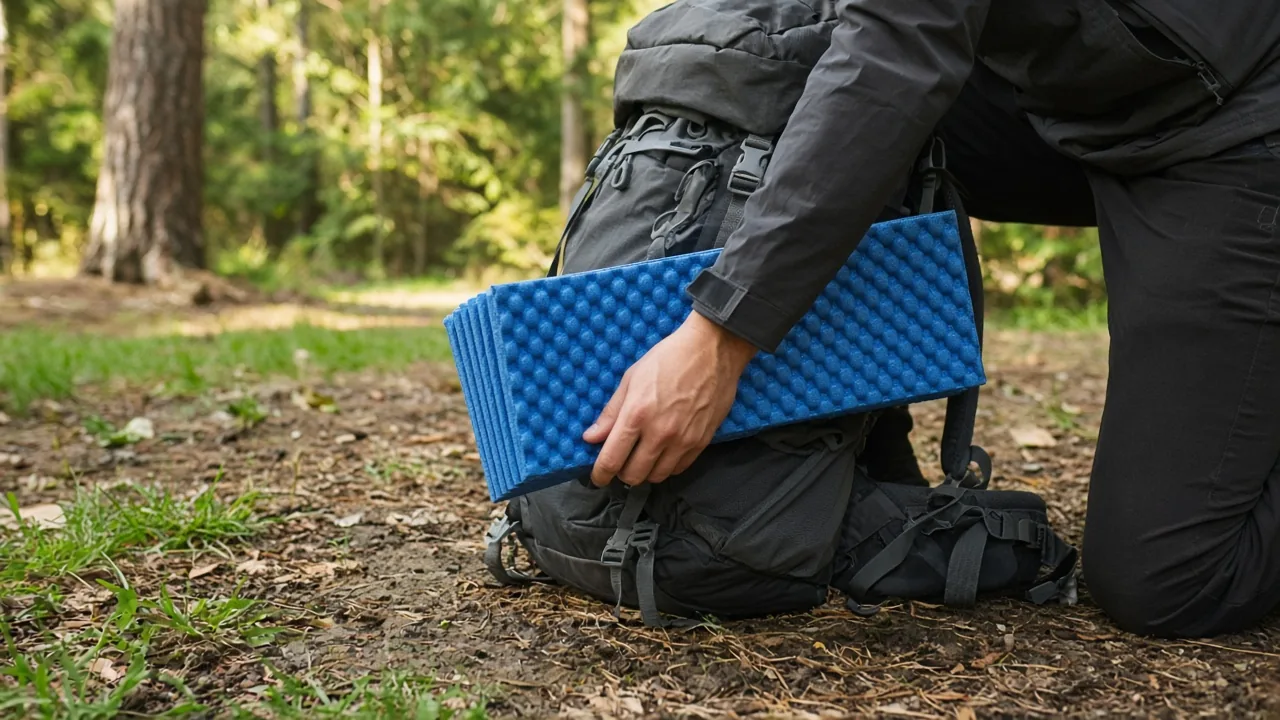
Yes to both. Some lightweight packs accept a folded foam pad as a back panel, replacing a heavier frame sheet. The Switchback's firmer foam handles that job well.
Any closed-cell foam pad also works under an inflatable pad. The foam layer adds a small amount of insulation and protects the inflatable from punctures. This dual use extends the life of expensive inflatable pads and adds warmth without much weight.
What should you never do for extra warmth in a tent?
Never use a stove or heater inside your tent. Fuel-burning appliances release carbon monoxide and create fire risk in an enclosed space. This is true for every stove, heater, grill, and charcoal device.
For extra warmth, rely on the pad system instead. A foam pad under an inflatable pad traps more body heat, and putting extra clothing or a pack under your legs also helps. Your sleep system, not a heat source, is the safe way to stay warm.
So Which Foam Pad Should You Buy for Backpacking Comfort and Packability?
If you value a lighter, quieter pad that feels softer under your hips, go with the Therm-a-Rest Z Lite. It is the safer default for most backpackers and works well both alone in warm weather and as a protective layer under an inflatable pad.
If you prefer firmer support and do not mind trimming or a little extra noise, the Nemo Switchback is a close second. Its harder bumps give more pushback for back sleepers, and the foam holds shape well when cut to size.
What if the two pads feel too similar to decide?
That is a fair place to land. When specs and owner impressions are this close, the decision often comes down to availability, a brand discount, or the chance to handle both pads before buying.
If a local retailer stocks both, unfold them side by side and press your knuckles into the surface. That quick check tells you more about firmness and noise than any spec sheet.
How do you store and maintain a closed-cell foam pad?
Dry the pad before long-term storage. Trapped moisture can break down foam and encourage mildew between the folds.
Fold along the original creases to avoid cracking the foam. The accordion pattern is designed to bend in specific places, and forcing new creases can shorten the pad's life. Expect the reflective coating to wear from shiny to matte with abrasion. That dulling reduces reflectivity, but the pad still insulates.
Match your pad choice to your trip type, expected nighttime low, and rain chance. Car campers can carry more bulk and prioritize comfort. Backpackers should count ounces and pack volume. Cold or wet trips call for a foam-plus-inflatable pad system rather than relying on a single lightweight pad.
This article is general information about camping gear, not professional safety, medical, or wilderness training. Check fire restrictions, weather, and campsite rules before you go, and follow the manufacturer's instructions for your own equipment.
FAQ
Which is lighter, the Therm-a-Rest Z Lite or Nemo Switchback?
The Therm-a-Rest Z Lite is reported to be slightly lighter. One owner measured the Switchback about 30 grams heavier than the Z Lite, though both are around 14 ounces.
Which foam pad feels softer and quieter on the ground?
Owner reports favor the Therm-a-Rest Z Lite. Its denser bump pattern compresses more evenly and makes less noise, while the Nemo Switchback feels firmer and crinklier.
Are the Z Lite and Switchback warm enough for winter camping?
No. Both have an R-value around 2.0, which is best for frost-free nights. In cold weather, use a foam pad under an inflatable pad or add another insulation layer beneath you.
How do I make an accordion foam pad pack smaller?
You can trim the extra foot sections to body length. This reduces the folded stack height, removes the uneven bulge, and the leftover piece can be used as a sit pad or extra sleeping bag insulation.
Can I use the Nemo Switchback as a pack frame or puncture-resistant layer?
Yes. A folded closed-cell foam pad can replace a heavier frame sheet in some lightweight packs and can be placed under an inflatable pad to add insulation and puncture protection.