Sea to Summit Reactor Extreme Liner Review: Is +25°F Real?
This Sea to Summit Reactor Extreme liner review tests the +25°F claim in real conditions. The liner adds about 5–7°F of comfort, not the stated 25°F, and works best as a washable layer for your sleeping bag.
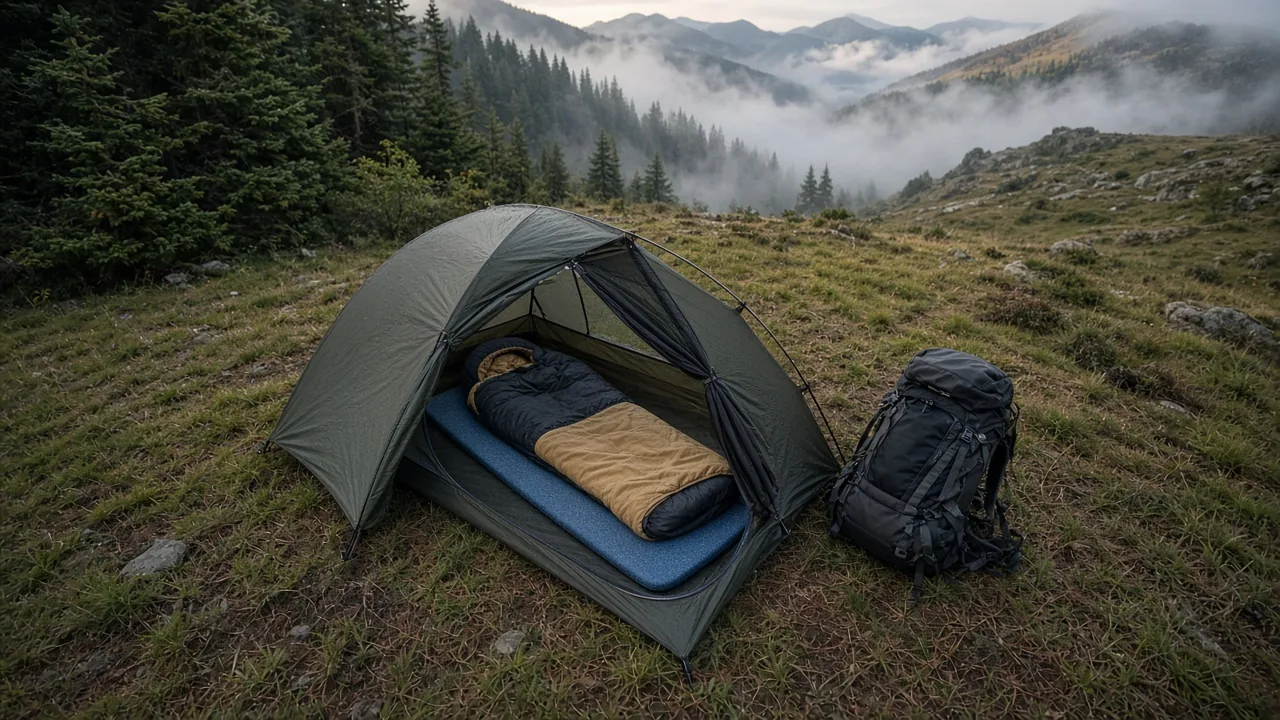
The Sea to Summit Reactor Extreme liner is not a replacement for a winter sleeping bag. In a two-night comparison using a 17°F REI Co-op sleeping bag and a high-R-value pad, the liner added roughly 5–7°F of comfort, not the claimed 25°F. Treat the 25°F figure as a limit-level or marketing number, not a comfort upgrade. This sea to summit reactor extreme liner review explains what to expect, how to test the warmth claim, and when the liner earns space in your pack.
Sea to Summit Reactor Extreme Liner Review: What the +25°F Claim Really Means
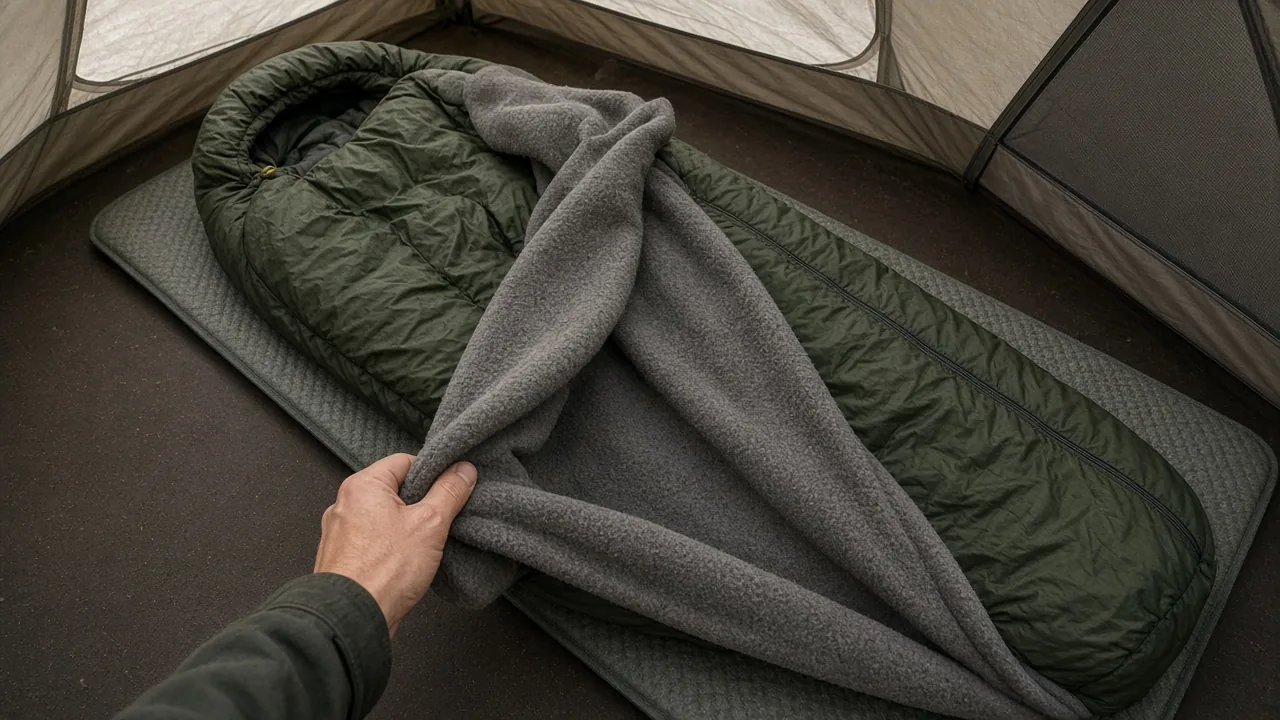
The headline spec on the Sea to Summit Reactor Extreme sounds like a cheap fix for a three-season sleeping bag. Sea to Summit rates the liner as adding 25°F, but a two-night field comparison in late September in the Wind River Range found a much smaller comfort gain. The tester used a 17°F REI Co-op sleeping bag, a Nemo Dagger pad, and similar cold, wet weather across both nights. The measured conclusion was that the liner added only about 5–7°F at the comfort level. The 25°F claim should be read as a survival-level figure at best.
That distinction matters because most campers choose gear around comfort, not the edge of shivering. If you expect a liner to turn a 17°F bag into a -8°F comfort system, you will probably be disappointed. What the liner actually provides is a small but noticeable comfort boost, a wider safety margin, and a washable layer that keeps body oils, smoke, and bug spray off an expensive down bag.
Comfort Rating vs. Limit Rating in Plain Terms
Sleeping bag temperature ratings are not one number. Comfort rating describes the temperature where a typical sleeper can stay reasonably warm through the night. Limit rating describes a colder threshold where you may survive but you’ll likely be cold, curled up, and waking often. Many manufacturers list the limit rating on the product name or tag because it sounds more capable.
When Sea to Summit says the Reactor Extreme adds 25°F, that number may sit closer to the limit end of the scale. A bag rated 17°F does not automatically become a -8°F comfort system with this liner. Instead, you get a small comfort boost — roughly 5–7°F based on the field comparison — and a slightly wider safety margin if conditions turn colder than forecast.
Why the Test Setup Matters for the 25°F Claim
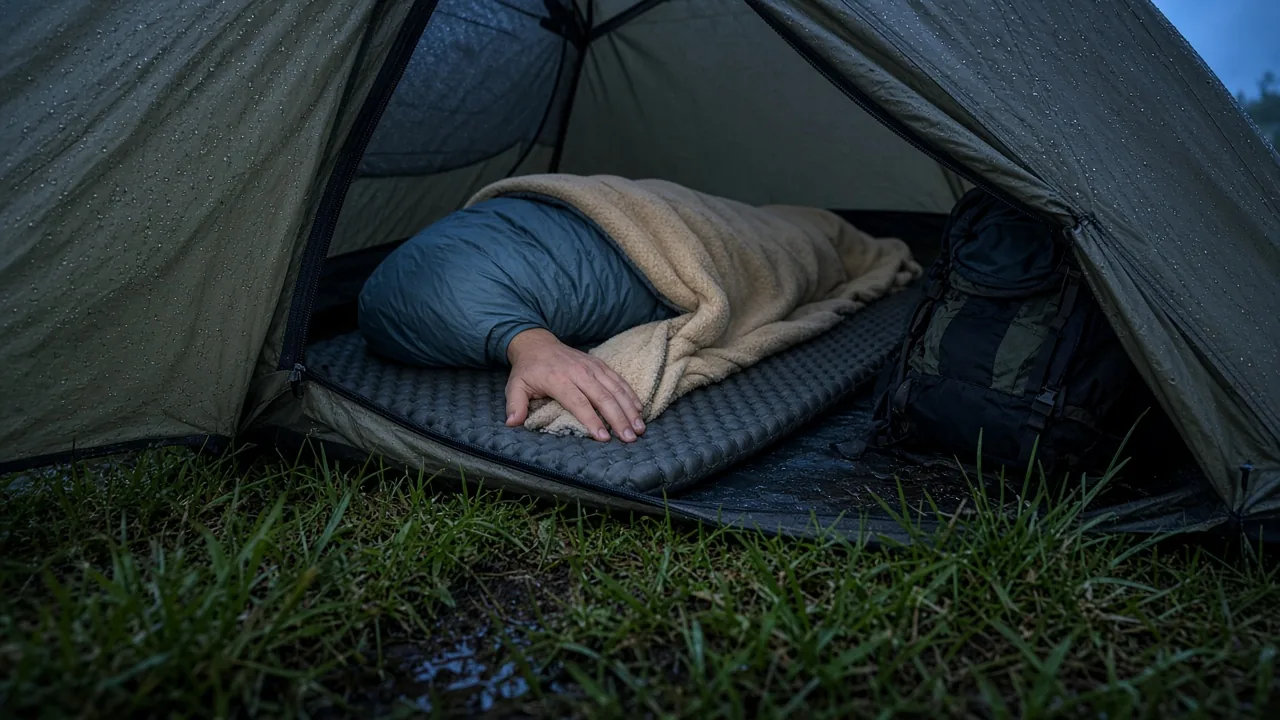
The original comparison used a 17°F REI Co-op sleeping bag and a Nemo Dagger pad with enough R-value for cold ground. The tester emphasized checking pad R-value before blaming a liner or sleeping bag. Even a warm liner cannot offset major heat loss into frozen or wet ground. If your pad is too thin, any added warmth from a liner will disappear downward.
Weather conditions also shaped the result. The first night without the liner brought heavy rain and snow, with a clear chill starting around 3:30 a.m. The second night with the liner had similarly cold conditions according to the tester’s 67-year-old companion, who said the second night felt colder. That matters because it suggests the small comfort gain was not just warmer weather or a naturally easier night.
What Changes with a 0°F or -10°F Base Bag
Several readers report that the liner may show a larger gain inside a 0°F or -10°F bag. That makes physical sense: adding insulation around the body matters more when the temperature difference between your bag interior and the outside air is larger. But even there, the reported improvement still describes a wider survival margin, not a confirmed +25°F comfort rating.
If you already own a true winter bag, the Reactor Extreme can push its usable range lower or make a storm night more comfortable. If you have a 17°F or 20°F three-season bag and hope to make it a deep-winter sleep system, this liner will not close that gap on its own.
Step-by-Step: Measure Liner Warmth Without Guessing
The best way to know whether the Reactor Extreme liner works for your sleep system is to test it in the field. A simple two-night comparison gives you more useful information than reading specs, but only if you control a few variables. Start with an existing bag, a warm pad, and condition notes for both nights. The goal is to measure added clothing, cold hands or feet, wake-ups, and if possible actual temperature readings.
Match Conditions and Note the Weak Points
Choose two nights with similar wind, rain, snow, and ground moisture. If one night is calm and drizzly while the other is windy and wet, the test tells you more about weather than about the liner. The original tester used a partner’s read on cold to help confirm the second night was not simply warmer. You and a partner can compare impressions without sharing details until morning to avoid biasing each other.
Pay attention to weak points. Cold feet, hands, shoulders, and hips often reveal whether a liner is adding usable warmth. If you add a puffy layer on the no-liner night but sleep in base layers on the liner night, that difference counts. If you remove socks with the liner and still have warmer feet, that is a useful sign.
Keep the Comparison Safe and Legal
Do not confuse a sleep-system test with a survival experiment. Never use a stove or heater inside your tent. Carbon monoxide and fire risk are too high, even in storm conditions. Check the forecast, fire restrictions, and campsite rules before you go. Use established fire rings, camp on durable surfaces, and pack out trash. If anyone in your group shows signs of hypothermia — confusion, shivering that stops, clumsiness, slurred speech — call emergency services rather than trying to warm them with gear alone.
Record Numbers When You Can
A small thermometer inside the bag or tent reduces arguments about subjective cold. Note the overnight low, the time you wake, what clothing you add or remove, and whether you feel drafts. If you cannot log temperatures, write down exact clothing, wind, ground moisture, and meal timing. Those notes are enough to make a fair comparison without turning a camping trip into a laboratory exercise.
Where the Reactor Extreme Liner Fits a Sleep System
The liner works best as a washable barrier against bug spray, smoke, and body oils, plus a modest warmth boost. If you gather around a fire, use insect repellent, or sweat after a long day, the liner keeps much of that grime off your down bag. That is a real benefit because washing a down sleeping bag is time-consuming and can reduce loft if done often. The liner goes into the washing machine instead.
Car Camping vs. Backpacking Trade-Offs
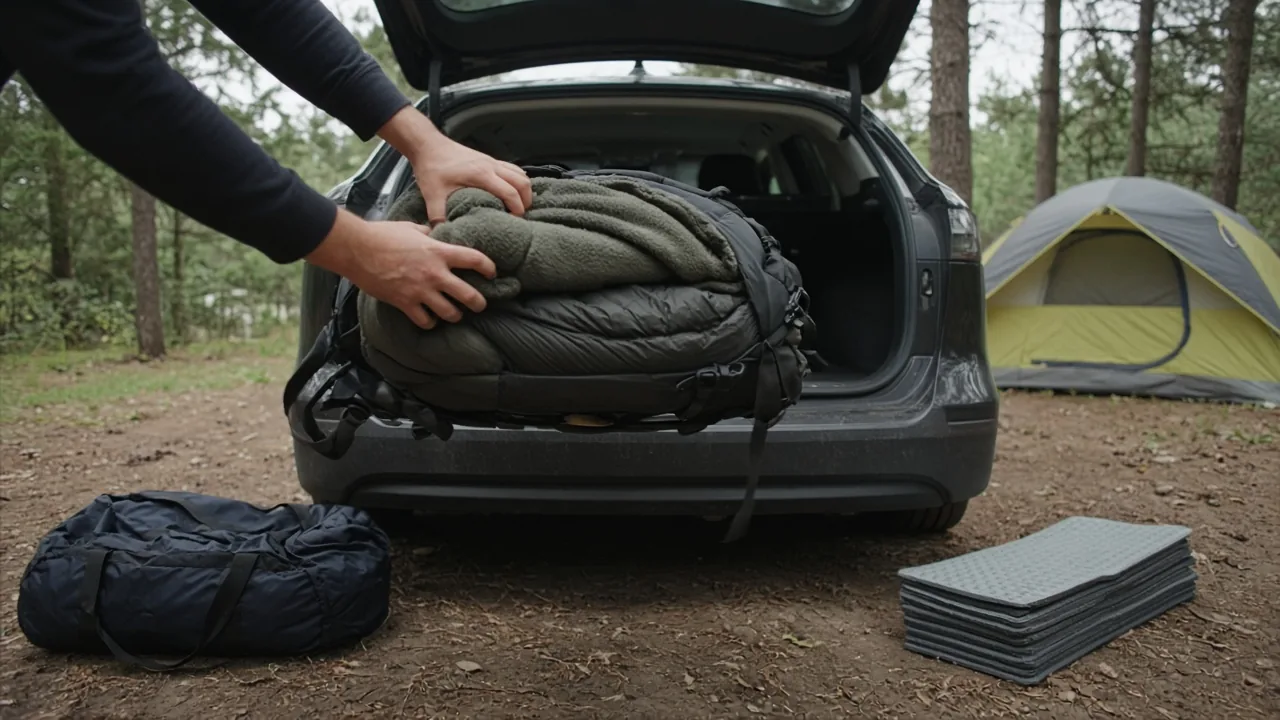
For car camping, the liner’s bulk and weight matter less. You can leave it inside the sleeping bag or pack it loose. The washable-barrier benefit alone may justify the space it takes.
For backpacking, you have to decide between a lighter pack and the liner’s extra comfort and cleanliness. In a 75L pack, the bulk is manageable. In a 40–55L pack aimed at fast-and-light travel, the liner may not make the cut. The fleece fabric is heavier and less compressible than down, so you feel the penalty more on foot.
Stretching a Three-Season Bag Slightly
Treat this liner as making a three-season system “three and a half season,” not as a replacement for a true 0°F winter sleeping bag. The added comfort is real but modest. If your trips hover around the low 20s or high teens, the liner may let you sleep better in your existing bag. If you expect nights near 0°F or below, you need a warmer bag and a high-R pad first.
When It Works Best with a Thicker Bag
Reports from a 0°F bag plus liner in a 20°F wind-chill storm suggest the liner can add margin when the base bag already handles the worst cold. One reader used the setup on a Mt. Baker trip with a four-season tent and base layers during a 60 MPH storm with temperatures around 20°F and wind chill near 0°F. The combination worked, but the 0°F bag was doing the heavy lifting. The liner added confidence and cleanliness, not 25°F of standalone warmth.
Use a Comparison Table for Weight, Warmth, and Trip Type
A quick table helps you decide whether the liner belongs in your sleep system. The generic fleece bag below is based on a thin envelope-style product, not the Sea to Summit liner, and it shows why the two are not equivalent.
| Item | Weight | Comfort temperature gain or rating | Pad R-value need | Water resistance | Car camping or backpacking fit |
|---|---|---|---|---|---|
| Sea to Summit Reactor Extreme liner | Not specified in comparison, but bulky and less compressible than down | About 5–7°F comfort gain in a 17°F bag; 25°F claim is limit-level | Still needs a pad with sufficient R-value for the season | Not a weather layer; protects bag from oils, smoke, and bug spray | Good for car camping; acceptable in larger backpacks if you want a clean layer |
| 0°F sleeping bag | Heavier than a three-season bag, varies by fill and shell | Actual comfort or limit rating near 0°F depending on bag | Needs an insulated pad rated for true winter | Shell may shed light moisture, but not a rain barrier | Better for winter car camping or cold backpacking when you can carry the weight |
| Cheap thin fleece bag | Roughly 1.1–1.3 lb based on one generic envelope model | Summer or indoor use only; not a cold-weather layer | Does not replace ground insulation | Not protective against weather | Mostly car camping, emergency, or indoor use; not a backpacking liner substitute |
Common Problems and Reader Questions About Liner Warmth
Most complaints about the Reactor Extreme come down to weight, bulk, and disappointing warmth. All three depend on your base sleep system, pad R-value, and whether you expect a cleanliness layer or a winter fix. The liner is not a magic insulation booster, but it also does not pretend to be a standalone bag.
Do Cheap Thin Fleece Sleeping Bags Do the Same Job?
No. A generic fleece bag from a separate test was thin enough to see light through, picked up dust quickly, and suited only summer or indoor emergency use. That type of product has no place as an equivalent liner because it lacks the fitted shape and layered loft of the Sea to Summit liner. It may be useful for a hot dorm room or a one-time car emergency, but it will not add the same modest warmth or fit inside a mummy bag as neatly.
Is the +25°F Rating Ever Accurate?
Some users report overheating with the +32°F version at 14°F inside a warmer setup, and others sleep well in storms when the base bag is already a 0°F model. But those cases still show gains far below a comfort-rated 25°F. The +25°F claim probably comes from a generous limit rating or standardized test that doesn’t match how most people sleep in the field. Use it as a rough ceiling, not a planning number.
Will Body Adaptation Make the Test Unfair?
Some readers point out that the first cold night often feels worst and that a third night would be fairer. That is a valid concern. Your body does adjust to cold exposure, but temperature logs and a partner’s read help reduce that bias. If the second night feels warmer but your companion says it was colder, that is stronger evidence than one person’s impression. For a personal decision, you can run the test twice in different orders.
Why Does the Liner Feel Bulky If It Only Adds 5–7°F?
The fleece fabric is heavier and less compressible than down, so the bulk is the cost of a washable comfort layer, not hidden warmth. The liner is not trying to be ultralight. Its main job is to keep your expensive sleeping bag clean while adding a small amount of insulation. If you want maximum warmth per ounce, add down fill or upgrade the sleeping bag. If you want easy cleaning and a modest comfort gain, the bulk is a reasonable trade-off for some trips.
Sea to Summit Reactor Extreme Liner Review: Care, Packing, and Trip Checklist
Treat the liner like a washable part of your sleep system, not a fragile piece of gear. After trips, wash it to remove smoke, oils, and bug spray. Store it inside your sleeping bag so it doesn’t need another stuff sack. Decide each trip by expected overnight low, rain, and whether you are backpacking or car camping.
Washing and Drying
Machine wash the liner according to the care label. Do this instead of frequently washing an expensive sleeping bag. Follow the manufacturer’s temperature and detergent guidance, and dry fully before storage. A damp fleece liner packed away can smell musty and lose comfort next trip. Because the liner handles the grime, your down bag needs fewer washes, which helps it keep loft over time.
Packing a Bulky Liner
Leave the liner inside the sleeping bag when packing so it fills empty space rather than adding a separate cylinder to your pack. In a roomy car-camping duffel or a 75L backpack, this is easy. In a smaller backpack aimed at fast-and-light trips, that may still be too bulky. If you cannot compress the combination enough, leave the liner at home and plan to clean your bag another way.
Pre-Trip Checklist
Check the forecast, expected low, pad R-value, and campsite rules before you go. Follow bear-safe food storage where required. Look at your route and whether rain, wind, or snow is likely. Bring the liner only if the warmth and easy cleaning outweigh the bulk. If the forecast calls for 5°F and your bag is rated 20°F, a liner is not enough. Upgrade the sleeping bag or add a high-R pad first.
Decide by your trip: car camping or backpacking, expected overnight low, and rain. The Sea to Summit Reactor Extreme liner earns a spot mainly as a clean comfort layer, while a warmer bag or higher-R pad matters more for real cold. If you are deciding between liner and new pad, start with the pad when ground loss is the problem.
Camp Kit Journal
This article is general information about camping gear, not professional safety, medical, or wilderness training. Check fire restrictions, weather, and campsite rules before you go, and follow the manufacturer's instructions for your own equipment.
FAQ
Does the Sea to Summit Reactor Extreme liner really add 25°F?
No. Field testing in a 17°F sleeping bag showed about 5–7°F of comfort gain. Treat the 25°F figure as a limit-level or marketing number, not a comfort rating.
What is the best use for the Sea to Summit Reactor Extreme liner?
It works best as a washable barrier against body oils, smoke, and bug spray, plus a modest warmth boost. It is not a substitute for a true winter sleeping bag.
Can I use this liner to turn a three-season bag into a winter system?
No. It may stretch a three-season bag slightly, but if nights are near 0°F or below you need a warmer sleeping bag and a high-R pad first.
How do I test the liner’s warmth for my own sleep system?
Compare two nights with similar weather, note added clothing and cold weak points, and keep your pad R-value consistent. A partner's read and a thermometer can reduce personal bias.
Should I choose a liner or upgrade my sleeping pad first?
If you are losing heat into cold ground, start with a sleeping pad with sufficient R-value. The liner cannot offset major ground heat loss.



