
Camping Sleeping Bags
Why Is My 20 Degree Sleeping Bag Cold? Ratings vs Loft
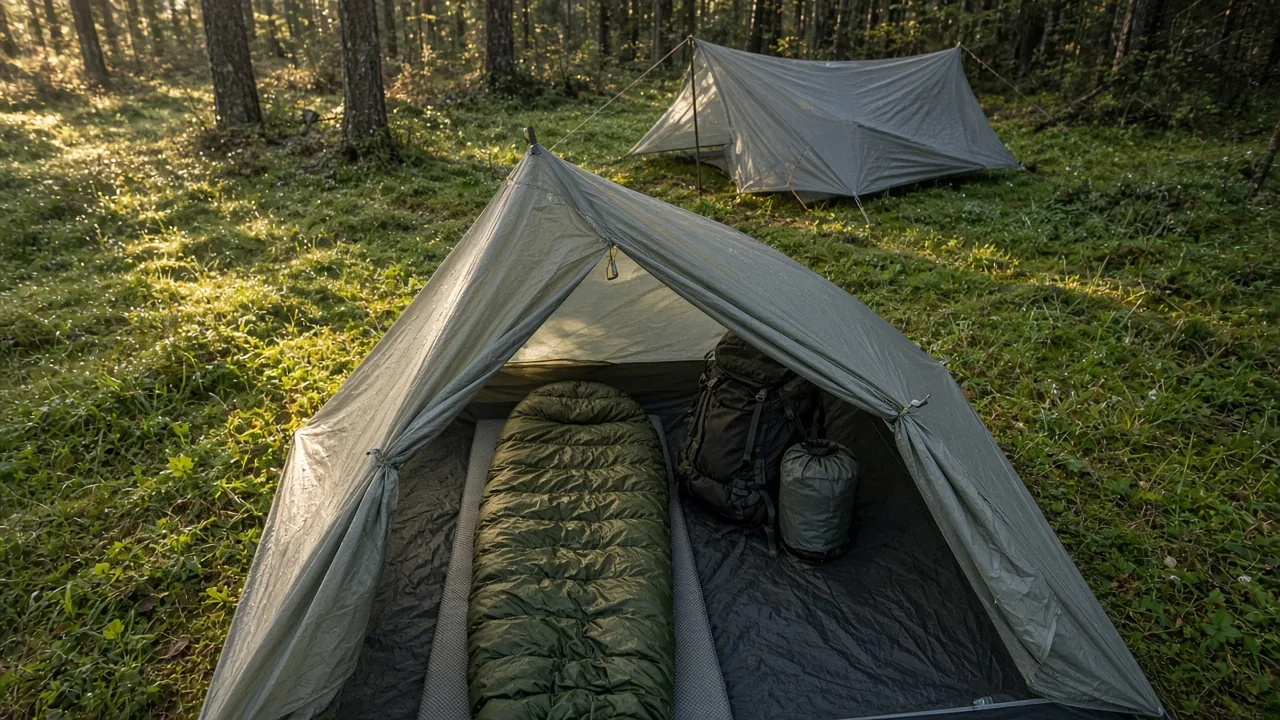
A 20°F label often shows a limit rating, not a comfort rating. Loft, sleeping pad warmth, wind, and moisture determine the actual heat you retain.
Warmer, roomier bags for campgrounds.
Camping Sleeping Bags
A 20°F label often shows a limit rating, not a comfort rating. Loft, sleeping pad warmth, wind, and moisture determine the actual heat you retain.
Sleeping Bags
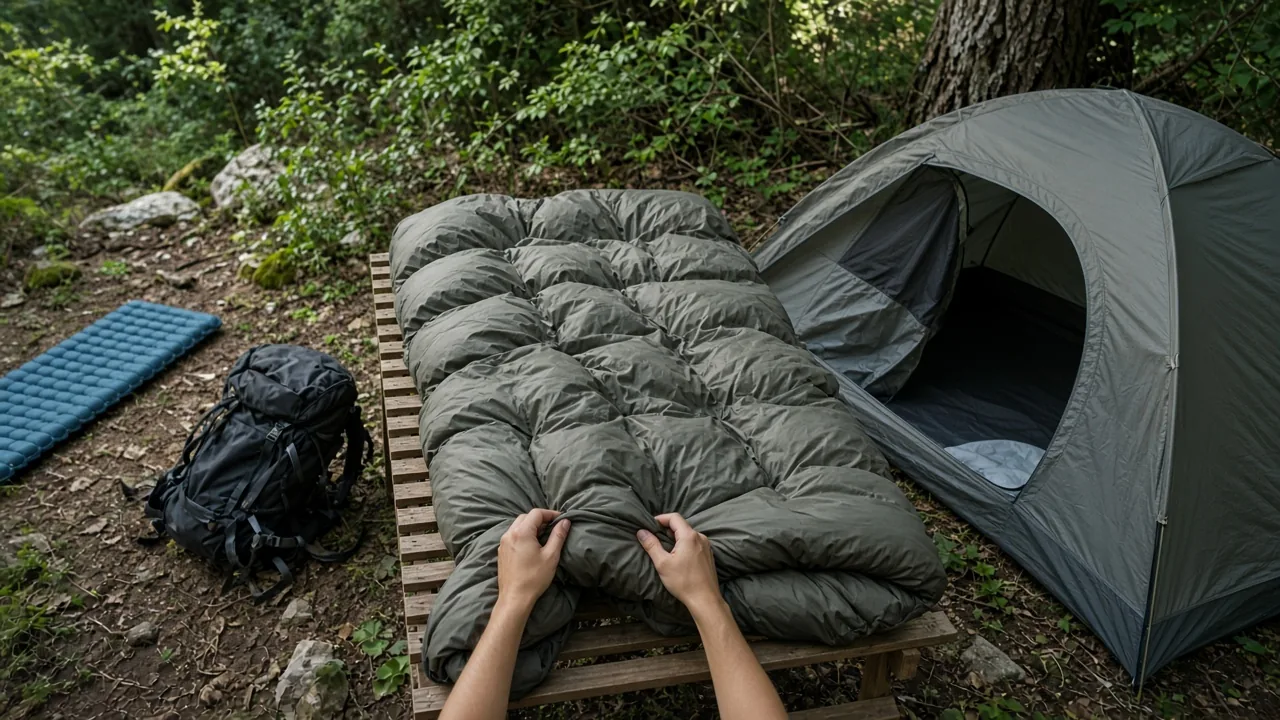
A cheap down sleeping bag can be warm enough only when fill weight, fill power, and comfort rating match your lowest expected nighttime temperature. Here’s how to spot underfilled bags and choose the right down fill for car camping or backpacking.
Sleeping Bags
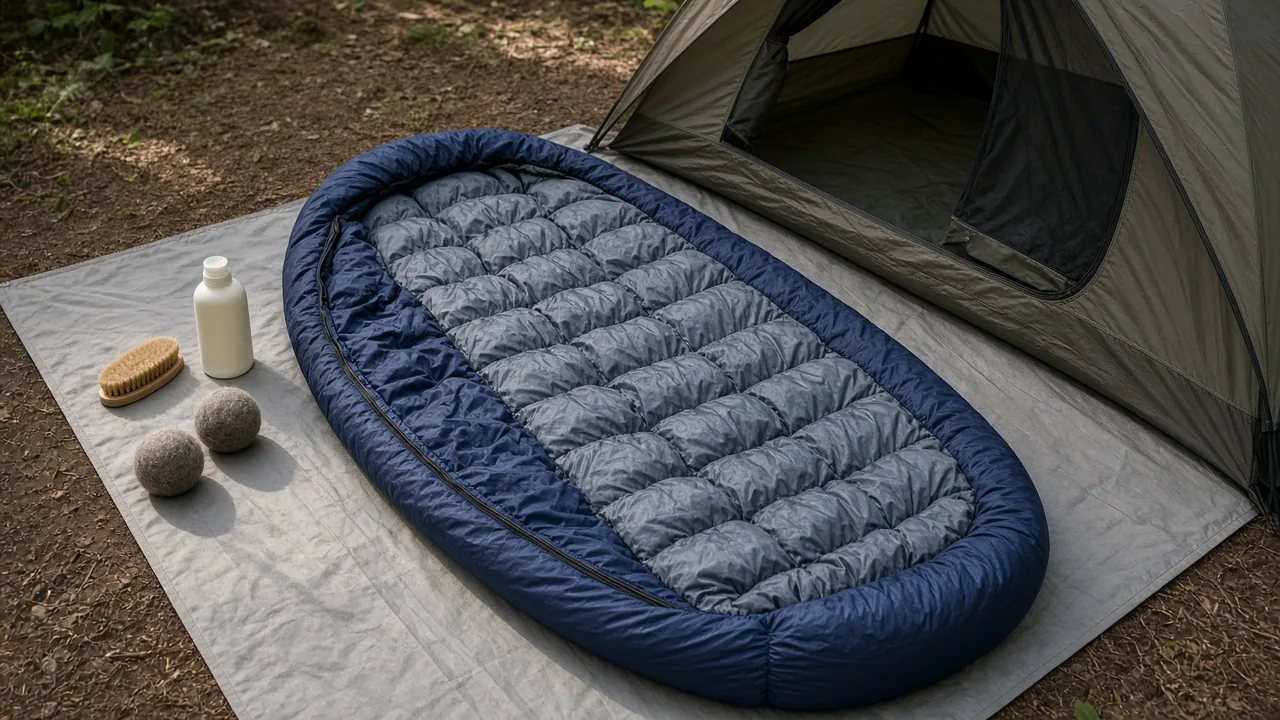
Wash a down sleeping bag every 2–4 years for occasional camping or every 4–6 months for heavy trail use. Learn safe washing, drying, and storage methods to preserve loft and warmth.
Backpacking Sleeping Bags
Washing a down sleeping bag is safe when you use cold water, down-specific detergent, and low-heat drying. Learn when to wash, how to spot clean, and how to restore loft without damaging fill.
Camping Sleeping Bags
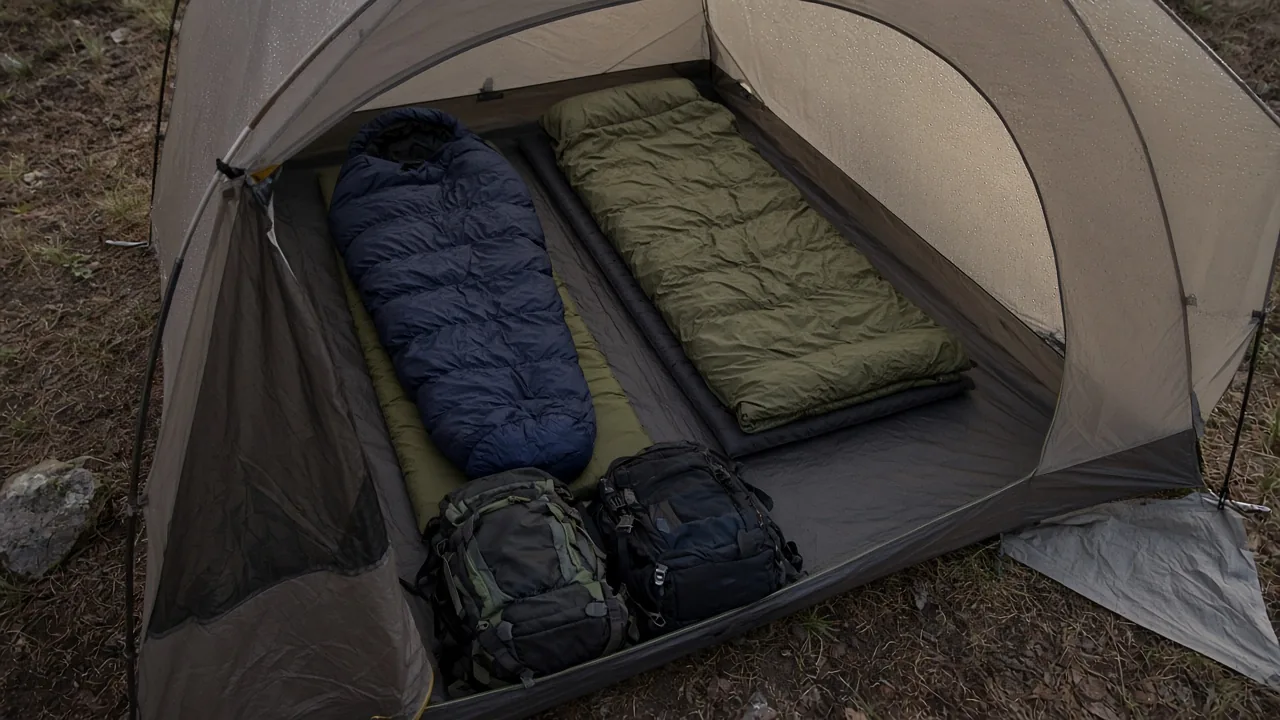
Compare down and synthetic sleeping bags for camping across weight, wet-weather warmth, packed size, lifespan, and cost. Match the insulation to your trip style before you buy.
Backpacking Sleeping Bags
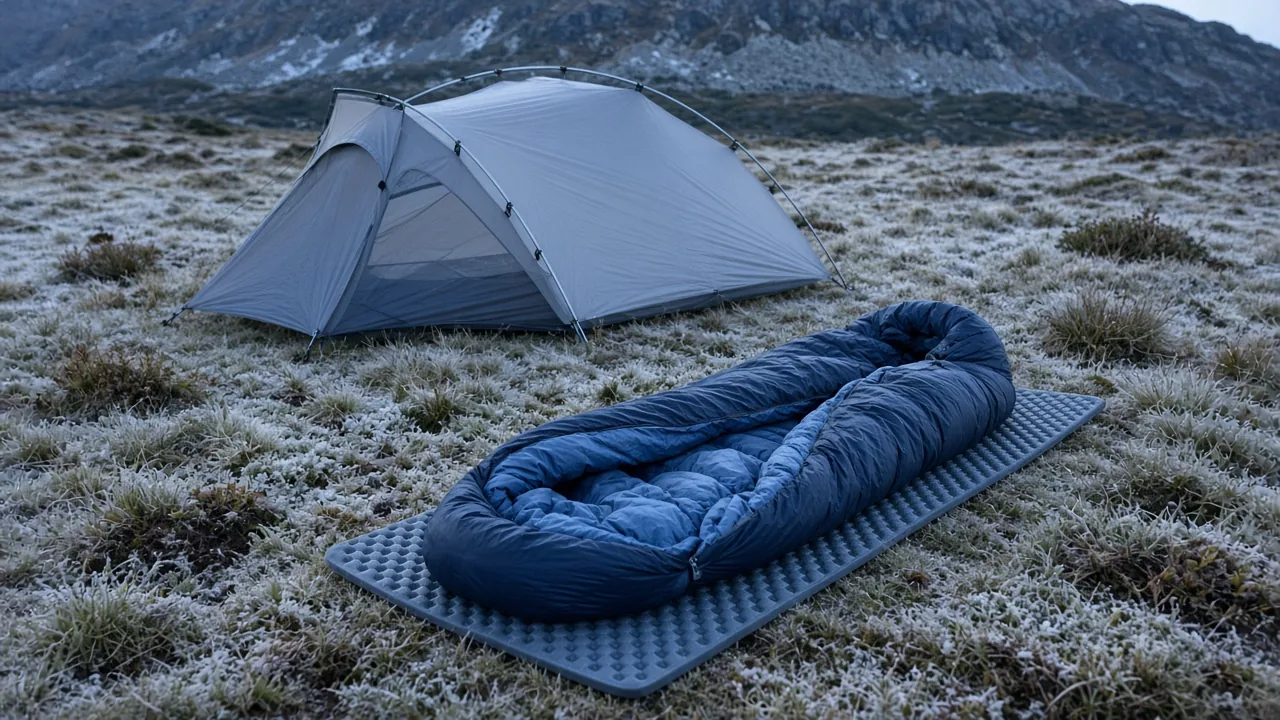
This review covers the Cumulus Tenneka 700's 14°F comfort rating, 850 fill power goose down, custom overfill options, packed size, and how it compares to 700g duck down bags for cold-weather backpacking.
Liners
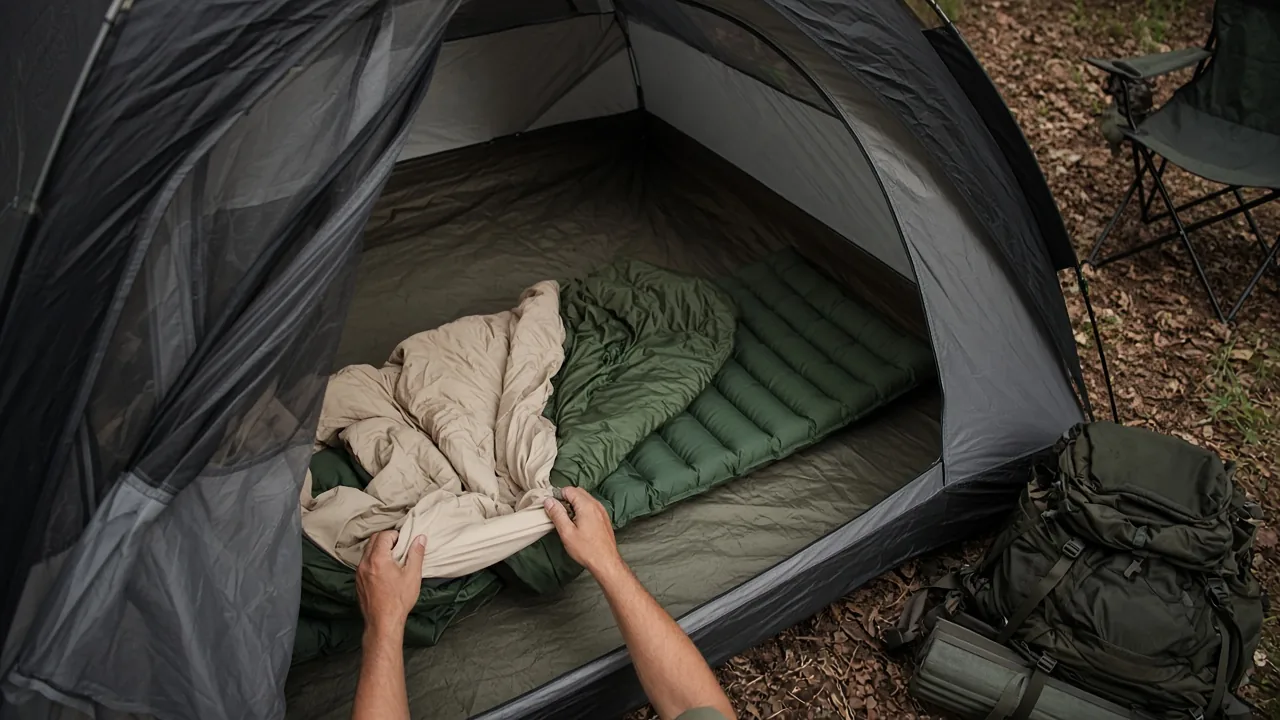
A practical look at whether sleeping bag liners add warmth, how to read liner temperature claims, and when to use one for cleanliness or comfort.
Backpacking Sleeping Bags
Learn how to read sleeping bag temperature ratings by comparing ISO comfort and limit numbers, then match your bag to your pad, cold sensitivity, and real trip conditions.
Camping Sleeping Bags
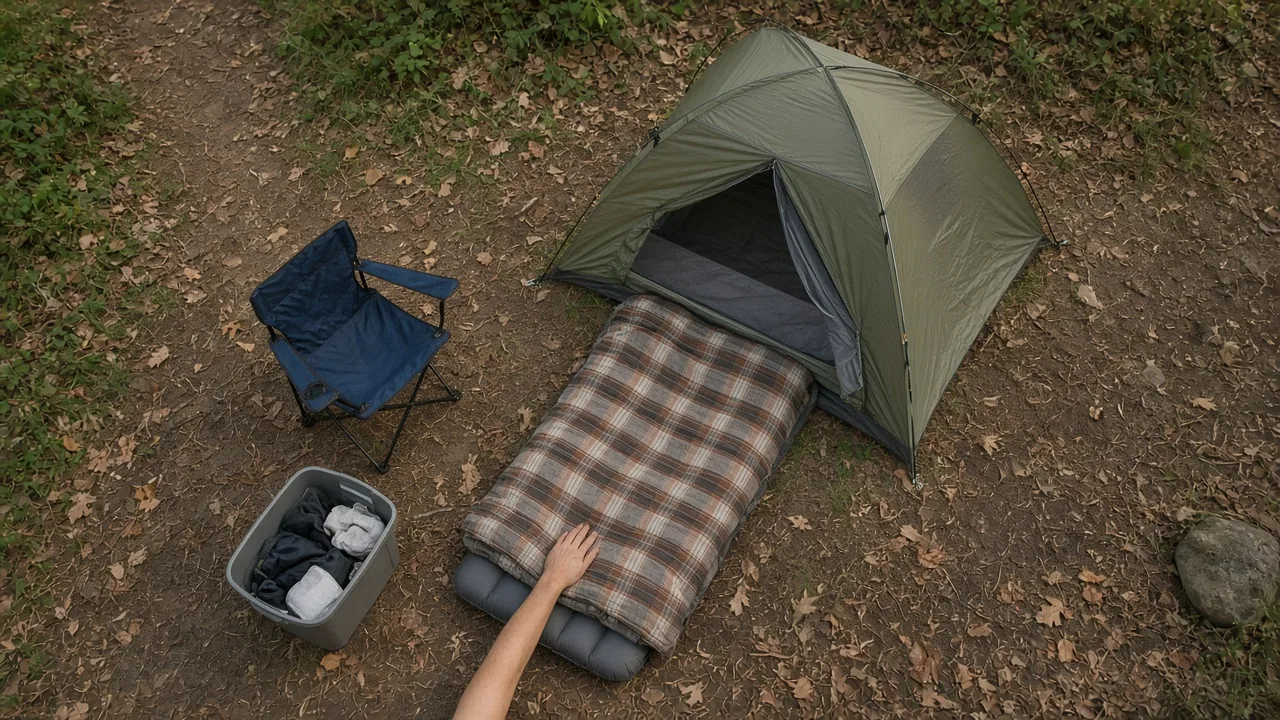
This NatureHike flannel sleeping bag review covers specs, temperature ratings, pros and cons, and ideal use cases for car campers and fair-weather trips.
Liners
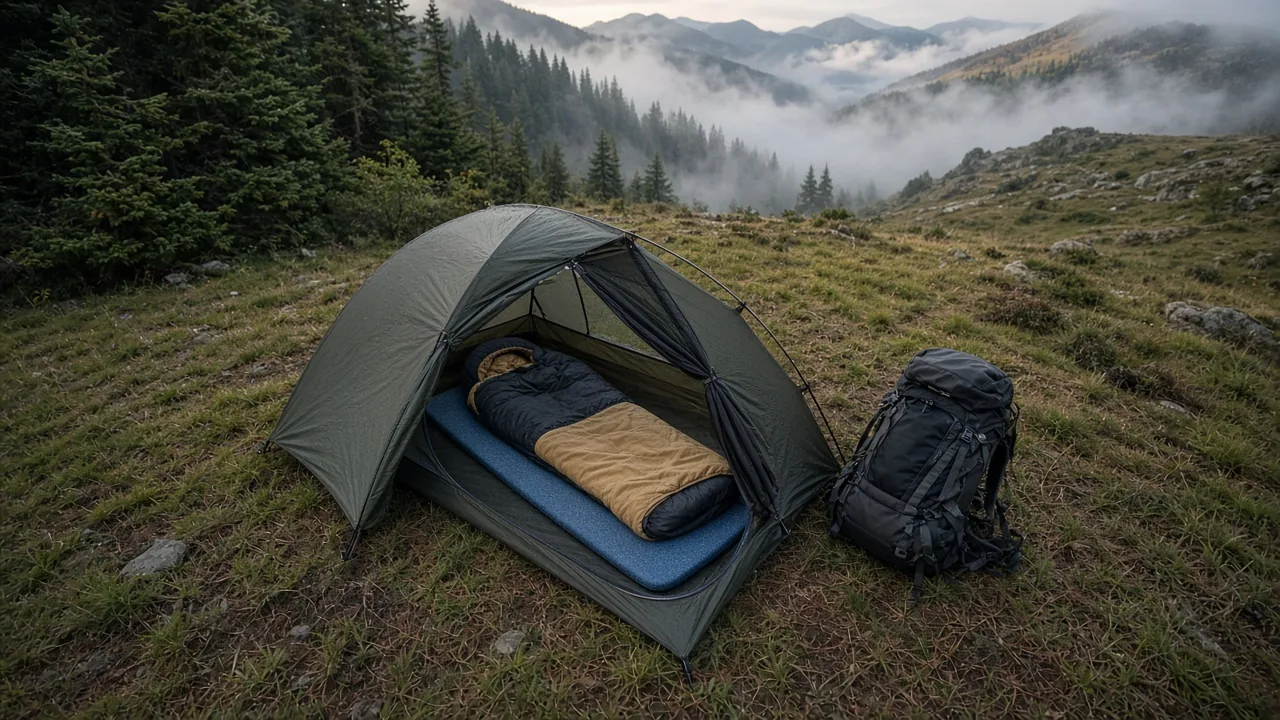
This Sea to Summit Reactor Extreme liner review tests the +25°F claim in real conditions. The liner adds about 5–7°F of comfort, not the stated 25°F, and works best as a washable layer for your sleeping bag.
Backpacking Sleeping Bags
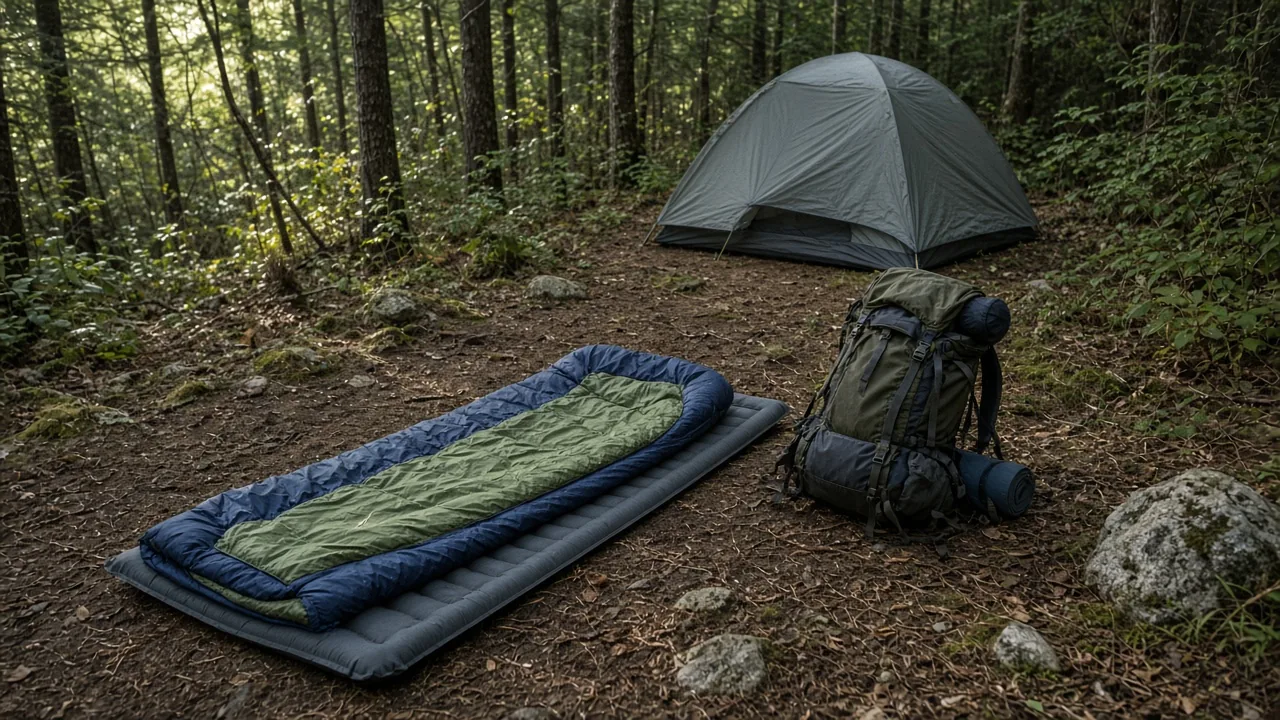
Rectangular sleeping bags can work for backpacking on mild routes and for side sleepers, but they usually weigh more and pack larger than mummy bags at the same warmth rating. This guide compares packed size, warmth, and legroom to help you decide.
Cots
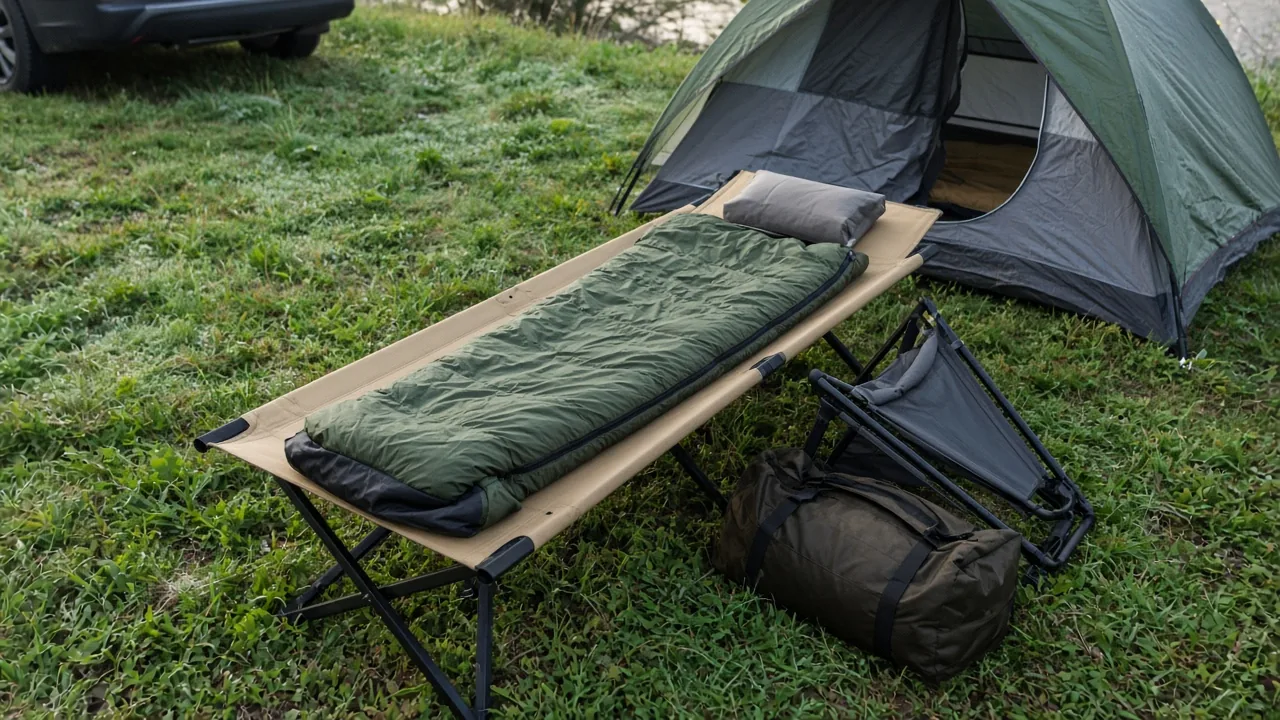
A folding camping cot can be worth it for car campers who want a flat, elevated sleep surface and have cargo room. Learn when it wins over pads and air mattresses, what to check before buying, and how to avoid common problems.