Why Is My 20 Degree Sleeping Bag Cold? Ratings vs Loft
A 20°F label often shows a limit rating, not a comfort rating. Loft, sleeping pad warmth, wind, and moisture determine the actual heat you retain.
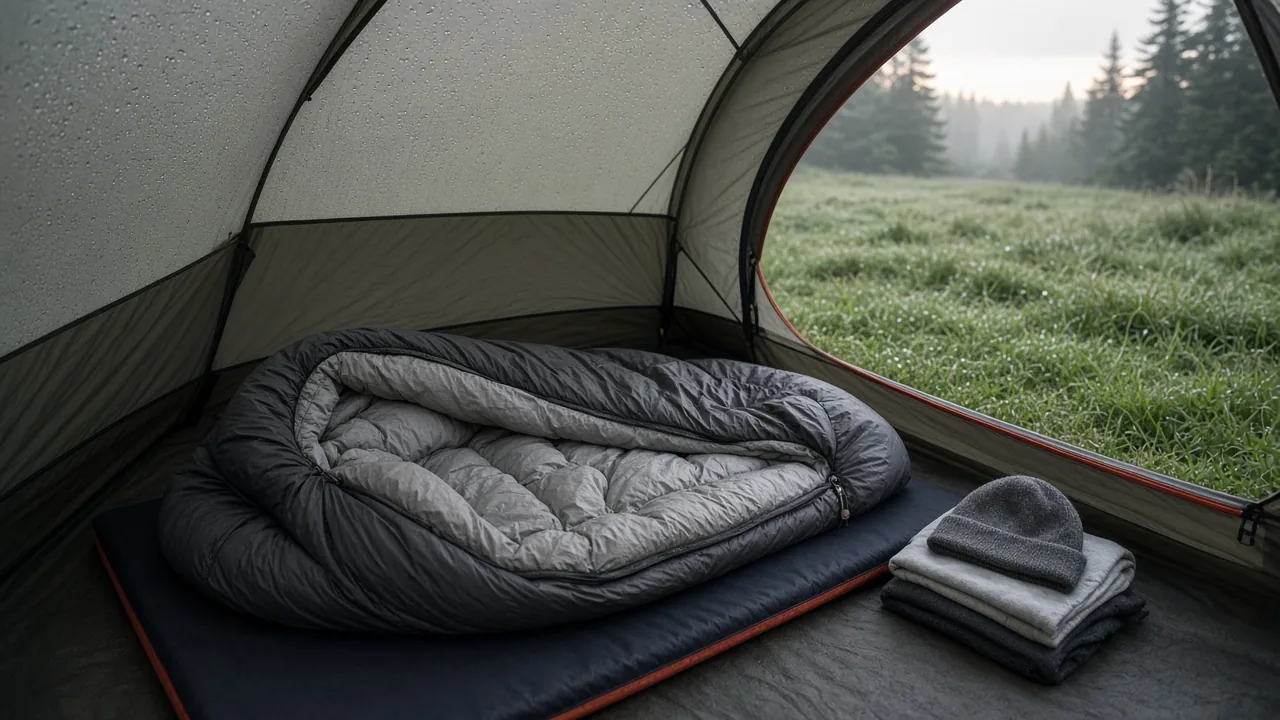
Ask “why is my 20 degree sleeping bag cold?” and the short answer is usually not that the bag is defective. A 20°F bag often feels cold because the advertised number is a limit rating, not a comfort rating, and because loft, sleeping pad warmth, wind, and dampness reduce the heat you actually retain. Before you replace the bag, look past the headline temperature.
Why Is My 20 Degree Sleeping Bag Cold? The Rating Problem
Sleeping bag temperature ratings are not a direct promise of warmth. In the US, there is no single mandatory standard that every sleeping bag brand must use, so a company can label a bag 20°F even when that number does not describe a comfortable night for most campers. That is why two different 20-degree bags can feel completely different on the same trip.
Comfort, Limit, and Extreme: Read the Full Chart
ISO and EN tests publish three figures: comfort, limit, and survival or extreme. Only the comfort rating describes a reasonably warm night for most campers.
The limit rating is the lowest temperature at which a standard sleeper can supposedly stay without waking from cold. The survival rating is lower still and is not a comfortable number. If a product page shows 20°F but the full chart lists comfort at 32°F, that bag is really a 32°F comfort bag wearing a 20°F headline.
Brands Can Use the Limit Number as the Headline
A 20°F bag may carry a 20°F limit rating while its comfort rating sits closer to 32°F. That explains why the bag feels cold in shoulder-season trips. If the overnight low drops to 28°F, you are already below the comfort rating even though the headline says 20°F.
One common spec pattern is a bag labeled 20°F with a certified comfort rating near freezing. The label is not necessarily false, but it is incomplete. The number you feel is usually closer to the comfort rating, not the limit rating.
Loft Gives a Reality Check When Ratings Are Unclear
Sleeping bags do not generate heat. Their loft traps air that your body has already warmed. Thickness is therefore a practical check when the temperature rating is unclear or missing.
Most down and synthetic insulation works this way. A bag with thin spots or uneven loft will usually feel colder than the label suggests, especially around the torso and feet.
Using Loft to Estimate a Real Temperature Range
One backcountry rule of thumb is: temperature in °F equals 100 minus 40 times loft in inches. That formula gives 1.5 inches for a 40°F bag, 1.75 inches for 30°F, and 2 inches for 20°F.
A more conservative field formula is 100 minus 35 times loft in inches. By that estimate, 2 inches of loft lands closer to 30°F. These are rough checks, not lab ratings, but they help you spot a bag that looks too thin for its label.
How to Measure Loft Without Lab Equipment
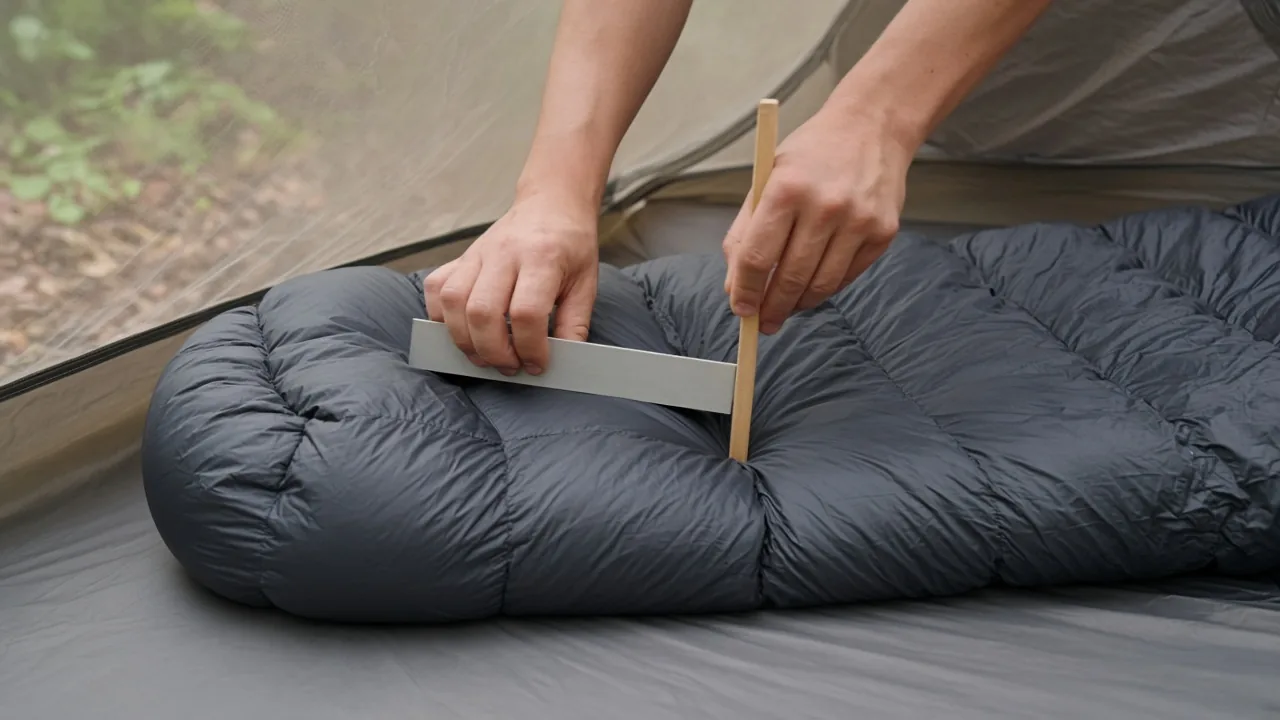
Lay the sleeping bag on a clean floor and let it fully expand. Place a board or stiff card across the bag without pressing down, then measure the distance from the floor to the underside of the board.
Do this at several points along the bag, especially the chest and footbox. Compare the measured loft with the formula and the advertised rating. If a 20°F bag has well under 2 inches of loft where your body needs heat, that is a reason to expect a cold night.
Standardized Tests Assume Better Conditions Than Many Campsites
ISO and EN tests assume a warm sleeping pad, one clothing layer, no wind, and a dry bag. Many real campsites do not match those conditions.
The test pad typically has an R-value around 4.8, which is warmer than many casual camping pads. Wind, damp ground, and exposed sites can strip heat faster than any bag can replace it.
Pad R-Value and Moisture Change the Result
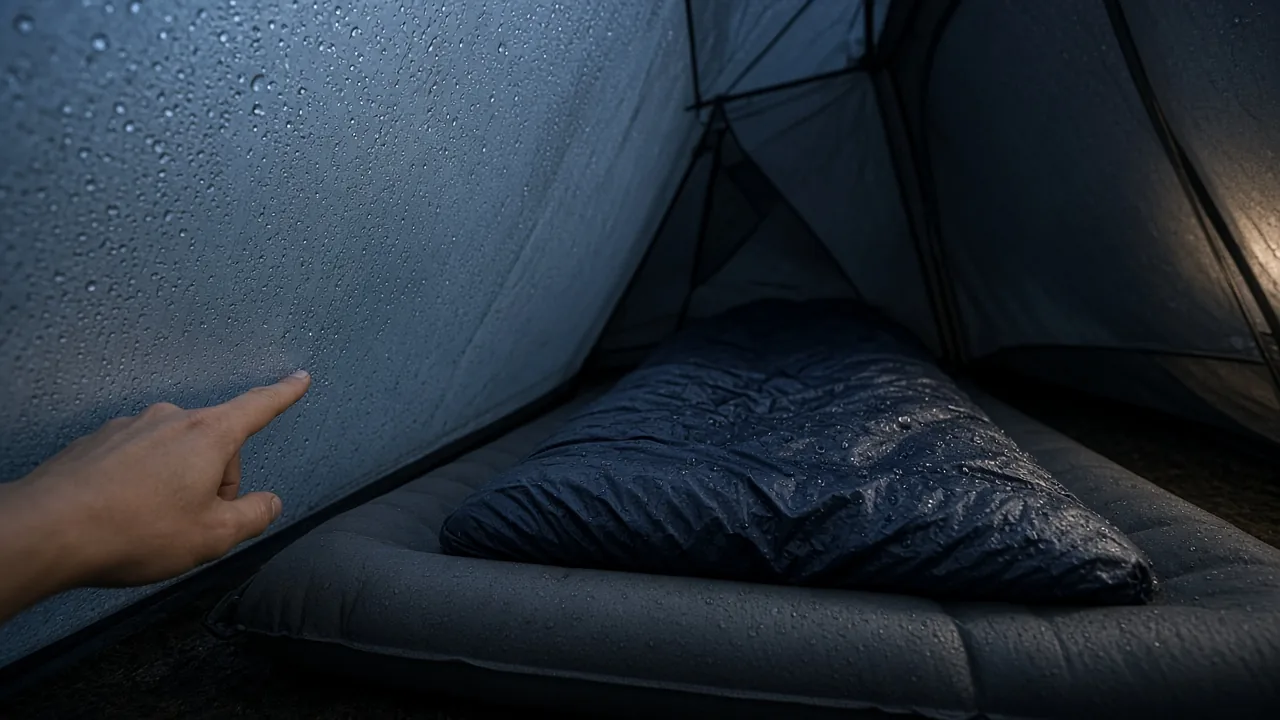
Ground heat loss is constant, so a low R-value pad can make a 20-degree bag feel like a much colder bag. Cold ground pulls heat from your body all night, and the bag cannot stop that loss from below.
Moisture makes it worse. A damp shell or fill loses loft, and loft is what traps warm air. If your bag feels cold at 40°F, the problem is often a thin pad or moisture rather than the bag alone.
Why a 30-Degree Certified Bag Sometimes Feels Warmer
A certified comfort rating and full loft may beat an uncertified 20-degree limit bag. If a 30°F bag has a published comfort rating and 2 to 2.5 inches of loft, it can feel as warm as or warmer than a 20°F bag with no clear comfort rating and less loft.
Some campers report that a 20°F bag with a limit-style label feels no better than a certified 30°F bag from another brand. The difference is not magic. It comes down to which rating method produced the headline number and how much loft the bag actually has.
Who a 20-Degree Bag Suits, and Who Should Go Colder
A 20-degree comfort-rated bag may work for warm sleepers on mild low-20s nights with a high-R pad. It is not a safe comfort choice for cold sleepers or exposed sites near the limit.
Warm Sleepers vs Cold Sleepers
Standard tests assume one body type and no wind. Your personal cold sensitivity and sleep site matter more than the single number on the stuff sack.
Some people sleep several degrees warmer than a lab test suggests, while others sleep much colder. If you normally need an extra blanket at home, treat a 20°F label as a bag that may only feel comfortable in the 30s.
Car Camping vs Backpacking Trade-Offs
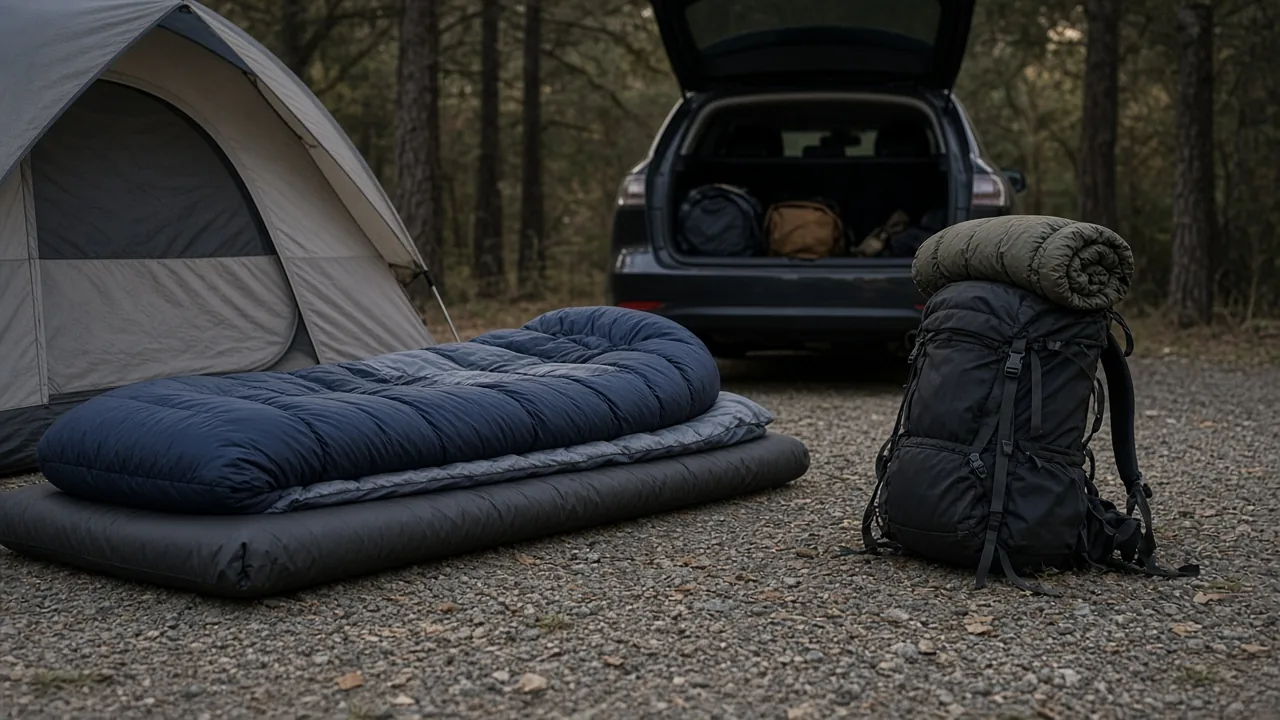
Car campers can carry a heavier bag or an extra liner for a bigger temperature cushion. Pack weight and space are less of a problem when the car is nearby.
Backpackers need to balance that same margin against packed weight and space. A heavier 0°F bag may be fine in the trunk and miserable to carry for days. Match the sleep system to the trip, not just to the rating.
How to Shop So Your Next Bag Feels Warm
Compare comfort ratings and loft rather than headline numbers. Leave a buffer between the forecast low and the bag’s comfort rating.
Check Certification and Manufacturer Detail Pages
If a bag is ISO or EN certified, compare comfort ratings across brands. Those numbers are more consistent than headline labels.
If a bag is not certified, look for loft specs or measure a display model before trusting the rating. Many cottage quilts are not certified but can still be evaluated by loft. A 2-inch quilt may behave closer to 20°F to 30°F, while a 2.5-inch quilt can feel much warmer.
| Approach | What you gain | Weight and bulk | Temperature effect | Weather note | Car camping or backpacking |
|---|---|---|---|---|---|
| Add a high R-value pad | More insulation between you and the ground | Adds some weight, little packed size | Can make an existing bag usable near its lower edge | Keep the pad dry; wet foam loses R-value | Both |
| Add a bag liner | Extra layer inside the bag | Light and packs small | Adds a few degrees of comfort, not a full rating | Helps reduce bag moisture from sweat | Backpacking-friendly |
| Choose an ISO/EN comfort-rated bag | A published comfort number you can compare | Depends on fill and shell | Lets you shop with a real margin | Shell may be water-resistant, not waterproof | Both |
| Choose a bag or quilt with measured loft | A checkable thickness instead of a vague label | Quilts are often lighter for the warmth | Roughly 20–30°F at 2 inches of loft | Down loses loft when wet | Backpacking and car camping |
How Much Buffer Should You Add?
A common practical guide is to choose a bag whose comfort rating is 10–15°F below your expected low. If the forecast calls for 32°F, look for a comfort rating near 15–20°F, or add a liner and a high-R pad for extra margin.
Do not buy exactly to the forecast. Campsite lows can dip below the regional forecast, especially in valleys, near water, or on clear nights.
If You Already Own a 20-Degree Bag
You can extend its range by adding sleeping pad warmth, a liner, dry base layers, a hat, and a sheltered campsite before replacing the bag.
Add Pad or Liner Warmth Before a New Purchase
A higher R-value pad and a bag liner are lighter and cheaper steps than buying a lower-rated bag. That is especially true for car camping trips where a little extra bulk does not matter.
Dry base layers and a warm hat also help. Foot warmth matters because cold feet can wake you before the rest of your body feels cold.
Never Use a Stove or Heater Inside Your Tent
Carbon monoxide and fire risk make this a hard rule: Never use a stove or heater inside your tent. Rely on insulation, a warmer pad, and better site selection instead.
Check fire restrictions and campsite rules before the trip. Use stoves only outside and away from the tent, and follow the manufacturer’s instructions for every fuel appliance.
Before trusting a 20-degree tag, check the comfort rating and loft, then judge whether the trip is car camping or backpacking, how cold nights may get, and whether rain is likely. A warmer sleeping pad may be the smarter fix.
This article is general information about camping gear, not professional safety, medical, or wilderness training. Check fire restrictions, weather, and campsite rules before you go, and follow the manufacturer's instructions for your own equipment.
FAQ
Why does my 20 degree sleeping bag feel cold at 40 degrees?
The 20°F label often shows a limit rating, not a comfort rating. If the comfort rating is closer to 32°F and loft or pad warmth is low, the bag can feel cold well above the headline number.
How much loft should a 20 degree sleeping bag have?
As a rough field check, a 20°F bag should have about 2 inches of loft. Use the formula 100 minus 40 times loft in inches, or the more conservative 100 minus 35 times loft.
Can a sleeping pad make my 20 degree bag feel cold?
Yes. A low R-value pad allows ground heat loss, which can make even a 20-degree bag feel much colder. ISO/EN tests assume a pad with an R-value around 4.8, so thinner pads reduce real-world warmth.
Should I buy a lower-rated bag or add a liner and pad?
Start with a higher R-value pad and a bag liner, plus dry base layers and a hat. These are lighter and cheaper fixes before replacing the bag, especially for car camping.
Is a 20 degree sleeping bag safe for 20 degree weather?
Only if the 20°F is a comfort rating and you use a warm pad, dry bag, and sheltered site. If 20°F is a limit rating, the bag may only be comfortable around freezing or above.