Cumulus Tenneka 700 Sleeping Bag Review: Warmth & Value
This review covers the Cumulus Tenneka 700's 14°F comfort rating, 850 fill power goose down, custom overfill options, packed size, and how it compares to 700g duck down bags for cold-weather backpacking.
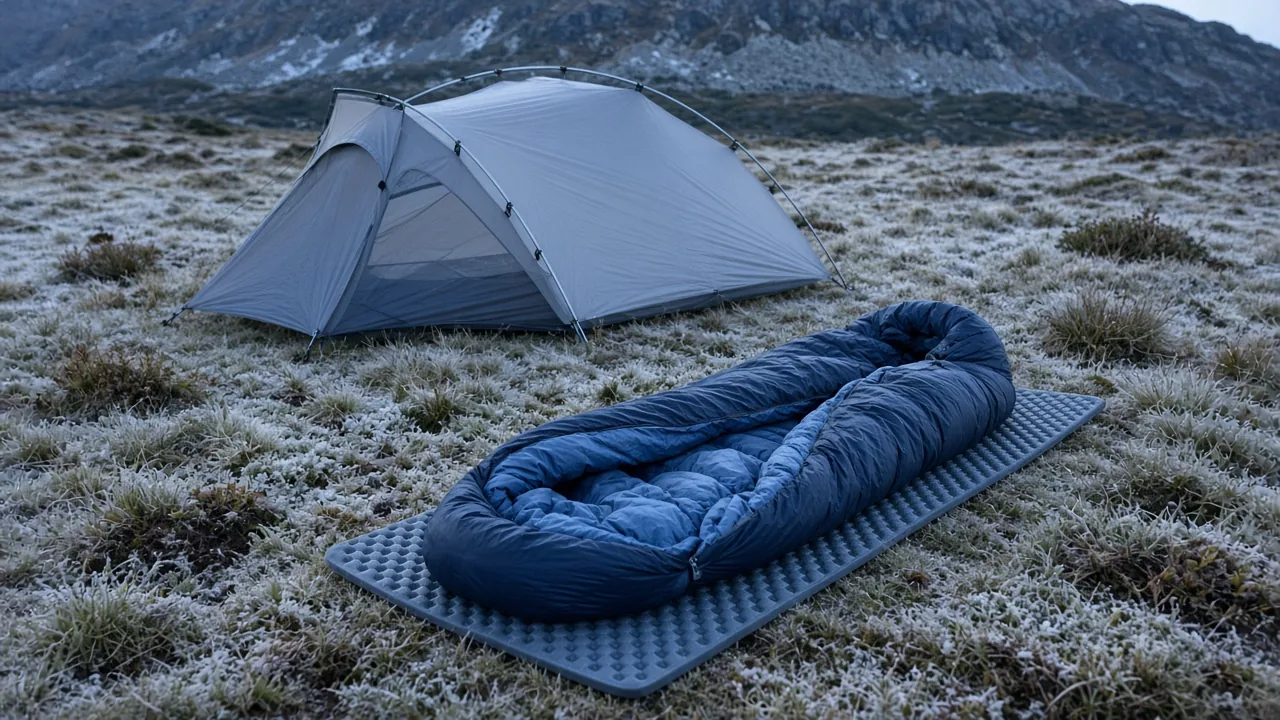
If you need a sub-freezing down bag with real custom options, the Cumulus Tenneka 700 is a strong packable pick, but check its comfort rating and EU fill power before you count on it. This Polish-made bag targets cold-weather backpackers who want more warmth per ounce than typical duck down bags deliver. This Cumulus Tenneka 700 sleeping bag review explains how its 700 g of 850 fill power goose down performs, what the temperature ratings actually mean, who should buy it, and where it falls short for car camping or mild shoulder-season trips.
Cumulus Tenneka 700 sleeping bag review: Is it warm enough for cold-weather backpacking?
The short answer is yes for trips where nighttime lows sit near or below 10°F. The bag carries a comfort rating of 14°F and a limit rating of 0°F. That comfort number means the bag is designed to keep a standard woman sleeping in a relaxed position down to roughly -10°C. For a standard man curled on his side, the 0°F limit rating is the floor where shivering mostly stops.
Real-world reports back up those numbers. One trail report describes using the Tenneka 700 down to 7°F in high humidity and staying warm, partly by layering mid layers, thermal bottoms, and down booties inside the wider cut. That wider girth matters because it lets you add insulation without compressing the down, which would reduce loft and warmth.
Still, you should not treat the 0°F limit rating as a comfortable sleeping temperature. Add a 5–10°F buffer to your expected nighttime low. If your trip forecast calls for 15°F, this bag should work. If you expect prolonged 0°F nights, you may wake up cold unless you add clothing, a liner, or the optional overfill.
How do you read comfort vs. limit vs. survival ratings?
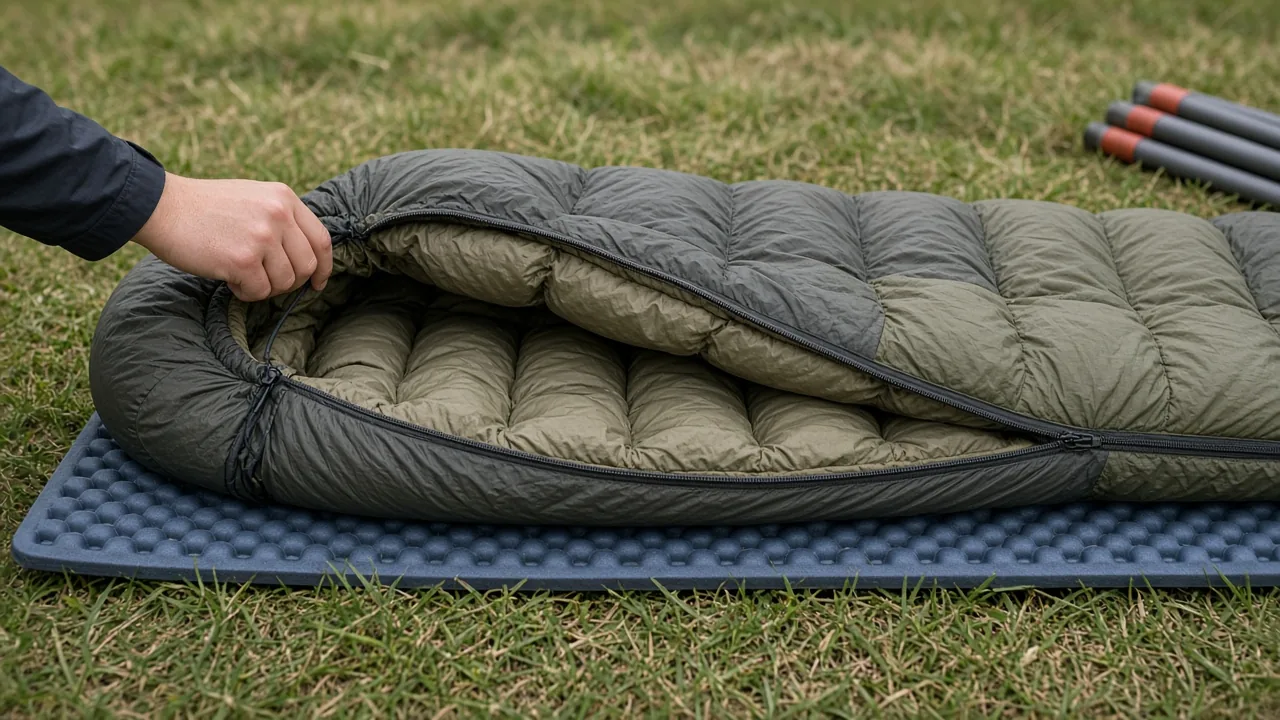
Only the comfort rating tells you whether a standard woman can sleep relaxed. The limit rating means a curled-up man avoids shivering, not that he gets a restful night. The survival rating, when listed, is a six-hour emergency benchmark for a standard woman curled up and shivering.
For purchase decisions, ignore limit ratings as your primary guide. A bag rated 0°F limit may keep you alive at 0°F, but it will not feel warm. If you sleep cold, are female, or tend to run chilly, use the comfort rating and then add another 5°F. Most campers simply sleep better in a bag with more temperature buffer than the forecast suggests.
What do 700g of 850 fill power down actually buy you?
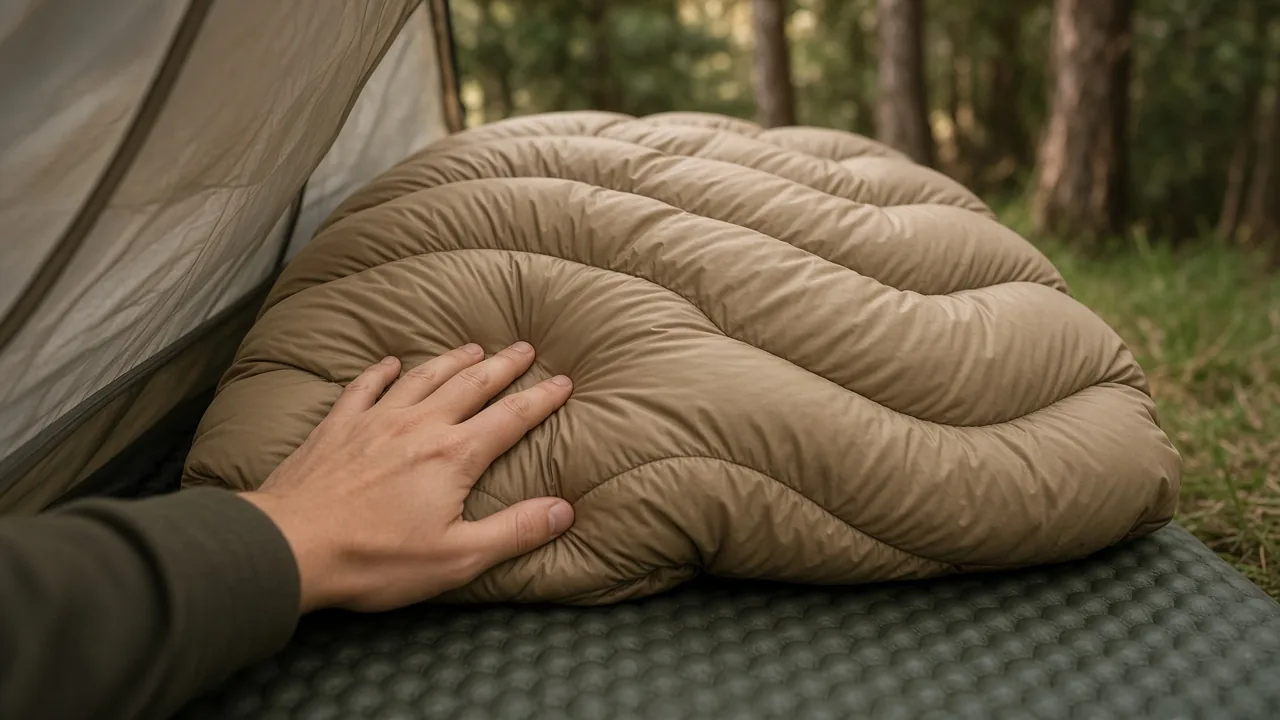
Fill weight alone does not determine warmth. The Tenneka 700 pairs 700 g of 850 fill power goose down, which gives more warmth per ounce than typical 650 fill power duck down bags with the same fill weight. Goose down with a high fill power lofts more for the same mass, trapping more warm air inside the shell.
The practical result shows up in the ratings. Mainstream 700 g duck down bags tested alongside comparable models carry comfort ratings around -5°C to -7.5°C. The Tenneka 700 with 700 g of higher-quality goose down carries a 14°F comfort rating, roughly -10°C. That is a meaningful difference for the same fill weight.
For backpackers, the math is straightforward. Higher fill power down delivers more warmth per gram, so you can carry a lighter bag to hit the same temperature target. That is the main reason this bag competes well against heavier 700 g duck down options from brands like Black Ice, Naturehike, and Tianshi.
Why does EU fill power differ from US fill power?
Cumulus uses EU standards for fill power. A bag labeled 850 fill power in Europe is roughly equivalent to 900 fill power under US testing methods. This matters when you compare the Tenneka 700 to American-labeled bags from Western Mountaineering, Feathered Friends, or Enlightened Equipment.
Do not look at 850 EU and assume it is the same as 850 US. Convert first. In practice, the Tenneka 700 outperforms many 700 g duck down bags, but part of that advantage comes from the rating standard, not just the down quality. When comparing against US-labeled competition, treat this as roughly a 900 fill power bag.
How does the Tenneka 700 compare to layering two lighter down bags?
Stacking two down bags wastes weight and pack volume. You carry a second shell, a second zipper, and a second draft collar. The extra fabric can add around 300 g or more without adding much insulation value. A single higher-fill bag like the Tenneka 700 is more efficient for the same temperature range.
There are only a few cases where layering sleeping bags makes sense. If you already own a lightweight summer bag and a shoulder-season bag, combining them for one unusual cold trip can work. As a long-term system for regular cold-weather backpacking, a dedicated winter bag with the right comfort rating is simpler and lighter.
Can custom fill options replace a liner or overbag?
Yes, Cumulus lets you order extra down in the Tenneka 700, up to 70 g more than the stock 700 g fill. Adding 50 g shifts the comfort rating from 14°F down to 10°F, according to the manufacturer. That customization gives you a colder-weather buffer without adding the bulk of a liner, overbag, or second sleeping bag.
You can also choose hydrophobic down, which helps the bag retain loft in damp conditions. This is worth considering for trips with wet snow, coastal humidity, or frequent condensation inside a single-wall tent. The custom fill route is more expensive, but it keeps the system one piece and pack-friendly.
What build details reduce cold spots in the Cumulus Tenneka 700?
The Tenneka 700 uses offset V-shaped baffles rather than a standard box baffle construction. Those baffles can be stitched with offset seams to prevent cold spots along the stitch lines. Side baffles are extended to stop down from shifting away from the edges. The top and bottom are independently filled, so down cannot migrate from the top to the compressed underside.
The V-baffle design is a notable structural difference. Standard box baffles work well, but they need precise placement to avoid thin spots. The offset V shape helps keep down distributed where it matters, especially around the torso and sides where cold air often seeps in.
The hood and neck also get real attention. A draft collar seals the neck opening, reducing heat loss when you move during the night. A cinchable hood wraps around the head and face without pushing the zipper into your chin. These details matter more as temperatures drop, because convective heat loss around the shoulders and neck can undo all the insulation below.
How important are the zipper, hood, and footbox on a winter bag?
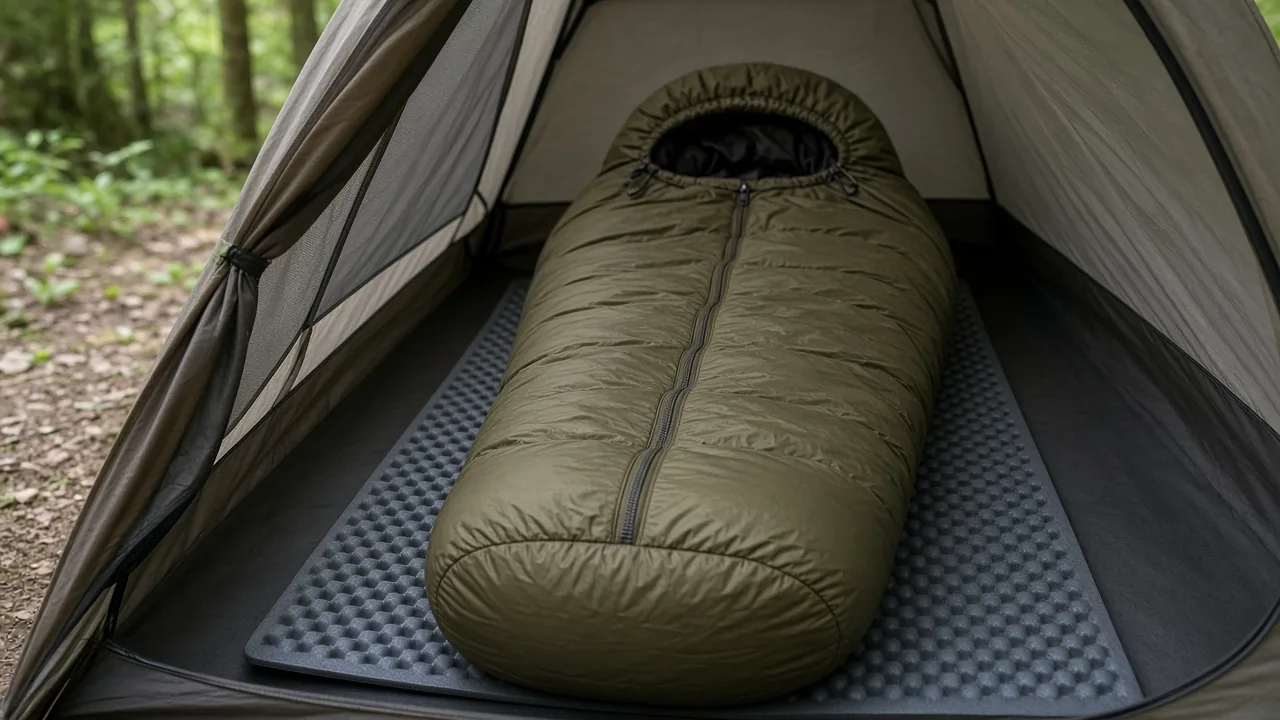
A full-length anti-snag YKK zipper with a draft tube does more than make the bag easier to open. The draft tube blocks cold air from working through the zipper coils. Without it, a zipper can bleed heat. A good zipper design can reduce heat loss by roughly 30 percent compared with an uninsulated zipper.
The Tenneka 700 uses a 5-size YKK zipper with two-way pulls and an anti-snag strip along the inside. That matters at night when you need to vent without waking fully, or when you want to zip two bags together. The zipper runs full length, so you can open the foot area for ventilation in warmer conditions.
The footbox is wider and shaped like a shark fin. That extra space lets your feet rest naturally — especially if you sleep on your back — while leaving enough down loft around your toes. A compressed footbox creates cold feet, so a roomier cut helps even if your feet do not touch the end.
Who should and shouldn’t choose the Cumulus Tenneka 700?
Pick this bag for backpacking nights near or below 10°F when you want cold-weather warmth with less weight than many 700 g duck down bags. It fits backpackers who sleep in a mummy-style bag, want a wider cut for layering, and are willing to pay for high fill power goose down and customization. International buyers should check the manufacturer's current pricing, as the base price has shifted upward and may no longer match older reviews.
Skip it for shoulder-season trips above freezing. A 14°F comfort bag is overkill for 30°F nights, where a lighter three-season bag will save weight and pack volume. It is also not the right choice for car campers who prioritize low cost or roomy rectangular cuts over weight and efficiency.
The bag suits cold sleepers better than warm sleepers. If you know you run hot and mostly camp in the 20–30°F range, a less aggressive comfort rating will feel more comfortable. If you sleep cold or want one bag that handles winter trips in the mountains, the Tenneka 700 makes more sense.
What temperature range makes this bag feel too warm or too bulky?
The 14°F comfort rating makes it overkill for nights consistently above 30°F. You will likely unzip the side and use it like a quilt, which defeats the purpose of carrying a winter bag. In mild conditions, the extra fill and draft collar hold heat you do not need.
The packed size is also larger than a three-season bag. The Tenneka 700 compresses reasonably well for a cold-weather bag, but it still takes up more space in your pack than a 30°F or 40°F option. If your trip forecast stays above freezing, you carry that bulk for no benefit.
How does its weight, packed size, and value compare to similar bags?
Against mainstream 700 g duck down bags like the Tianshi Xunlu or Black Ice B700, the Tenneka 700 is lighter and warmer per gram. The Chinese-made duck down bags carry comfort ratings around -5°C to -7.5°C, while the Tenneka reaches roughly -10°C comfort with the same fill weight. The main trade-off is price: the Cumulus costs more, especially for US buyers ordering from Europe.
Here is how the Tenneka 700 stacks up against common 700 g duck down alternatives based on published specs:
| Bag | Fill | Fill power | Comfort rating | Total weight | Best use | Padding |
|---|---|---|---|---|---|---|
| Cumulus Tenneka 700 | 700 g goose down | 850 EU (~900 US) | 14°F (-10°C) | Lighter than duck down peers | Cold backpacking | High |
| Tianshi Xunlu 700 | 700 g duck down | 650 | 23°F (-5°C) | ~2 lb 6 oz | Budget winter trips | Low |
| Black Ice B700 | 700 g duck down | 650–700 | 23°F (-5°C) | ~2 lb 4 oz | Budget winter trips | Low |
| Naturehike Snowbird SP700 | 700 g duck down | 650 | 18°F (-7.5°C) | ~2 lb 15 oz | Wet coastal cold | Low |
| Yishi MD700 | 700 g duck down | 750 | 19°F (-7°C) | ~2 lb 8 oz | Mid-range winter | Medium |
The table shows why fill power matters. The same 700 g fill weight produces a much lower comfort rating when the down quality is higher. The Tenneka 700 outperforms these options on warmth-to-weight, but you pay a premium for that efficiency. Duck down bags remain the budget choice for occasional winter campers who do not mind the extra weight and bulk.
The EU pricing and shipping may also affect value. Watch for currency differences and current manufacturer pricing before deciding. For a US buyer, the effective price can move with the euro exchange rate.
Final take
Match this bag to your trip type, expected nighttime low, and rain forecast. If you are backpacking in cold, dry conditions, the Tenneka 700 is a warm, regulation-friendly choice with real custom potential. If you mostly car camp or hike in shoulder-season temperatures, a lighter and less expensive three-season bag will serve you better. For wet snow or creek crossings, pair any down bag with a waterproof pack liner and a sleeping pad with enough R-value to stop ground cold from undermining the loft above you.
Never use a stove or heater inside your tent, no matter how cold it gets. Fuel appliances produce carbon monoxide and fire hazards in enclosed spaces. Warm your sleep system with a properly rated pad, dry base layers, and the bag itself — not combustion heat.
This article is general information about camping gear, not professional safety, medical, or wilderness training. Check fire restrictions, weather, and campsite rules before you go, and follow the manufacturer's instructions for your own equipment.
FAQ
Is the Cumulus Tenneka 700 warm enough for 0°F nights?
The bag has a 0°F limit rating but a 14°F comfort rating, so 0°F is not a comfortable sleeping temperature. Add a 5–10°F buffer or use extra clothing, a liner, or custom overfill for prolonged 0°F conditions.
What does the 850 fill power rating mean on this bag?
Cumulus uses EU fill power standards, so 850 fill power in Europe is roughly equivalent to 900 fill power under US testing methods. This higher-quality goose down provides more warmth per ounce than typical 650 fill power duck down.
Can I customize the down fill in the Cumulus Tenneka 700?
Yes, you can order up to 70 g of extra down beyond the stock 700 g fill. Adding 50 g shifts the comfort rating from 14°F to 10°F, and hydrophobic down is also available for damp conditions.
Is the Tenneka 700 a good choice for shoulder-season or car camping?
No, its 14°F comfort rating is overkill for nights above freezing, and it is bulkier than a three-season bag. It is better for cold-weather backpacking near or below 10°F.
How does the Tenneka 700 compare to 700g duck down sleeping bags?
With the same 700 g fill weight, the Tenneka 700 reaches roughly -10°C comfort because of its 850 EU fill power goose down, while many 700 g duck down bags rate around -5°C to -7.5°C. It costs more but offers better warmth-to-weight.



