Wool vs Synthetic Camping Blankets: A Practical Guide
Wool blends handle damp cold and suit car camping, while packable synthetic blankets win for backpacking when weight and packed size matter. Compare warmth, durability, comfort, and care to pick the right blanket for your trip.
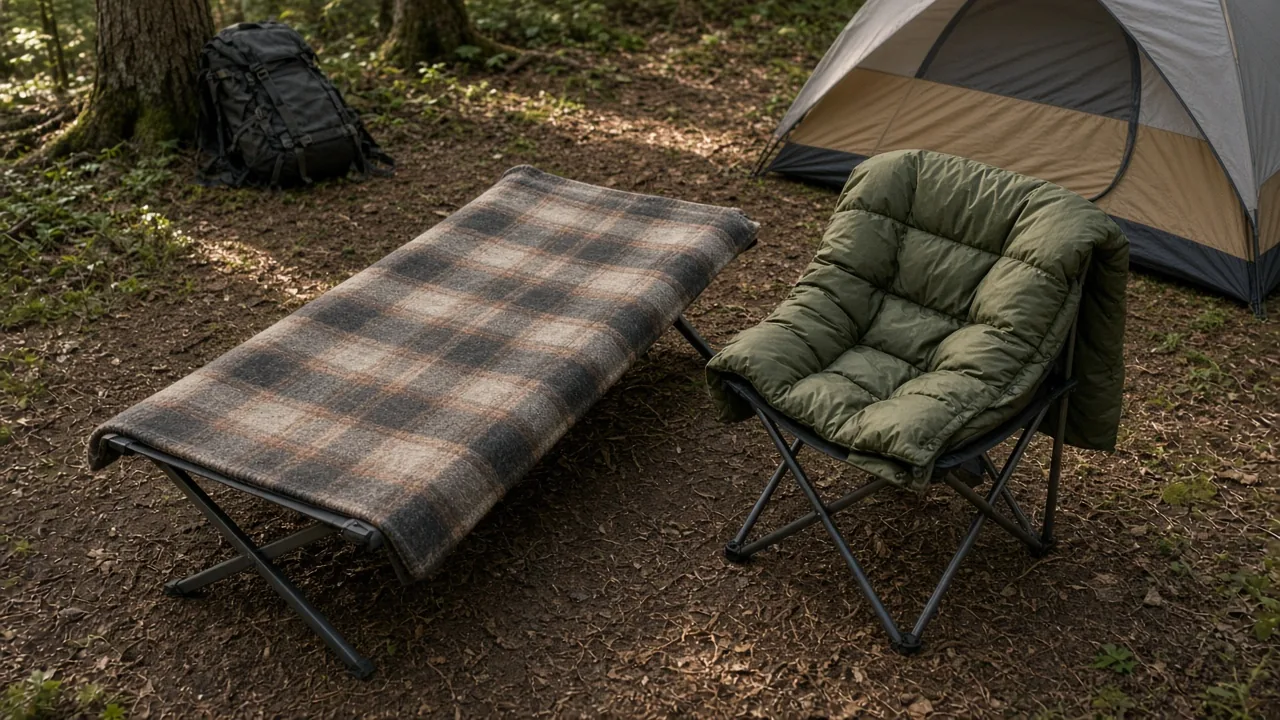
If you’re trying to choose between a wool blanket and a synthetic camping blanket, start with where you’ll sleep and how wet or cold the night may get. Wool blends handle damp cold well and suit car camping near a fire ring. Packable synthetic blankets in the 1–1.5 lb range win for backpacking when weight and packed size matter more. This guide compares wool vs synthetic camping blankets by warmth, weight, durability, comfort, and care so you can match the blanket to the trip instead of buying by brand or look.
1. Warmth: Wool vs Synthetic Camping Blankets in Cold and Wet Conditions
For most campers, warmth is the first filter. Wool and synthetic blankets stay warm through different mechanisms. Wool insulates even when damp. Synthetic insulation can work well in dry cold, but wet-weather performance depends on the shell fabric and the type of fill.
What to look for
Wool blankets in the camping-focused lists often run about 4–4.5 lb. An 80/20 wool-blend blanket like the Arcturus Military Wool Blanket weighs 4.5 lb and measures 64×88 inches. A merino wool blend such as the Acurra Merino Wool Camp Blanket runs close to 4.2 lb and retains heat even when wet. These numbers point to a simple tradeoff: wool gives steady damp-weather warmth at a heavier weight.
Packable synthetic puffer-style blankets weigh much less, typically 1–1.5 lb. They usually combine a 20D nylon shell with down-alternative or synthetic fill. A blanket like the Getine Camping Blanket or KingCamp Ultralight Camping Blanket packs small and can be worn with snaps, but its wet-weather insulation depends on the shell and fill behaving well together.
Where each fits
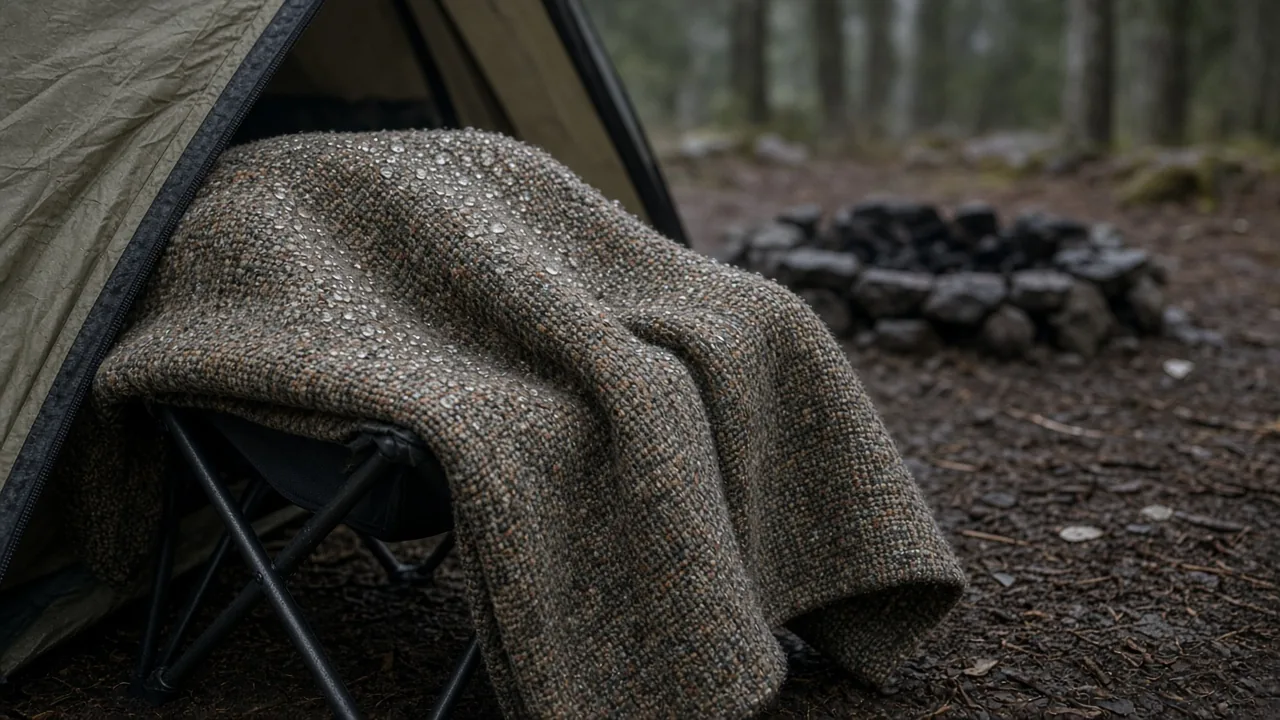
Wool suits cold, damp, or fire-ring car camping. If you expect drizzle, condensation, or cool nights near a campfire, a wool blend is the more confidence-inspiring choice. It keeps working when moisture collects on the surface, and it does not collapse the way some unsealed synthetic fills can when wet.
Synthetic blankets fit dry three-season backpacking better. They save weight and packed volume, which matters more when you’re carrying everything for miles. In dry cold, a puffer-style synthetic blanket with a wind-resistant shell can be plenty warm for sitting around camp or adding a layer on top of a sleeping bag.
Caution
Do not treat any blanket as fireproof. Even wool products described as flame-retardant are not safe to place against open flames or glowing embers. Keep wool and synthetic blankets away from fire rings, candles, and hot stove surfaces. Never use a stove or heater inside your tent because of carbon monoxide and fire risk. Check fire restrictions and camp rules before building any fire, and use established fire rings where they are allowed.
2. Weight and Packed Size for Backpacking vs Car Camping
Once warmth needs are clear, weight and stuff-sack volume decide whether a blanket rides inside a pack or stays in the trunk. For backpacking, total weight matters ounce by ounce. For car camping, a heavier wool blanket is easier to justify if you value steady warmth and don’t have to carry it far.
Backpacking picks
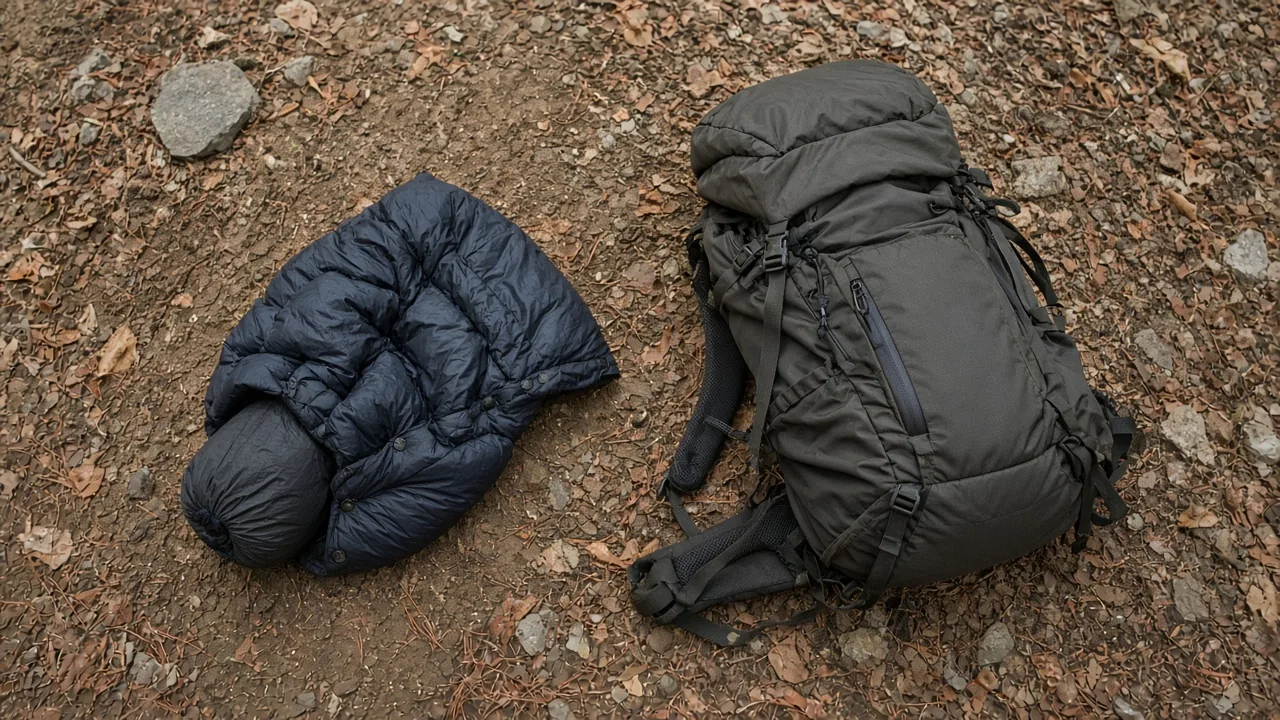
Look for synthetic or down-alternative blankets around 1–1.5 lb with a 20D shell and a small packed size. The KingCamp Ultralight Camping Blanket is reported at about 1 lb and comes with a stuff sack and wearable snaps. The Getine Camping Blanket weighs around 1.5 lb and also packs down small. Wool blankets in that weight range are uncommon. A thick wool blanket at 4 lb or more eats a huge share of a backpacking load, and it usually doesn’t compress enough to make sense inside a pack.
Car camping comfort
In a vehicle-based camp, wool blankets around 4–4.5 lb are manageable. You can toss one over a cot, spread it on a camp chair, or layer it inside a sleeping bag without counting every ounce. An 80/20 wool blanket in the 64×88-inch size gives full-body coverage and consistent warmth. Sherpa-backed synthetic blankets with waterproof bottom layers, like the REDCAMP Camping Blanket at about 3.3 lb, are also reasonable for car camping when wet ground is a bigger concern than pack weight.
Watch out
Some soft fleece blankets feel light in hand but pack bulky because of high-loft pile. Coral fleece and Sherpa materials are comfortable and warm, but they don’t compress the way a 20D puffer shell does. Before assuming all synthetics pack small, check the folded or stuffed size. If storage space in your vehicle or gear bin is tight, a high-loft fleece may take up more room than a heavier but flatter wool blanket.
3. Durability: Campfire Sparks, Snags, and Long-Term Use
Durability differs in two main ways: how a blanket handles campfire sparks and how well it resists snags on rough ground. Wool blends resist campfire sparks better than many synthetics, but ripstop nylon shells improve snag resistance and weather protection for synthetic blankets.
Wool durability
80/20 wool-blend military-style blankets hold up well around fire rings and in heavy use. Products like the Arcturus Military Wool Blanket and the Ever Ready First Aid Camping Blanket are built for rough handling, with bound edges and dense woven faces. The tradeoff is texture. Traditional military wool can feel rough against bare skin, especially before washing or if the blanket uses a scratchier wool grade. Triple-washed versions like the Arcturus Rainier Wool Blanket keep the same 80/20 blend and 4.5 lb weight but soften the surface during production.
Synthetic durability
Ripstop nylon with synthetic fill resists snags and wet conditions, making it a practical rough-use layer for backcountry trips or damp ground. A blanket like the Wise Owl Camping Blanket uses a ripstop nylon shell that shrugs off branches, rocks, and tent-floor wear better than plain fleece. Snaps at the corners or edges let you wrap it around your shoulders, which also keeps it off the dirt when you’re moving around camp.
Care and repair
Check care labels before you buy or clean. Some wool blends are machine washable, while some pure wool needs professional cleaning. Synthetic shells often shed dirt and pet hair easily, which is a real advantage when you’re living outside for a few days. If a synthetic shell gets a small tear, repair tape made for nylon can often patch it in the field. Wool snags can be harder to fix cleanly without specialized stitching.
4. Comfort Next to Skin and Inside a Sleeping System
Next-to-skin feel depends on wool processing and synthetic pile type more than material category. Match texture to how you actually use the blanket: as a top layer over a sleeping bag, as a wrap around your shoulders, or directly against skin on a cot.
Wool comfort
Merino or triple-washed wool blends feel softer than traditional military wool. The Arcturus Rainier blanket is triple-washed and designed to reduce the scratchy feel of standard 80/20 wool. Merino blends like the Acurra Merino Wool Camp Blanket also tend to have a smoother hand and better temperature regulation. Pure woven wool, especially rustic or vintage-style blankets, can still be too rough for direct skin contact. Treat wool as a soft outer layer unless the specific product is marketed as skin-friendly.
Synthetic comfort
Sherpa and coral-fleece synthetics feel plush and warm against skin. They work well as couch-style blankets at camp or as an inner layer on a cot. Puffer-style shells may feel slick, but many include snaps so you can wrap them around your body and keep them in place. A shell-and-fill blanket like the Getine or Wise Owl doesn’t have the fuzzy hand of Sherpa, but it can be more practical when wind or light rain is part of the trip.
Layering tip
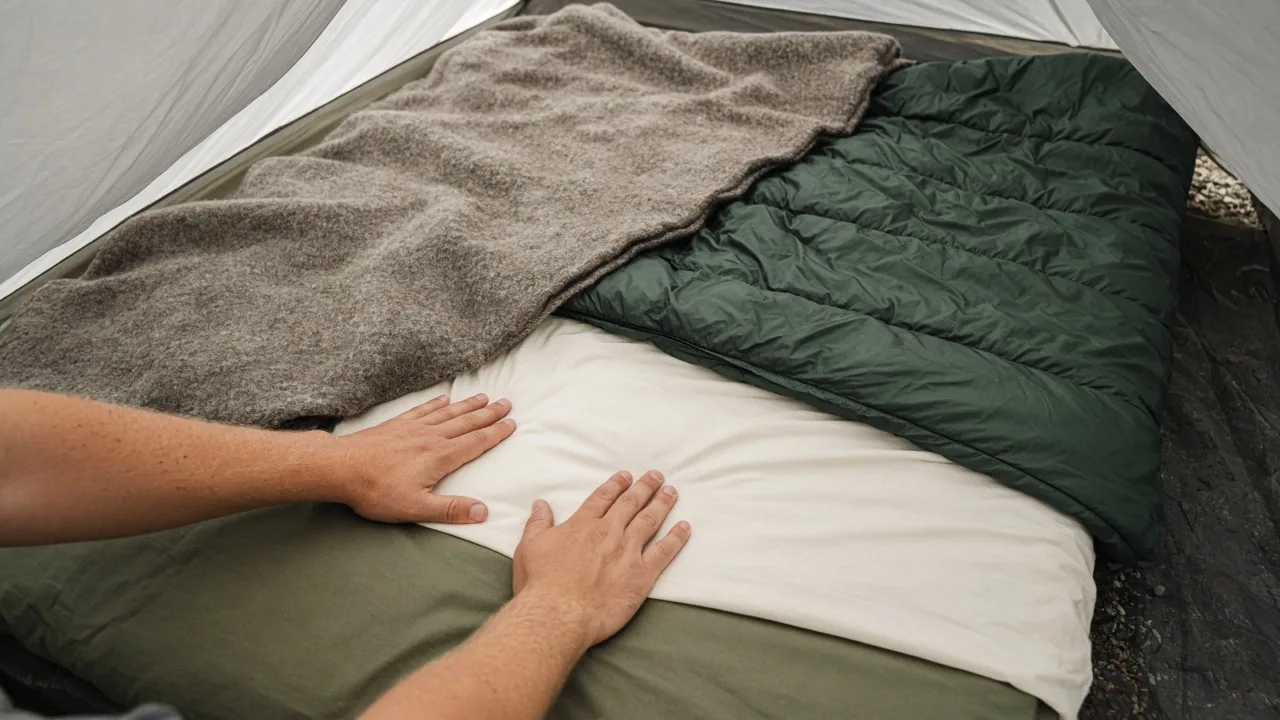
If a wool blanket feels itchy, put a smooth cotton or synthetic sheet between it and your skin. This works especially well when sleeping on a cot or inside a sleeping bag. The sheet blocks the scratchy surface while still allowing the wool to trap heat. You can also reserve the wool blanket for covering the foot of your sleeping bag or as a fire-side wrap over a jacket, where it won’t press against your neck and face.
5. Care and Cleaning: What Fits a Camping Routine
A blanket that’s hard to clean will get left behind after the first dusty or muddy trip. Wool blends on the market may be machine washable, but pure woven wool needs special handling. Most synthetic fleece and shell blankets are machine washable and easier to spot-clean in camp.
Wool care
Check fiber content and label before washing. Some 80/20 wool blankets are machine washable, which makes them much easier for regular camping use. The Arcturus Military Wool Blanket is listed as machine washable, for example. Pure wool reference pieces, including many Pendleton-style woven blankets, should not be machine washed or soaked. Agitation and warm water can shrink or distort pure wool. For those, professional cleaning is the safer route, and you should shake out or spot-clean only between trips.
Synthetic care
Polyester fleece and ripstop shell blankets usually clean easily after dusty or muddy use. Many can go through a regular washing machine on a gentle cycle. Some synthetic shells shed pet hair with a shake or a wipe, which is useful if you camp with a dog. The Covacure Camping Blanket, for example, is described as easy to wipe down and resistant to holding pet hair. Avoid using fabric softeners on synthetic shells because they can reduce water repellency and breathability.
Drying and storage
Dry blankets fully before packing to prevent mildew. This applies to wool and synthetic alike, but high-loft fleece and Sherpa need extra time to dry completely in the middle. Avoid compressing high-loft fleece long term because it can lose loft and take up more room over time. Store wool blankets loosely folded or rolled in a dry place. If you pack a damp blanket into a stuff sack, even for a few hours, air it out as soon as you can and check for musty smells before the next trip.
6. How to Pick: Match Blanket to Trip, Not Brand
Start with trip type and expected weather. Backpacking favors lightweight synthetic blankets. Car camping in cold or damp conditions can justify a heavier wool blend. Brand name and appearance should come after those functional filters.
Camping blankets do not carry the same standardized temperature or R-value ratings as sleeping bags and pads. Use fill type, shell fabric, weight, and water resistance as the main sorting clues instead.
| Blanket style | Typical weight | Water/wet behavior | Best trip type |
|---|---|---|---|
| 80/20 wool blend | 4–4.5 lb | Retains warmth when damp; not a rain shell | Cold damp car camping, fire-ring use |
| Merino wool blend | ~4.2 lb | Retains warmth wet; softer hand | Cold car camping, wider comfort range |
| Synthetic puffer with 20D nylon shell | 1–1.5 lb | Water-resistant or wind-resistant shell; fill varies | Three-season backpacking, dry cold |
| Sherpa fleece with waterproof backing | About 3.3 lb | Waterproof backing handles ground moisture | Car camping, damp or cool ground |
| Microfiber or coral fleece | Ultralight to midweight | Quick-drying but not weatherproof | Summer car camping, RVs, mild nights |
Car camping checklist
For car camping, prioritize size, warmth, and easy packing in a vehicle. A 64–88-inch wool or Sherpa-back blanket can work well for cold nights. The Arcturus Rainier Wool Blanket at 64×88 inches gives wide coverage. The REDCAMP Camping Blanket at 79×59 inches adds a Sherpa face and waterproof backing for damp ground. If you want a blanket that works as a ground layer and a top cover, look for a water-resistant bottom and a soft upper surface. Color choice matters less than warmth, but matching the blanket to your tent or camp chair can make camp feel more put together.
Backpacking checklist
For backpacking, set a weight cap around 1.5 lb and choose a packable synthetic blanket with snaps if you also want wearable insulation. The KingCamp Ultralight comes in at about 1 lb with a 20D shell and stuff sack. The ECi Climb Camping Blanket uses 3M Thinsulate fill for a similar packable profile. A blanket with snaps can serve double duty as a camp wrap, quilt cover, or shoulder layer while you cook or sit. Wool rarely fits this checklist because a 4 lb blanket adds too much strain to a multi-day pack.
Budget and looks
Balance price and appearance only after function. Decorative pure wool can cost far more and require special care. Budget synthetics often handle frequent use better and clean up faster. If you mostly car camp in dry summer weather, an inexpensive microfiber blanket may be all you need. If you camp year-round in wet or cold conditions, the heavier wool investment usually pays off in comfort. Keep the focus on overnight low, rain chance, and pack weight before deciding based on pattern or brand name. A blanket that looks good in photos but can’t be machine washed or worn against skin will spend more time at home than in the tent.
If you’re car camping in cold rain, a 4–4.5 lb wool blend is usually the safer choice. If you’re backpacking below treeline in dry three-season weather, a 1–1.5 lb synthetic puffer blanket with snaps packs smaller and can double as a camp wrap. Before packing, check the overnight low and rain chance, then confirm your sleeping bag rating and sleeping pad R-value to make sure the blanket adds the right layer. Keep any blanket away from open flames, and follow Leave No Trace principles by packing out trash and using established camp areas.
Camp Kit Journal
This article is general information about camping gear, not professional safety, medical, or wilderness training. Check fire restrictions, weather, and campsite rules before you go, and follow the manufacturer's instructions for your own equipment.
FAQ
Are wool or synthetic camping blankets warmer?
Wool insulates even when damp and suits cold, wet, or fire-ring car camping. Synthetic blankets can be warm in dry cold, especially with a wind-resistant shell, but wet performance depends on shell and fill.
What weight should a backpacking camping blanket be?
For backpacking, choose a synthetic blanket around 1–1.5 lb with a 20D shell and small packed size. Wool blankets at 4 lb or more are usually too heavy and bulky.
Can wool camping blankets be machine washed?
Some 80/20 wool blends are machine washable, but pure woven wool may need professional cleaning. Always check the fiber content and care label.
Are camping blankets fireproof?
No, even flame-retardant wool products are not safe against open flames or glowing embers. Keep all blankets away from fire rings, candles, and hot stove surfaces.
Which camping blanket is best for car camping in cold rain?
A 4–4.5 lb wool blend is usually the safer choice for cold, damp car camping because it retains warmth when wet.