How to Keep Ice Longer in a Cooler Camping: 7 Steps
Learn how to keep ice longer in cooler camping with block ice, pre-chilling, separate coolers, and smart packing. Follow 7 practical steps to keep food cold for days.
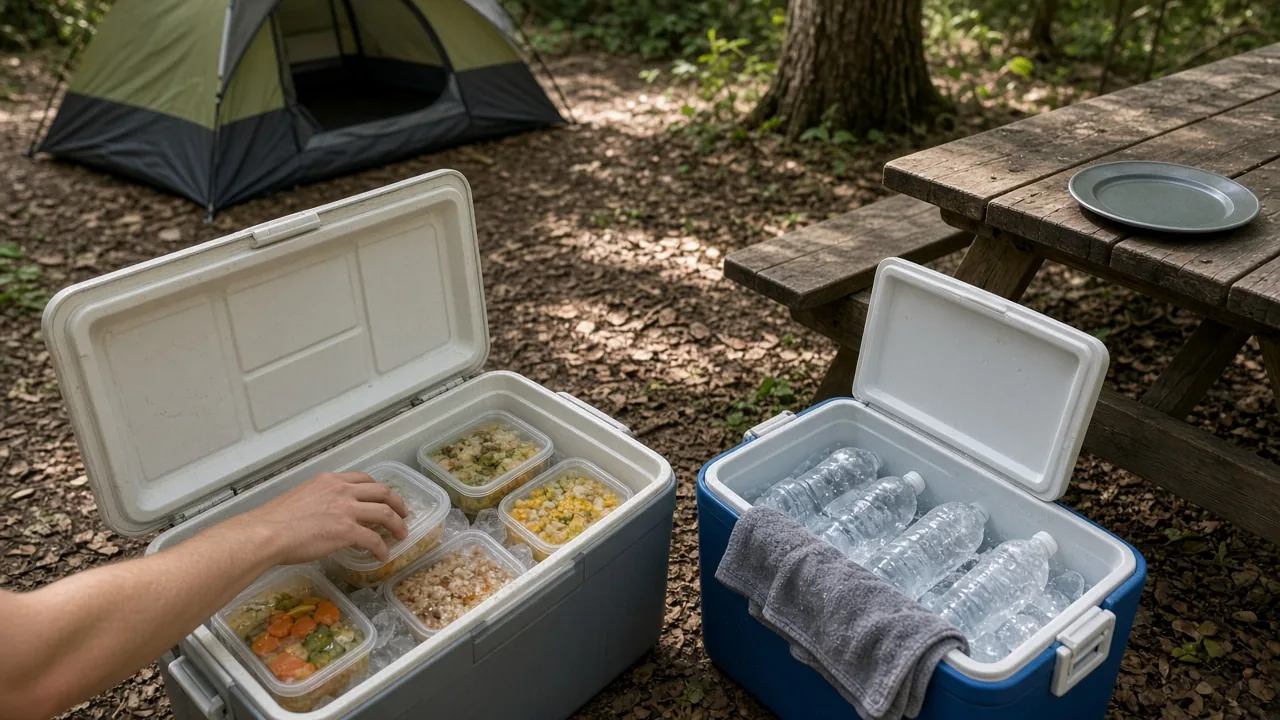
Most cooler failures after day two come from how you load and open the box, not the box itself. If you want to know how to keep ice longer in cooler camping, start with three changes: use block ice instead of cubes, keep meat and drinks in separate coolers, and pre-chill everything before it goes inside. A mid-range cooler packed this way can hold food cold for 24 hours or more in warm weather, and a two-cooler system can stretch several days without another ice run.
Why Your Ice Melts Fast: Load Order and Ice Form
Air gaps, frequent opening, and cubed ice speed up melting more than most campers expect. A cooler that stays cold for days is usually not a premium box; it is a box packed tightly, opened rarely, and loaded with ice in forms that melt slowly.
Block Ice Melts About Three Times Slower Than Cubed Ice
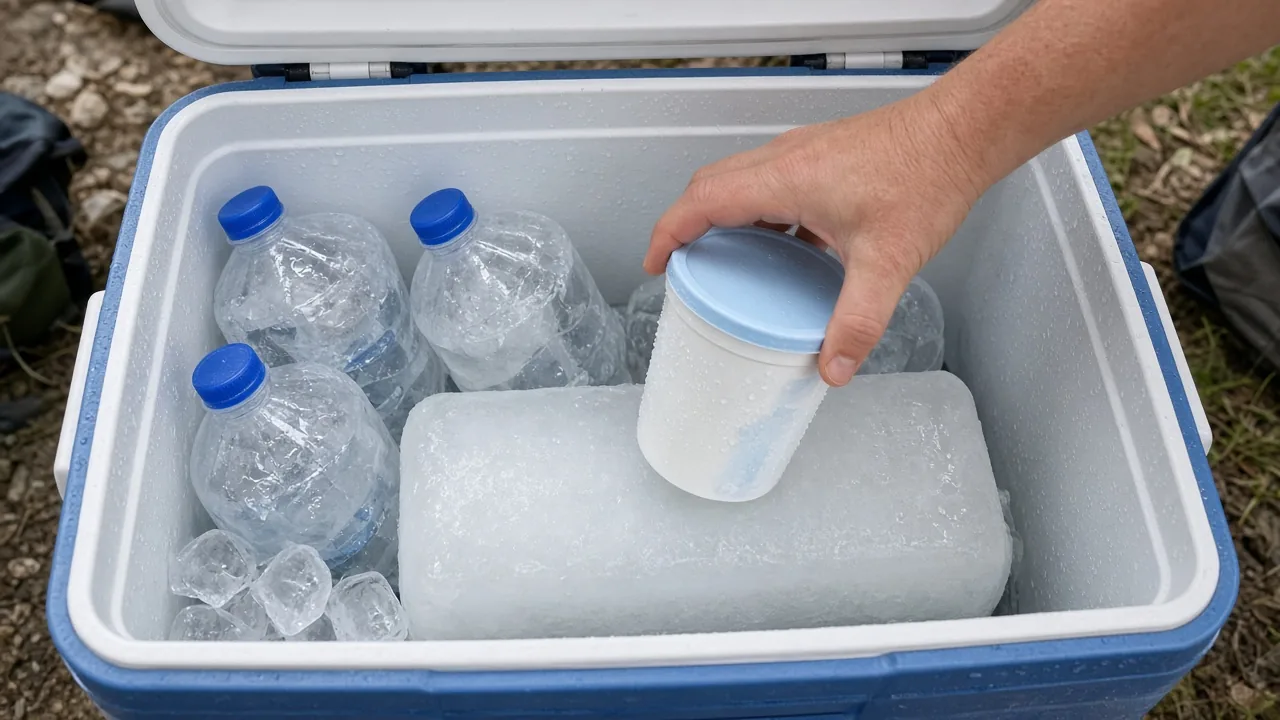
Block ice has less exposed surface area for its volume than a pile of cubes, so it absorbs heat more slowly. That is why it should sit at the bottom of the cooler as the main cold source. Cubed ice chills fast, but it also turns to water fast. For multi-day trips, use blocks as the foundation and add a few cubes only where you need quick surface chilling. Frozen one-gallon jugs and milk-carton blocks work the same way and leave you with drinkable water instead of a pool of melt.
A Full Cooler Keeps Cold Air From Escaping
Every time you open the lid, warm air displaces cold air. A tightly packed cooler has less air to lose and less space for warm air to enter. Tests with a 138-liter polyurethane cooler showed that a filled box stayed cold far longer than a half-empty foam box under the same outdoor conditions. Fill voids with frozen water bottles, extra ice packs, or a folded towel. If you have empty space in a smaller cooler, downsize to a smaller box for that trip.
How to Keep Ice Longer in a Cooler While Camping: Pre-Chill and Zone Pack
Pre-chilling and zone packing cost nothing, but they change the cooler from a warm box that fights your ice to a cold box that supports it. Do both before you leave the driveway.
Pre-Chill the Cooler Before You Load Food
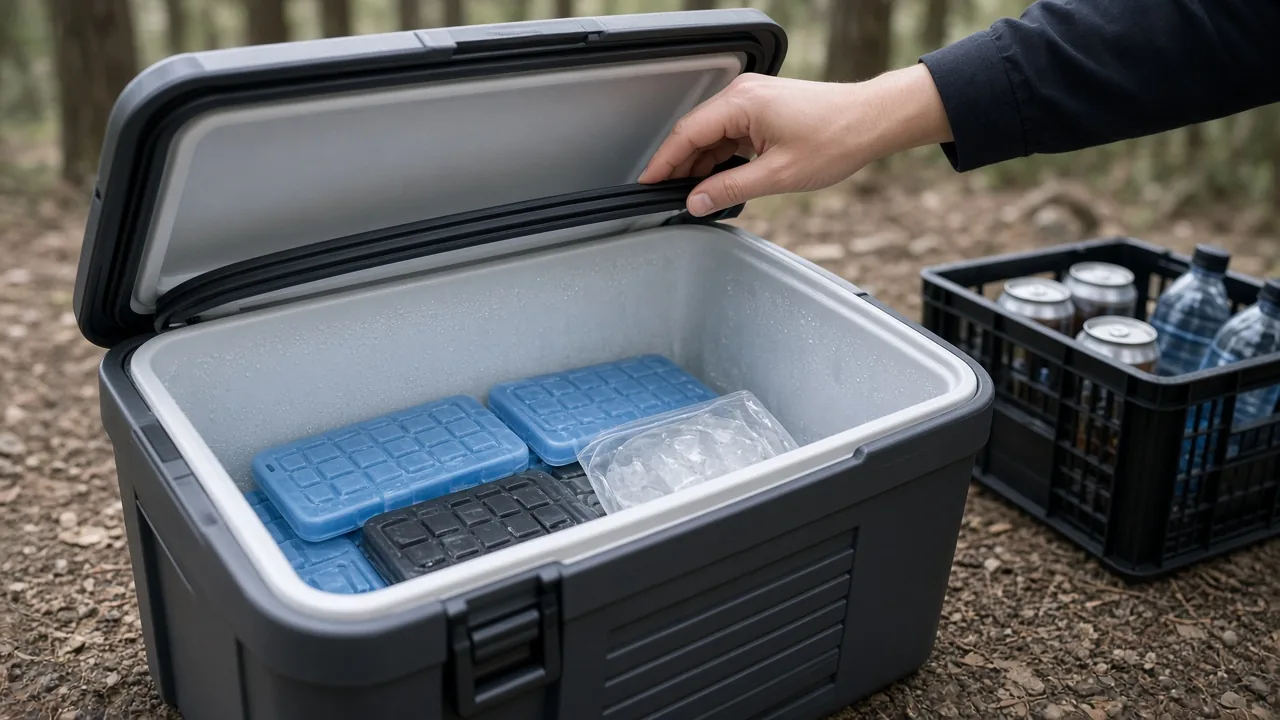
Throw a few ice packs or a bag of loose ice into the empty cooler about an hour before you load it. The insulated walls and lid absorb a lot of heat when the cooler has been sitting in a garage or car. If you skip this step, that stored heat goes straight into your food ice. Pre-chill anything that can be chilled: drinks, sauces, butter, fruit, and cooked meals all go in the refrigerator or freezer before packing.
Zone the Food Box Like a Refrigerator
Load the food cooler from the bottom up: block ice first, then the items that need to stay coldest, then less sensitive items on top. Dairy, raw ingredients, and meals for late in the trip sit closest to the bottom block. Cheese, sauces, and items you will use first day sit higher. This arrangement lets you grab what you need without digging, so the lid stays open only a few seconds instead of a minute of searching.
Use Separate Coolers for Meat, Drinks, and Everyday Access
One cooler cannot do everything without being opened too often and creating cross-contamination risk. A three-part setup separates raw meat from ready-to-eat food and keeps drinks from warming the main food box.
Build a Dedicated Meat Cooler
Raw meat belongs in its own small cooler, not mixed into the food box. Double-bag raw meat in sealed plastic bags and set it directly on a full-width block of ice. Freeze everything except the first night's portion before packing. Move frozen items up to thaw by meal sequence: fish and poultry first, ground meat next, steak or ribs last. This keeps the meat at a safe temperature until the day you plan to cook it, and it prevents meat juices from contaminating anything else.
Handle Drinks Without Opening the Food Box
Every drink run opens the lid and lets warm air in. Keep bottles in the shade, in a river bag, or in a separate pure-ice cooler that holds nothing but ice for drinks. If you want cold drinks without opening the food box, a dedicated drink cooler is the practical compromise. In dry, sunny conditions, a damp towel over that box adds evaporative cooling.
Cheap Ice Sources That Cut Meltwater and Camp Store Costs
Loose ice from the camp store is expensive and becomes a puddle inside your food box. Frozen containers solve both problems and can be refrozen at home for the next trip.
Freeze Water Bottles and Jugs as Reusable Block Ice
Freeze one-gallon jugs with about a cup of water poured out first to leave headspace. Square or rectangular bottles stack better than round ones, and when they melt you have clean drinking water. Milk cartons also work well and can last multiple days. Soft white Nalgene bottles have held ice and cold water through seven-day river trips according to one reader's experience. These containers replace loose ice entirely for many car camping setups.
Vacuum-Seal Ice Bags or Run a Countertop Ice Maker
Vacuum-sealed bags of ice keep meltwater contained and can be refrozen when you get home. If your campsite has power, a countertop ice maker under $100 can produce about 24 pounds of ice per day and starts making ice in roughly six minutes. That is a practical option for car campers who camp often and want to stop buying camp-store ice altogether.
Placement and Shade: Stop Heat From the Ground and Sun
Where you put the cooler matters as much as what you put in it. Ground heat and direct sun are two heat sources that work against you all day.
Insulate Under the Cooler in a Hot Vehicle
On a paved road, the vehicle floor absorbs heat from the asphalt and transfers it to anything sitting on it. A foil-faced foam board or a layer of cardboard under the cooler blocks much of that heat. Cut the board slightly larger than the cooler's footprint and tape the edges to prevent crumbling. This is especially useful on long highway drives before you reach camp.
Use Shade, Airflow, and a Damp Towel
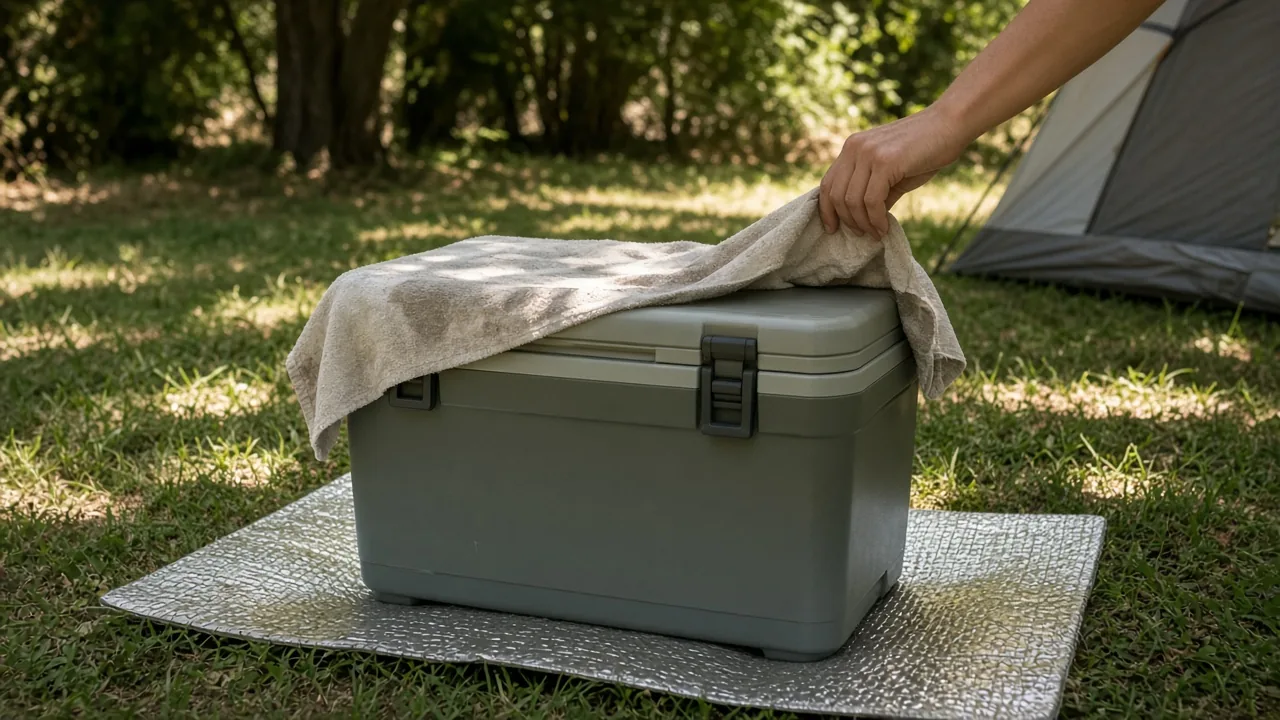
Park in shade or set the cooler under a tree with airflow around it. A damp towel over the lid provides evaporative cooling in dry, sunny weather and can extend ice life through the hottest part of the day. In humid conditions the towel helps less, but shade still matters.
How Long Can You Expect Ice to Last in a Mid-Range Cooler?
Marketing numbers can oversell a cooler, but a realistic benchmark helps you plan ice resupply and meal timing.
24-Hour Benchmark From a Low-Cost Cooler Test
In an outdoor test at about 77°F, a filled 138-liter polyurethane cooler held an internal temperature of 34–36°F at 11 hours and 55–57°F at 24 hours. A foam box under the same conditions was near outdoor temperature by then. The lesson is not that cheap coolers are bad. The lesson is that a filled, low-cost cooler can handle a 24-hour food-storage window, but you should plan daily ice management for longer trips. Manufacturer claims of 48 hours assume ideal loading, minimal opening, and moderate weather.
When a Premium Cooler or 12V Fridge Is Worth It
For car camping trips under three days, a filled cooler with block ice and separate boxes for meat and drinks is enough. A premium EPP cooler or a 12V fridge makes sense if you camp longer, need precise temperature control, or camp in sustained heat. For first-time overnighters and weekend campers, the money is better spent on block ice and a second small cooler.
Common Cooler Problems and Quick Fixes
Most cooler complaints trace back to three problems: meltwater, leaks, and heat from below.
Water Pooling in the Food Box
Loose cubes melt into water that soaks food and speeds warming. Use frozen water bottles, vacuum-sealed ice bags, or milk-carton blocks instead. If you must use loose cubes, put a small plastic tray under items that need to stay dry.
Meat Packages Leak or Thaw Too Early
Double-seal raw meat and place it in a hard plastic shoe box inside the meat cooler. The box catches leaks and keeps packages pressed against the block ice until you are ready to cook. This also makes it easier to pull one meal out without disturbing the rest.
Camp Stove Safety Reminder
When you cook, never use a stove or heater inside your tent. Carbon monoxide builds up quickly in an enclosed space, and any open flame near tent fabric is a fire risk. Set up the stove outside, away from the tent and away from coolers that might block your work area.
Worth Bringing: Match the Cooler Setup to Your Trip
A separate meat cooler, drink-only ice, and reusable frozen bottles are worth the extra packing for multi-day car camping. For a single overnight, they are overkill; a single cooler with block ice and pre-chilled food will do. For backpacking, none of this applies because weight and pack size matter more than ice retention.
Before you pack, check whether the trip is car camping or backpacking, roughly how cold the nights get, and whether rain is likely. That tells you whether the extra weight of a two-cooler system is worth it, or whether a single well-packed cooler with frozen bottles will cover the trip.
Camp Kit Journal Editorial Team
This article is general information about camping gear, not professional safety, medical, or wilderness training. Check fire restrictions, weather, and campsite rules before you go, and follow the manufacturer's instructions for your own equipment.
FAQ
How can I keep ice longer in my cooler while camping?
Use block ice instead of cubes, pre-chill the cooler and food, keep the cooler full, and use separate coolers for drinks and meat to reduce opening the food box.
Does block ice last longer than cubed ice?
Yes, block ice melts about three times slower than cubed ice because it has less exposed surface area for its volume. Use blocks as the main cold source at the bottom.
Should I use separate coolers for meat and drinks?
Yes, a dedicated meat cooler reduces contamination risk and keeps the main food box colder. A separate drink cooler or pure-ice box prevents frequent lid opening.
How long can ice last in a mid-range cooler?
In a test at about 77°F, a filled 138-liter polyurethane cooler held 34–36°F at 11 hours and 55–57°F at 24 hours. Plan daily ice management for longer trips.
What are cheap ice sources for camping?
Freeze one-gallon jugs, milk cartons, or water bottles as reusable block ice. Vacuum-sealed ice bags or a countertop ice maker can also reduce meltwater and camp store costs.