What to Add to a Backpacking First Aid Kit: Lightweight Extras
Upgrade a basic backpacking first aid kit by repackaging the container, adding wound-closure and hygiene items, and treating medications as a personal checklist for lighter, more capable trail care.
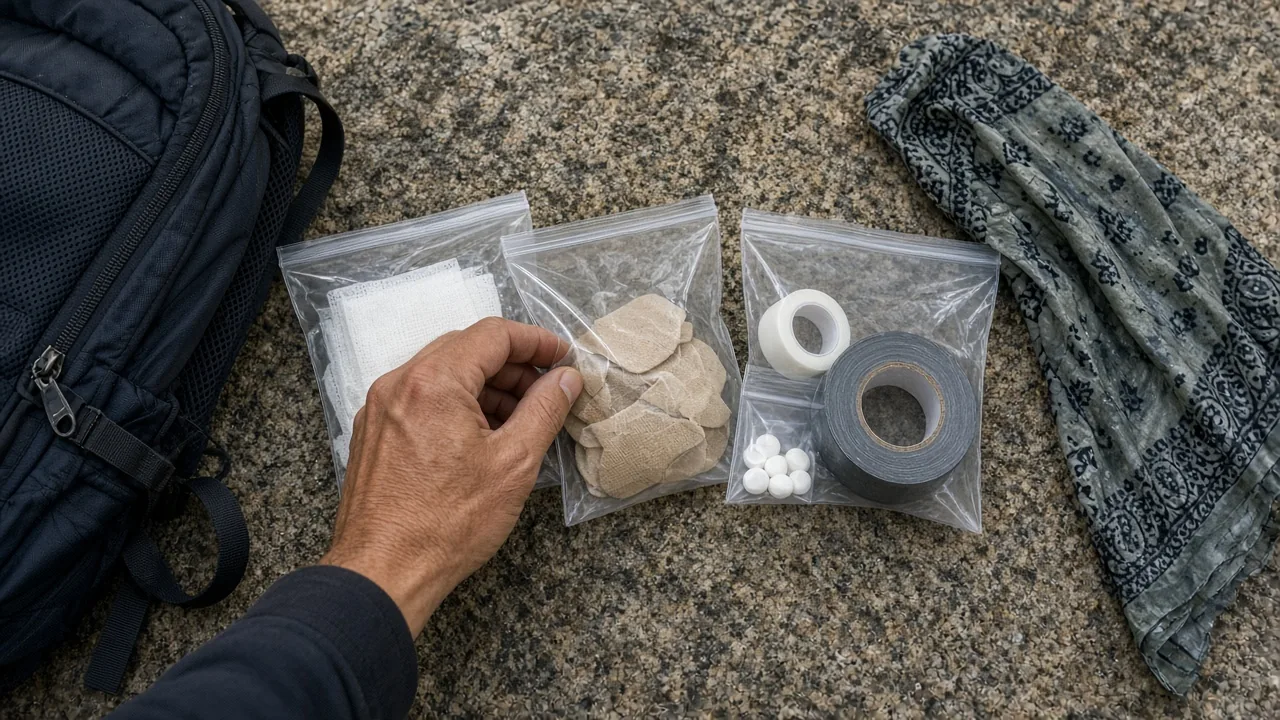
When deciding what to add to a backpacking first aid kit, remember that a basic kit is worth upgrading only if you repackage it, add wound-closure and hygiene items, and treat medications as a personal checklist, not a complete medical kit. The goal isn’t a bigger bag. The goal is a kit that weighs less, packs smaller, and actually handles the cuts, blisters, allergic reactions, and stomach trouble you’re most likely to meet on trail.
What to Add to a Backpacking First Aid Kit: Container and Weight First
Start by repacking a pre-filled kit into a zipper bag. A common 23-piece kit weighs 1.1 ounces with its plastic box, and the box alone accounts for 0.4 ounces of that. That's dead weight for a container that doesn't seal as well as a simple plastic bag.
Why the Plastic Box Is the First Thing to Cut
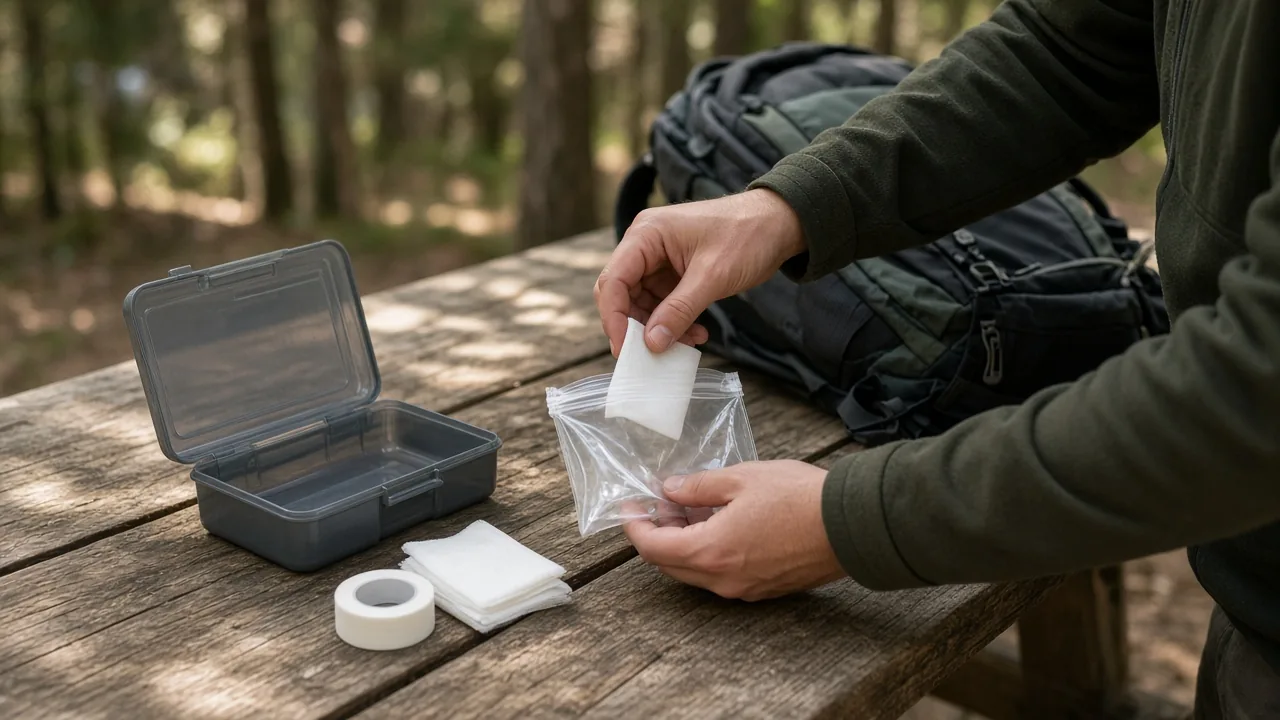
A sealed plastic bag weighs nearly nothing, keeps contents dry, and lets you see what you actually have before a trip. You can also squeeze the air out so it takes up less pack room. A hard plastic case may feel durable, but it adds bulk and often fails to stay closed when crushed against other gear. For backpacking, the bag wins every time.
How to Organize for Quick Access
Group wound care, medications, and repair items into separate small bags or labeled sections. That way you can grab what you need without dumping the entire kit on a dusty rock or tent floor. Use three mini bags inside the main zipper bag: one for wound care, one for meds, and one for repair and closure items. Label meds with size and instructions, especially if another hiker might need to open your kit.
Lightweight Wound Care and Blister Prevention Extras
Add sterile gauze, two sizes of closure strips, a small roll of surgical tape, extra moleskin, and wide sport tape. These cover deeper cuts, large abrasions, and blister hotspots better than the tiny bandages that come in most stock kits.
Gauze, Tape, and Closure Options
A sterile 2x3-inch gauze pad handles bigger scrapes that small adhesive bandages can't cover. Pair it with closure strips or small safety pins to hold the pad in place. A small roll of surgical tape also works as a multi-purpose wrap. For splits and deeper cuts far from help, some hikers carry a tiny tube of super glue as a supplementary closure. Keep it sealed and understand that it's a backup, not a substitute for proper wound closure and medical care.
Blister Prevention and Foot Care
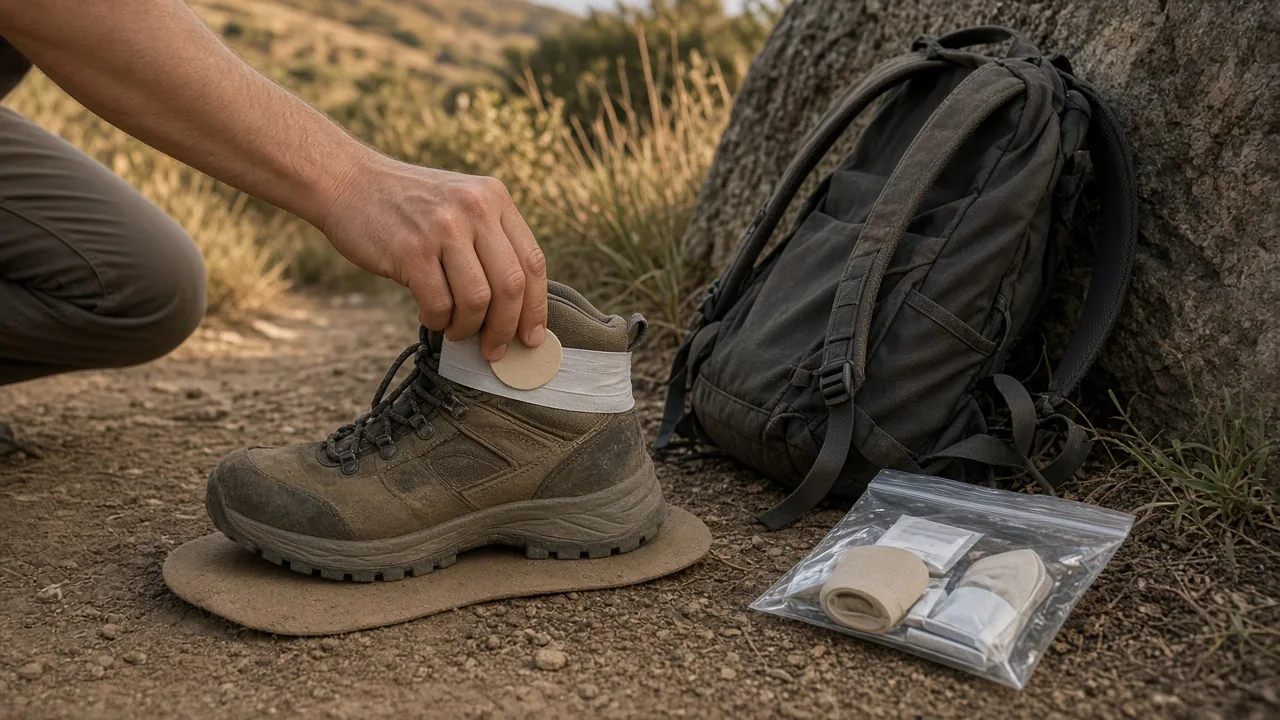
Wide sport tape applied before hiking, plus extra moleskin for hotspots, is lighter and more practical than carrying more bandages for foot problems. The tape goes on pressure points before a hike starts. Moleskin goes on hotspots as soon as you feel them. Together they prevent the kind of blisters that turn a two-day trip into a limping finish.
Meds to Add and What to Leave at Home
Build a small medication list around pain/fever, allergy, stomach, and wound ointment. Check labels for overlapping ingredients before packing. Too many duplicates add weight and risk without adding coverage.
Pain, Fever, Allergy, and Stomach Categories
Pick one or two pain/fever options, an antihistamine such as diphenhydramine, and a separate anti-diarrheal. Duplicates with the same active ingredient are a common mistake. For example, some cold medicines already contain acetaminophen, so pairing them with a separate acetaminophen tablet can lead to an accidental double dose. Read labels and treat each medication as a specific tool, not a general "I might need it" item.
Antiseptic, Antibiotic Ointment, and Infection Control
Single-use triple antibiotic ointment packets and antiseptic wipes support wound care. Hand sanitizer helps, but only if you use enough and let it dry before touching a wound. A quick dab doesn't do the job. The infection risk after a scrape or cut is real, so cleaning the wound matters more than having six kinds of bandages.
Multi-Use Items That Replace Single-Use First Aid Gear
Use your normal backpacking gear for cold and heat treatment, wound pressure, repair, and signaling before adding single-purpose first aid items. This is where you save real weight without losing capability.
Cold, Heat, and Bleeding Control Without Dedicated Packs
A wet bandana works as a cold compress, and a cook pot can serve as a warm compress. You don't need separate cold or heat packs. For bleeding, clean clothing or a large zipper bag can press against a wound until you get proper treatment. Never use a stove or heater inside your tent, and follow the manufacturer's instructions for any fuel appliance.
Repair, Note, and Signal Items Already in Your Pack
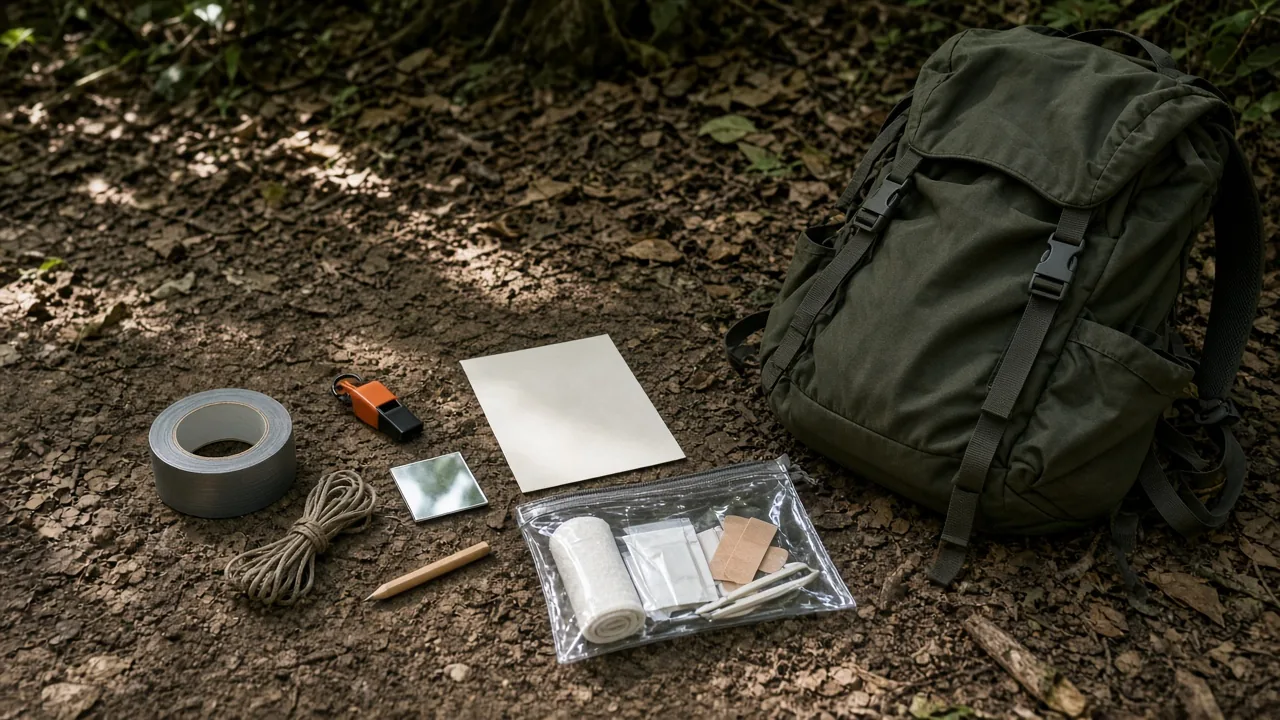
Duct tape, dental floss, spare cord, a signal mirror, whistle, paper, and pencil all support repair and evacuation. Duct tape can secure a splint, patch gear, or hold a dressing. A whistle and mirror can signal for help. Paper and pencil let you leave a note with your route or condition if you need to change plans.
Who Should Upgrade This Way and Who Should Skip Some Extras
Ultralight backpackers benefit most from gram-level cuts. Car campers can keep a larger stock kit because pack weight and space matter less when the vehicle carries the load.
Backpacking vs Car Camping Trade-offs
For backpacking, repackage and carry only wound care and meds you know how to use. If you don't know when to use a closure strip or how to dose a medication, leave it behind or learn first. For car camping, a stock first aid kit in its original box is acceptable if space isn't tight. You can carry a wider range of items without paying the weight penalty.
Personal and Group Needs
Add items based on who is hiking. Glasses repair for eyewear users, children's dosage options when relevant, and medications a trip partner already relies on all make sense. Skip extras you cannot use. A CPR mask without training, or a prescription ointment you don't need, adds weight and false confidence.
How to Store, Check, and Maintain an Upgraded Kit
Recheck expiration dates, inspect for crushed tubes or torn packaging before each trip, and repackage liquids so they cannot leak into wound care items. A leaking antibiotic tube can ruin gauze and tape.
Repackage and Mark Supplies
Use small zipper bags and label medications with name and dose instructions. This matters even for a solo kit. If someone else in the group needs to access your kit, clear labels save time and prevent dosing errors.
Seasonal and Trip-Specific Checks
Before each trip, check the weather and trip type, then add or remove items. Extra blister care helps on wet trails. An antihistamine matters during pollen season. A cold, rainy trip may call for more foot care, while a dry summer overnight may not need it.
Before you pack, decide based on car camping vs backpacking, expected night temperatures, and rain. Then carry only the wound care, meds, and repair items you will actually use. Check the forecast, follow fire restrictions where they apply, and match the kit to the trip instead of carrying the same bag every time.
This article is general information about camping gear, not professional safety, medical, or wilderness training. Check fire restrictions, weather, and campsite rules before you go, and follow the manufacturer's instructions for your own equipment.
FAQ
What should I add to a basic backpacking first aid kit?
Add sterile gauze, closure strips, surgical tape, moleskin, wide sport tape, single-use antibiotic ointment, antiseptic wipes, and personal meds for pain, allergy, and stomach trouble.
How do I keep a backpacking first aid kit lightweight?
Repackage supplies into zipper bags instead of hard plastic cases, group items by use, and carry only wound care and medications you know how to use.
What medications should I pack in a backpacking first aid kit?
Pack one or two pain/fever options, an antihistamine like diphenhydramine, an anti-diarrheal, and single-use antibiotic ointment packets, checking labels to avoid duplicate ingredients.
Can I use multi-use gear instead of first aid items?
Yes, use a wet bandana as a cold compress, a cook pot for a warm compress, clean clothing for bleeding control, and duct tape or cord for splints and repairs.
Should I carry the same first aid kit for car camping and backpacking?
No, backpackers should repackage and carry only essential wound care and meds, while car campers can keep a larger stock kit because weight and space matter less.