Titanium vs Stainless Steel Water Bottle for Camping: Backpack?
Titanium bottles save weight and can boil water over a flame, while single-wall stainless steel offers even heating and lower cost. Choose based on your camping style and cooking needs.
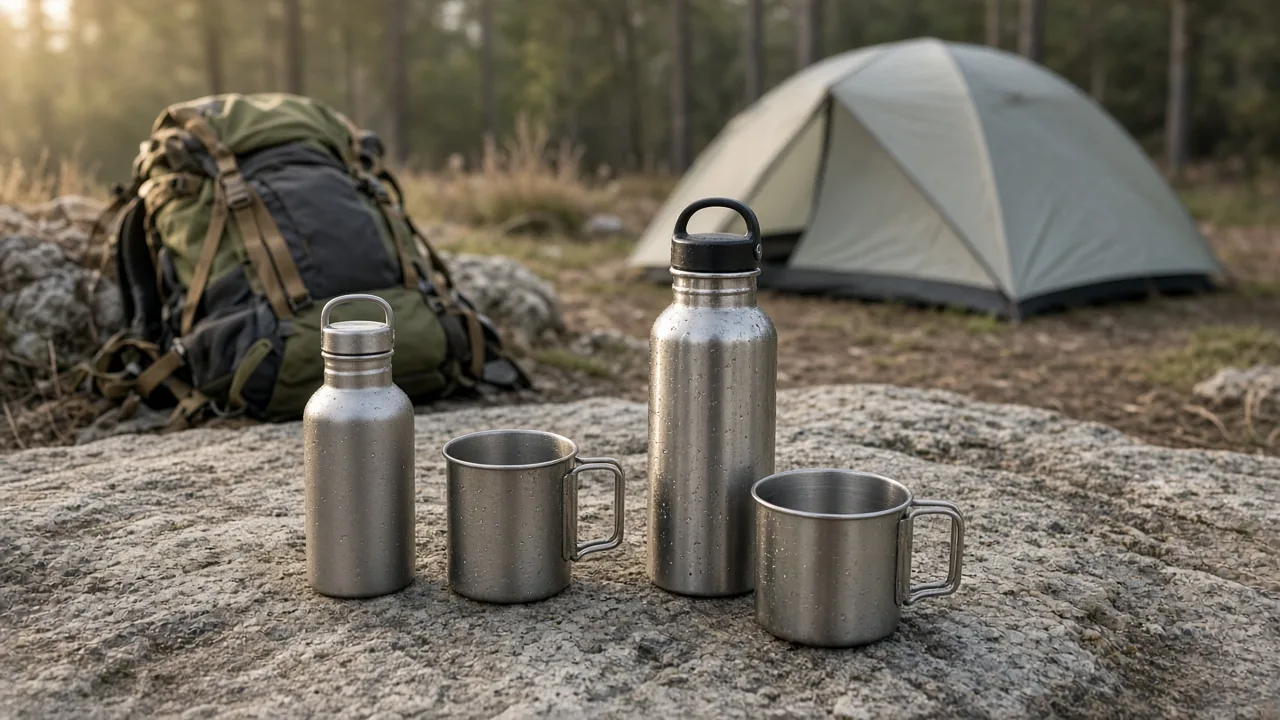
If you mostly backpack, choose a single-wall titanium bottle for weight savings and direct-fire boiling. If you car camp and cook, choose single-wall stainless steel for durability, even heating, and lower cost. That short answer covers most trips, but the titanium vs stainless steel water bottle for camping decision gets more specific once you look at heat behavior, lids, cleaning, and how the bottle travels. The choice is less about which metal is “better” and more about which tradeoffs match your trip.
Titanium vs Stainless Steel Water Bottle for Camping: Which Fits Your Trip?
Titanium and stainless steel both make sense at camp, but they solve different problems. Titanium earns its place when weight and fire-ready boiling matter most. Stainless earns its place when even heat, ruggedness, and lower cost matter more. Wall design matters as much as the metal itself, so pair the material with the right bottle construction.
How much weight does a titanium bottle save?
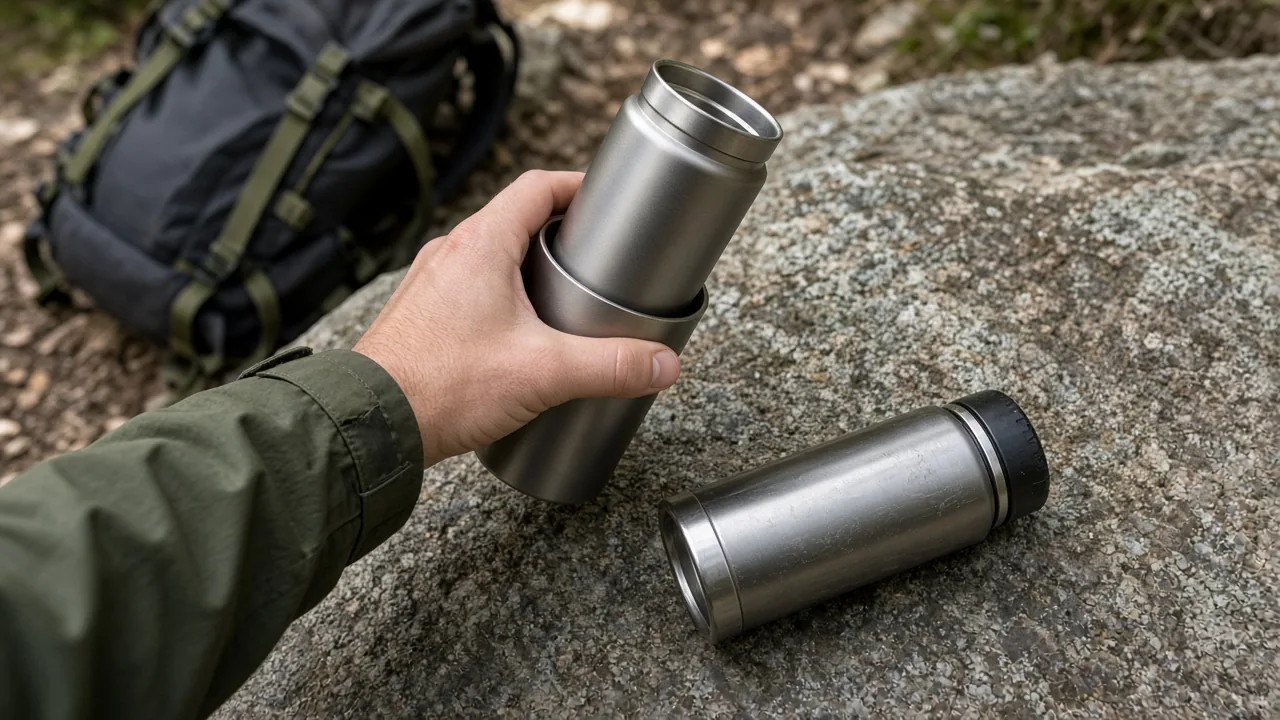
A Keith titanium bottle-plus-cup kit weighs about 10.6 oz with a 1.1 L bottle and 0.7 L cup. A comparable Pathfinder stainless bottle and cup adds roughly 11.5 oz more, with the stainless bottle alone weighing about 11.6 oz compared with about 5.6 oz for the titanium bottle. The cups show a similar gap: roughly 4.8 oz for titanium versus about 10.5 oz for stainless.
That difference shows up on every mile. For a weekend route with climbs, an extra 11.5 oz may feel small at the trailhead and large by the last few miles. The savings come mostly from the metal density and thin single-wall construction, not from a smaller capacity.
Which metal heats more evenly for camp cooking?
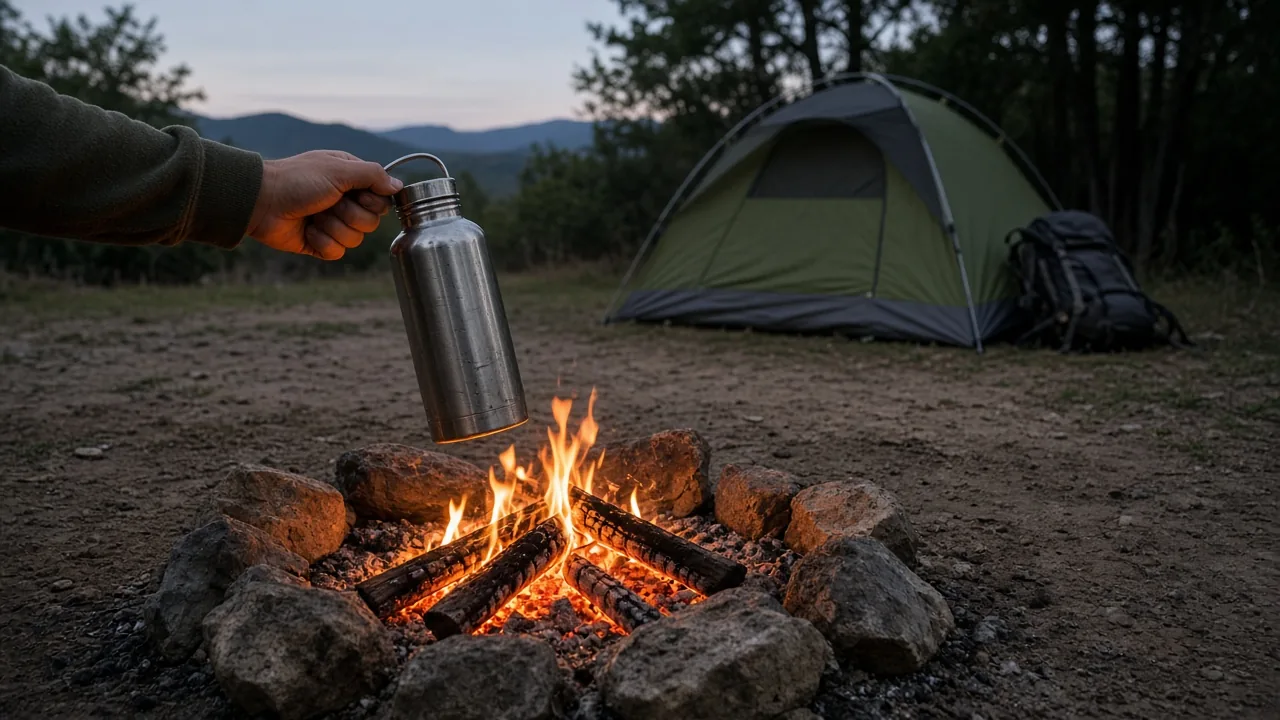
Stainless steel spreads heat more evenly with fewer hot spots, so it suits cooking. If you are melting snow, simmering a simple meal, or using the bottle as a kettle, stainless gives more predictable results. Titanium can boil water directly over flame but may heat unevenly, which makes scorching easier if you cook anything thicker than water.
For pure boiling, titanium is fine. For camp cooking where you want steady, moderate heat across the bottom, single-wall stainless is the safer choice. That difference matters more with meals than with coffee water.
How much does titanium cost compared with stainless steel?
Titanium bottle-and-cook kits can cost several times more than stainless equivalents. In one comparison, a Pathfinder stainless setup was about a third the price of a Keith titanium setup. The upgrade only makes sense when saving roughly 11.5 oz is worth that jump in cost.
Think of it like an ultralight tent or sleep system. People often pay more for smaller weight reductions as their pack gets lighter. If your kit is already trimmed, titanium becomes one more targeted upgrade. If you are still replacing a heavy tent or pad, stainless leaves more room in the budget.
Do titanium bottles have taste or purity problems?
Some users report an industrial odor in new titanium bottles and worry about alloy purity. The concern is less about a health claim and more about a metallic or oily smell that lingers after the bottle sits sealed. Wash, boil, and air out a new bottle before you rely on it.
Not every titanium bottle behaves the same way. Some brands may air out quickly after cleaning; others can keep a noticeable smell. If taste sensitivity is a concern, stainless tends to be more neutral, though any sealed bottle can trap odor when stored wet or closed.
When Is a Stainless Steel Bottle the Better Camp Choice?
For car camping and most camp cooking, stainless steel usually wins. Extra durability, even heating, and lower cost matter more than a few saved ounces when the vehicle carries the weight. A stainless bottle is also easier to replace if it takes a hard hit.
Is stainless steel easier to cook with at camp?
Its more even heat transfer helps avoid scorching, which makes single-wall stainless a better choice when you use the bottle as a pot or kettle. With a wider base or a clamp-style handle, stainless tolerates open-flame use without the hot-spot behavior that can make titanium frustrating.
If your camp meal plan is limited to boiling water, this advantage is modest. If you will simmer a soup or heat a lightweight camp meal directly in the bottle, stainless gives you more control.
Does stainless hold up better to drops and daily use?
A heavier stainless bottle tolerates rough handling and is less painful to replace or repair. That suits base-camp and car-camping use, where the bottle may live in a truck bed, rest near a fire ring, or get knocked off a table. Thin titanium is strong for its weight, but it can dent under a sharp impact.
For backpacking, that vulnerability is part of the tradeoff. For car camping, there is little reason to accept it. Stainless also shrugs off hot lids, gritty hands, and repeated washing better than a bottle you are trying to keep ultralight.
When should you choose an insulated bottle instead?
If you want ice to survive 24 hours or coffee to stay warm near 12 hours, choose a double-wall insulated bottle. In one controlled comparison, Coldest and HydroFlask both kept some ice for 24 hours while Yeti did not. In a hot coffee test, Coldest again ranked first after about 12 hours, with the temperature dropping from roughly 147°F to about 113°F.
Insulated bottles are for drinking comfort, not cooking. Double-wall construction must not go over a stove or fire. They also add weight and bulk, which makes them more realistic for car camping, day hikes, or short backpacking trips where a warm drink matters more than every ounce.
When Does a Titanium Bottle Make Sense for Backpacking?
Titanium has a clear role for backpacking when you count ounces and want one bottle that can go from pack to stove. The advantage is not just the lower weight; it is also the ability to boil water without a separate cook pot.
Is the 11.5 oz weight savings worth the higher price?
Backpackers who replace a stainless bottle-and-cup setup with titanium can carry about 11.5 oz less, but that benefit costs a large price premium. For a long-distance hiking kit, that saving is comparable to switching to an ultralight stove or trimming your sleep pad.
The value depends on the rest of your pack. If you already carry a light shelter and sleep system and are looking for the next cut, titanium makes sense. If you are just starting to lighten up, stainless or aluminum may deliver more practical savings per dollar.
Can you boil water over a fire in a titanium bottle?
Single-wall titanium can be placed over flame with a clamp or pot grip. The method is the same as heating a stainless bottle: use a fish-spreader clamp or similar tool to hold the bottle safely, and verify the lid O-ring and carry loop before you buy for actual trail use.
Not every titanium bottle is ready for fire duty. A lid with an O-ring seals well but should not be heated. The carry loop matters too: a D-ring or side handle lets you clip the bottle to a pack or lift it with a pot grip without burning yourself.
How do you remove new titanium bottle odors?
Wash with dish soap, boil water, air it out, and try a baking-soda soak. A practical order looks like this: warm soapy wash, fill with water and bring to a boil, empty, then leave the bottle open in moving air. If the odor persists, soak with a baking-soda and water mix, then rinse.
Even then, some bottles may keep an odor. A reader who tried this routine on titanium bottles from several brands found that most aired out, but one brand still carried a noticeable smell after cleaning. The smell does not mean the bottle is unsafe, but it can affect taste.
What Campers Get Wrong About Titanium vs Stainless Bottles
Many titanium vs stainless mistakes come from comparing metal alone rather than wall design, lid seal, and intended cooking use. A single-wall stainless bottle and a double-wall insulated bottle are very different tools, even though both are “stainless steel.”
Can every stainless steel water bottle go over a flame?
No. Double-wall insulated stainless bottles must not be heated over a stove or fire. Only single-wall, unlined bottles are suitable for direct-flame cooking. The vacuum layer in an insulated bottle can trap heat and create dangerous pressure, and the exterior coating or finish may break down.
Check the bottle construction before you use it as a pot. If the bottle has two walls, keep it away from flame. If it is one continuous wall with no liner, you can use it for boiling or cooking with the right grip and fire safety.
Do lids and carry points matter as much as the metal?
Yes. An O-ring lid and a D-ring or side handle affect leak resistance and how easily you attach the bottle to a pack. A bottle with a tight, simple lid rides more confidently in a pack pocket. A carry loop gives you a place to clip a carabiner or attach a pot grip.
The metal gets the headline, but the lid is what you live with every day. A poorly sealed titanium bottle is worse than a heavier stainless bottle that stays closed. Carry points also determine whether the bottle works with your cook system and your pack.
Is lighter always the better choice?
Lighter titanium may scorch food, hold odors, and cost much more. Choose it when those tradeoffs match your trip, not as an automatic upgrade. For a camp cook who wants steady heat and easy cleanup, stainless is often the smarter tool.
Weight is only one variable. If a few ounces saved makes the bottle harder to cook with or leaves a taste issue in your coffee, the total experience may be worse. Match the metal to the trip, not to a spec sheet.
How to Choose, Use, and Store a Camp Water Bottle Safely
Match the bottle to trip type, weather, fire rules, and cooking plan, then clean and store it so it lasts. A bottle that works for a summer backpack may be wrong for a winter car-camping kitchen, and the opposite is also true.
How do you choose by car camping vs backpacking and weather?
Check the weather forecast and fire restrictions before you go. Backpacking favors fire-ready titanium; car camping favors stainless capacity for cold nights and easier cooking. If fire bans are likely, a bottle that only works over a campfire becomes dead weight, while an insulated bottle or a separate stove remains useful.
In cold weather, warm drinks and unfrozen water matter more. An insulated stainless bottle holds heat, but it cannot go over a fire. In wet or freezing conditions, a single-wall bottle may freeze at the threads more easily, so a wide mouth and careful lid check matter more.
What are the safe ways to heat a bottle at camp?
Never use a stove or heater inside your tent. Heat single-wall bottles only in open, stable areas, and use established fire rings when heating over a campfire. Carbon monoxide and fire risk are real inside a tent, even when the weather pushes you toward shelter.
Keep the bottle on a stable surface or held with a proper pot grip. Heat in a well-ventilated spot away from dry grass, packs, and tent fabric. Follow Leave No Trace principles: use established fire rings, camp on durable surfaces, and pack out trash.
How do you dry and store bottles between trips?
Dry bottles and lids fully, store them open when possible, and avoid sealing while wet. This limits odors, rust risk, and seal damage. A bottle closed wet can develop a musty smell even inside a stainless or titanium body.
Before packing, remove the lid, set both on a rack or in open air, and let the threads dry completely. If you store bottles nested or with cookware, leave the cap loose so air can move through. Check the O-ring for cracks or grit before you head out.
For backpacking, choose titanium if you will boil water and count ounces. For car camping or cooking, choose single-wall stainless for cost and even heating. Before you pack, check whether the trip is car camping or backpacking, how cold the night will be, and whether rain or fire restrictions change the plan. A camp stove, bottle, and fuel canister are often easier to manage as one system than as separate afterthoughts.
This article is general information about camping gear, not professional safety, medical, or wilderness training. Check fire restrictions, weather, and campsite rules before you go, and follow the manufacturer's instructions for your own equipment.
FAQ
Which is lighter for camping, titanium or stainless steel water bottle?
Titanium is lighter. In one comparison, a titanium bottle-and-cup kit weighed about 10.6 oz, while a comparable stainless setup added roughly 11.5 oz more.
Can you boil water over a fire in a titanium water bottle?
Yes, a single-wall titanium bottle can be placed over flame with a clamp or pot grip. Do not heat double-wall bottles and keep lids with O-rings away from heat.
Can stainless steel insulated water bottles go over a stove or fire?
No. Double-wall insulated stainless bottles must not be heated over a stove or fire because the vacuum layer can trap heat and create dangerous pressure.
How do you remove odor from a new titanium water bottle?
Wash with dish soap, boil water in it, air it out, and try a baking-soda soak if needed. Some bottles may still keep a noticeable smell, but most air out after cleaning.
Is a titanium water bottle worth the higher price for backpacking?
It can be if you already have a light kit and want to save about 11.5 oz. If you are still replacing heavier gear, stainless may offer more practical savings per dollar.



