Therm-a-Rest Cinch Pillow Review: Packed Size vs Comfort
The Therm-a-Rest Cinch pillow trades a larger packed size for quieter, firmer, foam-based comfort. This review covers fit, cinch strap firmness, packing, care, and who should choose an inflatable instead.
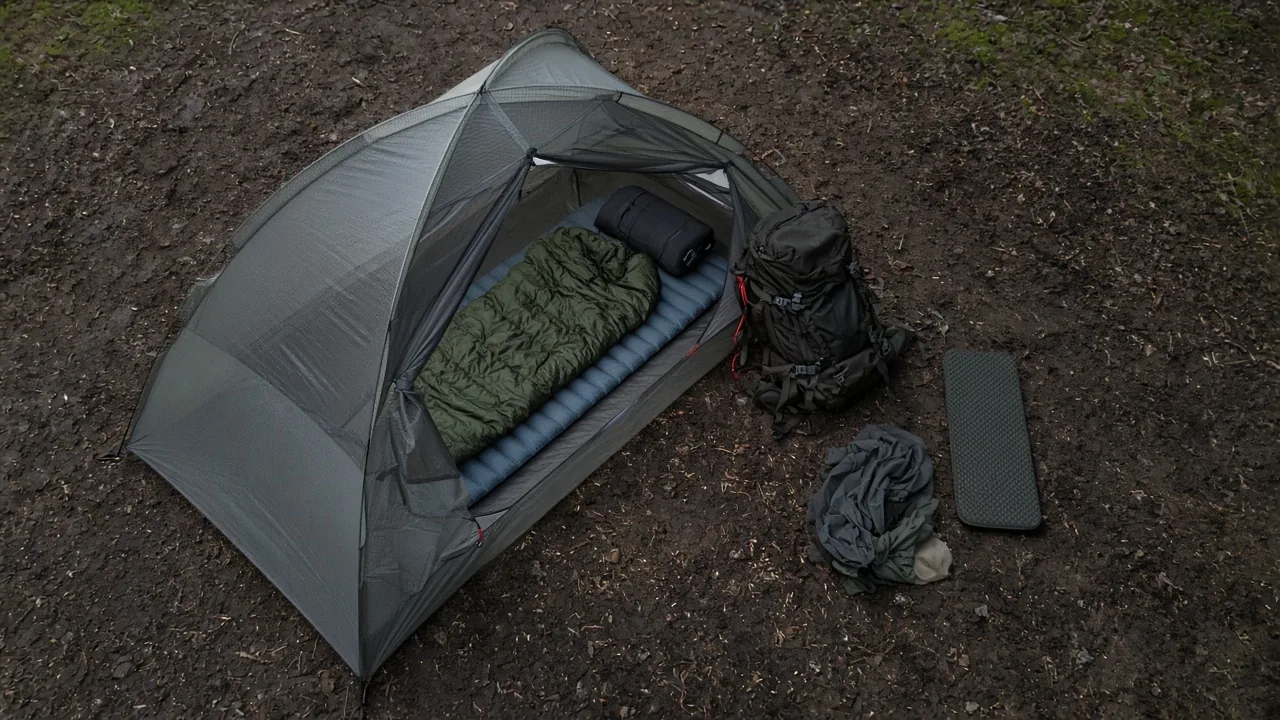
If you sleep better on a quiet, firmer pillow and can spare more pack volume, the Cinch is worth switching from inflatable camping pillows. Space-obsessed backpackers should look elsewhere. This Therm-a-Rest Cinch pillow review weighs the real tradeoff: a compressible foam pillow that takes up noticeably more room in your pack, against an air pillow that stuffs down to almost nothing but often leaves you tossing all night.
The short answer is that the Cinch earns its place for campers who treat sleep as part of the trip plan, not an afterthought. It is not the lightest or smallest option, and it never pretends to be. What it does better than most inflatables is hold a consistent shape, adjust without fiddly air valves, and stay quiet when you shift position.
Who should consider the Therm-a-Rest Cinch over an inflatable pillow?
Backpackers and car campers who dislike inflatable pillow noise and fussy firmness, and can accept a larger packed size for better sleep, are the strongest candidates for the Cinch. If you have tried one or two air pillows and still wake up with a stiff neck or the sound of crinkling fabric in your ear, the Cinch addresses both problems directly.
It also works well for people who move between car camping and shorter backpacking trips. Because the pillow packs down to a usable size and doubles as a travel pillow, it can jump between the back of a car, a backpack, and a carry-on without much extra planning.
The Cinch is not the obvious choice for everyone. If you count ounces and cubic inches before every trip, an inflatable pillow will probably stay in your loadout. The Cinch is for when you are willing to give up a little pack efficiency to stop fighting your sleep setup.
How the Cinch’s packed size compares to inflatable pillows
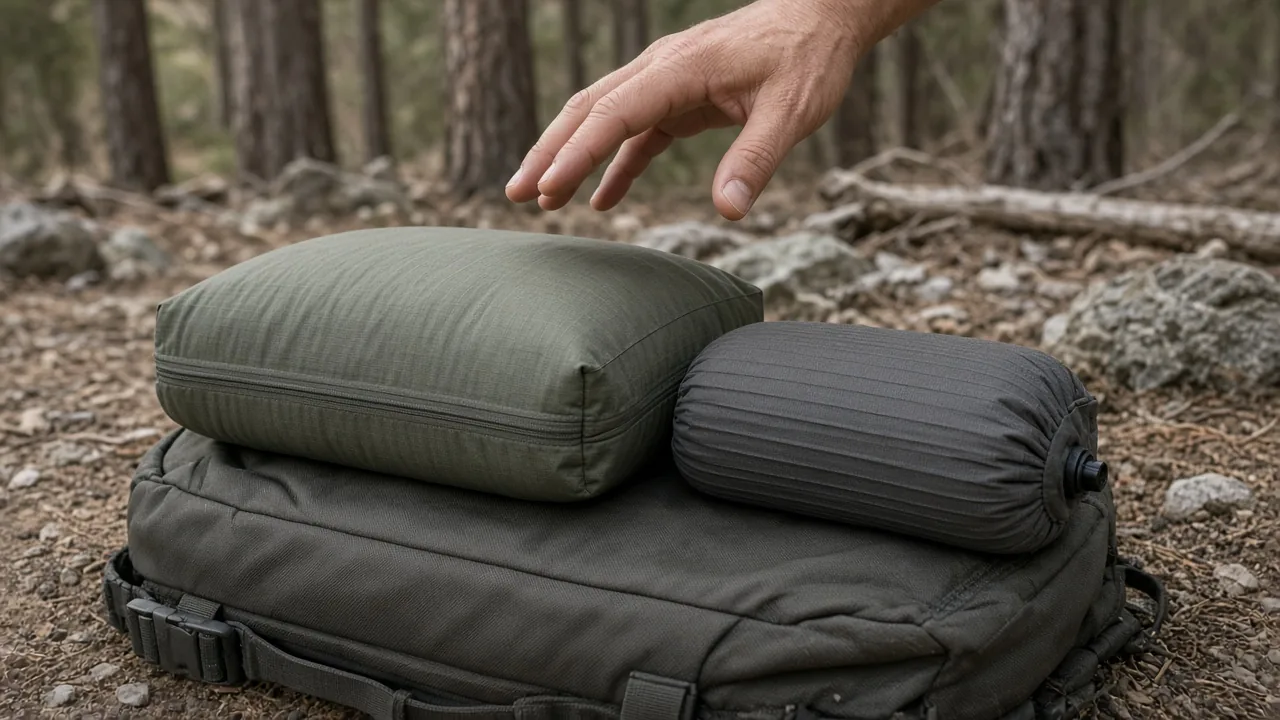
The Cinch packs noticeably larger than a typical inflatable pillow, so measure your pack’s free space before buying; this is the main tradeoff. A standard inflatable pillow, when deflated and rolled, can be close to the size of a fist or a small burrito. The Cinch compresses down well for a foam-filled pillow, but it still occupies real volume.
For a backpacker using a 40- or 50-liter pack, that difference may mean moving a cook pot or a layer to an outside pocket. For a car camper, the packed size barely matters because the pillow can live loose in a duffel or gear bin. For a motorcycle camper, where pannier space is tight but weight matters less, the larger packed size is a legitimate concern. Some readers have solved that by adding a small compression sack to the Large size, which can shrink the overall package compared to the stock state.
The practical question is not whether the Cinch is bigger than an air pillow—it is. The real question is whether your pack has an extra spot that can hold it without forcing something important out.
What the cinch strap does for firmness
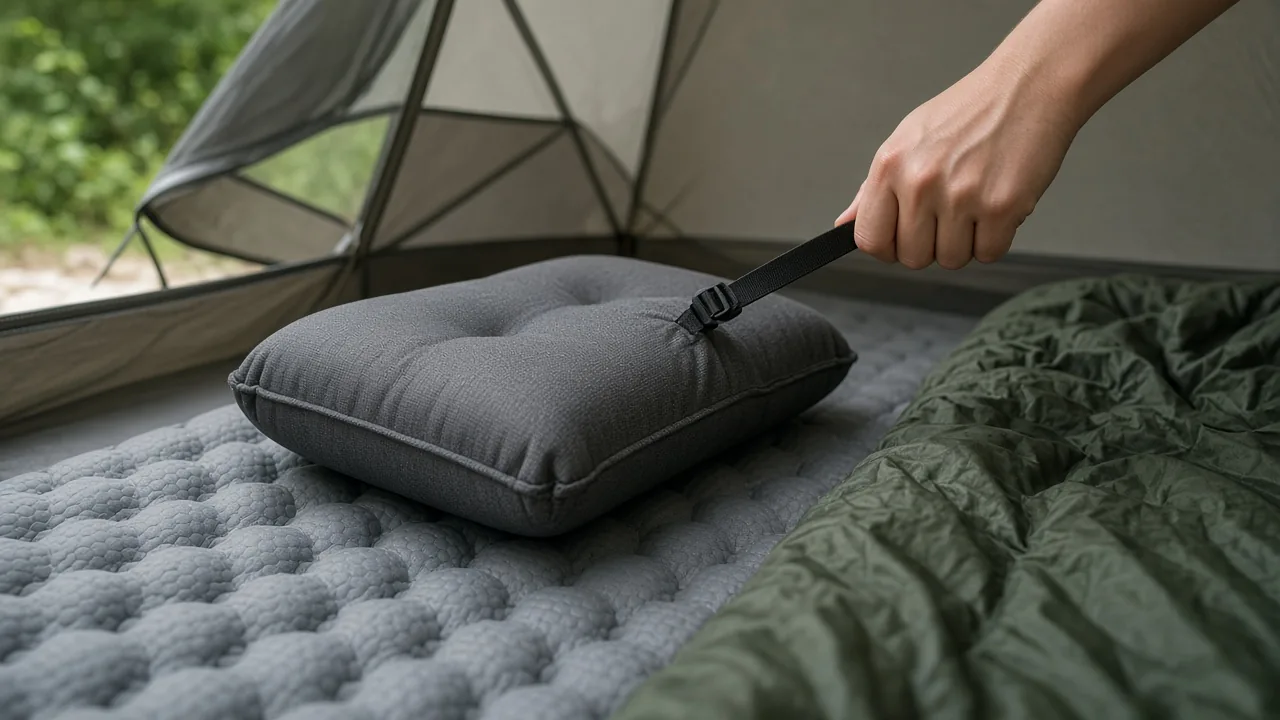
Pulling the rear strap makes the pillow firmer for back and side sleepers; loosening it gives a softer feel, fixing the hard-to-adjust issue common with air pillows. The strap sits across the back of the pillow and cinches the fill inward, which raises the surface tension and makes the pillow hold its shape under your head.
With an inflatable pillow, you usually adjust firmness by adding or releasing air. That sounds simple, but in practice the window between too hard and too soft can be frustratingly narrow. A few breaths too many and the pillow feels like a drum. Let out too much and your head sinks to the pad. The Cinch removes that guessing game because the foam provides a baseline support, and the strap only changes how dense that support feels.
For side sleepers, pulling the strap tighter helps keep the ear and neck aligned. For back sleepers, a medium or slightly loose setting often works better because it lets the head settle without being propped too high. Stomach sleepers, who usually need very little height, can leave the strap fully open and use the pillow as a thin cushion rather than a full loft.
Therm-a-Rest Cinch pillow review: fit, packing, and care
The Regular 14 x 18-inch size keeps your head stable when rolling over, and the fold-and-roll pack method secures it flat enough to double as a travel neck pillow. Because the surface is wide enough for normal head movement, you are less likely to slide off the edge halfway through the night.
The dimensions sound modest, but they work for most sleeping positions. If you move around a lot, the Regular still gives you room to turn from back to side without repositioning the pillow. Some people prefer the Large for extra surface area, but that also increases the packed size and may be harder to fit in a small pack. The Small exists for minimalist setups, though the lower surface area may not suit broad-shouldered side sleepers.
When packed to its compressed state, the Cinch keeps a flat, rectangular shape that can slide into a pack against the back panel or along the side. You do not need a dedicated stuff sack, since the integrated flap and band handle the compression.
How to pack the Cinch without it springing open
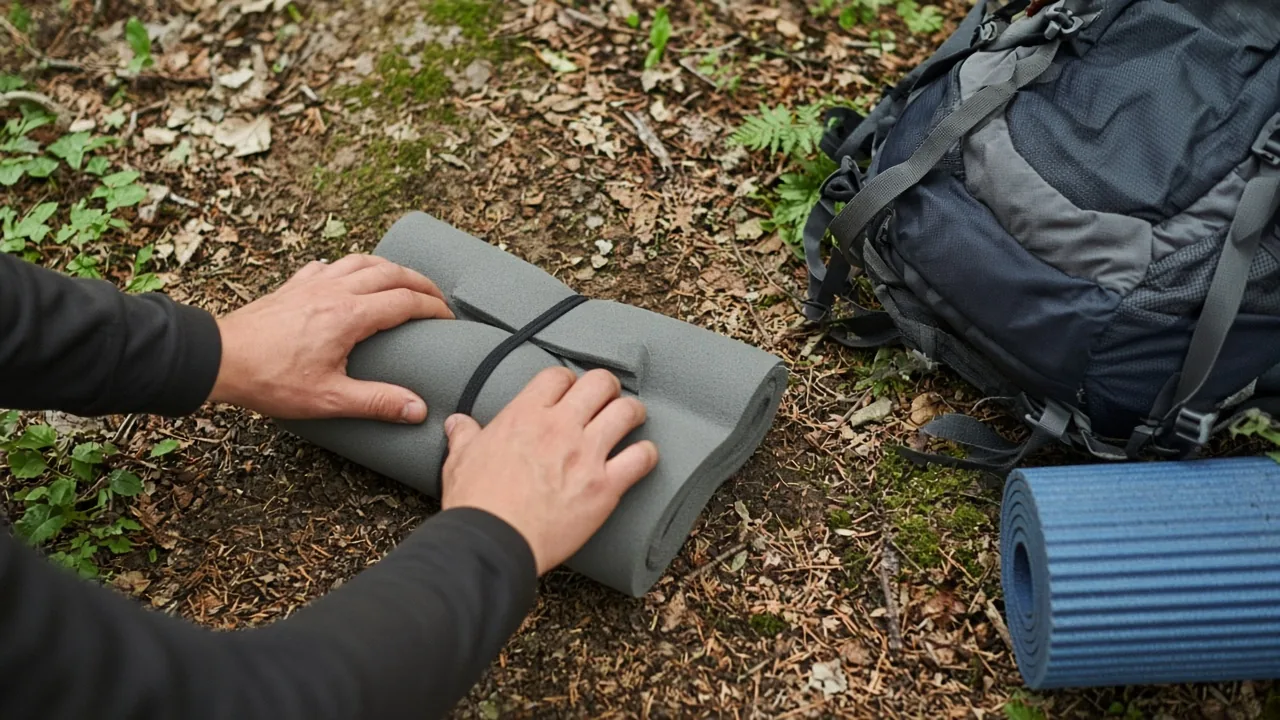
Fold the short flap over the face, roll from the bottom into the flap, then hook the outside elastic band onto the small pin to stop it unfurling. The sequence matters because the flap and band work together to hold tension against the compressed fill.
Start by laying the pillow flat and folding the short flap over the top surface. Then roll from the bottom edge toward that folded flap, keeping the roll tight. Once the roll reaches the flap, fold the flap ends around it and wrap the external elastic band across the bundle. Hook the band onto the small pin, and the pillow should stay put instead of springing open inside your pack.
It takes a few attempts to get the motion natural. If you pack it too loose, the pillow will still hold but will take up more room. A tight roll, with the flap cinching over the end, gives the most compact result.
Why store it uncompressed between trips
Leave the pillow loose in storage so the fill can breathe and rebound; compress only before a trip, the same way you treat a down or synthetic quilt. Keeping any compressible insulation under constant pressure gradually reduces its ability to loft back to its original shape.
When you get home, undo the band, unfold the flap, and let the pillow sit out where air can move through it. If it picked up sweat, drool, or condensation during the trip, let it air out before storing it away. Once it has fully expanded and dried, you can keep it on a shelf or in a gear bin without the cinch strap engaged.
This maintenance habit is easy to skip, but it directly affects how long the pillow stays comfortable. The fill needs to recover between trips, and that only happens when the pillow is stored loose.
What the Cinch improves over inflatable pillows—and where it falls short
Compared with air pillows, the Cinch offers quiet, adjustable support and better overall comfort, but its larger pack volume and extra weight are real drawbacks for gram-counting hikers. The tradeoff is clear, and the right choice depends on what discomfort you are trying to eliminate.
Many inflatable pillows fail not because they are poorly made, but because the very thing that makes them packable—air—also makes them unstable. As you move, the air inside shifts and the pillow reacts. Fabric rustles. A slight leak overnight turns a firm pillow into a limp one. None of that is a defect; it is the nature of the category.
The Cinch changes the category. The fill absorbs movement instead of transferring it, and the fabric is quieter because it is not a bladder under tension. Those two differences explain most of the comfort benefit people report after switching.
Comfort and noise: real-world reasons to switch
Users who struggled with air pillow crinkle and poor support report sleeping much better after switching to the Cinch, especially when a pad and mattress were also sorted out. The pillow does not work in isolation, but it can be the piece that tips a bad night into a decent one.
One pattern comes up repeatedly: someone upgrades their sleeping pad, gets a better bag, and still wakes up because the pillow feels like a partially inflated balloon. The crinkle of an air pillow is not just an annoyance; for light sleepers, it becomes a constant interruption every time the head shifts. A foam-filled pillow removes that noise source entirely.
The same goes for firmness. Instead of adjusting air volume by feel, you have a strap that changes the density in small, repeatable increments. You can set it once before bed and leave it alone, rather than fumbling with a valve in the dark.
The tradeoff to measure before your next trip
Use a small comparison table covering packed volume, firmness control, noise, and best use; if pack space is tight, the Cinch may force you to leave something else behind.
| Factor | Therm-a-Rest Cinch | Typical inflatable pillow |
|---|---|---|
| Packed volume | Larger; takes up noticeable pack space | Very small; stuffs to fist size |
| Firmness control | Rear cinch strap; repeatable feel | Air volume; often hard to fine-tune |
| Noise | Quiet fabric fill | Crinkles against hair, hood, and pad |
| Best use | Car camping, shorter backpacking, travel | Long-distance, volumed-constrained trips |
| Weight | Heavier than most air pillows | Usually lighter |
If your pack has slack space, the Cinch is an easy upgrade. If you are already strapping gear to the outside because the interior is full, adding a compressible pillow may require a larger pack or a smaller pillow.
Building a sleep system around the Cinch without overpacking
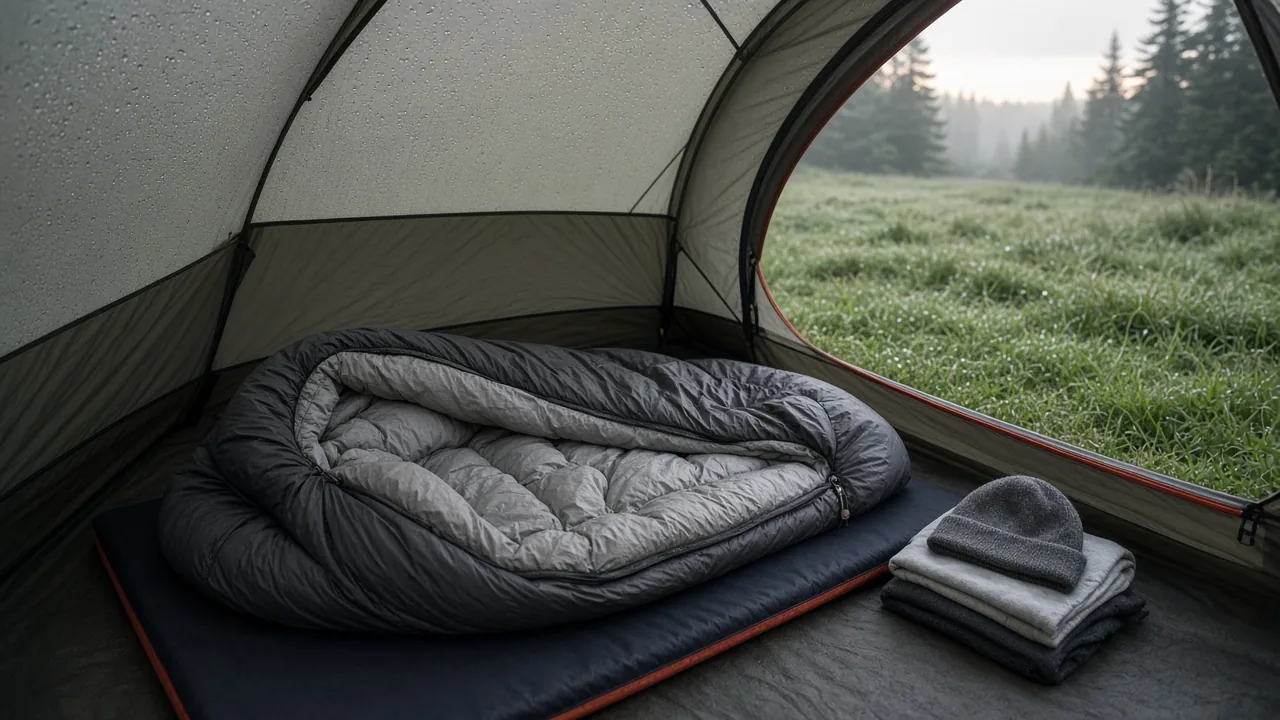
A pillow can affect sleep as much as a pad or bag, so match it with your pad’s R-value, your bag’s comfort temperature, and your tent setup instead of treating it as an afterthought. The best pillow in the world will not fix a cold pad or a bag that is rated too low for the night.
Think of the pillow as the top of a sleep stack. The pad handles insulation from the ground and pressure relief. The bag handles warmth and drafts. The pillow handles head and neck alignment. When one of those layers underperforms, the other two have to compensate, and usually they cannot.
For car camping, you have room to overbuild this system without much penalty. For backpacking, you have to make deliberate choices about what luxury items earn their place. The Cinch earns its place only when sleep quality is the limiting factor, not pack volume.
Where a pillow fits in a tent, pad, and bag setup
Many sleep-system guides skip pillows, but user feedback on the Cinch shows that a poor pillow alone can cause a night of tossing and turning. If you upgrade a pad and bag but keep a pillow that does not support your head, you may still wake up every hour to reposition.
The pillow also affects how well your bag hood fits around your head. A pillow that collapses changes the angle of your neck and can open a gap at the collar. A firmer, more consistent pillow helps the hood stay where you set it, which matters more in cold weather.
Inside a tent, the pillow also needs to stay put. A smooth inflatable can slide off a nylon pad or a slick quilt. The Cinch’s fabric has more grip, which helps it stay under your head instead of ending up against the tent wall by morning.
Matching pad and bag ratings to the conditions
Check your sleeping pad’s R-value and your bag’s comfort rating rather than its limit rating; if nighttime lows drop below the rating, add a down layer instead of pushing gear past its stated range. Ratings describe the conditions a piece of gear was designed to handle, not a personal guarantee of warmth.
An inflatable sleeping pad with a higher R-value, such as one designed for cold alpine use, insulates far better than an uninsulated air pad or a thin closed-cell foam pad. The R-value describes resistance to heat transfer, so a higher number means more warmth retained against cold ground. If you camp in late fall or early spring, the pad is often where cold starts.
For the sleeping bag, the comfort rating tells you the temperature at which a typical person can sleep through the night without excessive cold. The limit rating is lower and assumes a person bundled up and enduring some discomfort. Using the limit rating as your trip-planning number leaves no margin for a colder-than-forecast night or a damp sleeping bag.
If the temperature is expected to dip close to your bag’s comfort rating, one practical option is to wear a thin down layer inside the bag. That adds warmth without requiring a second, heavier bag. It is a cheaper and more flexible solution than replacing the whole sleep system.
Cold-weather precautions for any sleep setup
If cold weather makes you consider extra heat sources, never use a stove or heater inside your tent. The carbon monoxide risk is real, and tents do not provide safe ventilation for any fuel-burning appliance. The same rule applies to vehicles, trailers, and any closed space.
Your safest cold-weather tools are the ones you already carry: a pad with enough R-value, a bag rated for the expected low, dry base layers, and a tent that blocks wind and rain. If you are still cold, add insulation in layers rather than trying to heat the air inside the tent. Warm the body, not the space.
Check the overnight low, not just the daytime high, when planning your sleep setup. A sunny afternoon can give you false confidence for a night that drops below freezing. Factor in wind and rain, which can strip heat faster than still air.
Who should skip the Cinch and what to try instead
Skip the Cinch if pack volume is your first priority on long backpacking trips or motorcycle camping; otherwise, consider a compression sack for the Large size or stick with a small inflatable pillow. The Cinch is a comfort upgrade, not a weight or volume optimization.
Long-distance hikers who measure every item in ounces and liters will rarely choose a compressible pillow over an air pillow. The packed size penalty is simply too high when every cubic inch of pack space is already accounted for. Ultralight setups, fastpacking, and airline-only carry-on travel all favor inflatables.
That does not make the Cinch a bad product; it just means you are not the target user. An honest gear decision is about fit, not about one product being better in the abstract.
Alternatives when packed size wins
If an inflatable pillow is still your best fit, look for one with a quieter face fabric and test firmness by adjusting air volume at home before a trip. Many of the common air pillow complaints come down to fabric texture and the tricky mid-range between full and empty.
Backyard testing is the cheapest upgrade you can make. Inflate the pillow halfway, lie on it in your normal sleeping position, and adjust in small increments until your neck feels neutral. Note how many breaths that takes, then try to reproduce that feel on the trail. It is imperfect, but it narrows the adjustment window.
Also pay attention to where the pillow sits on your pad. A pillow that slides can be held in place with a strap around the pad or by tucking it under a hood or clothing layer. These small fixes can turn a mediocre air pillow into an acceptable one, especially if volume is the constraint.
The bottom line
Check trip type, overnight lows, rain chance, and local fire or campsite rules before deciding to bring the Cinch; pair it with a pad and bag that match conditions, and prioritize sleep quality over pack volume only when your load allows. The pillow is part of a system, not a standalone fix.
For most weekend backpackers and car campers, the packed-size tradeoff is easy to accept once you sleep through the night without crinkle, collapse, or constant adjustment. For high-mileage hikers and volume-limited travelers, an inflatable remains the smarter choice even if it is less comfortable.
The next time you build a sleep kit, start with the overnight low and rain forecast, then work upward from the ground: pad R-value, bag comfort rating, and finally pillow support. That order keeps the big comfort factors in line before you spend energy on the smaller ones.
This article is general information about camping gear, not professional safety, medical, or wilderness training. Check fire restrictions, weather, and campsite rules before you go, and follow the manufacturer’s instructions for your own equipment.
This article is general information about camping gear, not professional safety, medical, or wilderness training. Check fire restrictions, weather, and campsite rules before you go, and follow the manufacturer's instructions for your own equipment.
FAQ
Is the Therm-a-Rest Cinch pillow good for backpacking?
It can work for shorter backpacking trips if you have extra pack volume, but it is not ideal for ounce-counting or long-distance hikers because it packs larger and weighs more than a typical inflatable pillow.
How does the Cinch pillow's firmness control work?
Pulling the rear cinch strap makes the pillow firmer for back and side sleepers; loosening it gives a softer feel, which avoids the hard-to-adjust air valve issue common with inflatable pillows.
How do you pack the Therm-a-Rest Cinch pillow so it stays closed?
Fold the short flap over the face, roll from the bottom into the flap, then hook the outside elastic band onto the small pin to stop it unfurling. A tight roll gives the most compact result.
Should I store the Cinch pillow compressed between trips?
No. Leave it uncompressed so the fill can breathe and rebound; compress it only before a trip, similar to how you store a down or synthetic quilt.
Who should skip the Cinch and choose an inflatable pillow instead?
Backpackers who prioritize packed volume on long trips, motorcycle campers with tight pannier space, and ultralight or fastpacking users should generally stick with a small inflatable pillow.