Sea to Summit Alto TR1 Waterproof Rating for Rainy Backpacking
The Sea to Summit Alto TR1 carries a 1200 mm waterproof rating on its fly and floor, making it a light-rain shelter. Learn how pitch tension, a groundsheet, and ventilation help it handle wet backpacking trips.
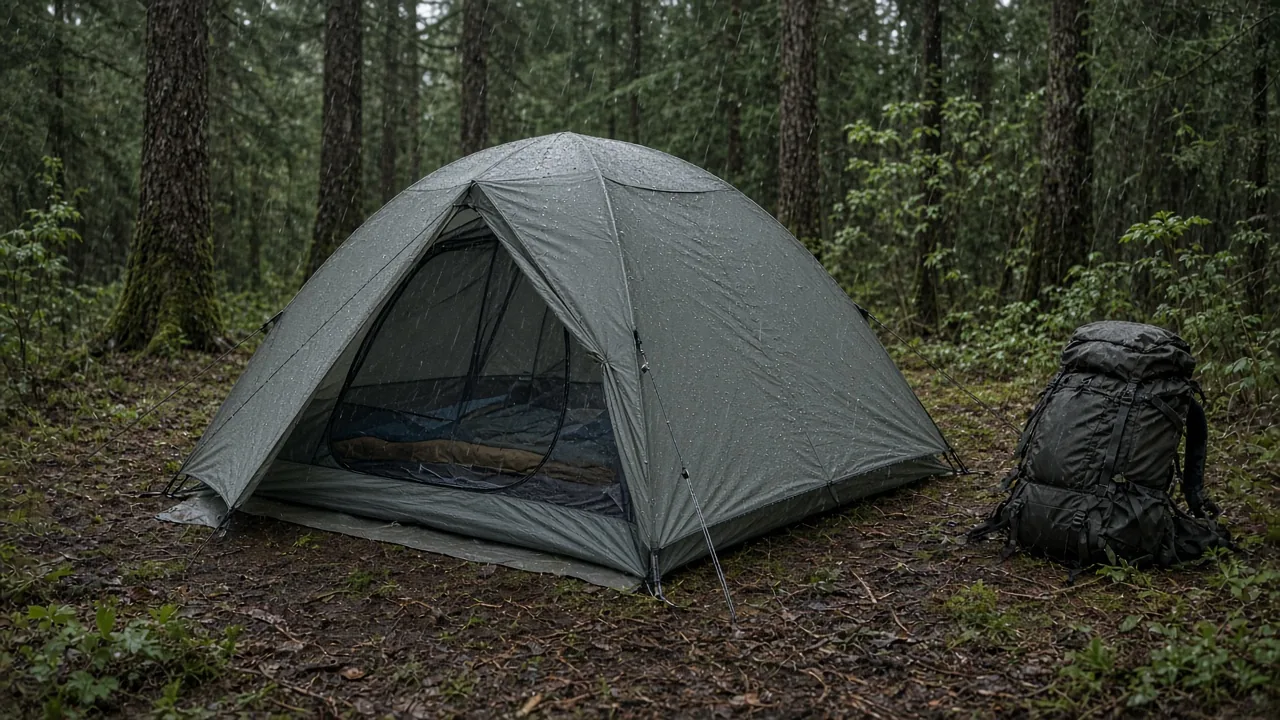
The Sea to Summit Alto TR1 works for rainy backpacking only when you pitch it taut, use a groundsheet, and manage ventilation. Its low hydrostatic head rating means it is not a heavy-rain shelter. Before you pack it for a wet route, you need to understand what its waterproof rating actually tells you and where the Alto TR1 fits in a three-season kit.
What Does a Tent Waterproof Rating Actually Mean?
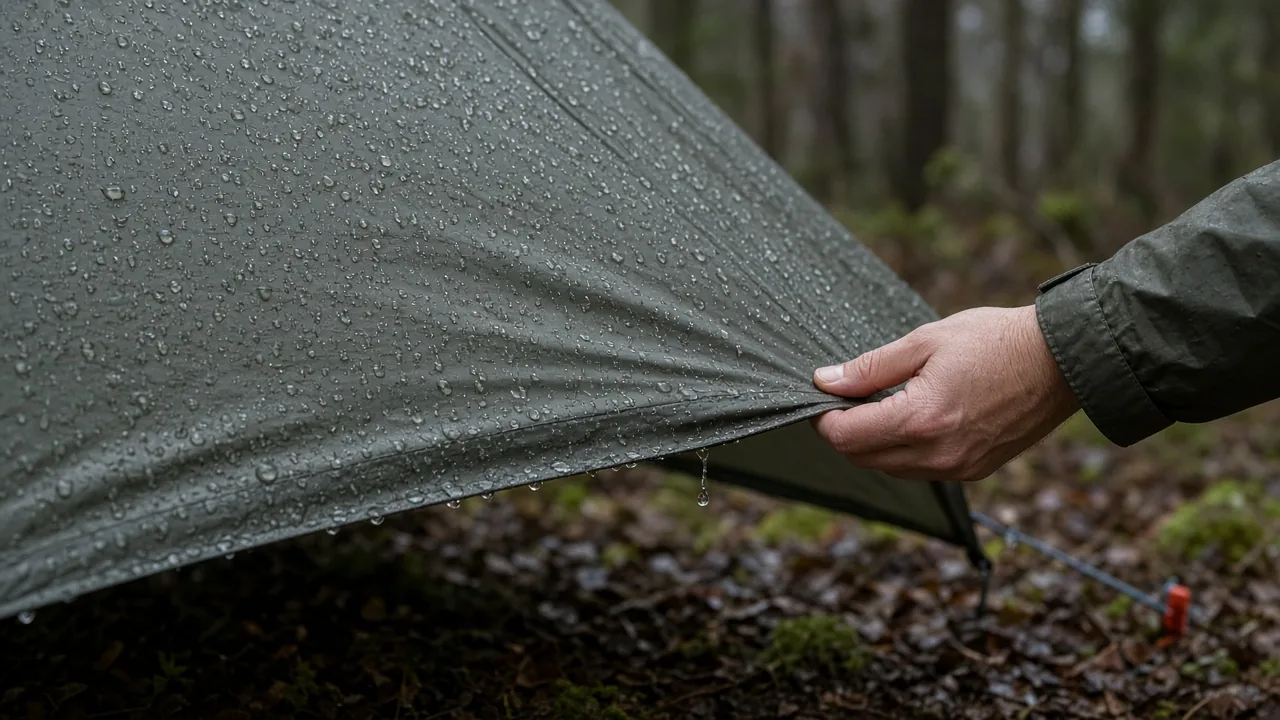
A tent fabric's waterproof rating is expressed as a hydrostatic head in millimeters. That number measures how much water pressure the fabric can take before it starts to leak. Think of it as a column of water pressing down on the material. A 1200 mm rating means the fabric should resist a column of water 1200 millimeters high before wetting through.
For backpacking tents and rain flies, common ratings run roughly from 1000 mm to 5000 mm. At the low end, 1000 mm is a very light rain rating. At the high end, anything beyond 5000 mm is generally considered a premium material for heavy exposure. Those numbers are not guarantees, but they give you a useful baseline for comparing tents.
Why 1200 mm Is a Light-Rain Rating, Not a Storm Rating
At 1200 mm, the Alto TR1 fly and floor sit near the low end of the range. That does not mean the tent leaks immediately in a drizzle. It means the fabric may wet through under sustained pressure, especially where water pools or presses against the material.
When nylon gets saturated, it can also sag. In a steady rain, you may notice the fly looking damp on the inside even if no water is dripping through. The shelter can still keep you mostly dry, but you should treat 1200 mm as a light-to-moderate rain rating, not a storm rating.
Where the 2500 mm and 8000 mm Spec Confusion Comes From
One of the biggest sources of confusion with the Alto TR1 is that different specs appear for the same tent. Some official product copy has listed figures around 2500 mm, or in some places 8000 mm, while other breakdowns of the tent describe the fly and floor at 1200 mm.
When specs conflict, set your expectations around the lower published rating. A 1200 mm fly and floor can still work for backpacking rain, but you should not assume the higher number applies to every panel and seam. If you are planning a trip with real precipitation, build your shelter choice around careful setup and realistic weather forecasts.
What Is the Sea to Summit Alto TR1 Waterproof Rating?
The Sea to Summit Alto TR1 is a one-person, double-wall, semi-freestanding shelter. In the most commonly cited breakdown, the fly and bathtub floor both carry a hydrostatic head of 1200 mm.
That puts the tent in the light-rain category. It can handle passing showers and moderate rain, especially when pitched well, but it is not built as an all-season or high-pressure storm shelter. If you backpack mostly in dry conditions and treat rain as an occasional inconvenience, the Alto TR1 can still be a practical choice.
How the Fly and Floor Handle Rain in Practice
In wet conditions, the Alto TR1's nylon fly absorbs water and starts to sag. That is normal behavior for lightweight nylon. The key is to re-tension the fly as it wets, because a taut fly sheds water far better than a loose one.
The floor can also feel damp if water runs underneath the tent and creates pressure points. This is where a groundsheet or footprint helps. A thin polycro groundsheet under the tent protects the 1200 mm floor from direct contact with wet ground and small pooling.
What That Means for Rainy Backpacking Trips
For rainy trips, treat the Alto TR1 as a three-season shelter that leans toward good weather. It works best when rain is forecast in short, manageable bands rather than hours of steady downpour.
If your route regularly involves exposed campsites, ridge lines, or long rainy nights, you should think about a heavier or higher-rated shelter. The Alto TR1 is not a tent to push into conditions that exceed its fabric's ability to shed water and tension.
How Do You Keep the Alto TR1 Dry in Rain?
Keeping the Alto TR1 dry comes down to three things: pitch tension, ground protection, and ventilation. None of these are optional when the forecast calls for rain.
A taut fly prevents water from pooling and reduces contact with the inner tent. A groundsheet protects the floor. Ventilation moves moist air out before it condenses. Together, they allow a 1200 mm tent to work much better in damp conditions.
Use a Groundsheet and a Separate Wet Storage Plan
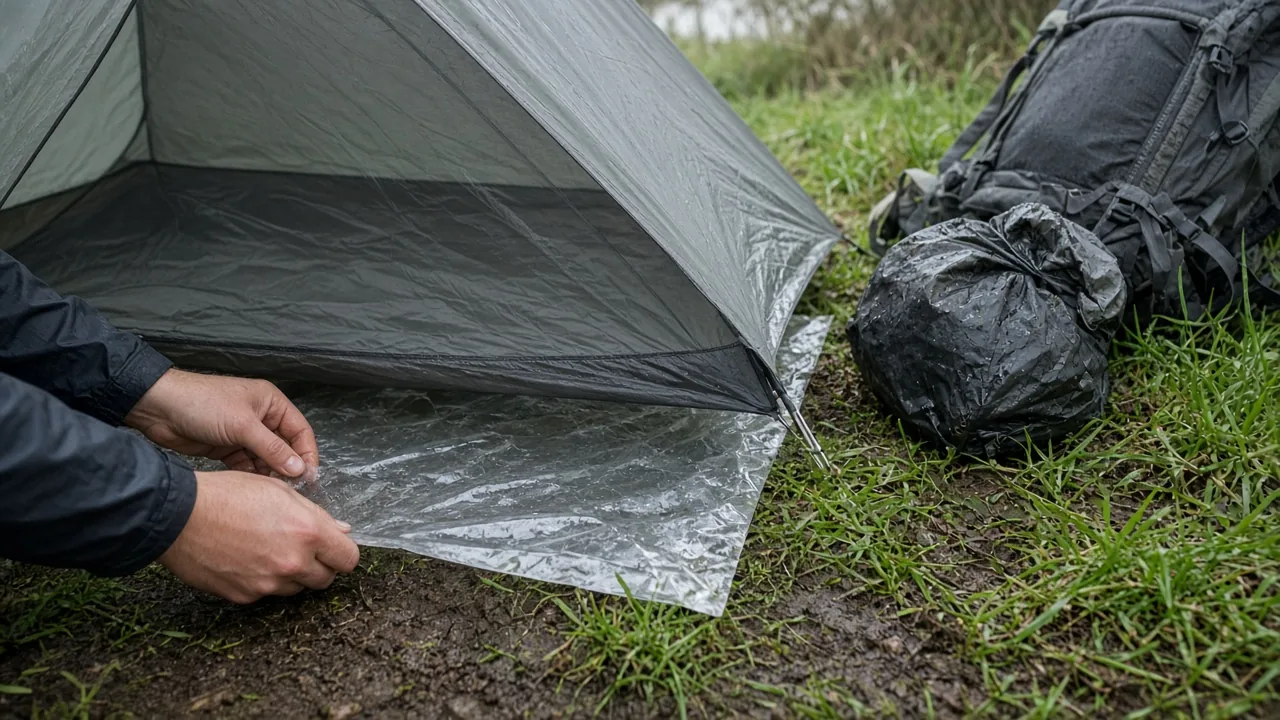
A lightweight groundsheet, such as a polycro sheet cut to size, adds a surprising amount of protection for the floor. It keeps the 1200 mm floor fabric from pressing directly into wet soil, mud, or small puddles.
When you pack up in the rain, keep the wet fly separate from dry gear. A Dyneema stuff sack works well because the wet fabric does not wet through to the rest of your pack. You can store the fly inside the pack or lashed to the top, depending on how much space you have left.
Ventilation and Tension Are Part of Waterproofing
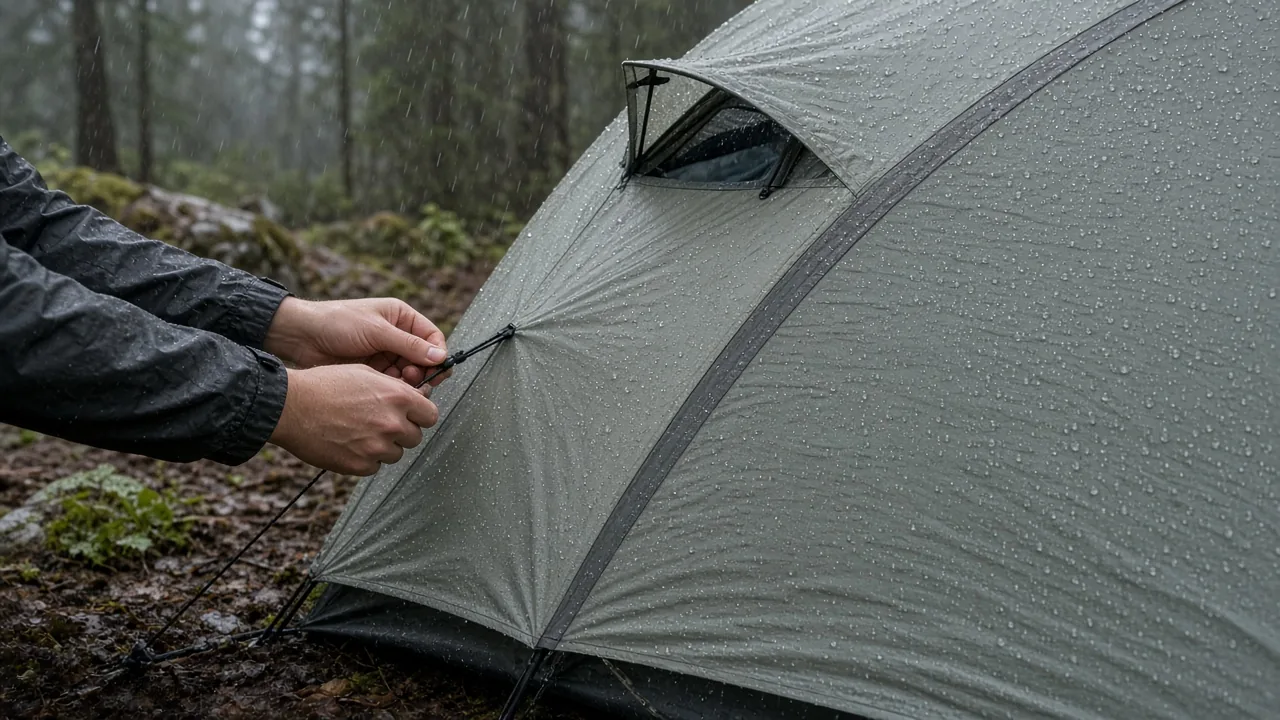
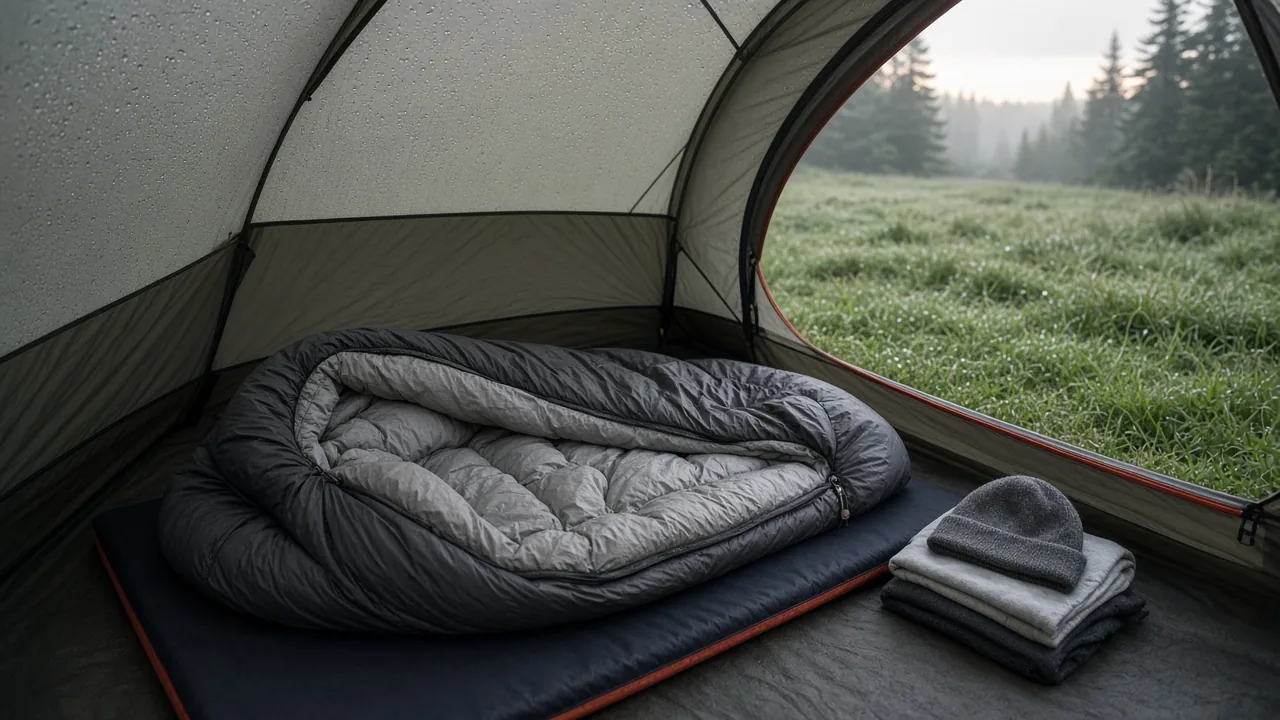
A closed tent in rain can still become wet inside from condensation. The fly needs airflow to move moisture out. Keep the top vent open, even in light rain, to reduce the buildup of warm damp air against the cooler fly.
As the nylon fly wets and stretches, it sags. Loose nylon pools water and can touch the inner tent, which transfers moisture to your sleeping bag or pad. Re-tension the fly and guylines throughout wet weather. A few minutes of adjustment makes a meaningful difference overnight.
Who Should Use the Alto TR1 for Backpacking?
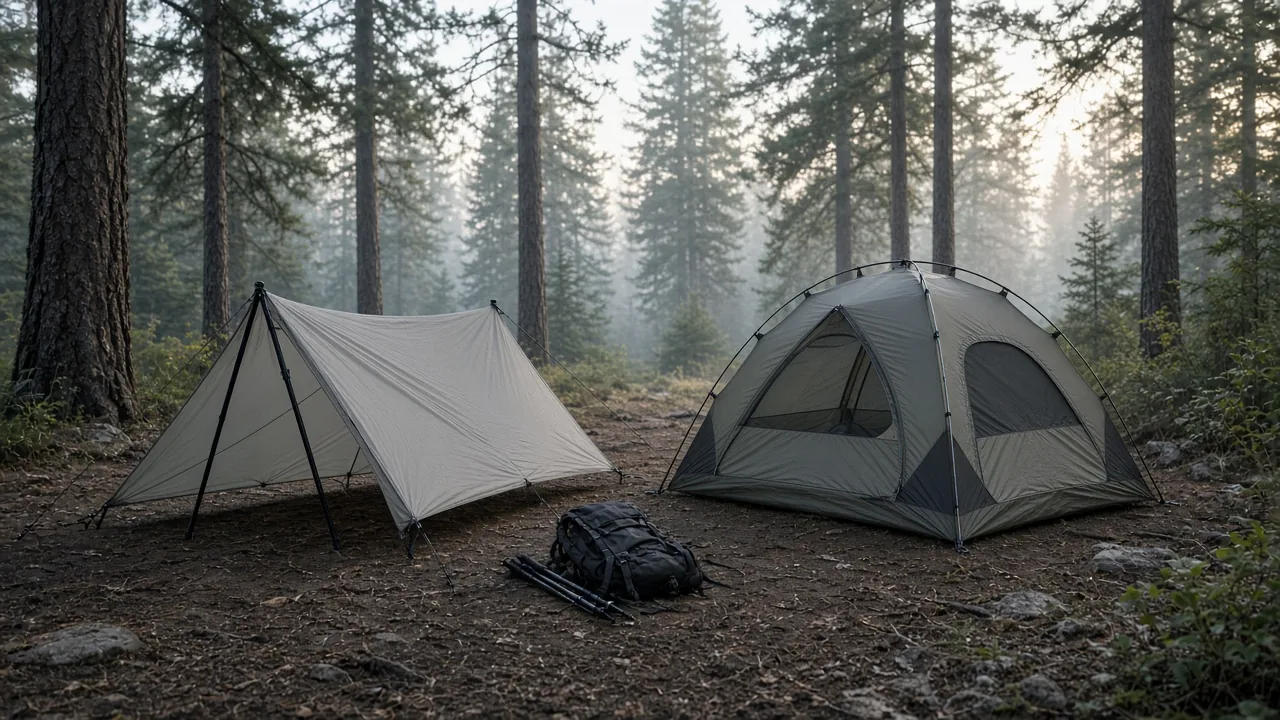
The Alto TR1 is a semi-freestanding one-person tent, which means the pole structure gives it some shape on its own, but you still need stakes and guylines to achieve full interior space and proper weather protection. It suits solo backpackers who want to cut weight without moving all the way to a tarp or a single-pole trekking pole shelter.
That semi-freestanding nature matters. It will stand in mild conditions, but it does not pitch full and weather-ready without stakes. If you camp on hard ground where stakes cannot penetrate, you may end up with a saggy fly and reduced interior room.
Who Should Choose the Alto TR1
The Alto TR1 fits backpackers stepping into ultralight gear who still want a dedicated pole set rather than relying on trekking poles. The dedicated poles give you more flexibility if you want to leave your trekking poles at camp or use them for a side trip.
The tent also appeals to solo hikers who want a roomier one-person shelter without carrying a fully freestanding design. If you expect occasional rain, soft ground, and mild to moderate conditions, the Alto TR1 can work. Just don't expect four-season storm performance from this weight class.
Who Should Look Elsewhere
Choose a heavier or higher-rated shelter if you camp on rock-hard ground where stakes cannot hold reliably. The same applies if your route includes prolonged heavy rain, high winds, or exposed mountain camps.
In those conditions, a fully freestanding tent with a stronger fly fabric and higher hydrostatic head rating gives you more margin. The Alto TR1's 1200 mm fabric and semi-freestanding shape are not meant to be pushed beyond their design limits.
Semi-Freestanding Means Stakes Still Matter
A semi-freestanding tent can fool you with its ability to stand partially on its own. But the Alto TR1 depends on stakes and guylines to pull out the walls, widen the floor, and keep the fly off the inner tent.
In rain, that shape becomes even more important. A poorly staked fly sags more quickly and transfers moisture. When you pack the Alto TR1, carry a set of tent stakes that suit your route, and be ready to adjust your pitch after the fly wets.
What Are the Common Sea to Summit Alto TR1 Waterproof Rating Mistakes?
The most common mistake with the Alto TR1 is reading a waterproof rating and assuming it means the tent will keep you dry without any extra work. A hydrostatic head number describes fabric performance under controlled pressure, not how the whole shelter behaves in real rain.
Pitch quality, ground conditions, wind exposure, and ventilation all affect how dry you stay. If you skip those, even a tent with a higher rating can feel damp inside.
Mistaking 1200 mm for Complete Waterproofing
A 1200 mm rating means the fly and floor resist light rain. It does not mean they are impenetrable under pooled water or prolonged downpours. When fabric is pressed by standing water or saturated over time, it can wet through even if no visible hole exists.
Treat 1200 mm as a working limit. It is enough for many three-season trips, but it requires active management: re-tension the fly, avoid low spots where water collects, and use a groundsheet under the floor.
Forgetting That Semi-Freestanding Is Not Fully Freestanding
Some backpackers buy a semi-freestanding tent expecting the ease of a freestanding dome. Then they arrive at a rocky campsite and discover the tent will not hold its shape or weather pitch without stakes.
The Alto TR1 still depends on stakes and guylines for rain protection and interior space. Skipping stakes or choosing hard ground can reduce storm-worthiness, shrink the usable floor, and let the wet fly sag into the inner tent.
Ignoring Ventilation and Condensation in Wet Weather
Rain performance includes condensation control. A closed shelter in rain can become damp inside even if no outside water leaks through the fabric. Your breath, wet hiking clothes, and damp ground all add moisture to the air.
When that warm air hits the cool fly, it condenses and drips. Keeping the top vent open and managing airflow helps prevent that. If you zip everything shut and expect the fly to do all the work, you may wake up with a wet quilt even though the tent never leaked.
Match the Alto TR1 to trips where weight matters more than storm protection: mild to moderate rain, soft ground, and forecasts you trust. Pack a groundsheet, re-tension the fly as it wets, and never use a stove or heater inside your tent. Check the overnight lows and the likelihood of rain before you go. If the route looks exposed or persistently wet, a heavier shelter with a higher waterproof rating is the smarter call. This article is general information about camping gear, not professional safety, medical, or wilderness training. Check fire restrictions, weather, and campsite rules before you go, and follow the manufacturer's instructions for your own equipment.
FAQ
What is the Sea to Summit Alto TR1 waterproof rating?
The fly and bathtub floor are most commonly cited at 1200 mm hydrostatic head. This is a light-to-moderate rain rating, not a heavy storm rating.
Is the Alto TR1 good for heavy rain?
No, it is not built for prolonged heavy rain or high-pressure storms. It works best in passing showers and moderate rain when pitched taut and paired with a groundsheet.
Why do Alto TR1 waterproof specs sometimes show 2500 mm or 8000 mm?
Different product listings have shown conflicting figures, with some listing around 2500 mm or 8000 mm. You should set expectations around the lower published 1200 mm rating.
How can I keep the Alto TR1 dry in rain?
Pitch the fly taut and re-tension it as it wets, use a groundsheet under the floor, and keep vents open to reduce condensation. Pack the wet fly separately from dry gear.
Is the Alto TR1 freestanding?
No, it is semi-freestanding, so stakes and guylines are still needed for full interior space and weather protection. Hard ground can make a weather-ready pitch difficult.