Osprey Eja 48L Long Term Review for Multi-Day Backpacking
A long-term look at the Osprey Eja 48L for multi-day backpacking, covering fit, capacity, comfort, and how it compares with other lightweight packs.
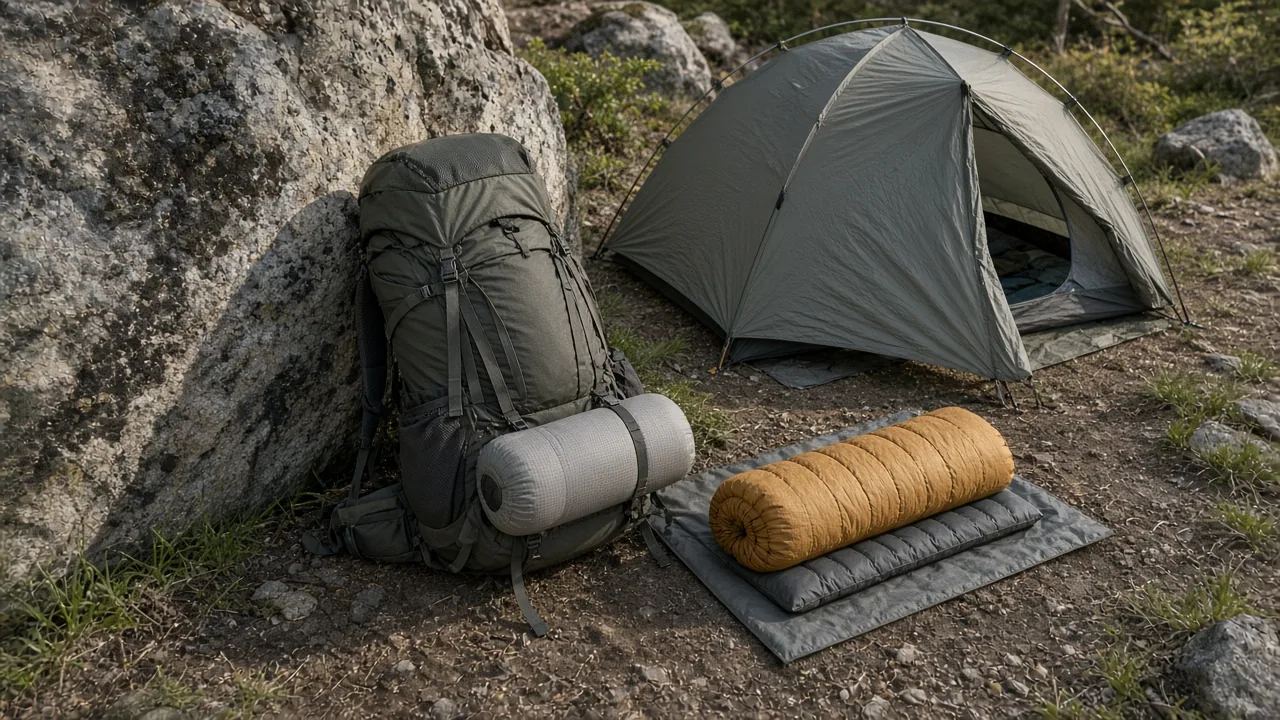
If your base weight stays around 13–15 lb and you pack food carefully, the Osprey Eja 48L is comfortable enough for multi-day trips, but it is not a do-everything pack. That is the short answer in this Osprey Eja 48L long term review. The Eja is Osprey’s women’s-specific framed pack, and at about 2 lb 10 oz it sits firmly in the lightweight backpack category. It works best for hikers who already keep their kit lean and do not carry climbing gear or bulky cold-weather extras.
Osprey Eja 48L Long Term Review: Carry Comfort Over 850 km
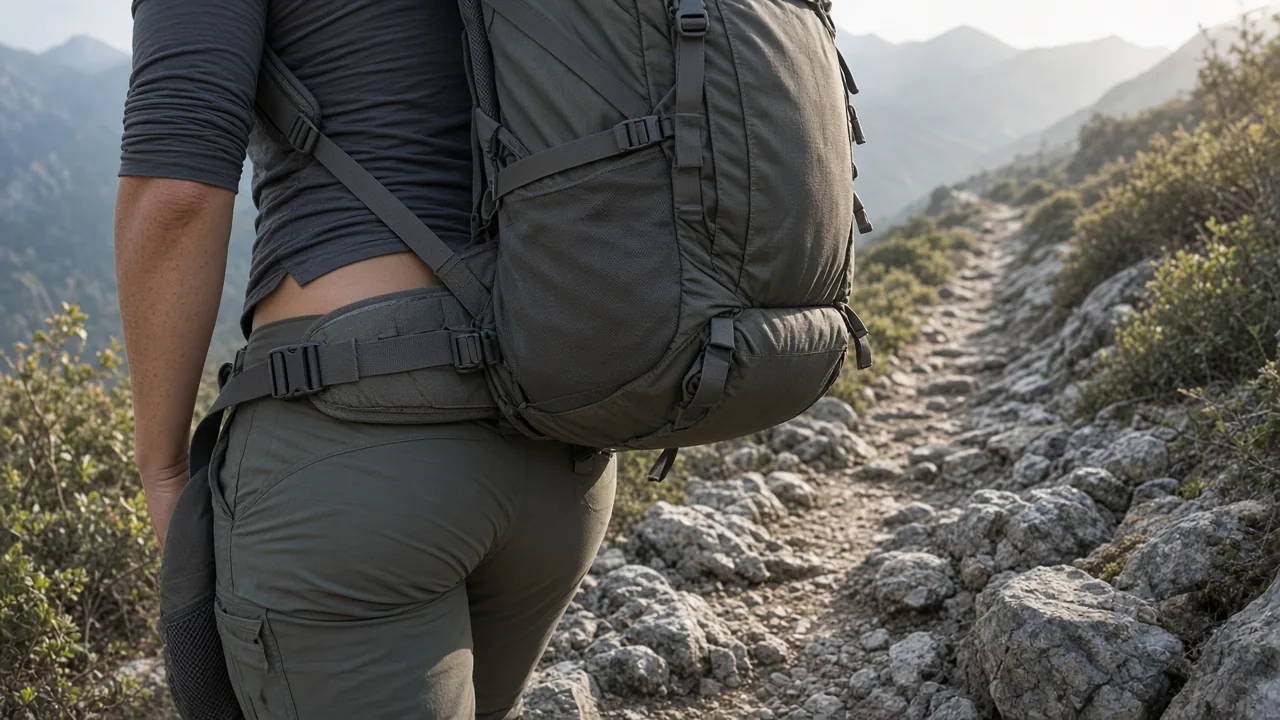
One long-term trail report offers a useful reference point: after roughly 850 km, or about 530 miles, on the GR11 through the Pyrenees, the reviewer reported no back problems. She credited the frame and the women’s-specific hip belt rather than ultralight tricks. That matters because comfort on a multi-day pack is not just about total weight. A pack that transfers load to the hips can feel better at 25 lb than a poorly fitted pack at 18 lb.
The Eja’s comfort comes from a real frame, not just foam and fabric. A framed pack maintains its shape and lets you pack more casually without the perfect roll-top compression job. For hikers moving from a heavier traditional pack, that is a meaningful advantage. You still need to watch total load, but the pack does more of the work.
Why the Women’s Fit Changes More Than Just the Color
The Eja is not a unisex pack with a smaller logo. Osprey shaped the shoulder straps, back panel, and hip belt for female proportions. The straps are narrower, the back panel is cut shorter, and the hip belt follows women’s hip curves more closely. The men’s version is the Exos, so you should not treat same-volume packs as unisex even if the frame and fabric look similar.
A women’s-specific fit can reduce pressure on the neck and shoulders. If a pack is too wide through the straps or too long in the torso, the load tends to ride on the shoulders instead of the hips. That creates hot spots, sore muscles, and a pack that feels heavier than it is. The Eja’s design aims to prevent that by matching the frame and straps to the wearer’s body.
This is also why you should compare the Eja against the Exos only after trying both. A hiker with broader shoulders or a longer torso may find the Exos more comfortable even if she normally wears women’s cuts. Fit still beats the label.
Sizing Between SM and ML: When to Go Up
The Eja comes in SM and ML sizes, and the back length is adjustable. If your torso falls between sizes, the safer move is to choose the larger frame and adjust it down. A pack that is slightly too small can shift weight onto your shoulders, which hurts load carry and makes the hip belt less effective.
That advice shows up in real use. The long-term Eja reviewer was between SM and ML and went with the larger frame. The fit worked well over a long trail. A quick store try-on may not reveal the problem, but real walking will.
If you are near the boundary, load the pack with 20–25 lb and walk around the shop or block. Pay attention to whether the hip belt stays planted on your iliac crest and whether the shoulder straps carry weight or just keep the pack close. If the small size feels tight across the neck or back, moving up is usually the right call.
Is 48L Big Enough for Multi-Day Backpacking?
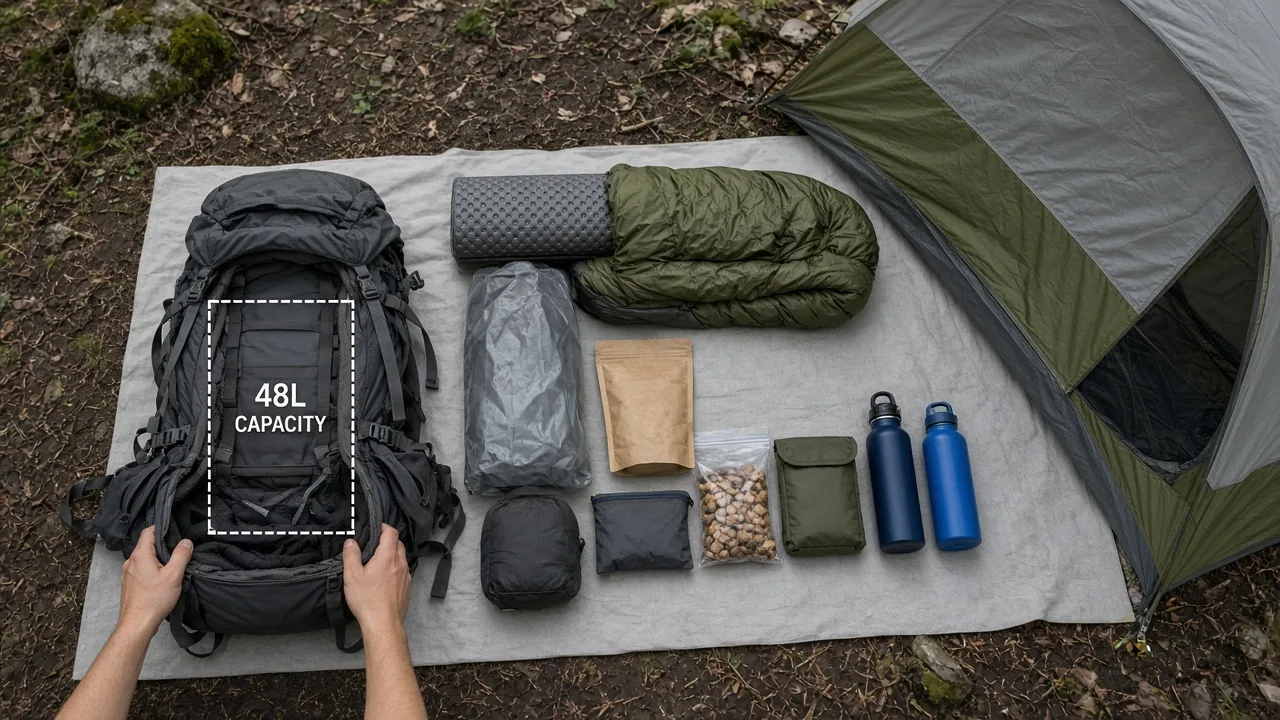
The answer depends on your base weight, trip length, and how much food you need to carry. A 48L pack sits at the upper end of weekend capacity and the lower end of 3–5-day capacity. If your base weight is around 13–15 lb and you will resupply or carry food for only a few days, the Eja 48L can work. If you carry climbing gear, a bulky synthetic sleep system, or food for five or more days, 48L gets tight.
The long-term GR11 report fits that pattern. The reviewer used the 48L for multi-day hiking without climbing gear and kept base weight around 6–7 kg. That is roughly 13–15 lb before food and water. Under those conditions, the pack felt comfortable and had enough room.
Capacity Ranges for 1-Day, 2–3-Day, and 3–5-Day Trips
Capacity recommendations are not rules, but they help you avoid an overloaded weekend pack or a half-empty heavy hauler. Here is a practical breakdown based on common backpacking volumes and typical packed weights.
| Trip length | Suggested volume | Typical packed weight | What it covers |
|---|---|---|---|
| Day hike | 10–30L | 5–12 lb | Water, snacks, rain shell, small first-aid kit |
| 2–3 days | 30–50L | 22–33 lb | Weekend kit, compact sleep system, 2–3 days of food |
| 3–5 days | 50–70L | 28–40 lb | Longer food carries, extra insulation, some group gear |
| 5+ days | 70L+ | 35–50 lb or more | Extended trips, bulky cold-weather gear, climbing equipment |
The Eja 48L sits at the upper edge of the 2–3-day range. It can stretch into 3–5 days if your gear is fairly compact and your food volume stays low. That does not mean you should automatically fill 48L to the lid. The practical comfort range still matters.
What Has to Change When You Drop From 60–65L to 48L
Moving from a 60L or 65L pack to the Eja 48L forces some packing changes. You have less spare room, so you need to decide what goes inside the main compartment and what rides outside.
With a smaller pack, many hikers put the tent body and fly inside the main bag rather than strapping the whole tent to the outside. That protects the tent and keeps the pack balanced. It also means you need to be deliberate about how you layer items. A pack liner becomes more important because you have fewer external spots to separate wet gear from dry clothes.
Food volume is the other big variable. If you pack bulky meals, 48L disappears quickly. Repackaging food into zip-top bags or using compact freeze-dried meals gives you more usable space. Planning food by volume, not just calories, helps you stay inside the pack’s limits.
When 48L Is Too Small
The Eja 48L is not the right pack for every multi-day trip. Move up to 55–70L or choose a different pack if you regularly carry climbing gear, bulky cold-weather insulation, long food carries, or extra dog and partner loads. Climbing gear is dense and odd-shaped, and cold-weather puffies and sleeping bags eat volume fast.
Longer food carries also matter. If you need more than about five days of food without resupply, you will probably want more than 48L. Bringing a dog adds food and water weight, and carrying some of a partner’s gear can push the pack past its practical range. In those cases, a larger women’s pack such as the Osprey Aura or Gregory Deva may be a better fit.
How the Eja 48L Compares with Other Lightweight Packs
Before you commit to the Eja, it helps to see the trade-offs against the men’s Exos, framed ultralight packs, and other women’s-specific options. Weight, frame style, ventilation, and pocket layout all affect how the pack performs.
Eja 48L vs. Exos 48L
The Eja and Exos are close relatives. Both weigh about 2 lb 10 oz and both use Osprey’s AirSpeed suspended mesh back panel. The biggest difference is fit: the Eja is shaped for female proportions, while the Exos follows a men’s pattern.
| Pack | Weight | Back system | Fit | Best use |
|---|---|---|---|---|
| Osprey Eja 48L | about 2 lb 10 oz | AirSpeed mesh | Women’s-specific | Multi-day light loads, hot weather, female fit |
| Osprey Exos 48L | about 2 lb 10 oz | AirSpeed mesh | Men’s/unisex | Same use, broader shoulder and torso fit |
If you want the same volume and ventilation but need a different strap angle, try the Exos. The pack itself is not unisex just because the capacity matches.
Framed Ultralight Alternatives: Zpacks Arc Haul, Gossamer Gear Mariposa, and Montbell Alpine Light
If you are trying to cut more weight, a few framed or minimally framed ultralight packs come close to the Eja’s volume. They do not always match its durability or all-around convenience, but they can save close to a pound or more.
| Pack | Weight | Fabric/frame highlights | Trade-off |
|---|---|---|---|
| Zpacks Arc Haul Ultra 50L | about 1 lb 5 oz | Carbon fiber arc frame, Dyneema composite fabric, 20,000 mm hydrostatic head rating on the fabric | Different feel, less plush hip belt, higher care with packing |
| Gossamer Gear Mariposa 60L | about 1 lb 14 oz | 100D/200D Robic nylon, 7 extra pockets | More volume, fewer heavier-load days |
| Montbell Alpine Light | about 1 lb 15 oz | 30D ballistic nylon body | Light alpine-style pack, less structure than Eja |
The Zpacks Arc Haul is roughly half the weight of the Eja, but the frame and fabric feel very different. A carbon fiber frame and Dyneema fabric are excellent for a compact ultralight load, but they ask more of your packing discipline. If you want the Eja’s more forgiving framed carry and airflow, the weight penalty may be worth it.
Other Women’s-Specific Packs Worth a Look
The Eja is not the only women’s pack in this class. The Gregory Jade series uses a FreeFloat flexible back panel and a hip belt that rotates and flexes as you move. That design works well for hikers who want the pack to follow their torso instead of feeling stiff.
The Deuter Speed Lite series is another lightweight option, with a honeycomb-style back system and a Delrin U-frame. It tends to run smaller in volume, so it may fit better for fast overnights or hut-to-hut trips. The Arc’teryx Brize 25 is a neutral 25L pack for day hikes and travel, not a multi-day backpacking replacement. Compare fit, weight, and pocket layout before you choose, because a women’s-specific label alone does not guarantee comfort.
Osprey’s Own Lineup: AirSpeed, Anti-Gravity, and When Ventilation Matters More
Osprey uses three main back systems, and they affect how warm your back gets and how the load feels.
- AirSpeed: suspended mesh keeps air moving between the pack and your back. The Eja and Exos use this. It is the best choice for hot, sweaty trips when ventilation matters more than maximum load transfer.
- Anti-Gravity: a full mesh wrap that balances load support and airflow. Osprey often puts this on larger packs like the Aura and Atmos, where you want some ventilation but still need strong carry.
- AirScape: sits closer to the back and reduces the feeling of load, but it is warmer. It works well for moderate weights in cooler weather or when a more secure fit matters.
For the Eja, the AirSpeed panel is a strong reason to choose it if you hike in warm climates or sweat heavily. Just remember that ventilation and load-bearing are different priorities.
Choosing the Right Eja 48L Setup for Your Trip
A pack is only comfortable if it fits your body, your gear, and your weather plan. Before committing, check the fit with real walking, think about what goes in the hip pockets, and confirm how you will keep dry gear dry.
Fit Testing Beyond the Store Mirror
A quick try-on in front of a mirror is not enough. Load the Eja with about 20–25 lb and walk long enough to feel hip belt pressure points and shoulder strap movement. The hip belt should sit on your hip bones and stay there without sliding down.
The Eja’s frame and women’s cut should keep most weight on your hips. If the shoulder straps dig in or the back panel feels too short, try the other torso size or adjust the back length. Small fit problems in the store often turn into pain after three or four hours of walking.
Pack Organization and Waterproofing
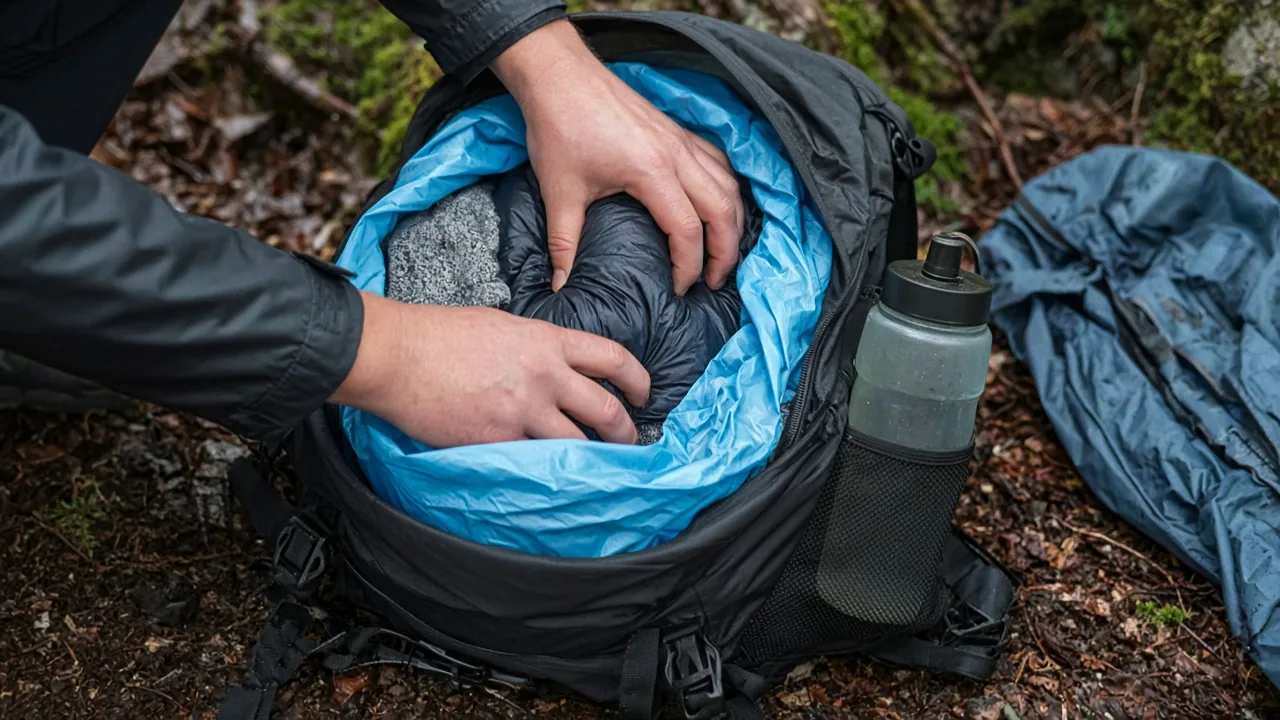
The Eja has a front stash pocket that works for a water filter, trash, or a spoon, and stretch side pockets that let you pull a water bottle without taking the pack off. That layout is convenient, but it does not replace a waterproofing plan.
Use a pack liner for dry clothes and your sleeping bag or quilt. The pack fabric is not rated as completely waterproof, and water can work through seams and zippers during sustained rain. Test the side pockets with your own bottle before you rely on them. Some bottles fit easily, while wider bottles can pop out when the pack flexes.
Safety Check: Never Use a Stove or Heater Inside Your Tent
When planning cold-weather or rainy trips, remember that you still need a safe cooking area. Never use a stove or heater inside your tent. Carbon monoxide builds up even in a vented tent, and liquid fuel or hot surfaces create a fire risk. Cook outside and away from your tent, and follow the manufacturer’s instructions for your stove. If rain forces you under a vestibule, make sure there is enough airflow and no part of the burner can touch fabric.
Common Mistakes When Moving to a 48L Backpack
A smaller pack rewards discipline. If you overload it, assume every pocket will fit your gear, or ignore water resistance, the Eja can become a comfort problem instead of a lightweight solution.
Overloading Past the Pack’s Practical Comfort Range
The Eja is light for a framed pack, but it is not a heavy hauler. Keep total weight within what the hip belt can transfer. Above about 33 lb, or 15 kg, many hikers notice the frame starts to feel less stable and the hip belt compresses more. That is not a defect. It is the pack telling you the load is outside its design range.
Osprey’s heavier packs have higher load limits, but they weigh more. If your total pack weight regularly climbs past 33 lb, a larger women’s pack with a stronger suspension may carry better even though the empty weight is higher.
Assuming Hip Belt Pockets Will Fit Your Phone
The Eja’s hip belt pockets are useful for small snacks, lip balm, or a compact camera, but they are too small for many modern phones. If you plan to keep your phone there, you may be disappointed.
The practical fix is to test the pockets with your own phone before buying or add a shoulder-strap phone pouch. That keeps the phone accessible and leaves the hip pockets for small items you want to grab without stopping.
Forgetting to Re-check PFC-Free or Recycled Fabric Claims
The Eja line has used recycled materials and PFC-free construction in recent models, but fabrics can vary by production year. If you care about PFC-free gear, confirm the current model and hang tag rather than assuming every Eja is the same. PFCs are still common in water-resistant coatings on clothing, tents, sleeping bags, and shoes, so checking matters if that is part of your buying decision.
Storing the pack clean and dry and avoiding sharp trail debris will also help the fabric last longer, especially with lighter recycled face fabrics.
For a low-volume multi-day kit around 13–15 lb base weight, the Eja 48L works. Before packing, check your trip type, nighttime lows, and rain forecast. If you need climbing gear, long food carries, or bulky winter insulation, choose a larger pack. If you are going backpacking this weekend, weigh your kit, walk with the pack loaded, and make sure you have a stove plan that keeps cooking outside the tent and away from sleeping areas.
This article is general information about camping gear, not professional safety, medical, or wilderness training. Check fire restrictions, weather, and campsite rules before you go, and follow the manufacturer's instructions for your own equipment.
FAQ
Is the Osprey Eja 48L big enough for multi-day backpacking?
It can work for 2-3 days with a compact kit and about a 13-15 lb base weight. For longer food carries, bulky cold-weather gear, or climbing equipment, a 50-70L or larger pack is usually a better choice.
How is the Osprey Eja 48L different from the Exos 48L?
Both weigh about 2 lb 10 oz and use the AirSpeed suspended mesh back panel. The main difference is fit: the Eja is shaped for female proportions, while the Exos follows a men's/unisex pattern.
What is the practical weight limit for the Osprey Eja 48L?
The Eja works best when total pack weight stays around 25-33 lb. Above about 33 lb, many hikers notice the frame feels less stable and the hip belt compresses more.
Should I size up if I am between Eja frame sizes?
Yes, the safer move is to choose the larger frame and adjust it down. A pack that is slightly too small can shift weight onto your shoulders and reduce hip belt effectiveness.
Is the Osprey Eja 48L waterproof?
No, the Eja is not completely waterproof. Use a pack liner for dry clothes and your sleeping bag or quilt, especially in sustained rain.



