NatureHike Ultralight Down Quilt Review: Cool Weather Value
This NatureHike Ultralight Down Quilt review breaks down configurations, temperature limits, packability, and draft problems for budget-minded backpackers.
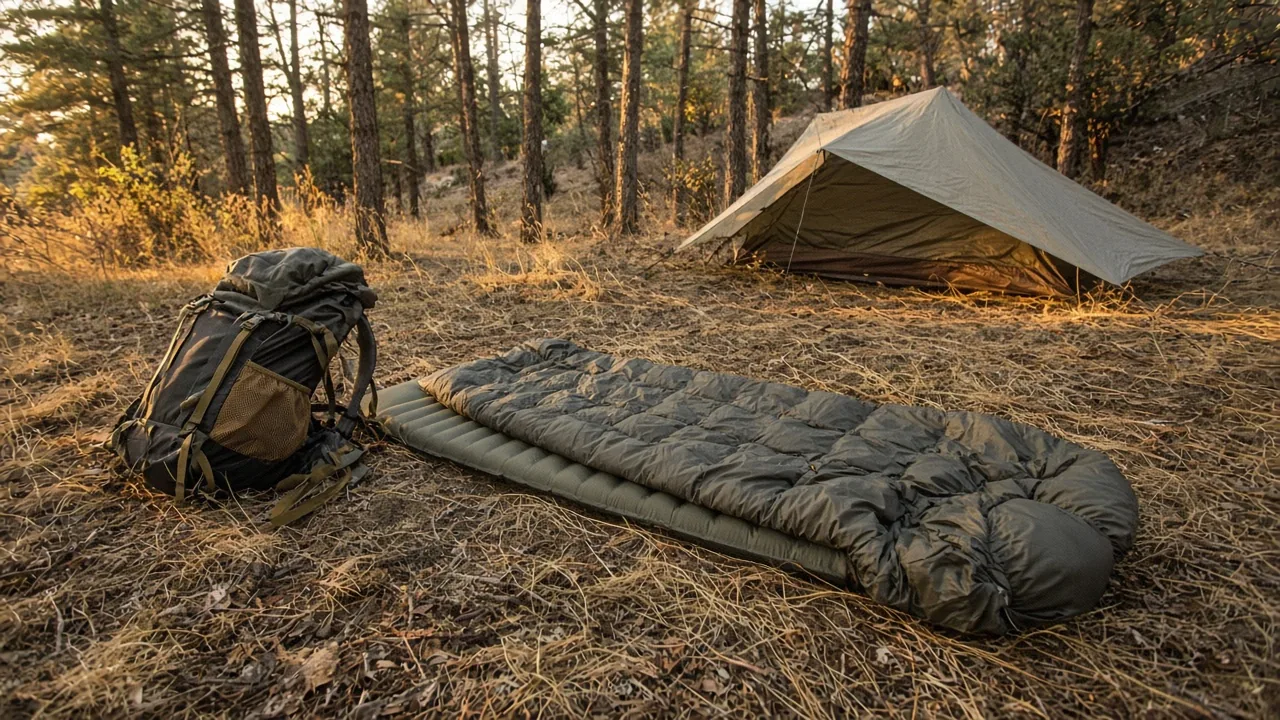
This quilt earns consideration as a light three-season sleep layer for budget backpackers, but cool weather pushes it toward summer-night duty unless you stack it with another bag. In this NatureHike Ultralight Down Quilt review, I'll walk through the configurations, temperature behavior, packability, and the draft issues that show up once nights drop toward 40°F. Think of it as a versatile quilt with real limits, not a do-everything sleep system.
NatureHike Ultralight Down Quilt Review: Configurations and Key Specs
The NatureHike Ultralight Down Quilt uses a duck-down fill and a full YKK perimeter zipper. That zipper is the defining feature because it lets you run the quilt in several different modes depending on the night's temperature and how much you move around in your sleep.
Four Ways to Set Up the Quilt
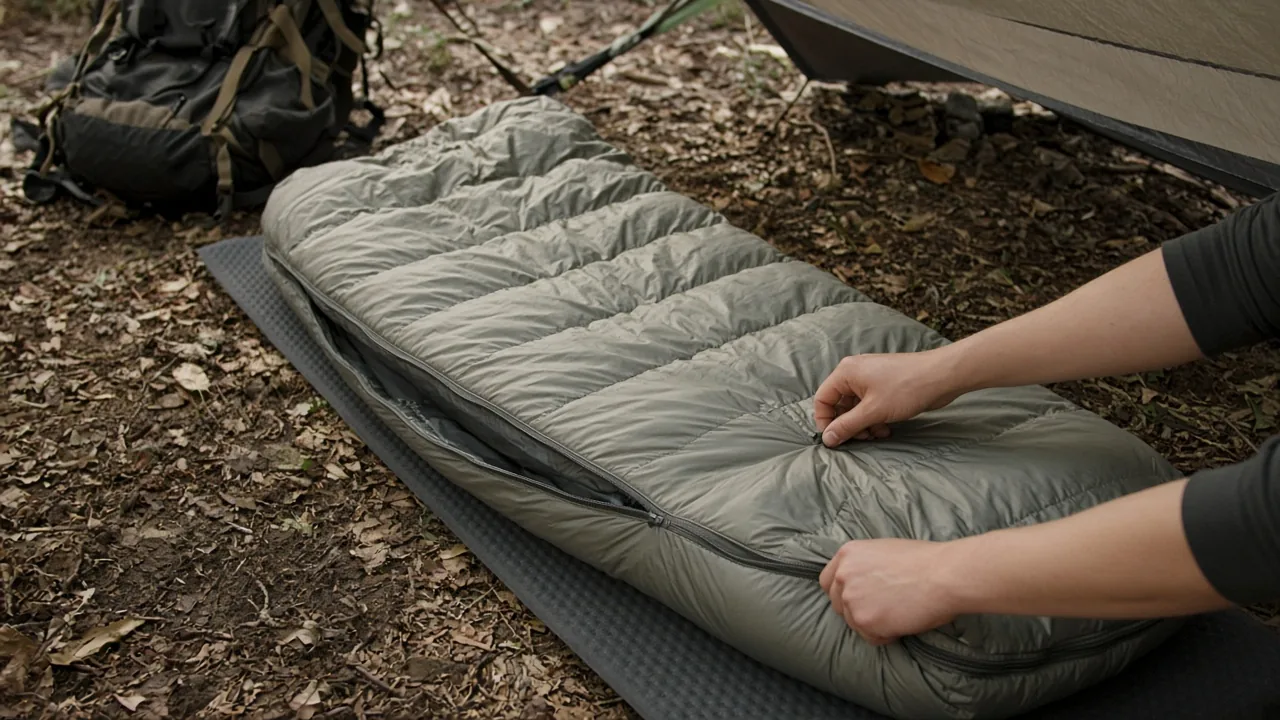
The full perimeter zipper gives you four usable setups. Fully unzip the quilt and it becomes a flat blanket for mild nights or for draping over another sleeping bag. Zip the foot section and you get a top quilt with a footbox, which works well for hammock camping or for backpackers who dislike the confinement of a mummy bag. Close the side zipper and the quilt becomes a roomy sleeping bag, though without a hood. You can also use it as a hammock overquilt when the underside is already insulated by an underquilt or a pad.
This flexibility is the main reason the quilt appeals to backpackers who camp in different styles across a season. One piece of gear covers several roles, which matters when you are counting ounces and trying to avoid buying multiple sleep systems.
Large vs. Small: Weight, Size, and Temperature Ratings
The large version weighs 1.74 pounds and carries a comfort rating of 42°F. The small version weighs 1.30 pounds and carries a comfort rating of 51.8°F. The large measures 78.7 by 31.5 inches, while the small measures 74.8 by 28.3 inches. Colors include green and blue.
The temperature gap between the two sizes is significant. The large quilt gives you roughly ten degrees more comfort range, which is worth the added 0.44 pounds if you expect nights in the low 40s. The small version makes more sense for warm summer trips where pack weight matters more than extra loft. If you are between sizes or unsure, the large version is the safer pick because the comfort rating is lower and the extra width helps reduce drafts.
Packed Size and Included Accessories
The large version packs to about 13.7 by 6.3 inches in its compression sack. The small version packs to about 10.2 by 4.7 inches. Either size is compact enough for backpacking, especially when compared with traditional car-camping bags that can take up half a pack.
The quilt comes with a compression sack and a mesh storage sack. The mesh sack matters more than it looks at first glance. Down loses loft when stored compressed for long periods, so keeping the quilt loose in the mesh sack between trips helps preserve the fill. The compression sack is for trail use, where packed volume matters.
Cool-Weather Performance: How the Quilt Holds Up at 40°F and Below
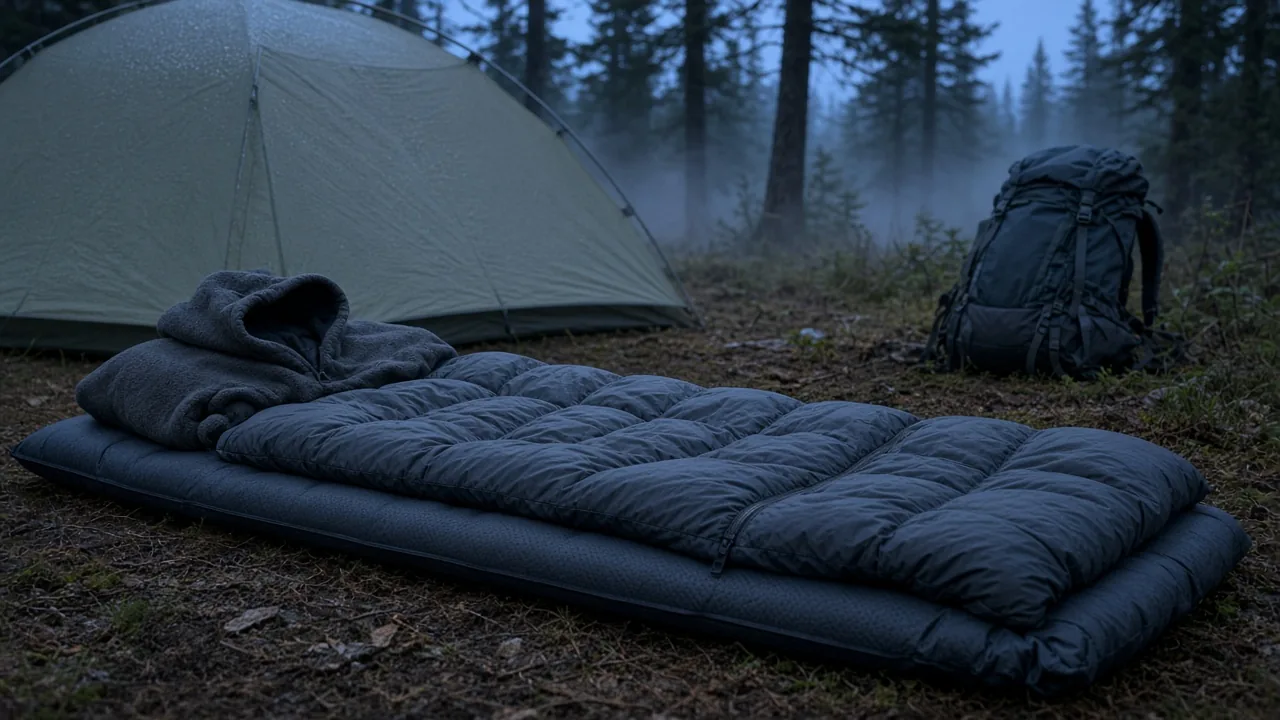
The reviewer reports staying warm near or slightly below the 42°F comfort rating, making this quilt most predictable for late spring through early fall trips. Below that range, the missing hood and the uninsulated zipper line start to work against you.
Comfort Rating vs. Real-World Use
A comfort rating is a starting point, not a guarantee. Your pad's R-value, the wind, humidity, and your own sleep metabolism all change how warm you feel. The same quilt that feels toasty at 45°F on a calm night with a high R-value pad may feel cold at 42°F in a damp valley with a thin foam pad underneath.
Consider the NatureHike rating as a realistic comfort number for average conditions, not a limit you should push without backup clothing. The quilt is not rated with an ISO comfort and limit split, so you have less information than you would with brands that publish both numbers. If you sleep cold or camp in exposed sites, give yourself a buffer above the stated comfort rating.
Layering the Quilt With Your Current Sleep System
The quilt works well as a warmth booster when paired with a sleeping bag you already own. If your existing bag is roomy enough, you can slide the quilt inside and add insulation close to your body. If the bag is cut slim, drape the quilt over the top instead. The exact warmth gain depends on fit, layering order, and how much the quilt compresses the bag's loft underneath.
This layering approach turns the NatureHike into a shoulder-season piece. A 42°F quilt over a 20°F mummy bag extends the system further than either piece would manage alone. Just avoid layering two quilts or bags so tightly that you crush the down. Insulation works by trapping warm air in the loft, and compressed down cannot trap much air.
No Hood at 40°F: Workable, With a Hoodie
The hoodless design trims weight, and the reviewer plus several commenters say a hooded fleece or sweatshirt handles head warmth on cool nights. At 40°F on a calm night, a hoodie is usually enough. In wind or rain, or once temperatures drop into the 30s, you will notice the missing hood more because your head radiates a disproportionate share of body heat.
A buff or beanie also works, but a hooded layer is the most practical solution because it covers the neck and ears in one piece. If you already sleep in a puffy jacket with a hood, that is another option that requires no extra gear in your pack.
Packing, Weight, and Backpacking Suitability
For backpacking, the quilt's sub-2-pound weight and compact compression size beat most car-camping bags. The packed cylinder is small enough to fit horizontally into the bottom of a backpack, but it still needs a dry place in your pack.
Why Packed Size Matters More for Backpacking Than Car Camping
Car campers can tolerate bulk and weight because the vehicle carries the load. Backpackers need room for food, shelter, extra layers, water, and a stove. A bulky sleeping bag forces compromises elsewhere, such as hanging gear off the outside of the pack or leaving behind a warm layer.
The quilt's 10- to 14-inch packed cylinder fills that role well for its temperature range. It is not an ultralight 340-gram summer bag, but it is far more packable than a traditional rectangular bag. The compression sack lets you crank it down further, though over-compressing down repeatedly will reduce loft over time.
Quick Weight Comparison Against Common Alternatives
At 1.30 to 1.74 pounds, this quilt is lighter than the Kelty Cosmic Down 20 at 2.34 pounds and far lighter than the Big Agnes Dream Island 15 at 6.99 pounds. Those comparisons are not perfectly apples-to-apples because the Kelty is a warmer bag with a hood and the Big Agnes is a double bag, but the numbers show where the NatureHike fits.
If you want one bag for cold nights, the Kelty gives more range. If you want a light layer for warm trips, the NatureHike is the lighter choice. If you are car camping with a partner, weight barely matters and the Dream Island's comfort wins.
Zipper Drafts, Down Leakage, and Other Complaints
The most repeated user complaint is that the zipper line lacks a draft tube, so cold air leaks through in cooler conditions. Several reviewers also mention minor feather shedding. These issues are the trade-off for the quilt's low price and convertible design.
Missing Draft Tube: The Zipper Leak Problem
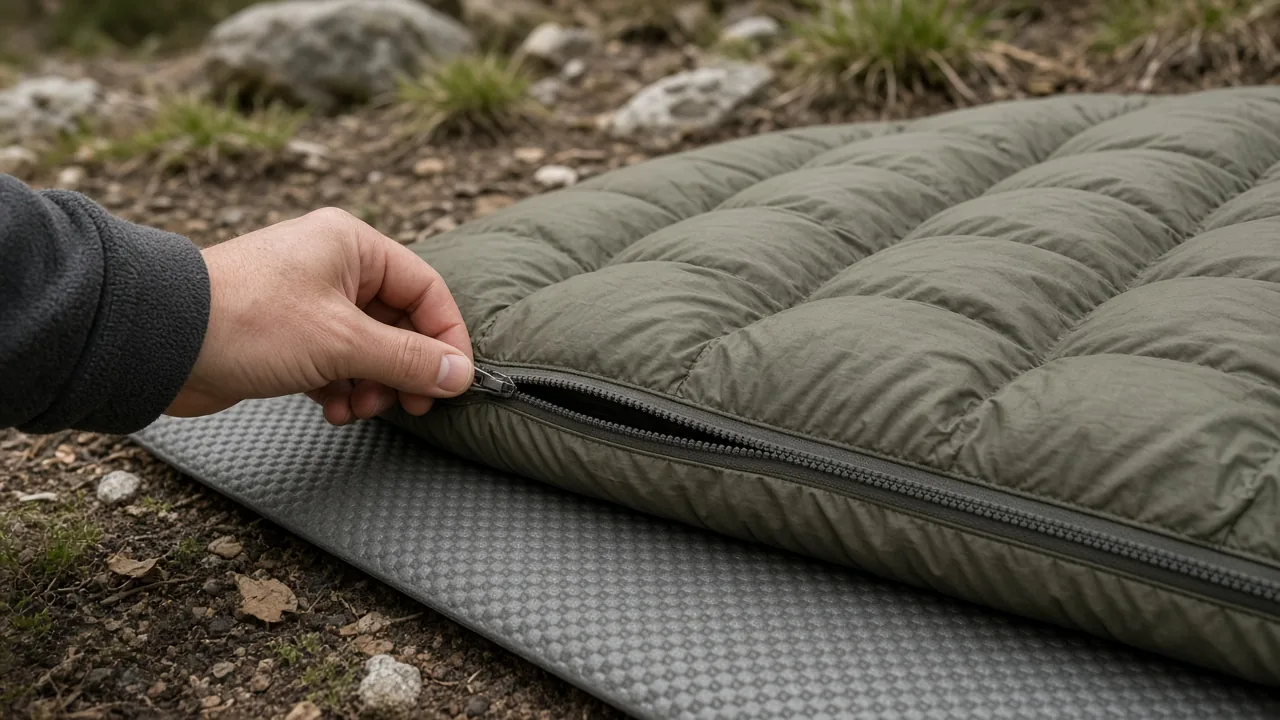
Without a draft tube behind the zipper, heat escapes along the side in cold weather. A draft tube is a strip of insulated fabric that sits behind the zipper to block air movement. Most quality sleeping bags include one. The NatureHike quilt does not, and reviewers who used it near its comfort rating noticed the zipper line felt cold even when the rest of the quilt was holding heat.
This makes the bag perform more like a summer or warm-shoulder-season piece than a true three-season quilt. You can reduce the problem by positioning the zipper under your body or by tucking a jacket along the zipper line, but that is extra fiddling at night. If you camp in the 40s regularly, budget for a hoodie and accept some cold spots along the zip.
Down Leakage and Quality Control Notes
Expect a few small feathers per trip. One long-term user reported about five or six feathers after each outing over six months. That is not severe, but it does mean the shell is not perfectly downproof. Over many trips, gradual feather loss can reduce loft, so the mesh storage sack and gentle handling matter.
Several commenters also report that NatureHike quality control varies enough that you may need to inspect the zipper and seams on arrival. Some units arrive with loose threads or an uneven zipper. If something looks wrong, exchange it before your trip. The design is capable, but the execution is not always consistent from unit to unit.
Who Should Buy the NatureHike Ultralight Down Quilt
Buy it if you want a versatile, packable, budget down layer for summer or mild-shoulder-season backpacking and are willing to add clothing or another bag when nights drop below about 45°F. The quilt suits someone who camps in a range of conditions and wants one piece of gear that can shift roles.
Good Match: Warm-Weather Backpackers and Layer Stackers
This quilt suits hikers who primarily sleep in 45°F to 60°F weather. At those temperatures, the comfort rating holds, the missing hood does not matter much, and the zipper draft is less noticeable. The quilt is also a good fit for people who already own a sleeping bag and just need a flexible warmth booster for shoulder-season trips.
Hammock campers will appreciate the quilt mode, especially paired with an underquilt. Car campers who want a lighter, more packable option than a traditional sleeping bag without spending a lot more will also find value here.
Who Should Skip This Quilt
Skip it for wet coastal trips, condensation-heavy shelters, or nights consistently below 40°F, unless you plan to pair it with a properly rated bag. The quilt's down fill and zipper design work against you in those conditions.
Poor Match: Winter Trips and Damp Conditions
Down loses insulation when wet. In a condensation-heavy single-wall tent, a tarp setup without solid overhead coverage, or a coastal trip with fog and drizzle, the quilt's down fill can absorb moisture and lose loft. Synthetic insulation or hydrophobic down handles those conditions better. The Snugpak Softie 6, for example, uses synthetic fill that still provides some warmth when damp.
Without solid draft protection along the zipper, cold spots are more noticeable in winter. A quilt that works at 45°F can feel like a different piece of gear at 30°F. If your trips consistently dip below 40°F, a hooded bag with a draft tube and a lower comfort rating is the safer choice.
How to Layer and Care for the Quilt
Use the quilt inside a roomier bag or over the top of a mummy bag to extend a sleep system, and store it loose in the mesh sack when you are home. How you pack and store down gear directly affects how long it keeps performing.
Layering With a Sleeping Pad or Existing Bag
A higher R-value pad underneath works with the quilt to keep you warmer. Many backpackers focus on the bag and forget that the ground pulls heat out of the body. A pad with an R-value of 4 or higher makes a bigger difference at 40°F than any small adjustment to the quilt itself.
Adding the quilt over a hooded mummy bag can cover the no-hood weakness. The mummy bag's hood keeps your head warm while the quilt adds loft across the torso and legs. If the mummy bag is snug, drape the quilt over top rather than trying to fit it inside.
Storage and Washing Basics
Long-term compression damages down loft, so keep the quilt in the mesh storage sack between trips. The compression sack is for the trail, not for months in a closet. When down is stored compressed, the filaments lose their ability to spring back, and the quilt becomes noticeably less warm over time.
Follow the manufacturer's cleaning instructions for down fills. Most down quilts need a front-loading or gentle cycle with a down-specific detergent, then a long low-heat dry with dryer balls to break up clumps. Avoid fabric softeners and avoid wringing the quilt when wet.
Tent Safety: Keep Heat Outside
Never use a stove or heater inside your tent. Fuel-burning appliances produce carbon monoxide, which can build up quickly in a closed space, and any open flame or hot surface near tent fabric creates a serious fire risk. Keep stoves, heaters, grills, and charcoal outside the tent and away from the vestibule area. Warm up outside with a hot drink or a hot water bottle, not a stove running next to your sleeping bag.
Alternatives to the NatureHike Quilt
The Kelty Cosmic Down 20 gives you more cold-weather range and better draft protection, while the Snugpak Softie 6 offers synthetic insulation if you expect damp conditions. Each serves a different need, so the right choice depends on your typical trip conditions.
Comparison Table: Weight, Temperature Rating, and Best Use
| Sleeping Bag or Quilt | Weight | Comfort Rating | Fill Type | Best Use |
|---|---|---|---|---|
| NatureHike Ultralight Down Quilt (large) | 1.74 lb | 42°F | Duck down | Backpacking, summer to mild shoulder season |
| NatureHike Ultralight Down Quilt (small) | 1.30 lb | 51.8°F | Duck down | Backpacking, warm summer nights |
| Kelty Cosmic Down 20 | 2.34 lb | Approximately 20°F | Down, RDS certified | Backpacking, three-season cold nights |
| Snugpak Softie 6 | 2.65 lb | Approximately 32°F | Synthetic | Damp conditions, around 32°F |
| Sea to Summit Spark I | 0.75 lb | Limit 41°F | Down | Ultralight summer backpacking |
| Big Agnes Dream Island 15 | 6.99 lb | Approximately 15°F | Down | Car camping, two-person comfort |
The NatureHike sits in a useful middle ground: lighter than a full three-season bag, warmer than a true summer ultralight, and far less expensive than premium options. But it is not a substitute for a hooded winter bag when the forecast drops below its comfort rating.
Final Check: Is This Quilt Right for Your Next Trip?
Check the forecast, note whether you are backpacking or car camping, and decide if the expected nighttime low stays above the quilt's realistic comfort range before packing it. For warm summer trips or as a layering piece over a rated bag, the NatureHike earns its place. For wet forecasts or nights consistently in the 30s, consider adding a warmer bag or a synthetic layer. Pair it with an insulated pad, keep the compression sack for trail days only, and store it loose between trips.
This article is general information about camping gear, not professional safety, medical, or wilderness training. Check fire restrictions, weather, and campsite rules before you go, and follow the manufacturer's instructions for your own equipment.
FAQ
What temperatures is the NatureHike Ultralight Down Quilt suitable for?
The large version has a comfort rating of 42°F and works best from about 45°F to 60°F. Below 40°F, the missing hood and zipper drafts become more noticeable, so layering or a warmer bag is recommended.
Can the NatureHike Ultralight Down Quilt be used as a sleeping bag?
Yes, the full YKK perimeter zipper lets you zip it into a roomy hoodless sleeping bag, use it as a top quilt with a footbox, or open it flat as a blanket.
What are the main complaints about this quilt?
The most repeated complaint is cold air leaking through the zipper because it has no draft tube. Some users also notice minor feather shedding and occasional quality-control issues with zippers or seams.
How should I store the NatureHike down quilt between trips?
Store it loose in the included mesh storage sack rather than compressed. Long-term compression reduces down loft and warmth, so keep the compression sack for trail use only.
Who should skip this quilt?
Skip it for nights consistently below 40°F, wet coastal trips, or condensation-heavy shelters unless you pair it with a warmer bag. Down loses insulation when wet, and the zipper lacks draft protection.



