Lightweight vs Heavy-Duty Backpacking Pack: How to Choose
Match trip length, base weight, and camp comfort to frame, fabric, and fit before choosing a lightweight or heavy-duty backpacking pack.
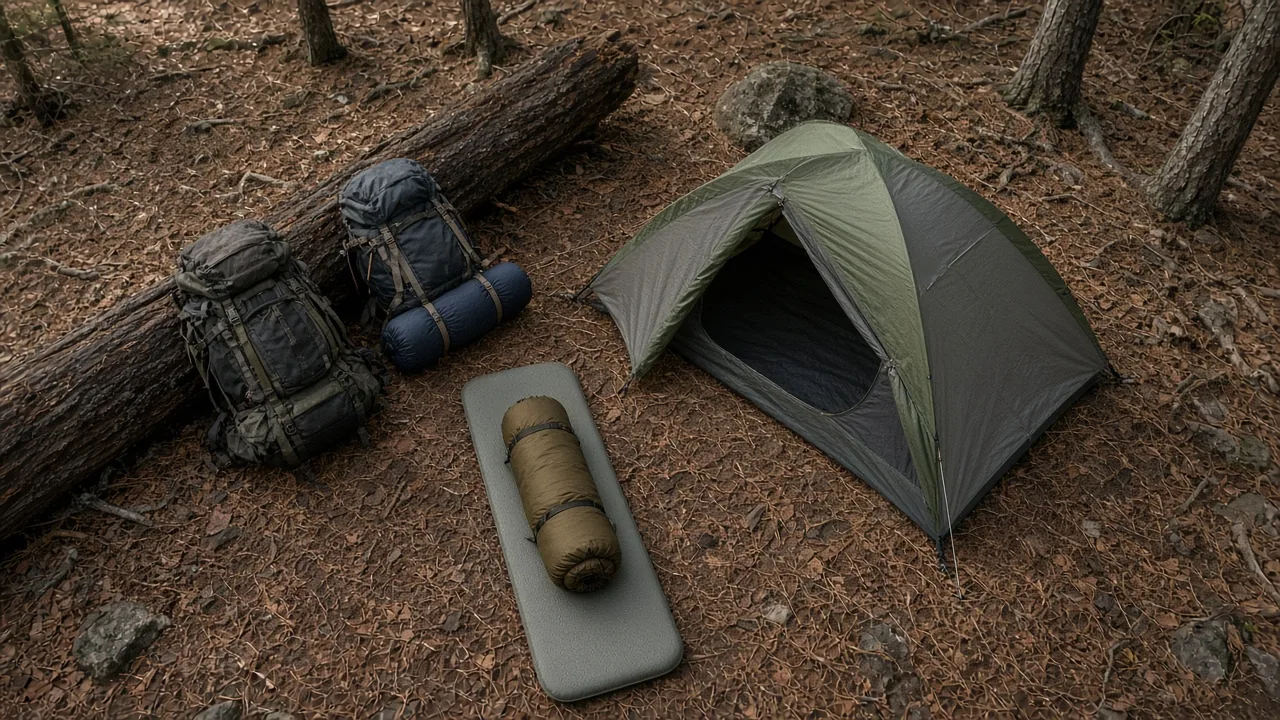
You can pick the right pack by first matching trip length, base weight, and how much comfort you want in camp versus on the trail, then checking frame, fabric, and fit. The lightweight vs heavy-duty backpacking pack decision is not about buying the lightest or toughest bag you can find; it is about matching the pack to the load you will actually carry. A short summer overnighter and a week-long food carry demand different packs, even if both trips use the same trails.
Match the Pack to Your Trip Type
Start with the trip, not the pack. A one- or two-night trip in mild weather rarely needs the same suspension, volume, and fabric as a six-day carry through rough terrain. If you pack for the trip you actually take, the pack decision becomes much easier.
What is base weight, and why should you know it?
Base weight is the weight of your core gear before food, water, fuel, and the clothes you are wearing: pack, tent, sleeping bag, sleeping pad, stove, cookware, and extra layers. A well-chosen lightweight kit can land near 15 lb total and fit into a 34-liter pack. That same 34-liter pack will feel soft and unstable if you add several days of food, extra water carries, or winter layers on top of a heavy base weight.
Knowing your base weight tells you how much load the pack frame and hip belt actually need to support. A 15 lb kit works in a compact, lightly framed pack. A 25 lb base weight plus food and water pushes you toward a suspension system with more structure and better load transfer to your hips.
Car camping vs backpacking: what changes your pack choice?
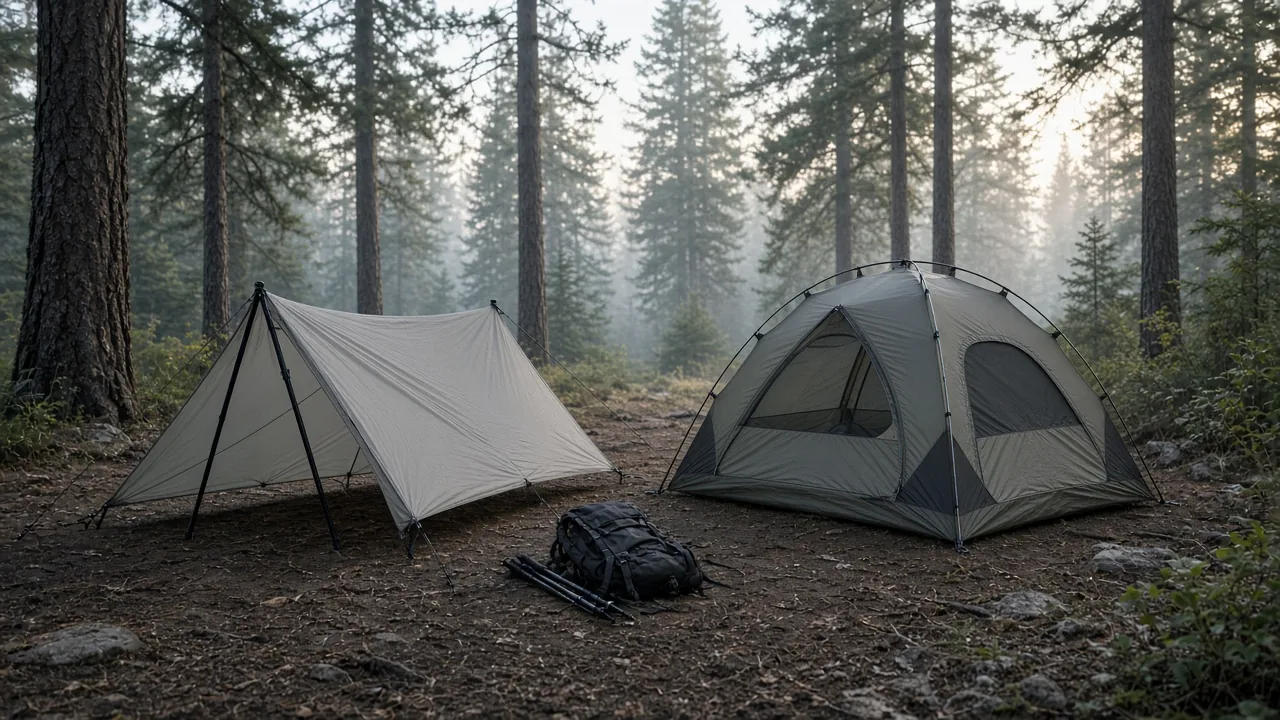
For car camping, volume and setup convenience usually matter more than weight. You can carry a big, comfortable pack with lots of pockets, because you are only moving it from the trunk to the picnic table. Packed size barely matters.
For backpacking, packed size and on-trail comfort become the first filter. Every pound rides on your shoulders and hips for miles. A pack that is too large encourages overpacking; a pack that is too small makes you lash gear to the outside where it can snag or get wet. Match the pack to how far you actually walk, not how much gear you could fit in the car.
Lightweight vs Heavy-Duty Backpacking Pack: Frame, Fabric, and Features
Compare suspension, material, and access before price or brand. Both lightweight and heavy-duty packs can carry the same trip if the load stays inside the pack's comfort range. A tough pack underloaded is just extra weight; a light pack overloaded is miserable on the trail.
| Characteristic | Lightweight backpacking pack | Heavy-duty backpacking pack |
|---|---|---|
| Capacity | Often 30–40 L for compact loads | Often 50 L and up for longer food carries |
| Pack weight | Part of a 15 lb total kit when paired with light gear | Around 1.5 kg (3.3 lb) is a reasonable target for durable materials |
| Suspension | Internal frame or ventilated panel adequate for light loads | Suspended mesh frame and shaped hip belt for heavier loads |
| Fabric | Lighter materials, still needs a pack liner for rain | Cordura or reinforced high-wear panels |
| Best use | Short trips with resupply, light base weight, on-trail comfort | Rough trails, longer food carries, bulky bear canisters, cold-weather layers |
How do suspension and hip belts carry the load?
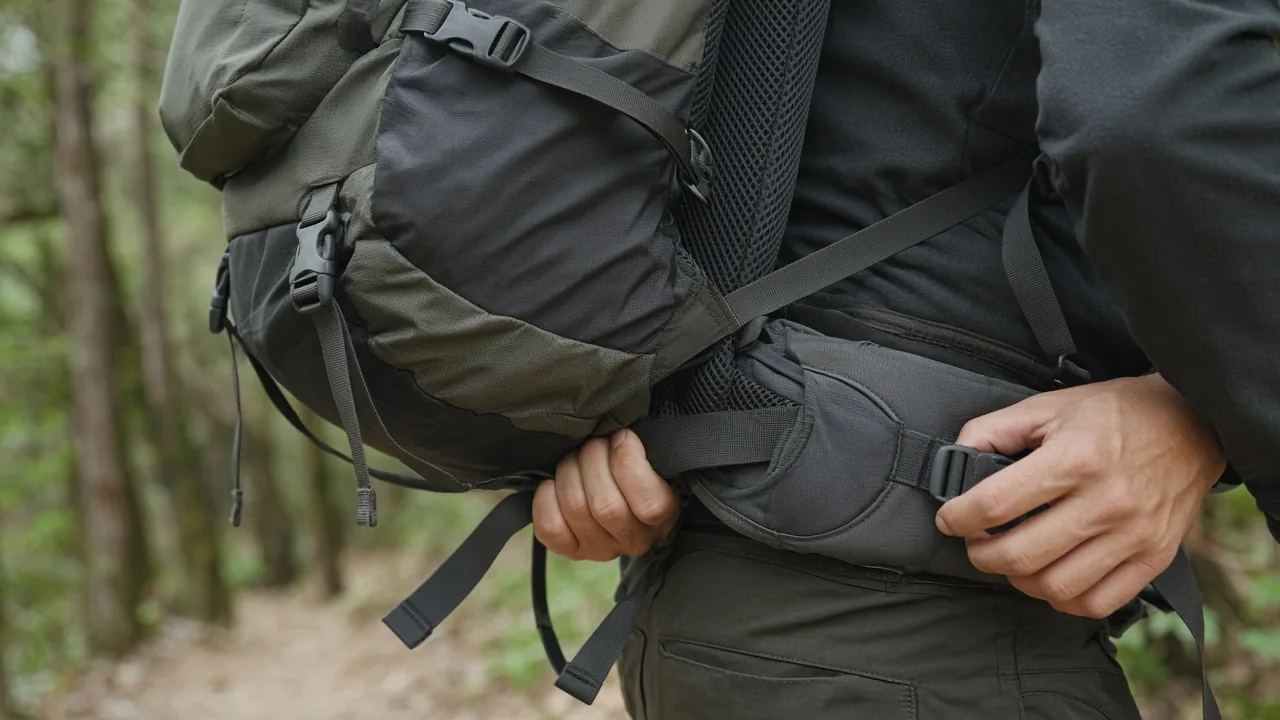
A suspended mesh back and a shaped hip belt should transfer most of the weight to your hips, not your shoulders. Look for a hip belt that wraps around your iliac crest, not your waist. The padding is secondary to the geometry: thicker padding is not always better if it causes rubbing or creates hot spots on long ascents.
Some hikers assume a heavier pack needs a massive hip belt, but the real issue is whether the frame directs weight into the right place. A well-designed frame can make 30 lb feel manageable; a soft or overly padded belt can make 20 lb feel like a bruise after two days. Try the pack loaded, not empty, and walk long enough to notice pressure points.
Does Cordura fabric make a pack too heavy?
Cordura fabric adds abrasion resistance but also adds weight. A heavy-duty pack around 1.5 kg, or about 3.3 lb, is a useful target, but it is not an absolute rule for every trip or every body size. A larger torso, a taller frame, or extra external pockets can push a pack above that number without making it wrong.
The more important question is where the tough fabric sits. Reinforced bottom panels, side panels, and compression straps protect against rock scrapes and brush. A pack made entirely from Cordura may be overbuilt if you mostly hike maintained trails. Choose durable fabric in the high-wear areas, and save weight elsewhere.
Which access and organization features matter most?
Look for a large U-shaped main zipper, angled side pockets for on-the-go access, and a removable top lid for quick summit or camp use. A U-shaped or curved zipper lets you open the main compartment like a duffel instead of digging through a top-loading tube. That matters most when rain is coming and you need your rain jacket fast.
Angled or dual-opening side pockets let you reach a water bottle without taking the pack off. A removable top lid, sometimes called the “brain,” should hold the small items you need often: headlamp, sunscreen, snacks, map, toothbrush, and a small repair kit. If you can unclip it and take it into the tent at night, organization becomes less stressful.
Choosing by Comfort: Trail vs Camp
Decide whether you would rather carry less on the walk or enjoy more space, padding, and easy setup at the end of the day. Very light packs often mean a smaller camp kit and less comfort after dark. Heavier packs let you bring a roomier tent, a thicker pad, and more food without lashing gear to the outside.
When does a lightweight pack make more sense?
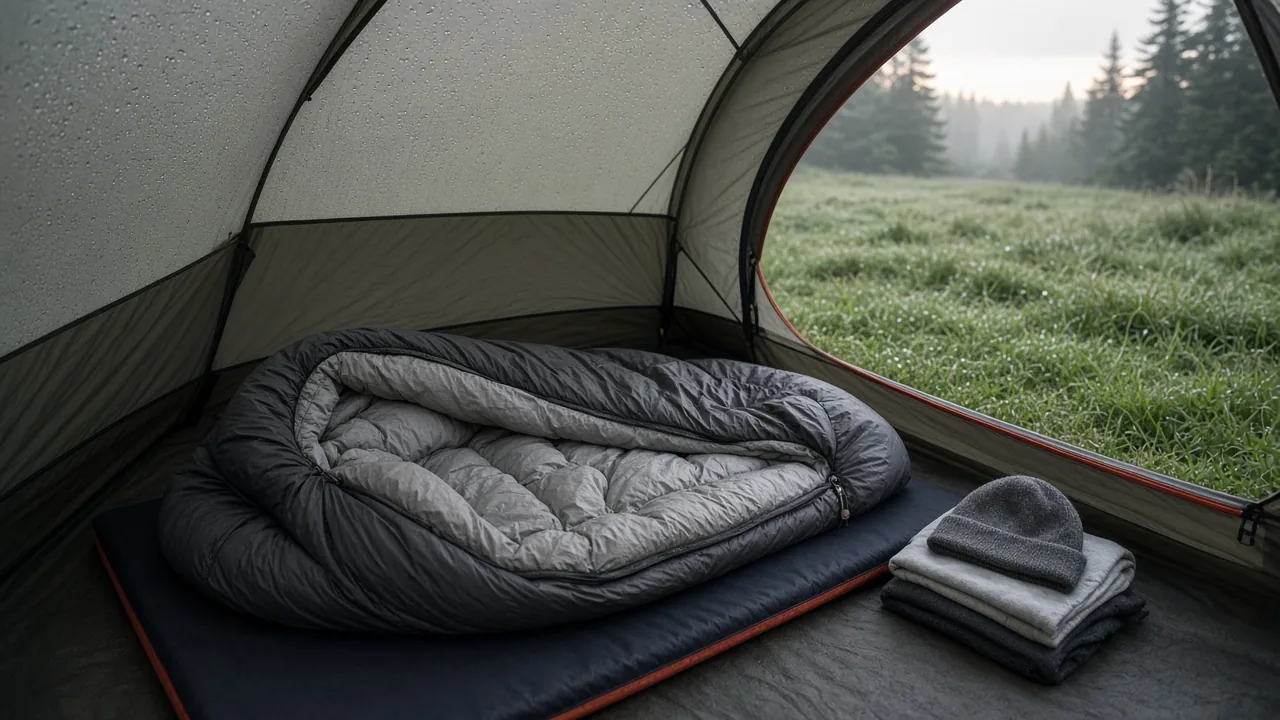
If your total kit stays near 15 lb and you resupply often, a 34-liter pack with a modest frame and careful packing can handle several days. The key is that every item in the pack has to earn its place. A compact sleeping bag, a one-person ultralight tent, a lightweight insulated sleeping pad, and a simple cook system all keep volume low enough to fit in a smaller bag.
That does not mean you need to buy expensive ultralight versions of everything. Packing technique matters just as much. Split the tent poles from the tent body and store them upright along the inside or outside of the pack. Keep food in a thin dry bag, hang it at night where bears or raccoons are a concern, and pack out all trash with a Ziploc bag or two.
When does a heavy-duty pack earn its weight?
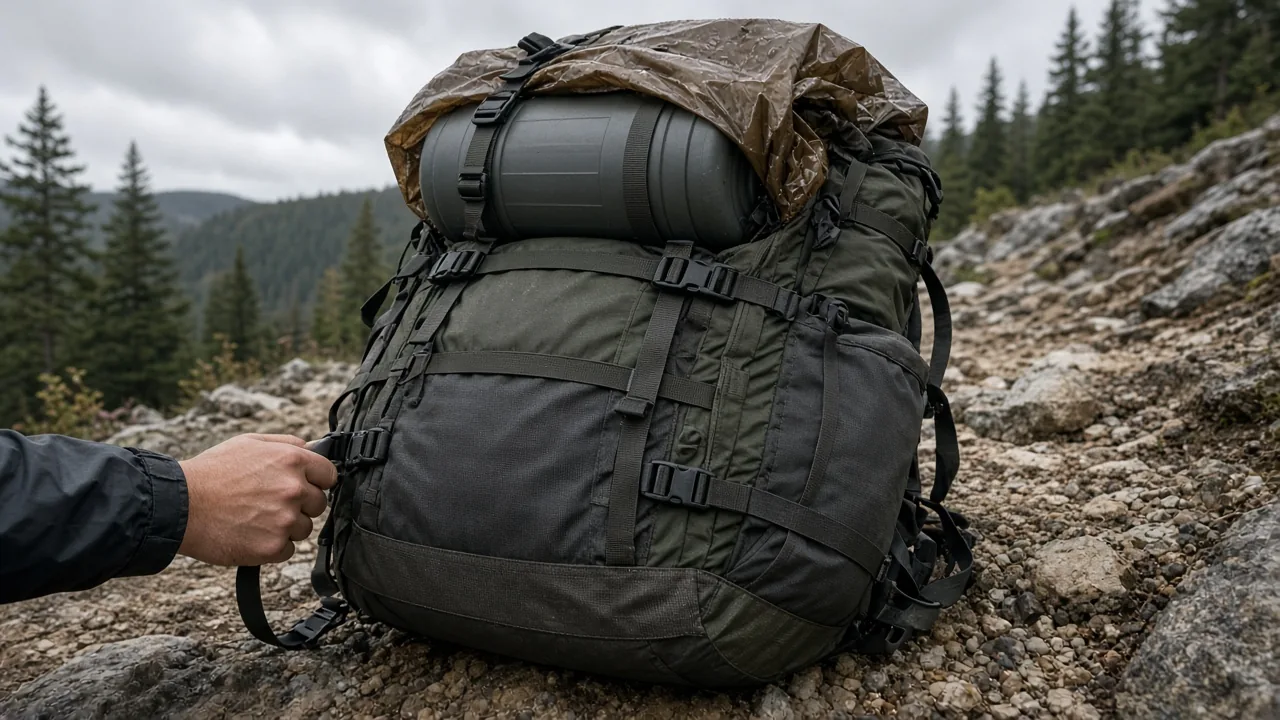
Rough trails, longer food carries, or bulky bear canisters call for stronger fabric, more external attachment points, and a load-bearing frame. A heavy-duty pack with a suspended mesh back and independent sleeping bag compartment becomes useful when you are carrying four or five days of food plus cold-weather layers and a full shelter system.
That type of pack is also easier to organize. Double side pockets, dual hip belt pockets, and a top lid pocket keep essentials reachable. External straps can hold a helmet, ice axe, trekking poles, or a wet tent fly without forcing everything inside the main bag. If the trail includes rock scrambles or off-trail travel, a pack built with reinforced panels will survive contact better than an ultralight shell.
Is 30 lb a realistic middle ground?
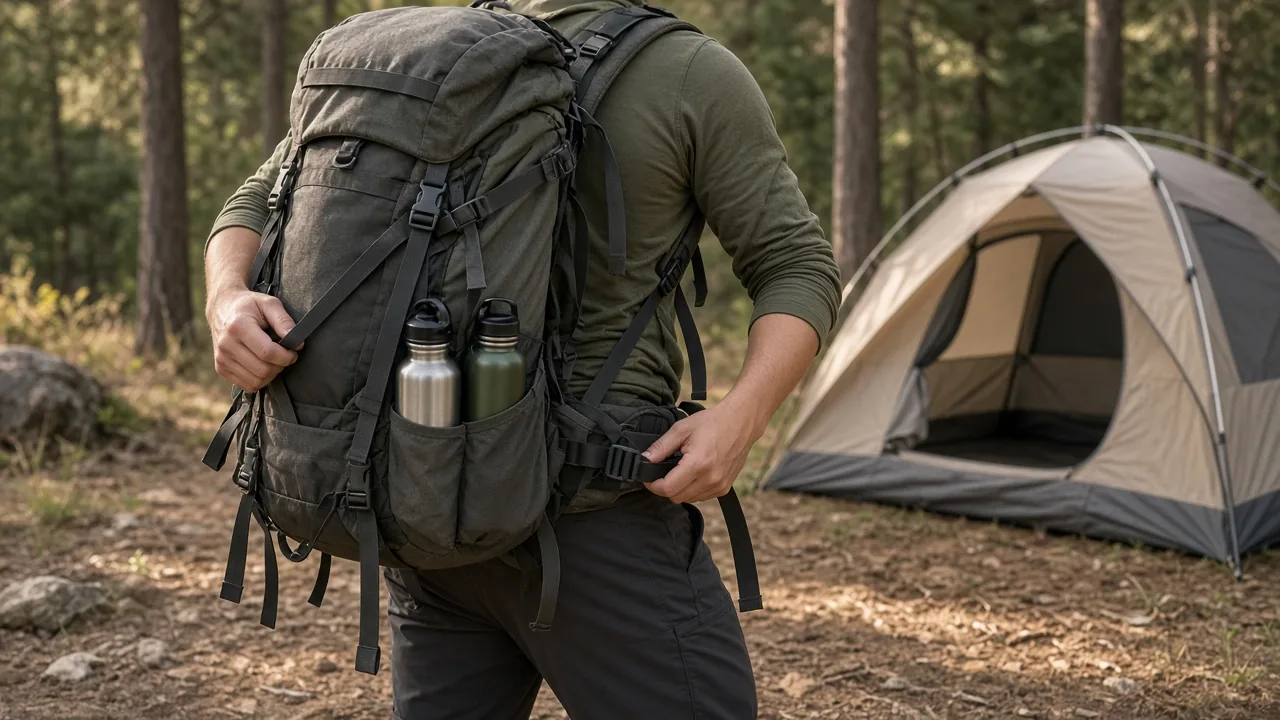
Some hikers find around 30 lb is a realistic compromise between trail comfort and camp comfort. That load is heavy enough to justify a framed pack with a real hip belt, but light enough that you can still move at a normal pace without feeling wrecked by midday.
Test that load in any pack you consider. Load the pack with roughly 30 lb of gear, water bottles, and food bags, then walk stairs, bend over, and tighten the straps. If the frame flexes too much, the hip belt slides down, or the shoulder straps cut in, the pack is not matching the load. The number on the scale matters less than how the pack handles that weight for an hour.
Common Questions About Lightweight vs Heavy-Duty Backpacking Pack
These answers address buying stress, old gear, and safety instead of pushing one brand or price point.
Do I need an expensive ultralight pack to go light?
No. Use the pack type as a checklist, not a shopping list. A trash compactor bag or a couple of gallon-size Ziploc bags can replace costly pack liners and dry sacks. A simple plastic water bottle and a reliable filter can handle water treatment without a pricey hydration bladder.
The point is to reduce unnecessary weight and bulk, not to buy a whole new system. Once you know the volume and frame you need, inexpensive accessories can solve many of the problems that expensive ultralight gear is marketed to fix.
Is a heavy-duty pack overkill for weekend trips?
For many one- or two-night trips, a 40-liter pack is used more often than a big load hauler. If you mostly go out for a night or two, a heavy-duty 60-liter pack may sit in the closet while a smaller pack sees all the trail time.
Match purchase frequency to real trip frequency. If you know you will take one longer trip a year and many short ones, the smaller pack may be the better first buy. A larger pack can be borrowed, rented, or purchased later when the calendar actually fills with longer routes.
What if my old pack is heavy but still works?
Old gear may be fine if it fits and the weight is manageable, but modern packs often save pounds without losing needed load support. Frame materials, hip belt designs, and fabric laminates have improved enough that a newer pack can carry the same load with less strain on your shoulders and lower back.
If your old pack causes hot spots, bruised hips, or shoulder pain after a full day, it is worth trying a few current models in your torso size. If the old pack fits well and the weight does not bother you, keep using it. The goal is comfort and safety, not replacing gear for its own sake.
How do I carry stove fuel safely in any pack?
Store fuel canisters outside the main food area, follow manufacturer instructions, and never use a stove or heater inside your tent. That one rule is non-negotiable: carbon monoxide and fire risk make any enclosed space unsafe for a burning stove or heater.
Keep fuel canisters upright and away from sharp objects that could puncture them. Do not store fuel next to food, which can absorb odors or leak unexpectedly. At camp, place the stove on a stable surface, away from tent walls and dry grass, and check fire restrictions before you light anything.
Final Check: Your Pack Decision Checklist
Run through trip type, total weight, fit, access, and safety. If the pack passes those checks, price and brand matter far less.
- Trip type: Am I walking to camp or driving to it?
- Total weight: Will my loaded pack stay within the suspension's comfort range?
- Fit: Does the hip belt sit on my hips, not my waist, and does the torso length match?
- Access: Can I reach water, snacks, headlamp, and rain gear without unpacking everything?
- Safety: Is fuel stored away from food, and do I know the fire restrictions and bear-safe food storage rules?
Recheck whether you are car camping or backpacking, how cold and wet the forecast looks, and whether your pack's frame and volume match the load. A stove and a rain cover often decide comfort more than the pack's brand name.
— Camp Kit Journal
This article is general information about camping gear, not professional safety, medical, or wilderness training. Check fire restrictions, weather, and campsite rules before you go, and follow the manufacturer's instructions for your own equipment.