Klymit Static V Insulated vs Foam Sleeping Pad: Which Is Best?
The Klymit Static V Insulated outclasses basic foam pads for cold nights and side sleepers because of its 4.4 R-value and air chambers, while foam still works as a moisture barrier or warm-weather backup.
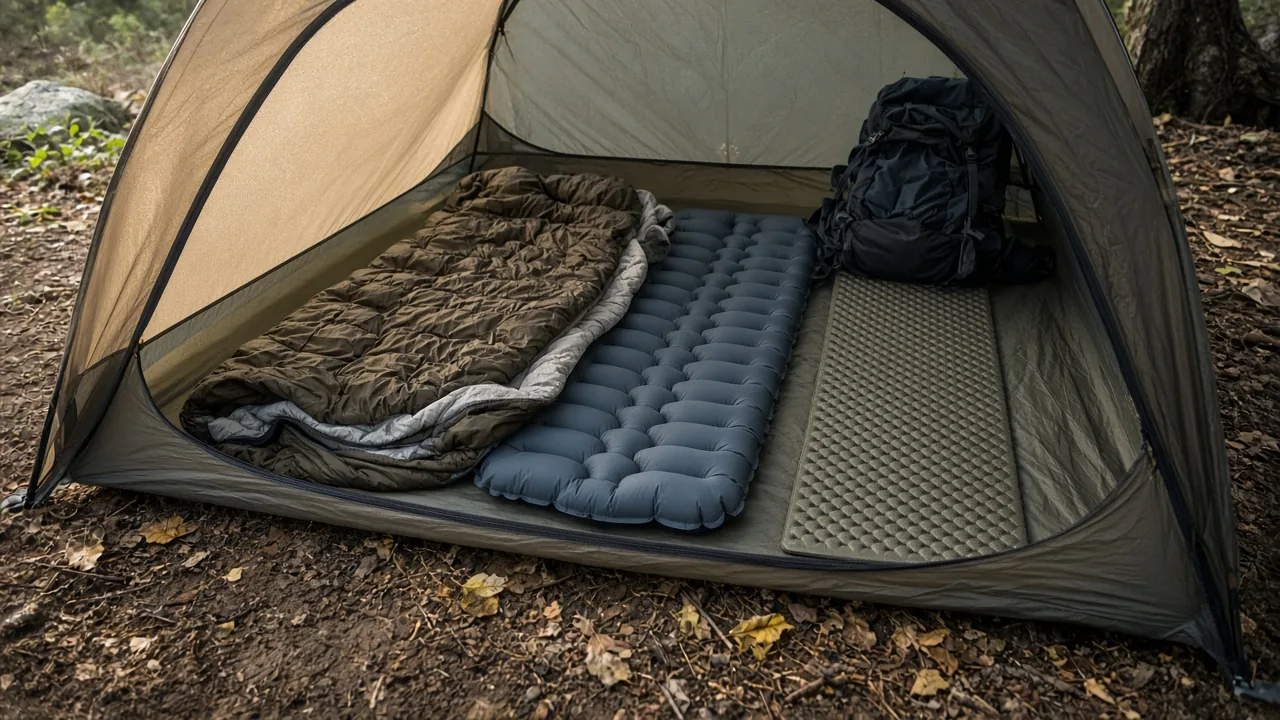
If you sleep cold or on your side, the Klymit Static V Insulated typically beats a cheap foam pad for comfort and warmth. That is the short answer to the Klymit Static V Insulated vs foam sleeping pad question. Foam pads still work as a moisture barrier or backup in mild conditions, but they are not the best primary insulation once nights drop near freezing. Your sleep system is only as good as the pad under your bag, so the choice deserves more thought than price alone.
What Should You Compare in a Sleeping Pad First?
Start with R-value, comfort, and weight, not price, because poor sleep can ruin a trip even when the pad costs less. A pad that leaves you shivering or sore will make every morning harder. Think about what conditions you actually camp in, not just what the tag costs. Comparing those three factors will tell you more than any brand name or bargain label.
R-Value and What It Means for Campers
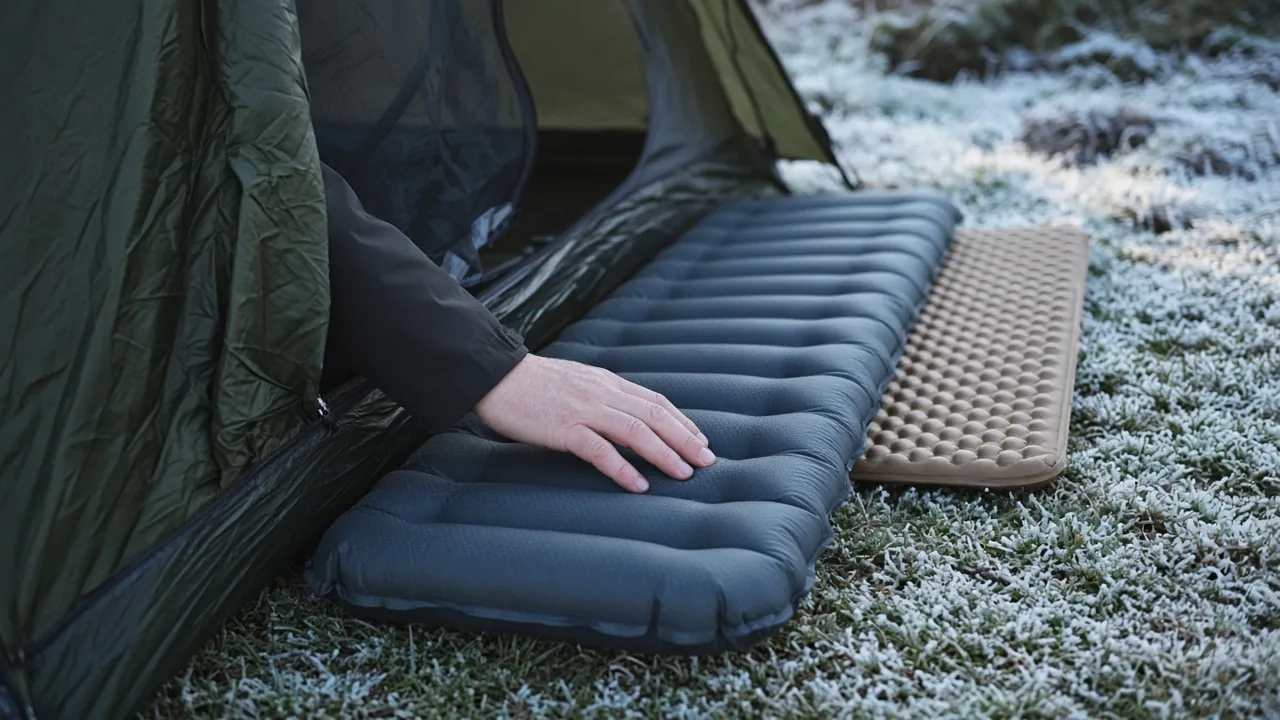
R-value runs roughly 1 to 6, with higher meaning more ground insulation. The Klymit Static V Insulated is rated 4.4, which puts it in four-season territory for many campers. Some basic closed-cell foam pads, such as the Ven Outdoors Travel Light referenced in a comparison test, are only rated 1.6. That is a large gap in cold-weather performance. R-value measures resistance to heat flow, so every full point makes a noticeable difference when the ground is cold.
Comfort for Side Sleepers and Back Sleepers
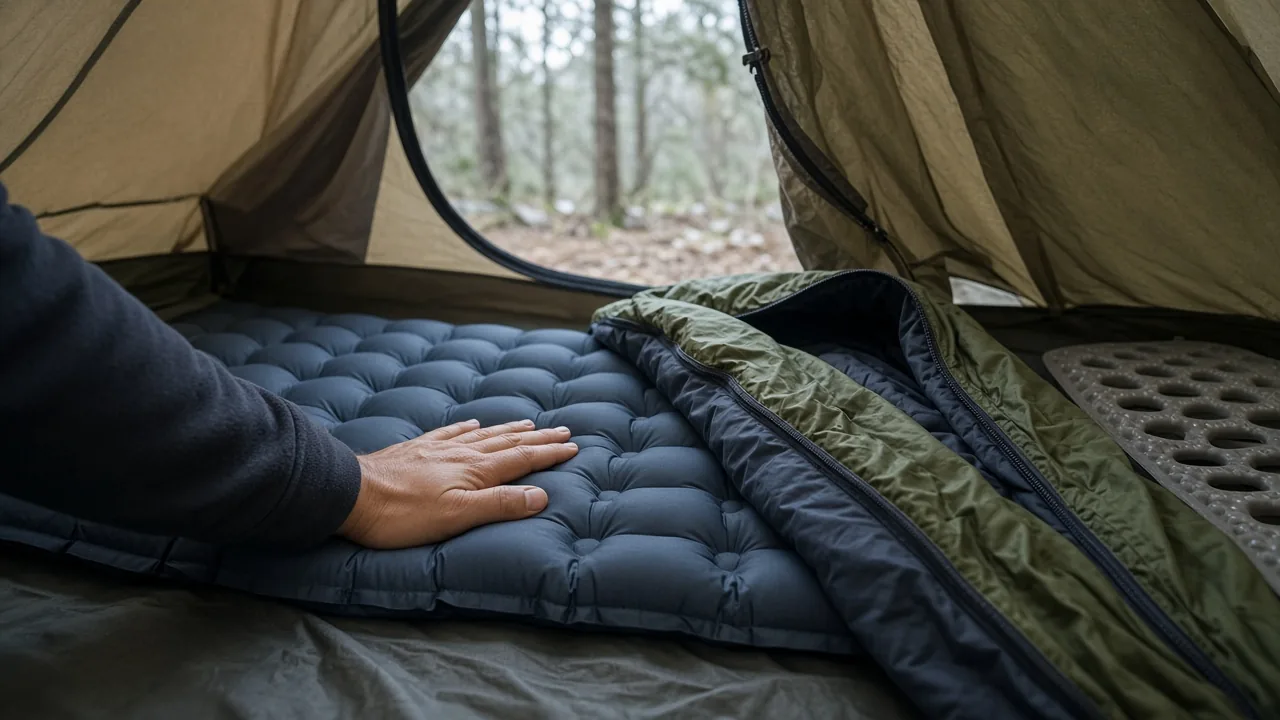
The inflatable pad's air chambers cushion hips and shoulders, which matters most if you sleep on your side. A thin closed-cell foam pad often feels hard under those pressure points, even after you cut it down to save space. Back sleepers may tolerate firm foam better, but most people wake less stiff on an inflatable pad that lets the sleeping bag loft. Comfort is not a luxury; it affects how fast you recover for the next day's hiking.
Weight and Packed Size for Backpacking vs Car Camping
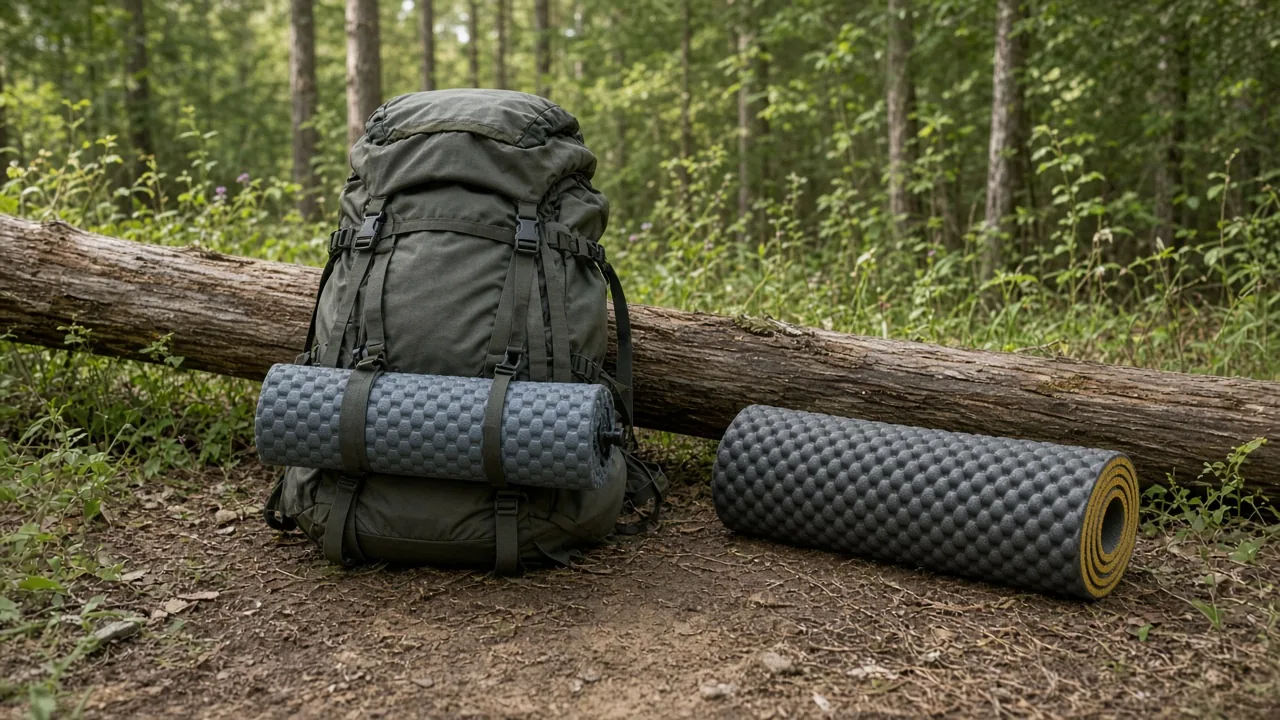
The Klymit Static V Insulated weighs about 19.9 oz in one version and 25 oz in another, depending on length or setup. It packs small enough to fit inside or strapped to a backpack. Foam pads are often lighter but much bulkier, so they are easier to carry for car camping but awkward on a pack. If you are counting ounces and cubic inches, the inflatable pad usually wins despite the slight weight penalty.
Klymit Static V Insulated vs Foam Sleeping Pad: How Do They Compare on Warmth?
Warmth is where the difference becomes obvious. Use this quick table to compare the two before you decide.
| Feature | Klymit Static V Insulated | Closed-Cell Foam Pad (Basic) |
|---|---|---|
| R-value | 4.4 | About 1.6 |
| Weight | 19.9–25 oz | Typically lighter, but varies |
| Comfort | Air chambers cushion hips and shoulders | Firm, often hard on pressure points |
| Packed size | Small, fits in a pack | Bulky, often strapped outside |
| Best trip type | Backpacking, cold nights, side sleepers | Car camping, mild weather, backup use |
For most cold or side-sleeping campers, the inflatable pad is the clearer choice. The foam pad's low R-value limits how much ground chill it can block.
Cold-Weather Performance
Testers reported staying warm in wind, snow, and single-digit Fahrenheit conditions on the Klymit pad. That tracks with its 4.4 R-value, which is high enough for winter-style trips for many campers. A basic foam pad with a 1.6 R-value is not in the same class. In cold weather, the ground pulls heat away from your body continuously, and a thin foam layer cannot slow that transfer enough. If your sleeping bag compresses under you, the pad has to do the insulating work.
Foam Pad Aluminum Coating: Which Way Should It Face?
If you do carry a closed-cell foam pad with a reflective aluminum side, direction matters. Face the aluminum down on damp ground to block moisture. Face it up in cold, high-altitude settings to reflect body heat back toward you. In hot conditions, face it down so you do not trap extra heat underneath. This small setup step changes how the pad behaves in different environments. It does not overcome a low R-value, but it can make a foam pad more useful as a vapor barrier or warm-weather layer.
When Does a Foam Sleeping Pad Still Make Sense?
A foam pad can make sense on wet ground, for quick setup, or when budget is tight. It should not be your main insulation below mild nighttime temperatures. Think of it as a utility layer rather than a primary sleep surface for cold trips.
Damp Ground and Quick Setup
A closed-cell foam pad resists punctures and can be laid down fast when you arrive tired. With the aluminum side facing down, it helps reduce ground moisture in damp sites. That makes it a practical choice for river trips, beach camping, or as a protective layer under an inflatable pad. You can toss it down without worrying about thorns or sharp gravel. The downside is that puncture resistance does not make it warm.
Why Some Campers Still Use Them
Foam pads are common in military or budget contexts because they are cheap and nearly bombproof. But user reports and comparison tests show cheap foam pads often score poorly on comfort and warmth. One tester called a basic 1.6 R-value foam pad a bad purchase after a miserable night. That does not mean foam has no place, but it does mean you should not expect it to perform like an insulated inflatable pad. Some campers still carry a trimmed foam pad as a sit pad, under an inflatable pad for protection, or inside a bivy for emergency insulation.
How Do You Set Up and Care for the Klymit Static V Insulated?
Inflate it with about 10 to 16 breaths, store the included patches and glue, and never use a stove or heater inside your tent. The pad is designed to be simple to set up, but a few habits help it last.
Inflating and Packing It
The maker says 10–15 breaths are enough to inflate the pad. One tester needed about 16 breaths to get it full, so your mileage may vary. Do not overinflate it to rock hardness; leave a little give so the air chambers can cushion your body. To pack it, open the valve and roll from the foot end toward the valve to push air out. It deflates to a small packed size that fits easily in a pack.
Field Repairs and Cold-Weather Tent Safety
Carry the included two patches and glue for punctures. If the pad gets a small hole, clean the area, apply glue, and press a patch on according to the manufacturer's instructions. The pad also has a lifetime warranty, but that does not help at 2 a.m. in the backcountry. In cold weather, rely on your pad and sleeping bag for warmth—never use a stove or heater inside your tent. Carbon monoxide and fire risk make that dangerous even in a well-ventilated tent.
Who Should Choose the Klymit Static V Insulated and Who Should Stick with Foam?
Backpackers, side sleepers, and cold-weather campers will usually prefer the Klymit pad. Warm-weather car campers who can tolerate a firm surface may accept foam. Match the pad to your trip profile rather than buying whatever is cheaper.
Backpackers and Cold Sleepers
The Klymit pad packs small, has a high R-value, and its air chambers let a down sleeping bag loft fully for extra warmth. When a bag's insulation is compressed under your body, it loses much of its ability to trap heat. The pad's chambered design gives the down room to expand beneath you. If you hike in shoulder seasons or high elevations, that combination matters. Many backpackers find the weight penalty over foam worth it for the sleep quality.
Car Campers and Warm-Weather Trips
If nighttime lows are mild and you value low cost, a foam pad can work for car camping. You do not have to carry it far, and the bulk is less of an issue in a vehicle. Expect less comfort than an inflatable pad, especially if you sleep on your side. Some car campers use a foam pad under a self-inflating or air pad for extra protection and warmth, which is a smart way to get both benefits without spending much.
What Is the Better Buy for Most Campers?
For most overnight campers, the Klymit Static V Insulated is the stronger choice. Its comfort, R-value, and packed size outweigh the foam pad's price advantage. A bad night of sleep can shorten a trip, slow your hiking, or send you home early. The Klymit pad costs more than a basic foam pad, but the difference in warmth and comfort is large enough to justify it for anyone who camps below about 40°F or sleeps on their side. If you only camp in warm, dry conditions and want a simple, puncture-proof layer, a foam pad remains a low-cost tool. Just do not expect it to replace a true insulated pad.
Match the pad to your trip: check whether you are heading out by car or on foot, how cold nights will get, and whether rain is likely, then pack your sleep system accordingly. Down sleeping bags pair well with the Klymit pad, but always verify the temperature ratings and weather forecast before you leave. If rain is likely, a foam pad under your inflatable pad can add a measure of moisture protection and puncture defense.
Camp Kit Journal
This article is general information about camping gear, not professional safety, medical, or wilderness training. Check fire restrictions, weather, and campsite rules before you go, and follow the manufacturer's instructions for your own equipment.
FAQ
What is the R-value of the Klymit Static V Insulated compared to a basic foam pad?
The Klymit Static V Insulated has an R-value of 4.4, while some basic closed-cell foam pads are rated around 1.6. That gap means the insulated inflatable pad blocks far more ground chill in cold weather.
Is a foam sleeping pad warm enough for cold-weather camping?
A basic closed-cell foam pad with a low R-value is not in the same class as the Klymit Static V Insulated for cold nights. It can work as a backup or moisture barrier, but is not ideal as primary insulation below mild temperatures.
Which way should the aluminum coating on a foam sleeping pad face?
Face it down on damp ground to block moisture, up in cold or high-altitude settings to reflect body heat back, and down in hot conditions so you do not trap extra heat underneath.
Who should choose a foam sleeping pad instead of the Klymit Static V Insulated?
Foam pads can make sense for warm-weather car campers, damp ground, quick setup, or as a protective layer under an inflatable pad. They are puncture resistant and low cost, but less comfortable.
How do you inflate and pack the Klymit Static V Insulated?
Inflate it with about 10 to 16 breaths and leave a little give rather than overinflating. To pack it, open the valve and roll from the foot end toward the valve to push air out.



