How to Keep Tent Dry in Heavy Rain: Double-Wall Pitching
Learn how to keep tent dry in heavy rain using a fly-first double-wall pitch, pre-attached rainfly, and smart tarp setup to avoid wet floors and wind-blown leaks.
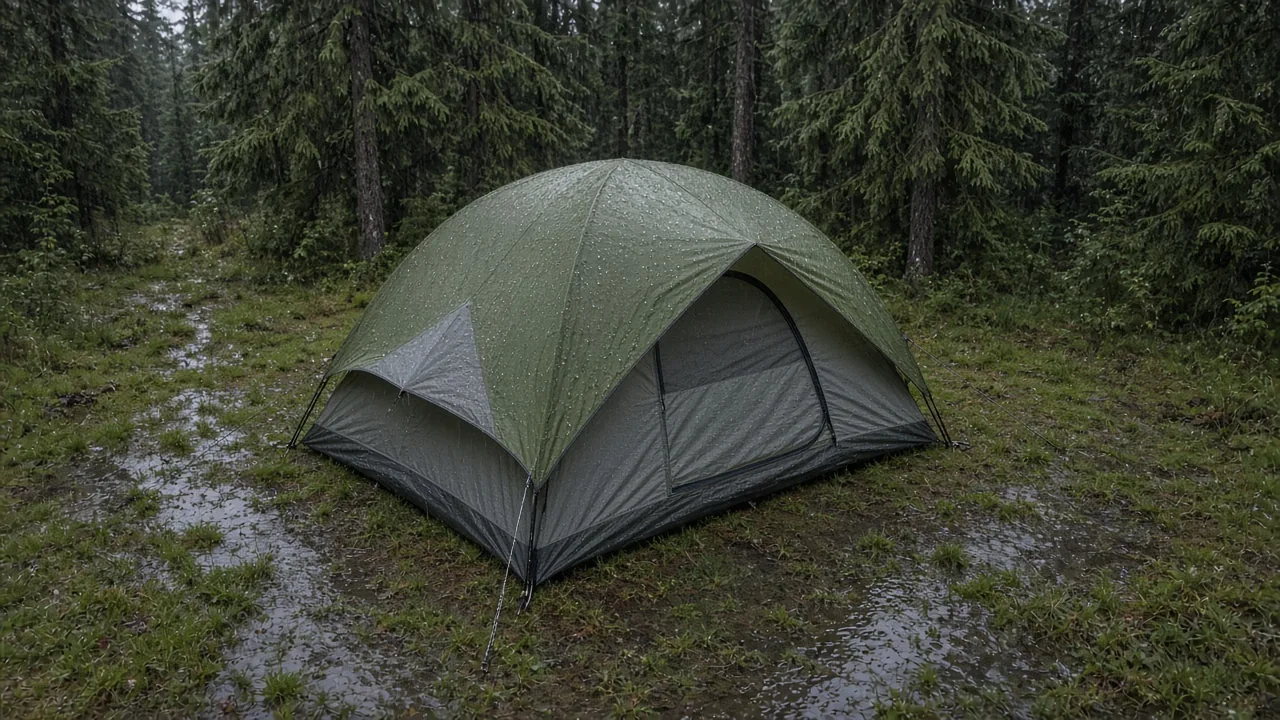
To solve how to keep tent dry in heavy rain, the key with a double-wall tent is to change the pitch order: pre-attach the rainfly to the inner tent before leaving home, then pitch the rainfly and poles first so the inner tent is never exposed to rain. The steps below use one repeatable rule — keep the inner tent covered while you raise the frame — and follow a rainfly-first sequence drawn from real windy rain pitches and tarp shelter methods.
1. How to Keep Tent Dry in Heavy Rain: Pre-Attach the Rainfly
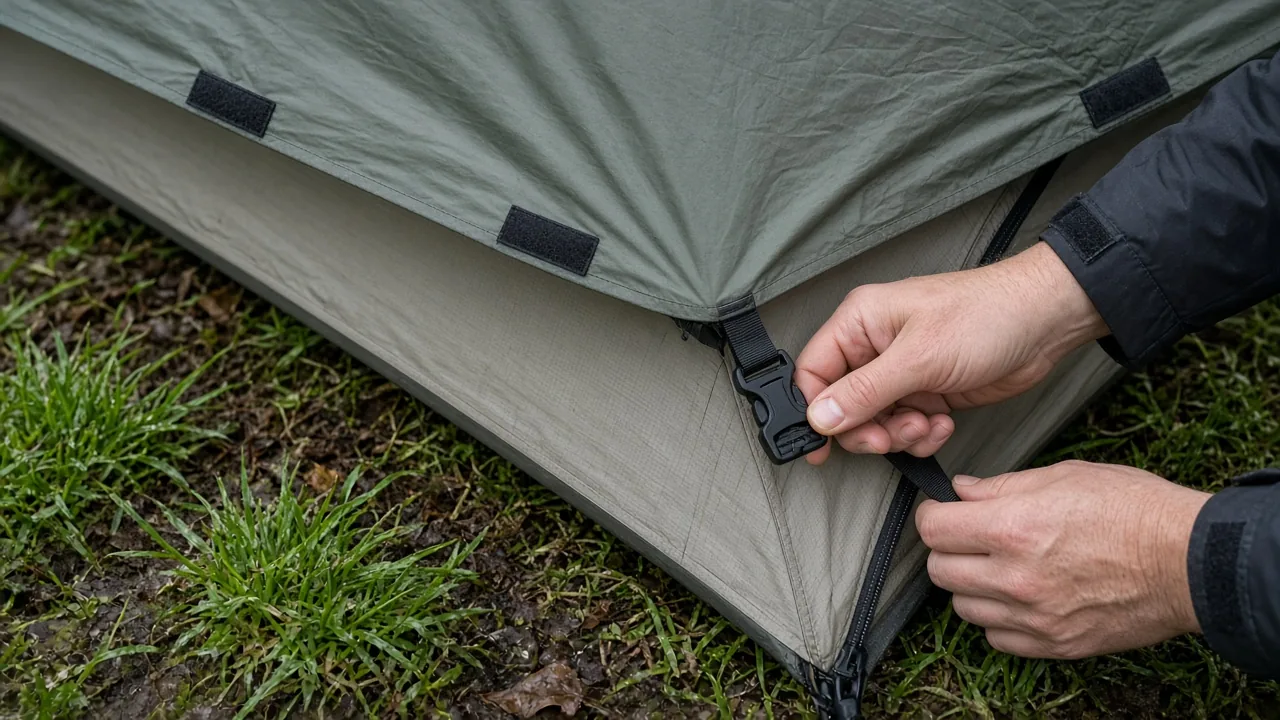
Before leaving home, clip the rainfly to the tent body so the inner tent stays covered during setup and the fly-first sequence is ready to use in rain. This is the single most useful preparation step. When the rainfly is already connected to the inner tent, you do not have to spread a dry inner canopy across wet ground or fumble with separate layers in the wind.
Why it works
Rainfly fabric absorbs only about 2–3 percent of its weight in water. A wet fly adds some grams, but it will not become a soaked, heavy sheet that drips onto the inner tent the way a saturated cotton fabric would. Handling a damp rainfly is manageable. What you want to avoid is handling a dry inner tent in the open while rain falls directly onto it.
Watch out
Not every double-wall tent packs cleanly with the fly attached. Some pole sleeves, clip arrangements, and stuff sacks make a pre-attached fly bulky or awkward. Check at home whether your tent still rolls or folds into its pack size with the fly clipped on. If it does not, you can still use a fly-first sequence at camp, but you will need to be more deliberate about covering the inner tent as you go.
2. What Is the Best Order to Pitch a Double-Wall Tent in Rain?
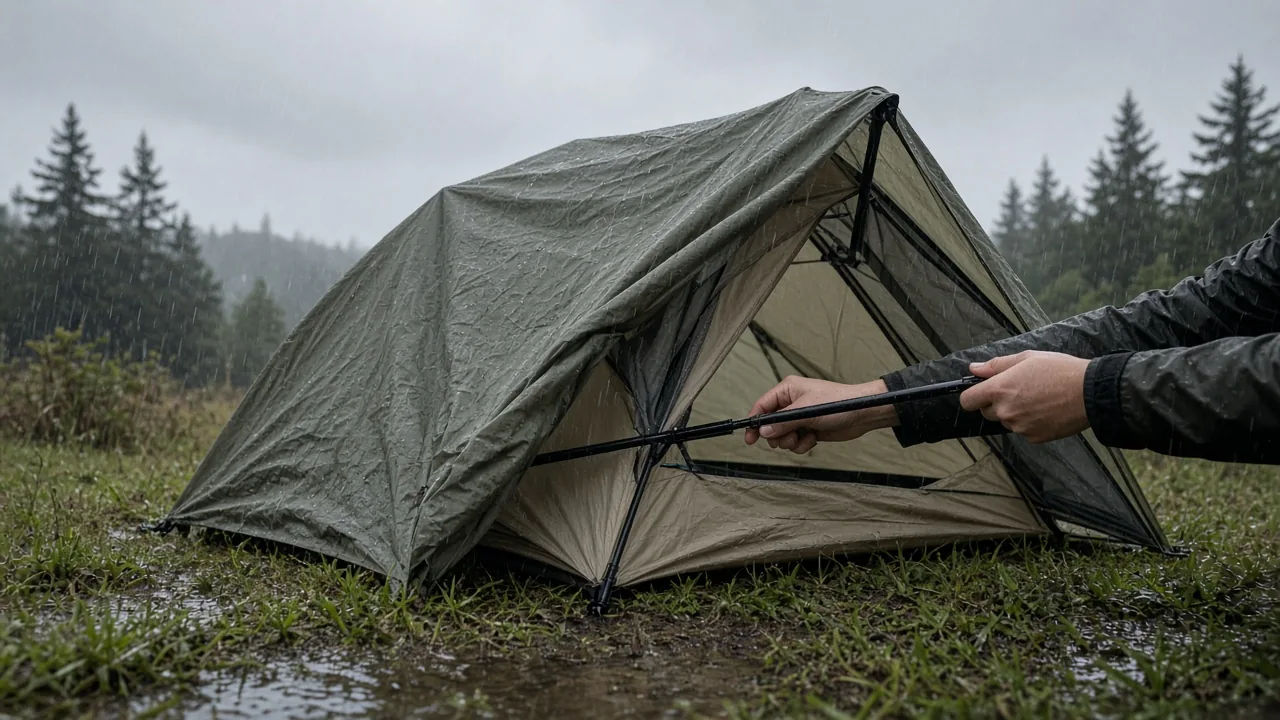
Position the pre-attached fly over the inner tent, slide the poles under the fly, and raise the frame without exposing the inner canopy to rain. Start with the tent body and fly still bundled or lightly spread under the fly. Work the pole sections through their sleeves or clips while the fly remains between the inner tent and the weather. Once the poles are in place, raise the structure and let the fly shed water while you finish the inner connections.
Where this applies
Use this for separate rainfly and inner tent designs when arriving at camp in sustained rain or wind. It also helps during a brief gap in the weather, because the fly-first order gives you a covered shell within the first minute or two of the pitch. If you are setting up on wet ground, the inner tent stays off the mud until the frame is standing.
Limits to note
After a long hike with cold, wet hands and fading light, small hook-and-loop straps become harder to manage. Some campers report that a fly-first pitch works well when they are rested and practicing the sequence, but gets slower when they arrive tired. If your tent relies on tiny Velcro tabs or narrow clips, consider replacing or marking those connections with brighter cord loops before the trip. Practice the motion at home so you are not learning it in the dark with numb fingers.
3. How Do You Clip the Inner Tent Without Letting It Get Wet?
Work from the outside inward: secure one side first, then reach under the fly to clip the inner clips, keeping the inner fabric under the fly's dry shadow. In practice, you set the poles and fly on one side, duck under the fly, and attach the inner canopy clips from the inside. The inner tent never rests on wet ground or sits exposed while you make the far-side connections.
Footprint issue
If your footprint lacks loops for poles or fly, a fly-first pitch with a groundsheet underneath may not work. Some footprints only serve as a floor layer and have no attachment points for the pole ends or rainfly edges. Check before the trip whether your groundsheet works with the fly-first path. If it does not, skip the footprint in heavy rain or bring a simple flat groundsheet that can be positioned after the frame is up.
4. How Do You Stop Rain From Blowing Under the Rainfly?
Tension the fly so it overlaps the inner tent by enough margin, then stake it out fully. In a demonstrated wind-and-rain pitch, the inner head area stayed dry once the fly was tensioned and the overlap covered the inner canopy. A loose fly flaps and lets wind-driven rain push sideways into the gap between fly and inner tent. A taut fly with full staking keeps water running off the outside instead of crossing into the canopy.
High-wind care
In gusts, poles can slip, so add guylines or extra stakes and recheck tension after the tent is up. Wind changes the shape of the frame, which can loosen the fly and reduce the overlap you just set. Walk around the tent after the initial pitch, tighten the stake loops, and add a couple of guylines on the windward side. Check again before you open the inner tent to put in sleeping gear.
5. Why Is the Tent Floor Wet If It Is Not Leaking?
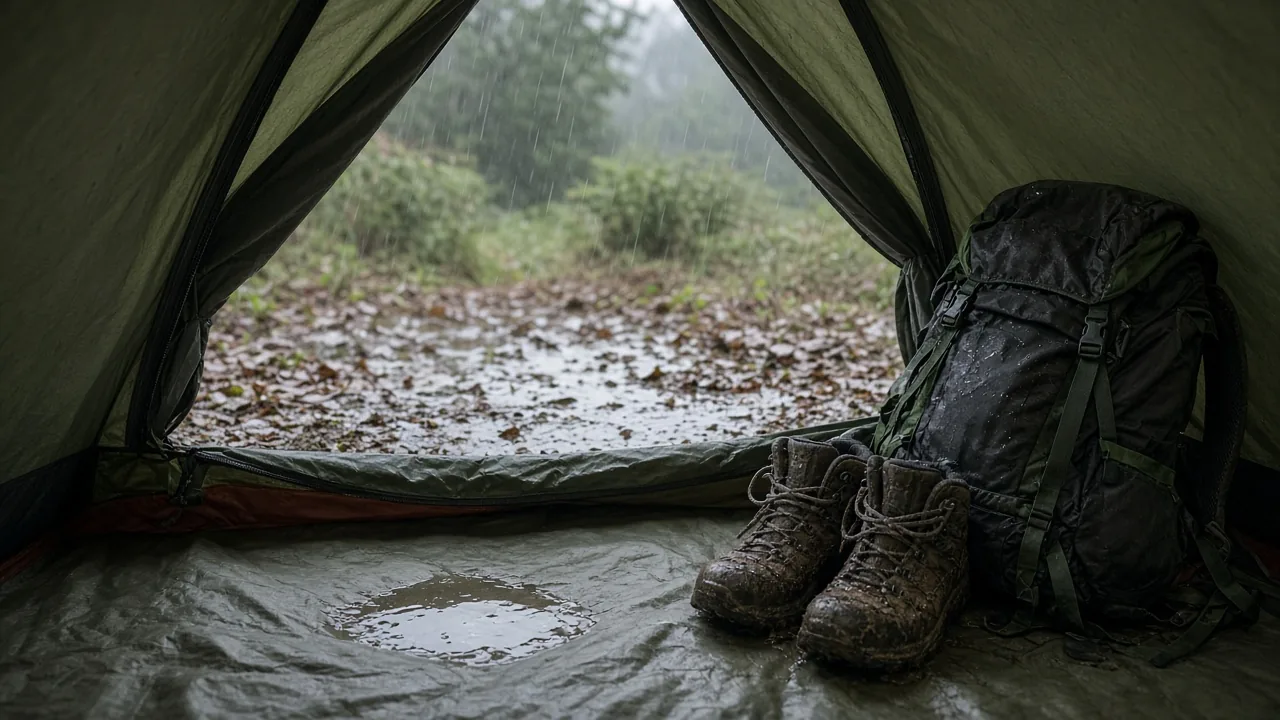
Much of the water on the floor comes from gear, not leaks. You walk into the tent with a wet jacket, set down a soaked pack, or step in with damp shoes, and those items drip or pool on the floor. A pool near the entrance is often carried-in water, not rain coming through the fabric. Before assuming the tent leaks, dry your hands and check whether the water is concentrated where gear was placed.
Gear management
Keep rain jackets, packs, and shoes in a vestibule or outside the inner tent until they are dry, and shake off water before entering. Roll up excess fly fabric near the ground to keep standing water from wicking toward the floor. Never use a stove or heater inside your tent. That is a fire and carbon monoxide risk even in heavy rain, and doing so will not solve floor moisture.
6. Should You Use a Tarp to Keep Your Tent Dry in Heavy Rain?
A rectangular tarp pitched first can create a dry work area, so you can set up the double-wall tent under or beside it when the fly-first method is too hard alone. If you arrive in a downpour with wind and not enough hands, a tarp gives you a covered zone before the tent comes out of the pack. You can pitch the tent under the tarp, then move it into place or leave the tarp over the vestibule area for easier entry.
Tarp setup tips
Stake the second hole instead of the corner, rotate the opposite corner 90 degrees, and use adjustable knots to keep the ridge line tensioned. On a rectangular tarp, the second grommet creates the right starting geometry for a ridgeline shelter. Once the center pole is up and the rear stake is aligned, tension the corners with knots that can be re-tightened as the fabric stretches in rain.
When it fits
A tarp adds weight and pack size, so it is more practical for car camping or short hikes where dry living space matters more than ounces. For backpacking, the extra tarp, guyline, and stakes may not earn their place unless you expect hours of exposed campsite time. For car camping, a tarp can cover the tent door, the gear area, or a small cooking space outside the tent — never inside it.
7. How to Choose a Double-Wall Tent for Wet-Weather Setup
Look for a fly-first or pre-attached pitching path, enough fly-to-body overlap, and clips or buckles you can operate with cold hands. Compare specs instead of assuming any double-wall tent will stay dry. The tent that pitches quickly on a sunny afternoon may be much slower in rain, wind, and fading light. Check how the fly connects, whether the footprint supports fly-first pitching, and how many stakes the fly actually needs.
Pros and cons
A double-wall tent reduces condensation reaching the inner tent, which matters on cool, rainy nights when single-wall interiors often feel damp. But in heavy rain after a hard hike, a double-wall can be slower to pitch than a single-wall or fly-first shelter. The inner tent layer is another step in the process, and that step is exactly what gets harder when your hands are wet and the light is going.
Car camping vs backpacking
For backpacking, check packed weight and size. A pre-attached fly or a footprint with extra connection points may not add much weight, but a full tarp system might. For car camping, easier setup and dry interior space can justify a heavier or bulkier shelter. You are not carrying it 15 miles, and a larger vestibule or faster fly-first design can make a rainy weekend less miserable.
Before you pack, check whether this is a car-camping or backpacking trip, the expected low temperature, and the rain forecast. If the forecast calls for heavy rain, add a tarp for car camping or extra guylines and stakes for backpacking. A pre-attached rainfly at home costs nothing; the time to learn the fly-first order is in the yard, not at a wind-blown campsite after dark.
This article is general information about camping gear, not professional safety, medical, or wilderness training. Check fire restrictions, weather, and campsite rules before you go, and follow the manufacturer's instructions for your own equipment.
FAQ
How do you keep a tent dry in heavy rain?
Pre-attach the rainfly to the inner tent before you leave home, then use a fly-first pitch so the inner canopy never sits exposed to rain while the frame goes up.
What is the best order to pitch a double-wall tent in rain?
Position the pre-attached fly over the inner, slide the poles under the fly, and raise the frame without exposing the inner canopy. Work pole sections through sleeves or clips while the fly stays between the inner and the weather.
Why is my tent floor wet if it isn't leaking?
Much of the water on the floor comes from gear, not leaks. Wet jackets, packs, and shoes can drip or pool on the floor, so keep them in a vestibule or outside the inner until dry.
Should I use a tarp to keep my tent dry in heavy rain?
A rectangular tarp pitched first can create a dry work area, which is especially helpful in wind and downpours when the fly-first method is hard alone. It adds weight, so it is more practical for car camping or short hikes.
What should I look for in a double-wall tent for wet weather?
Look for a fly-first or pre-attached pitching path, enough fly-to-body overlap, and clips or buckles you can operate with cold hands. Check how the fly connects and whether the footprint supports fly-first pitching.



