How to Choose a Hammock Tarp for Your Hammock Size and Camp Style
A practical guide to choosing the right hammock tarp for your hammock length, camping style, expected weather, and weight tolerance—covering shape, fabric, and setup tips.
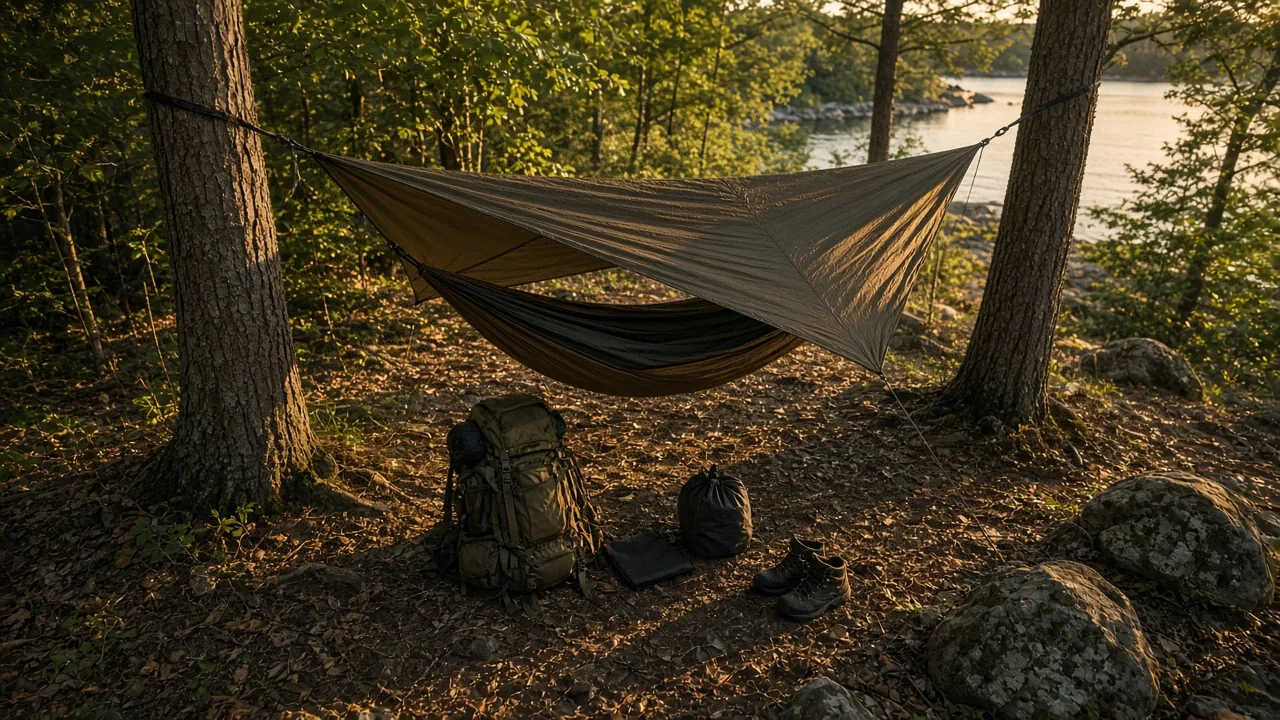
Choosing a hammock tarp starts with two questions: how long is your hammock, and are you backpacking or car camping? A good rule is to pick a tarp that extends 6 to 12 inches beyond each end of the hammock once it is hung at a 30-degree angle. From there, match the tarp shape, fabric, and doors to the rain, wind, and packed weight you expect. This guide explains how to choose a hammock tarp for common hammock sizes and camp styles, so you stay dry without carrying more shelter than you need.
How to Choose a Hammock Tarp by Hammock Size and Camping Style
Hammock Length and Tarp Length
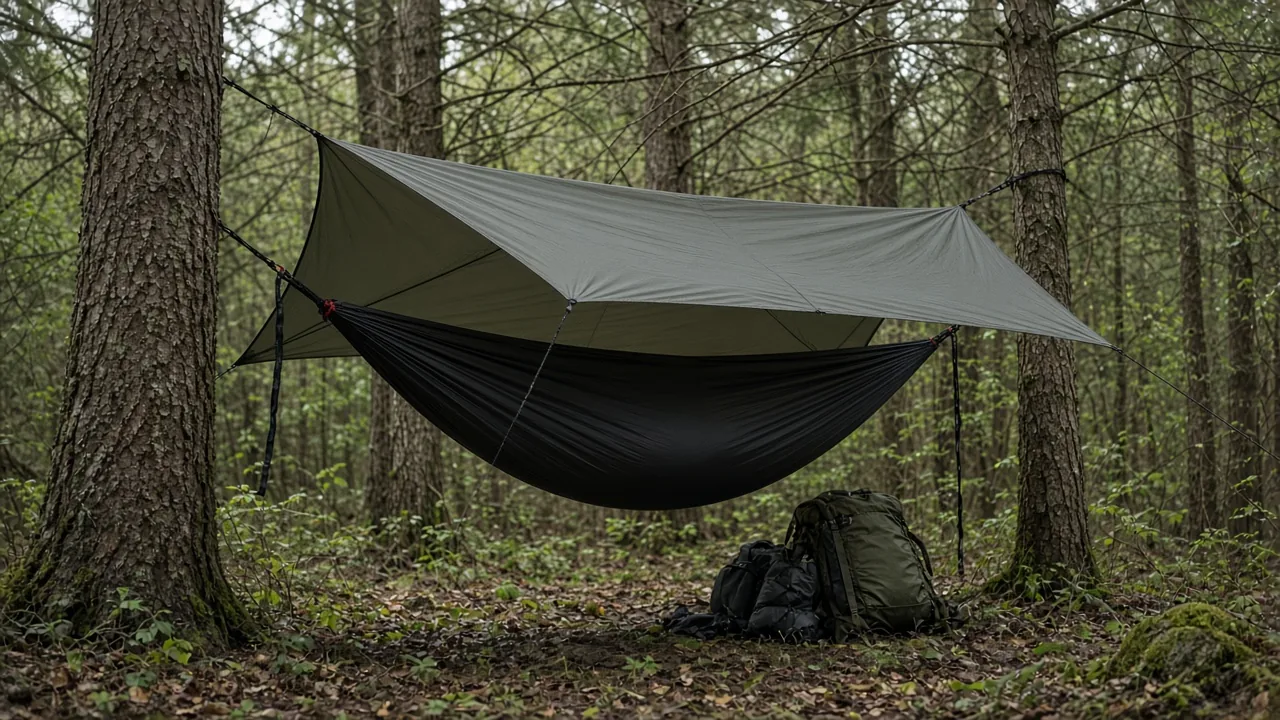
A hammock’s listed length is not the same as the space it occupies between trees. When a 10-foot hammock is hung with a 30-degree sag, its ridgeline—the distance from one gathered end to the other—is roughly 8 feet. An 11-foot hammock hangs closer to 9 feet end to end. That means your tarp does not need to be exactly the same length as the hammock’s full fabric length, but it must cover the occupied ridgeline plus a little extra for rain blow-in.
For a 10-foot hammock, a 10-foot tarp gives useful end coverage in most moderate rain. If you want more margin for wind-driven spray, step up to an 11-foot tarp. For an 11-foot hammock, an 11-foot tarp is the practical minimum, and a 12-foot tarp gives more forgiveness. The extra 6 to 12 inches on each end is not wasted weight—that overhang is what keeps the foot end and head end dry when rain falls at an angle.
Backpacking vs. Car Camping Width
Width matters as much as length, especially when you are trying to keep side-blown rain off an underquilt or sleeping bag. Ultralight backpackers often use a 10-foot tarp that is only about 6 feet wide. That narrow cut saves several ounces, but it leaves little room for error. In anything beyond light vertical rain, you will need to pitch the tarp low and close to the hammock to compensate.
Backpackers who camp more than they hike tend to prefer a tarp around 9.6 feet wide for an 11-foot hammock. That wider panel gives better side coverage without the full weight penalty of a winter tarp. Car campers can go larger without worrying about packed ounces. A 10-foot hammock pairs well with an 11-foot tarp that is at least 10 feet wide, while an 11-foot hammock can take a 12-foot tarp with 10 feet or more of width. The extra fabric makes setup more forgiving and creates more sheltered space for gear at the sides.
Compare Tarp Shapes for Rain Protection and Weight
Shape is where the trade-off between weight, wind stability, and side coverage becomes clear. The most common hammock tarp is the hex cut because it balances these three factors for typical three-season camping. Before you buy, compare the main shapes and what each one does well and poorly.
Asym and Diamond Tarps
Asym tarps are cut to match the diagonal lay of a hammock, covering only the two opposite corners that need the most protection. A square tarp pitched as a diamond—with one corner at each end of the hammock ridgeline—works much the same way. Both options pack small and weigh less than almost any other style. A 9 x 9 foot square pitched as a diamond can produce a ridgeline over 12.5 feet, long enough for most gathered-end hammocks.
The downside is coverage and wind handling. Asym and diamond tarps have straight edges that are harder to tension evenly. In gusty conditions, those long unsupported edges flap and let rain through. Side coverage is minimal, so you need a low, precise pitch to stay dry. This shape suits mild, predictable weather and hikers counting every ounce, but it is not the best first tarp for a beginner.
Hex Tarps
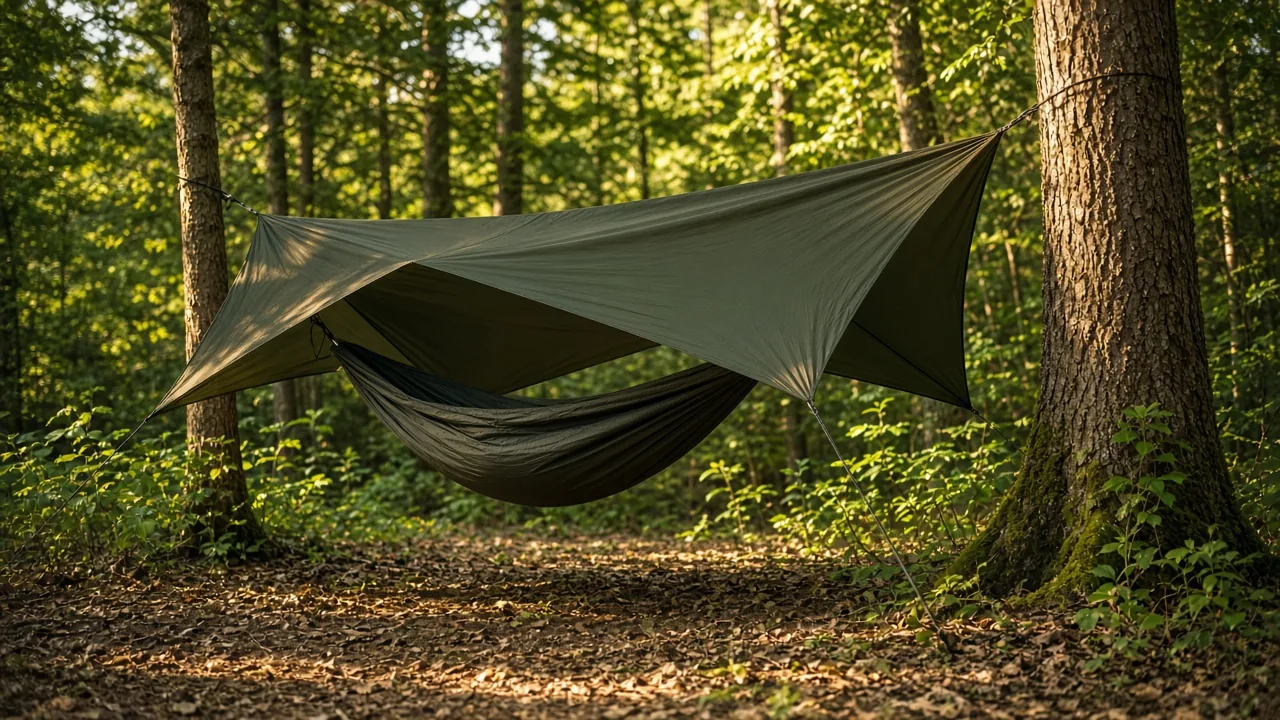
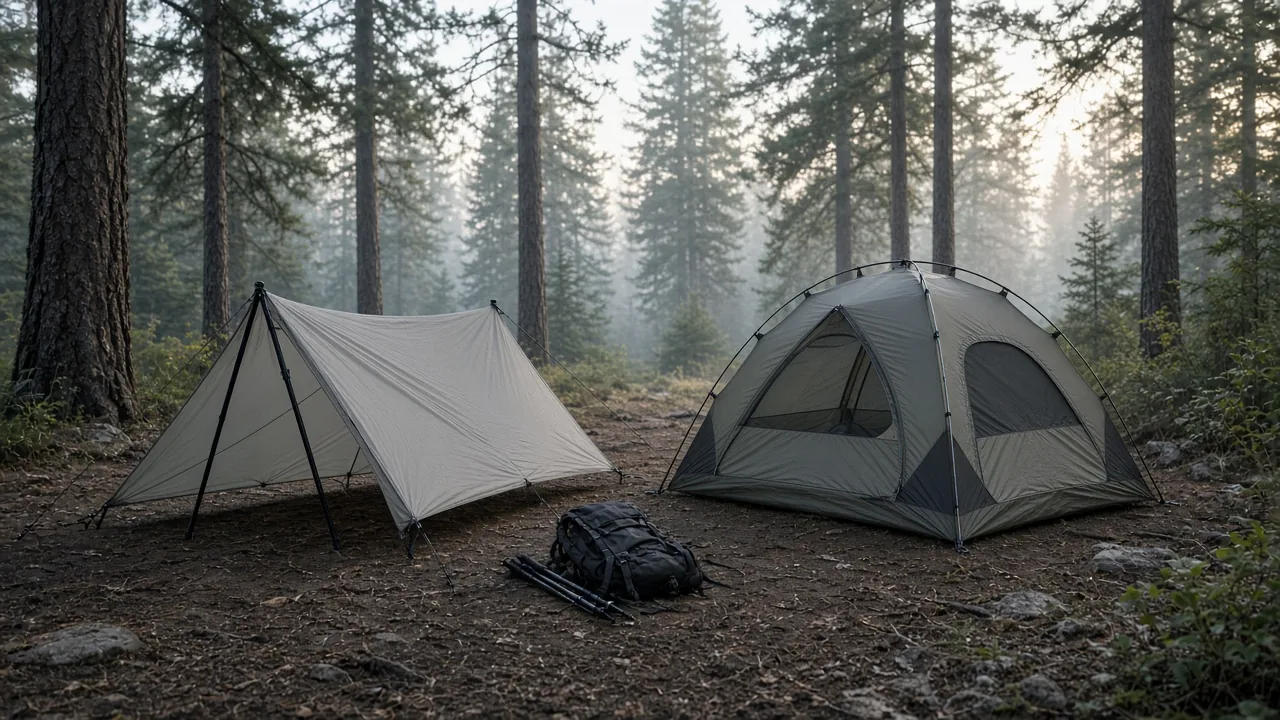
Hex tarps are the default recommendation for hammock camping because they remove some of the straight-edge fabric while keeping broad side coverage. The cut removes two corners at each end, which reduces weight and keeps the panel tight when staked. A hex tarp pulls into a taut, stable shelter with fewer guylines than a rectangle or square.
Most backpackers and car campers will be well served by a hex tarp sized to their hammock. It covers the ridgeline ends and enough of the sides to block normal rain and light wind. Compared with a winter tarp, a hex saves weight, pack space, and extra stakes. The main limitation is that there are no doors, so wind-driven rain from the ends can still reach the hammock.
Winter Tarps with Doors
Winter tarps add door panels to a wide hex or rectangular cut. The doors can be closed partially or fully, turning the tarp into a more enclosed shelter. Because the cut is wider than a standard hex, a winter tarp can be pitched close to the ground to reduce wind and splash from the ground. That makes it the best choice for shoulder-season rain, snow, and exposed campsites.
The trade-off is weight, packed bulk, and setup time. A winter tarp needs more guylines and stakes, and it takes longer to pitch well. If you camp in summer thunderstorms or below treeline, you may never need the doors. But for cold, rainy, or windy trips where you want real protection and privacy, the extra fabric is worth it.
Compare Tarp Fabrics and Packed Weight
Fabric choice affects how a tarp behaves when wet, how much it weighs, and how much it costs. There is no single best material—only the best material for your trip style and budget.
Poly and Silnylon
A basic polyethylene tarp from a hardware store costs very little and works fine for car camping. A 12 x 10 foot poly tarp is common, but it is bulky and heavy compared with backpacking fabrics. Poly does not stretch much when wet, which is a point in its favor for simple setups where you do not want to adjust the lines.
Silnylon is silicone-impregnated nylon. It is lighter and packs smaller than poly, and it is durable enough for regular backpacking use. The main drawback is stretch. Silnylon absorbs a small amount of water and elongates when wet. After rain starts, you will need to go out and retension the guylines to keep the tarp taut. For some campers that is a minor chore; for others, it is a reason to choose a different fabric.
Silpoly and Dyneema
Silpoly is silicone-impregnated polyester. It absorbs less water than nylon and sags much less when wet. That means fewer middle-of-the-night tension adjustments. Silpoly is slightly less abrasion-resistant than silnylon in some cases, but for a tarp that is pitched off the ground and stored carefully, it holds up well.
Dyneema Composite Fabric, formerly called Cuben Fiber, is the lightest common tarp material. It is non-absorbent, so it does not stretch or sag when wet. You can often shake most of the water off before packing, which keeps your pack weight from creeping up during a rainy trip. The downsides are cost and wear. Dyneema tarps can run two to four times the price of a comparable silnylon tarp, and the material is more prone to punctures and abrasion. It is smart to carry Dyneema repair tape if you use one.
| Fabric | Wet Weather Behavior | Weight/Packed Size | Best For |
|---|---|---|---|
| Polyethylene | Minimal stretch, handles rain fine | Heavy, bulky | Car camping, budget setups |
| Silnylon | Stretches when wet, needs retensioning | Light, packs small | Backpacking, general use |
| Silpoly | Low water absorption, less sag | Light, slightly less abrasion-resistant | Backpackers who hate retensioning |
| Dyneema | Non-absorbent, no wet stretch | Lightest, most packable | Ultralight trips, high-budget backpackers |
How to Choose a Hammock Tarp for Rain, Wind, and Privacy
Side Coverage and Pitch Height
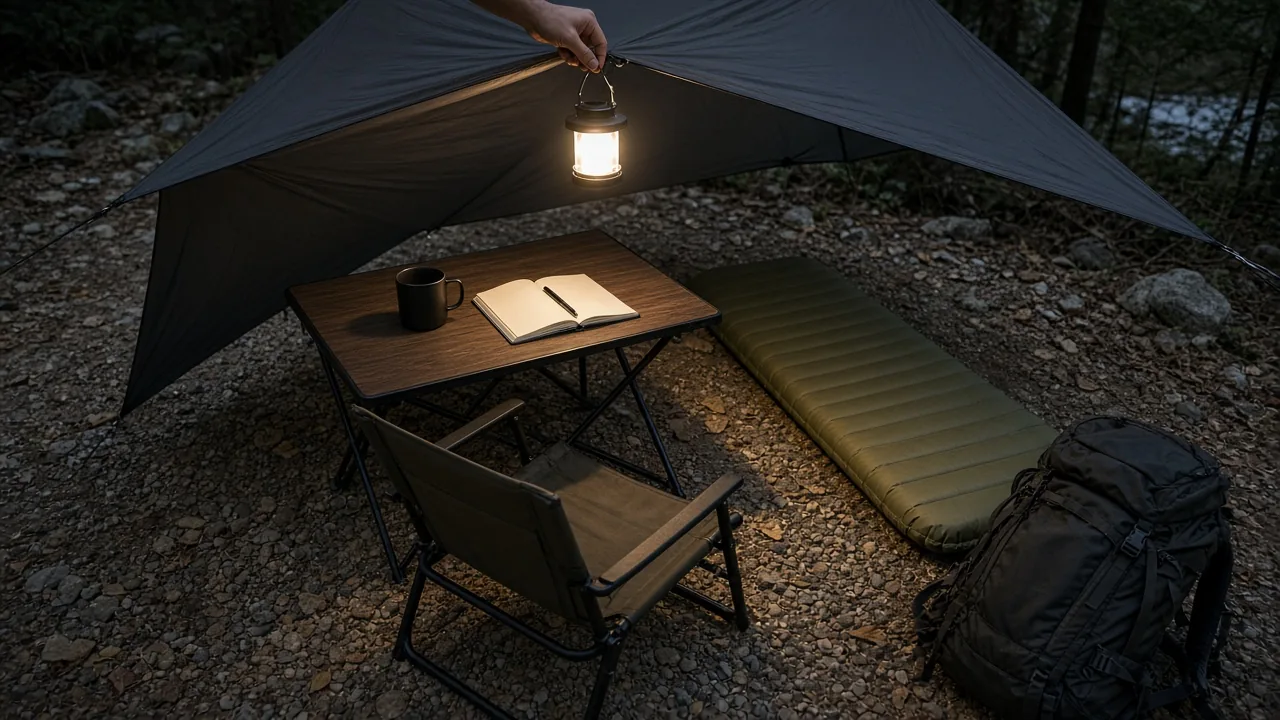
A narrow tarp can still keep you dry, but only if you pitch it low. When there is not enough side material, lowering the tarp edge reduces the angle at which rain can blow underneath. That is why ultralight backpackers often pitch a 6-foot-wide tarp just a few inches above the hammock ridgeline.
A wider tarp gives more rain margin and creates a larger dry footprint for gear, shoes, and a pack. The cost is extra weight and packed bulk, plus a larger panel that can catch wind if it is not staked tightly. For most three-season use, a width between 9 and 10 feet on a 10- or 11-foot tarp is a good balance of coverage and weight.
Doors and Color
Doors on a winter tarp do more than block wind. They close off the ends of the shelter, which reduces cold drafts and keeps blowing rain from sneaking in around the hammock suspension. Doors also add privacy when you are changing clothes or sleeping in a crowded campground. When you do not need them, they can be tied back out of the way.
Color affects how visible your camp is to people and wildlife. Bright colors are easier to spot from a distance, which can be helpful if you need to find camp after dark or signal for help. Neutral, earth-tone, or camo colors blend into the woods and draw less attention. If you camp in areas with sensitive wildlife or prefer a lower visual impact, a muted color is the better choice.
Setup and Care That Affect Tarp Selection
Ridge Line and Tree Spacing
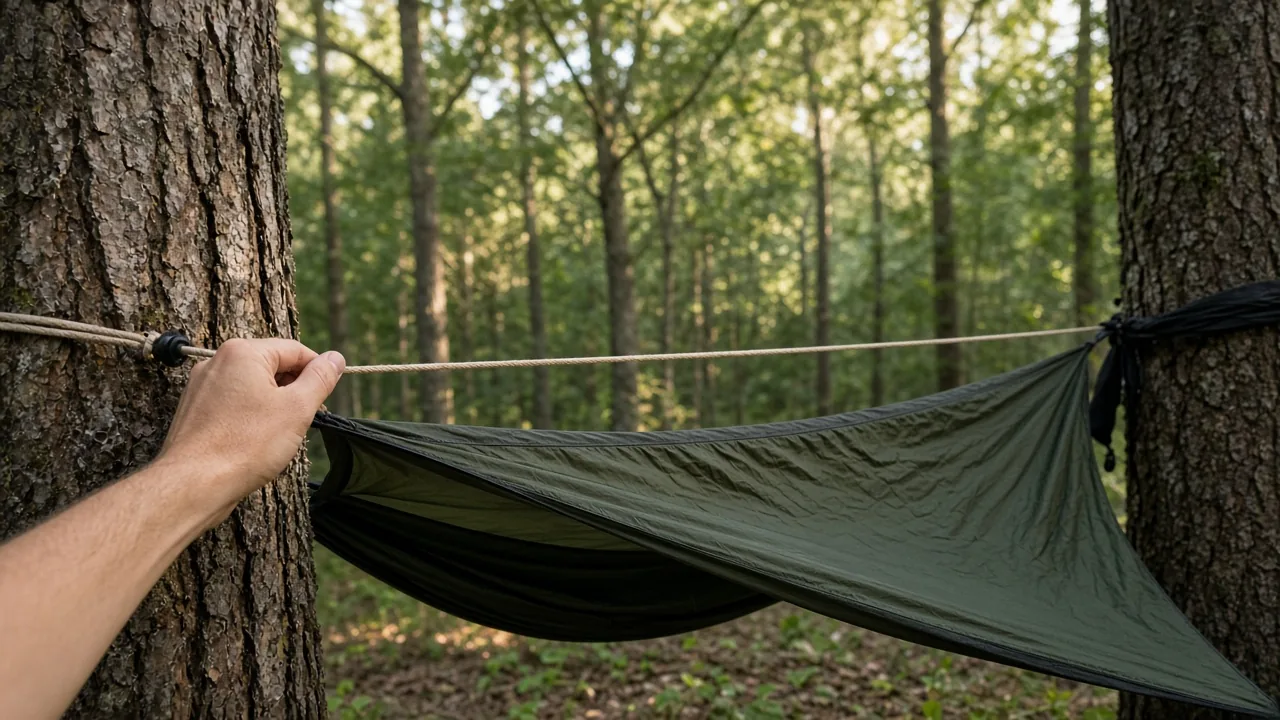
Before buying a tarp, think about how you will hang it. Most hammock tarps use one of two ridge line systems: separate guylines at each end, or a continuous ridge line that runs the full length of the tarp between two trees. A continuous ridge line is often faster to adjust and easier to center over the hammock.
A common method is to set the ridge line about 5 feet 9 inches high between the same two trees that hold the hammock suspension. That height works for most gathered-end hammocks hung at a 30-degree angle. Check that the tree spacing works for both your hammock and tarp before you commit to a site. If the tarp ridge line is too long for the available trees, you may not be able to tension it properly.
For the ridge line itself, a low-stretch cord like Zing-It or Lash-It made from Dyneema is a good choice because it is strong, light, and does not absorb water. It also resists sagging when wet, which helps keep the tarp taut through a night of rain.
Quick Deployment and Stove Safety
A tarp that is difficult to deploy loses some of its value. If rain starts after dark, you want to get the tarp over the hammock before your quilt and pack get wet. A snakeskin or double-ended stuff sack lets you leave the tarp attached to the ridge line but gathered out of the way. When rain hits, you pull the cover back and slide the tarp into place in seconds. This is one of the most practical upgrades you can make to any hammock shelter system.
Never use a stove or heater inside your tent. The same rule applies to an enclosed tarp space with doors closed. Carbon monoxide can build up quickly in a small, closed shelter, and any open flame near fabric is a fire risk. Cook outside, away from the tarp, and follow the manufacturer’s instructions for every stove or fuel appliance. Check fire restrictions before your trip and use established fire rings or a camp stove where open flames are allowed.
Car Camping vs. Backpacking: Final Tarp Trade-offs
Backpackers should count packed ounces and choose the smallest shape and fabric that still covers the hammock ends and handles expected rain. For many, that means a hex tarp in silpoly or silnylon sized 10 to 11 feet long and 6 to 9.6 feet wide, with a snakeskin for fast deployment. Dyneema is worth the cost only if you are counting every ounce and are willing to treat the fabric carefully.
Car campers can afford more coverage and simpler setup. A wider poly or silpoly tarp, 11 to 12 feet long and 10 feet or more wide, gives more dry space and requires less precise pitching. Doors are a reasonable addition if you camp in shoulder seasons or want extra privacy. The larger packed size and heavier weight matter less when the gear stays in the car.
Before a trip, ask yourself three questions: Am I car camping or backpacking? How cold might it get overnight? What is the chance of rain and wind? Then decide if the tarp with doors, extra width, and a snakeskin should come. Pair the tarp with the right stakes and suspension for the soil and tree spacing you expect, and you will have a shelter that fits your hammock, your camp style, and the forecast.
This article is general information about camping gear, not professional safety, medical, or wilderness training. Check fire restrictions, weather, and campsite rules before you go, and follow the manufacturer's instructions for your own equipment.
FAQ
What size tarp do I need for an 11-foot hammock?
An 11-foot tarp is the practical minimum for an 11-foot hammock. A 12-foot tarp gives more forgiveness and better protection from wind-driven rain at the head and foot ends.
What is the best tarp shape for backpacking?
Hex tarps are the default recommendation because they balance weight, wind stability, and side coverage for typical three-season backpacking. They pack smaller than winter tarps and pitch taut with fewer guylines.
What is the difference between silnylon and silpoly?
Silnylon stretches when wet and needs retensioning after rain starts. Silpoly absorbs less water and sags much less, so it requires fewer tension adjustments during a wet night.
Do I need doors on a hammock tarp?
Doors add wind protection, privacy, and block blowing rain from the ends. They also add weight, bulk, and setup time, so they are best for cold, windy, or shoulder-season trips.