Hilleberg Soulo Condensation Problems: How to Manage Moisture
The Hilleberg Soulo is built for wind, not condensation-free camping. Learn how to manage moisture with ventilation, site choice, and a morning dry-out routine.
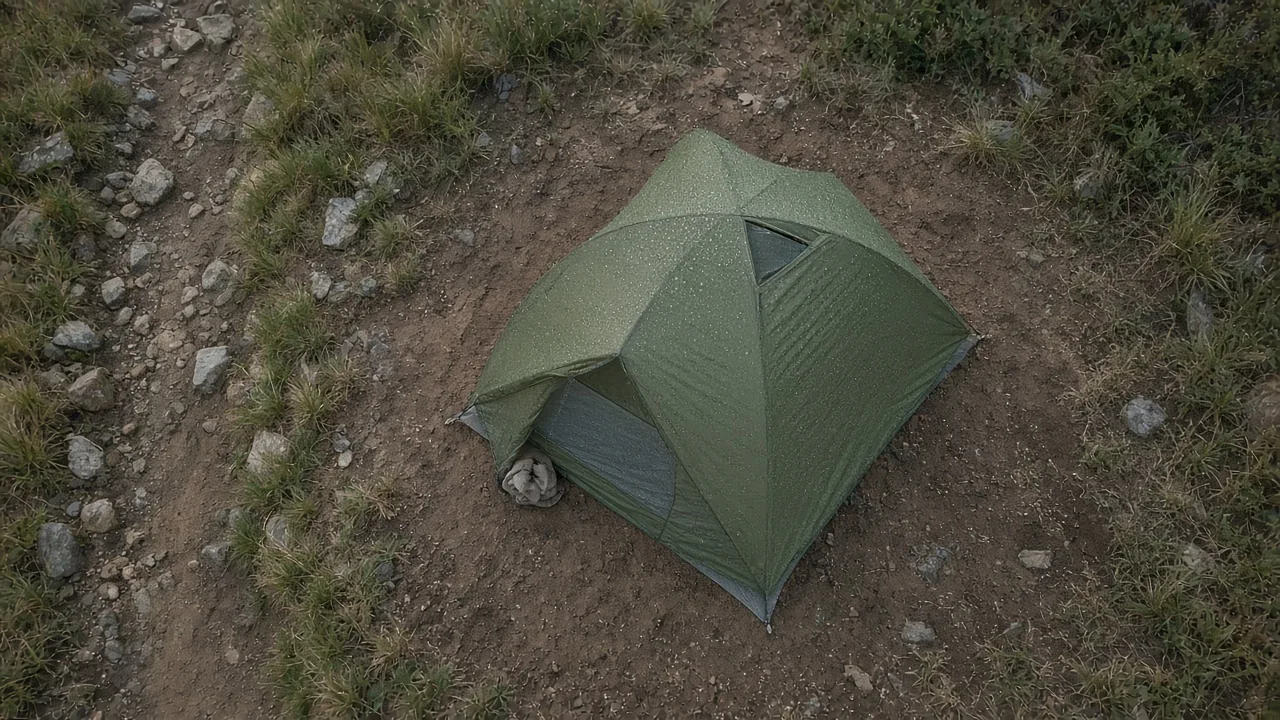
The Hilleberg Soulo is built for exposed, windy camps rather than as a condensation-free shelter. If you are researching Hilleberg Soulo condensation problems, start with a simple expectation: condensation happens in every tent, including under an open tarp. The Soulo's single top vent asks you to manage moisture deliberately. You can keep your sleeping area dry with ventilation, site choice, and a footprint.
Hilleberg Soulo Condensation Problems: What Should You Compare?
Before blaming the Soulo alone, compare vent count, single-wall versus double-wall construction, fabric type, weight, and your typical camping surface. Condensation is not a sign that a tent is defective. It is warm, moist air meeting a cooler surface when the air cannot move away fast enough.
Why Does One Vent Draw More Condensation Complaints?
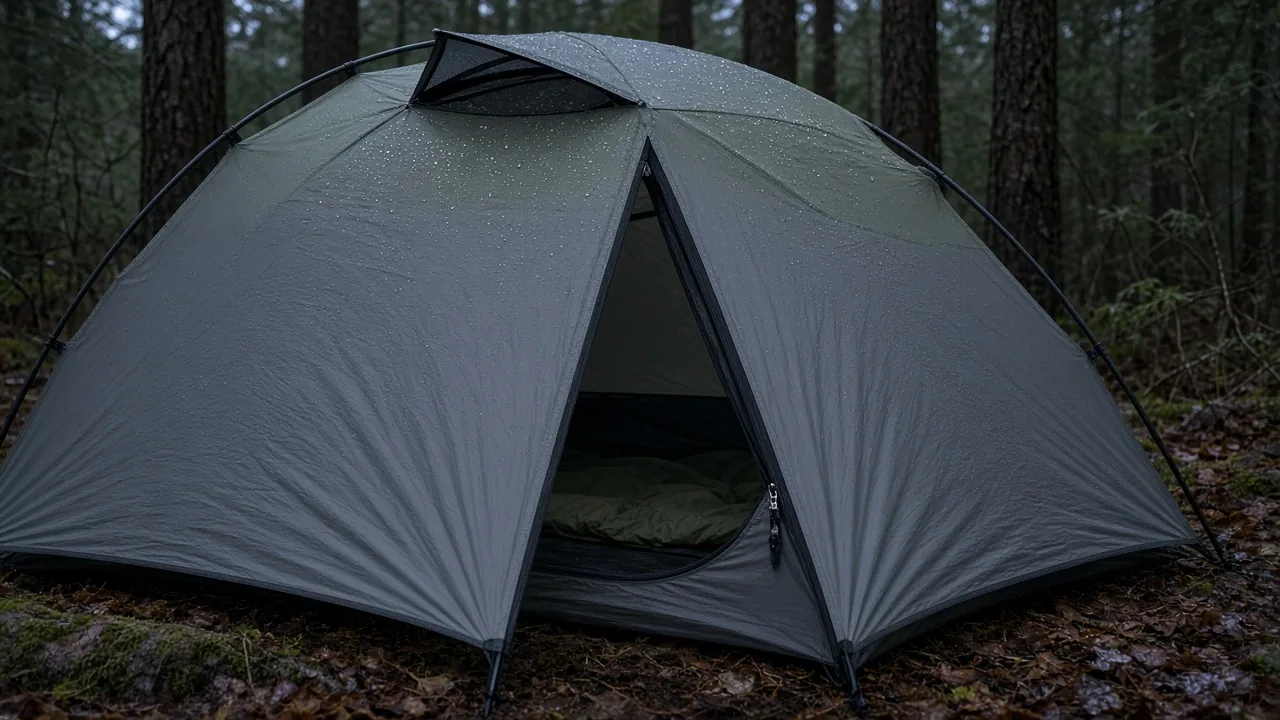
A single top vent has fewer paths for moist air to escape than four vents on a Saivo or two large vents on a Namatj, especially in still air. In wind, the Soulo moves air well for its design. On calm, humid nights, a single exit point means more moist air can linger inside before it clears.
One reader's worst condensation night happened in a Hilleberg Akto after closing the end vent for fear of weather. The same logic applies to the Soulo. When you shut the only real vent path, warm breath and body moisture stay trapped inside the fly.
What Does Double-Wall Construction Change?
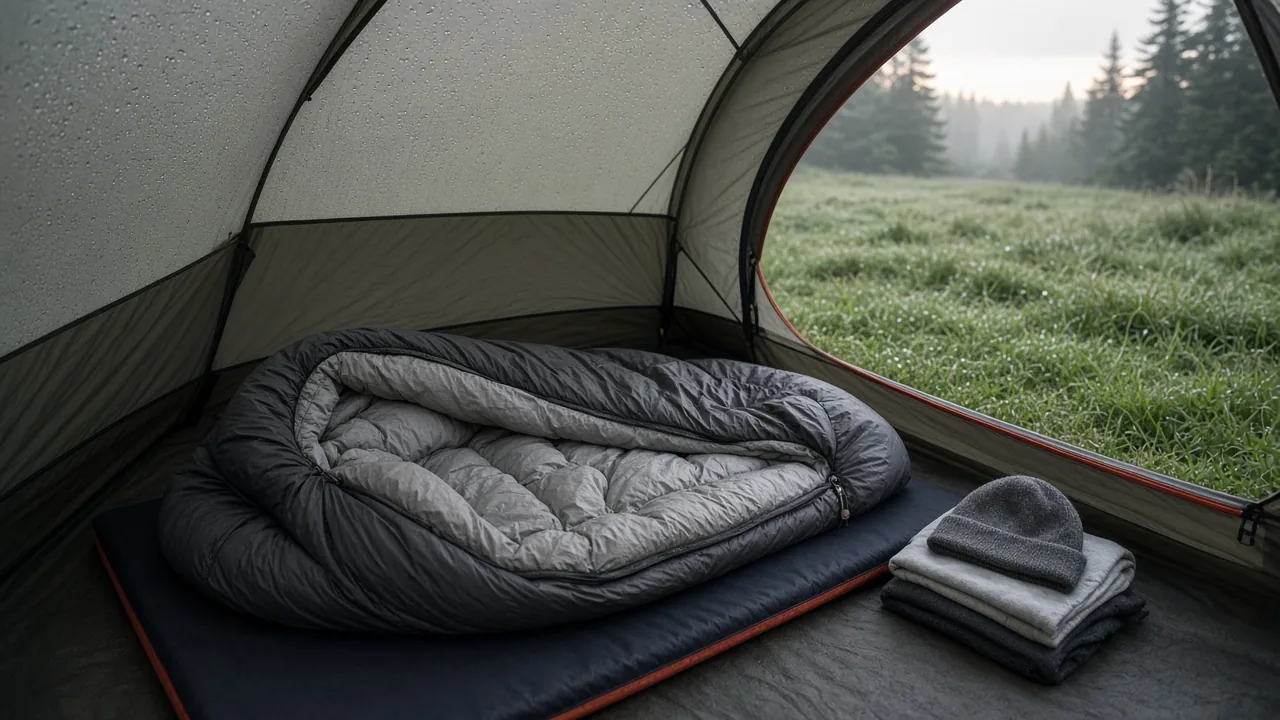
Double-wall tents keep the inner canopy dry when the rainfly collects condensation. The inner tent sits back from the fly, so water beads on the fly's inside surface and runs down instead of soaking your sleeping bag. That gap is the reason many serious tents use a double-wall structure.
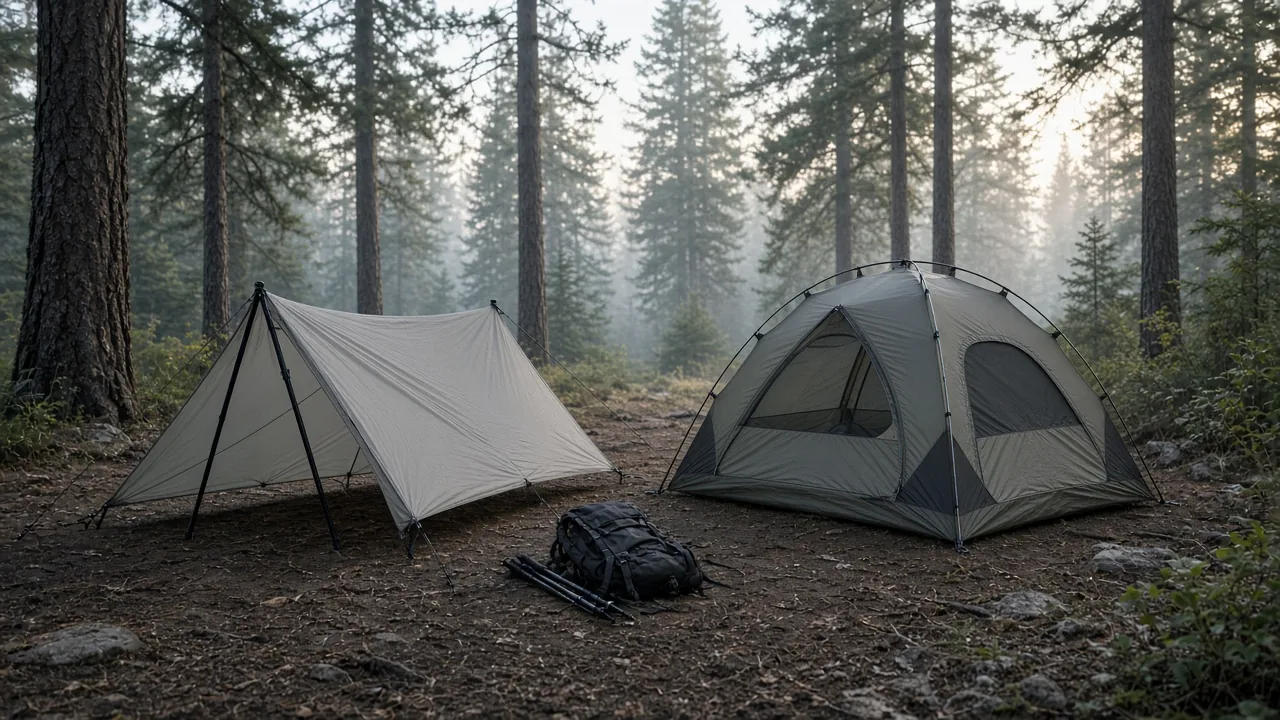
Single-wall tents have no separate inner body. Moisture can collect closer to your sleeping space unless you create an air gap. A low tarp pitched above a single-wall tent can simulate that double-wall effect and keep the worst moisture away from your bedding.
Where Does Ground Moisture Fit In?
Cotton or canvas suits car camping because the fabric absorbs surface moisture rather than passing it straight through. Synthetic tents depend more on site choice and ventilation to manage ground evaporation. If you camp on green grass or near a riverbank on a damp night, the ground releases moisture that rises into the tent.
A footprint helps block some of that ground vapor. It also protects the floor, but its moisture benefit matters most when the ground is damp and the air is still.
How Does the Soulo Compare with Multi-Vent and Single-Wall Tents?
The table below compares the Soulo, multi-vent Hillebergs, and tarp-covered single-wall options. Use it only as a broad comparison; exact weights and packed sizes vary by model generation and options.
| Tent type | Vent openings | Structure | Typical weight trade-off | Best-use terrain |
|---|---|---|---|---|
| Hilleberg Soulo | 1 top vent | Double-wall | Heavier than single-wall; adds stability | Exposed, windy ridges and rough-weather backpacking |
| Multi-vent Hillebergs such as Saivo or Namatj | 4 vents or 2 large vents | Double-wall | Larger body adds weight and packed size | Variable wind, humid low-wind camps, car camping |
| Tarp-covered single-wall | Open setup with tarp gap | Single-wall plus exterior tarp | Often lighter but less enclosed | Mild weather, experienced users, low weight priorities |
| Cotton or canvas tent | Varies, often less sealed | Single-wall or built for car camping | Heavy and bulky | Car camping, damp ground, longer stays |
How Does the Hilleberg Soulo Handle Still Air?
Strong in wind with one top vent, the Soulo requires more deliberate venting on calm, humid nights to keep the inner tent dry. That is the trade-off for its wind-oriented design. When air is moving, the tent performs well. When air is still, you have to create airflow by opening the door partially and keeping the top vent clear.
Are Four-Vent or Two-Vent Hillebergs Drier?
Saivo and Namatj move more air and reduce moisture buildup in low wind, but their larger bodies add weight and packed size. If you camp often in sheltered, humid spots, a multi-vent model may give you an easier morning. If you carry the tent deep into exposed terrain, the Soulo's smaller, stronger shape may justify the extra morning wipe-down.
When Should You Use a Tarp or Cotton Shelter?
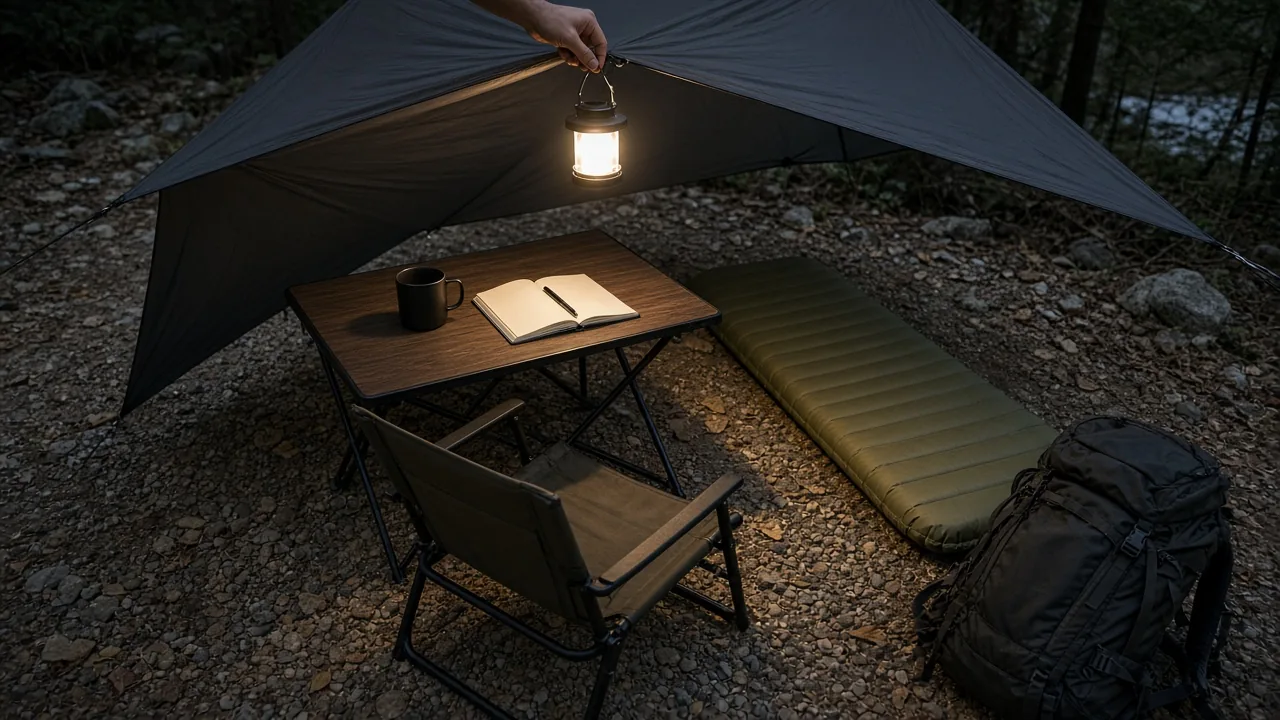
A low tarp over a single-wall tent creates a drying air gap, while cotton works well for car camping but is too heavy for most backpacking. Cotton and canvas handle condensation differently because the fabric can absorb and release moisture instead of letting it drip onto your sleeping area. For backpacking, cotton is rarely worth the weight.
How Do You Manage Condensation in a One-Vent Tent?
Manage overnight moisture with dry ground, open vents, and a morning dry-out routine. Exact steps matter more than small differences in vent design. A tent with one vent can stay reasonably dry if you work with the weather instead of sealing everything shut.
Which Campsite Surfaces Reduce Moisture?
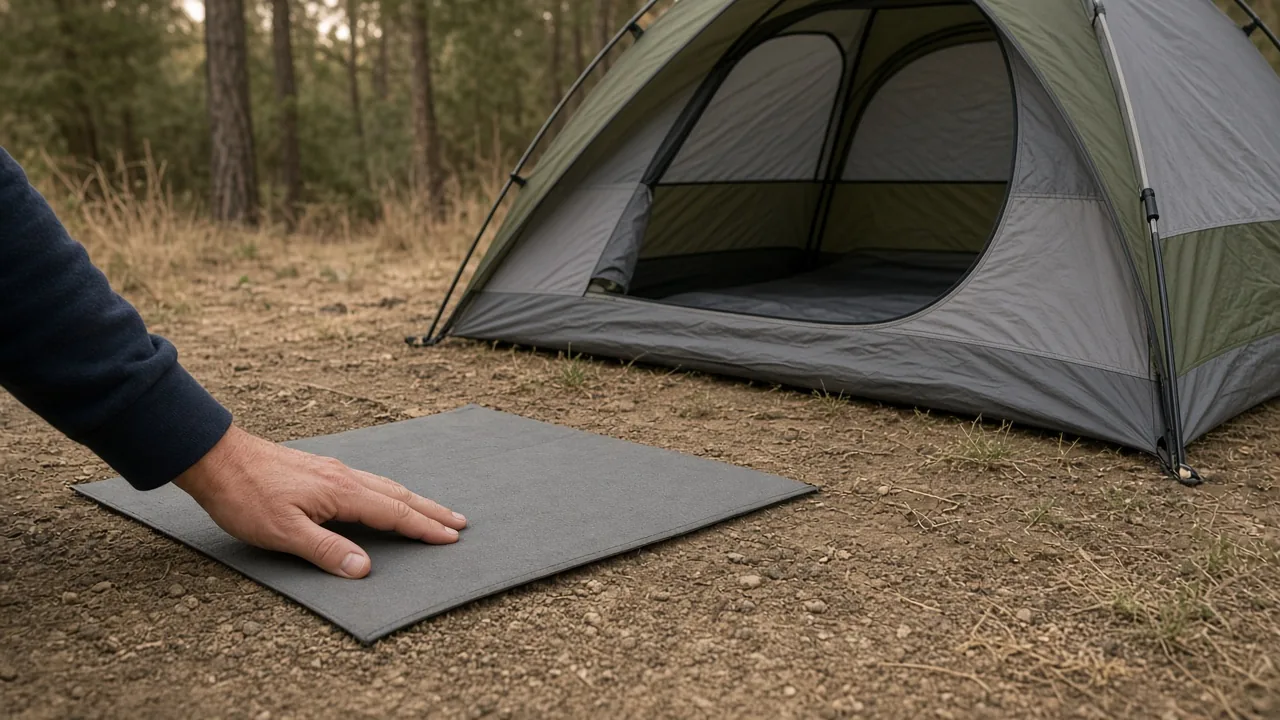
Avoid green grass and riverbanks on damp nights; choose bare dirt, dry grass, or sand, and use a footprint to block ground evaporation. Green grass releases moisture overnight. A spot right next to a river adds moving water vapor to the air. If you must camp on grass or near water, open the tent more and expect to wipe the fly in the morning.
How Much Should You Open the Door and Vent?
Keep the door half open or the inner door partly unzipped, and never close the end vent completely. Even if rain is possible, leave a small opening so warm air can escape. Opening the top vent halfway in a windless forest can keep condensation low without exposing you to weather.
Never use a stove or heater inside your tent. Stoves, heaters, grills, and charcoal create carbon monoxide and fire risk in a closed space. For warmth, use your sleeping bag and pad rating, not a fuel appliance inside the tent.
How Do You Dry the Tent the Next Morning?
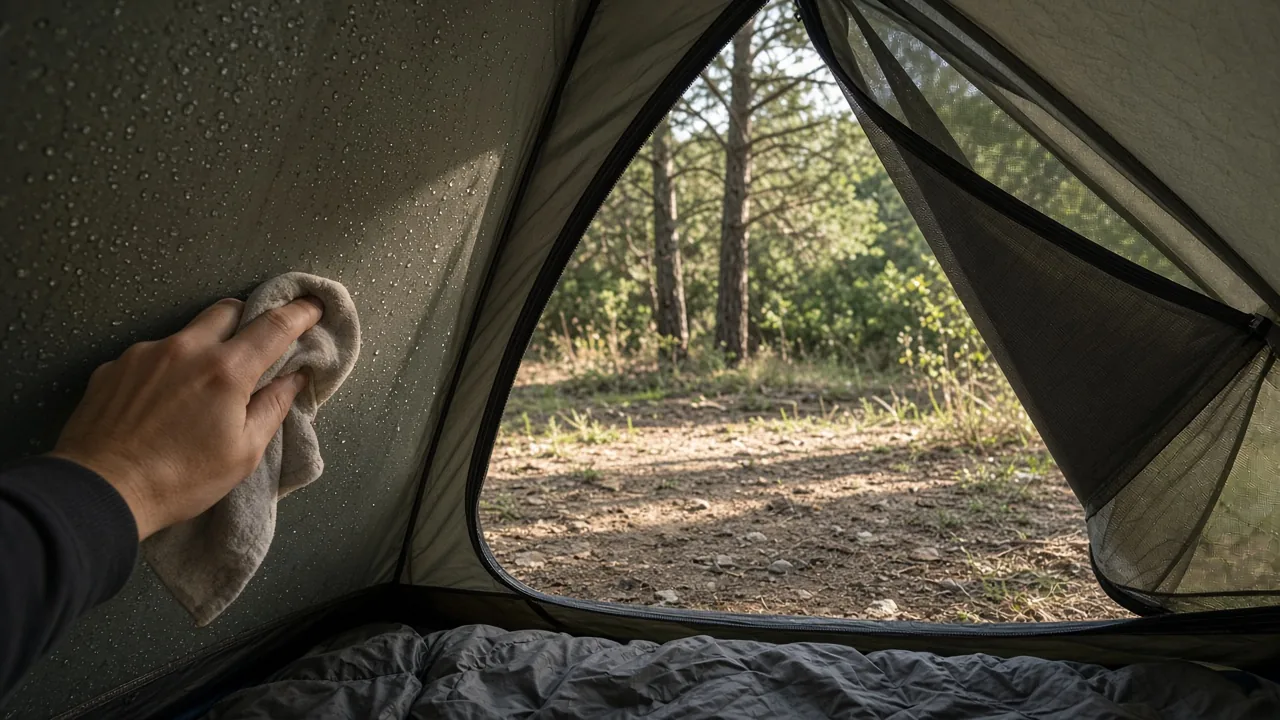
Open the fly and inner body to sun and air, then wipe remaining beads with a cloth or sponge before packing. A wet tent dries quickly once you open it to direct sun. If rain continues, shake off what you can and pack the tent damp, then dry it at home or at your next stop to prevent mildew.
Which Tent Should You Choose for Your Trip?
Choose by wind exposure, overnight humidity, whether you drive to camp or backpack, and how much packed weight you will accept. A tent that is perfect on a windy ridge may frustrate you in a still, damp forest. A heavy cotton tent may be ideal next to your vehicle and a poor choice on a multi-day walk.
When Does the Soulo Fit Backpacking?
The Soulo fits when high winds and rough weather are likely, accepting extra condensation management as a trade-off for stability. If your route crosses open passes or exposed camp areas, the Soulo's wind performance makes sense. If you mostly camp in sheltered, humid woods, you may spend more time managing moisture than you would with a multi-vent tent.
When Is a Multi-Vent or Cotton Tent Better for Car Camping?
A multi-vent double-wall tent or cotton/canvas model gives easier moisture control when weight and bulk are not the main concerns. Car camping lets you carry a larger, heavier shelter with more vent options. You have more room for a footprint, a tarp, and a sponge or cloth for morning cleanup.
How Do Dew Point and Forecast Guide Venting?
Use dew point and air temperature to warn yourself when heavy condensation is likely, then open more vents before sleep. When the overnight low temperature sits near the dew point, humid air will condense on cooler tent surfaces. Checking the forecast before you pitch helps you decide how far to open the door and whether to add a tarp or move to a drier site.
Final Takeaway
Before a trip, decide based on whether you are car camping or backpacking, how cold the night will be, and whether rain is expected. For a one-vent tent like the Soulo, bring a footprint and keep vents open. Check fire restrictions, campsite rules, and the weather forecast before you go, and store food properly where bear-safe storage applies. A small sponge or cloth, a footprint, and a habit of leaving one vent open will do more for a dry night than switching tents for every trip.
This article is general information about camping gear, not professional safety, medical, or wilderness training. Check fire restrictions, weather, and campsite rules before you go, and follow the manufacturer's instructions for your own equipment.
FAQ
Does the Hilleberg Soulo have condensation problems?
Every tent can have condensation, including the Hilleberg Soulo. Its single top vent means still, humid nights need more deliberate venting to keep the inner tent dry.
How can I reduce condensation in a one-vent tent like the Soulo?
Keep the top vent open, open the door partially, camp on dry ground, and use a footprint to block ground moisture on damp nights.
Is a multi-vent Hilleberg drier than the Soulo?
Multi-vent models like Saivo or Namatj move more air in low wind and may reduce moisture buildup, but they add weight and packed size compared to the Soulo.
What should I do in the morning if condensation forms inside the tent?
Open the fly and inner body to sun and air, then wipe remaining beads with a cloth or sponge before packing. If rain continues, pack the tent damp and dry it later to prevent mildew.