Headlamp vs Lantern for Camping: What Should You Pack First?
A headlamp wins for hands-free camp chores, while a lantern is better for shared area light. Learn how to choose based on trip type, brightness, runtime, weight, and battery power.
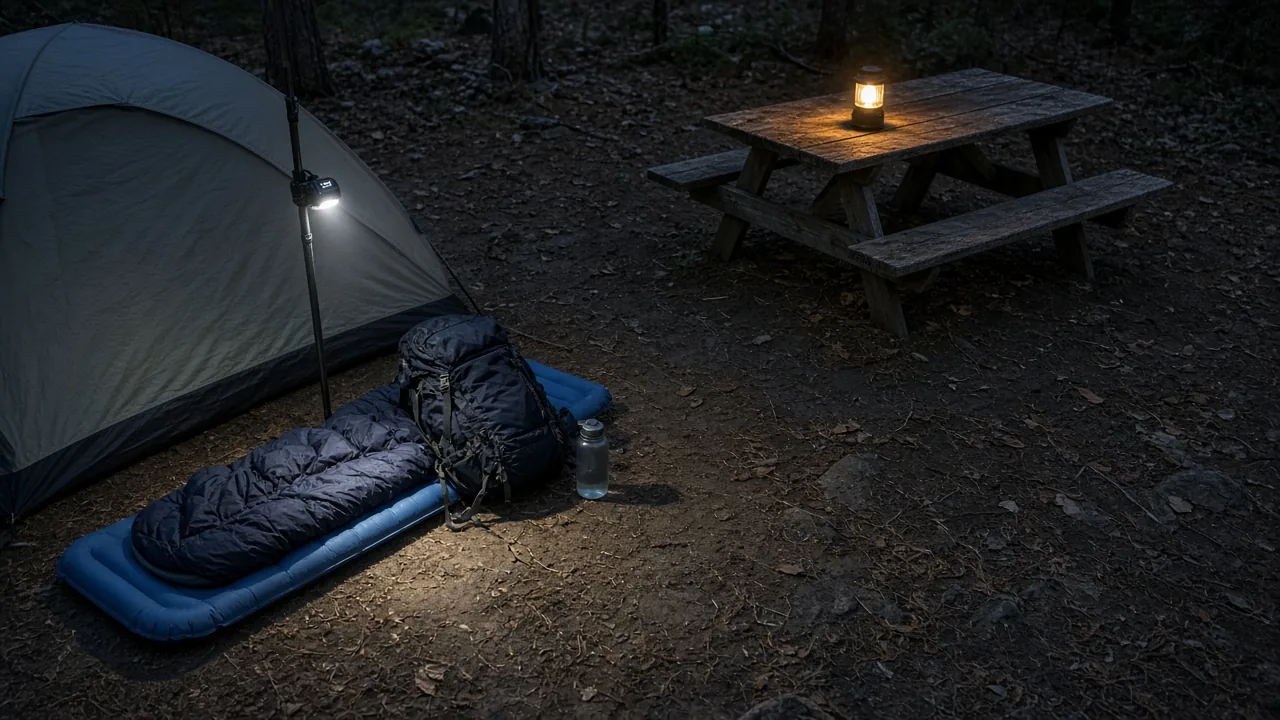
For most campers, the first light worth packing is a headlamp because it keeps both hands free for tent setup, cooking, and nighttime chores. A lantern earns its space when you need shared area light for a picnic table, a group meal, or reading inside a tent. The right order depends on whether you are solo or in a group, and whether you are hiking miles in or backing the car up to the site. This headlamp vs lantern for camping decision is rarely about which tool is better overall. It comes down to what the light needs to do after dark, how much weight you are willing to carry, and who else is sharing the campsite.
Headlamp vs Lantern for Camping: What Should You Pack First?
Choose a headlamp first for hands-free chores and a lantern second for shared area light, but match that order to your trip. A solo backpacker can get by with a single headlamp. A group car-camping crew will use both, and probably wants the lantern running before sunset.
Why Is a Headlamp Hard to Beat for Camp Chores?
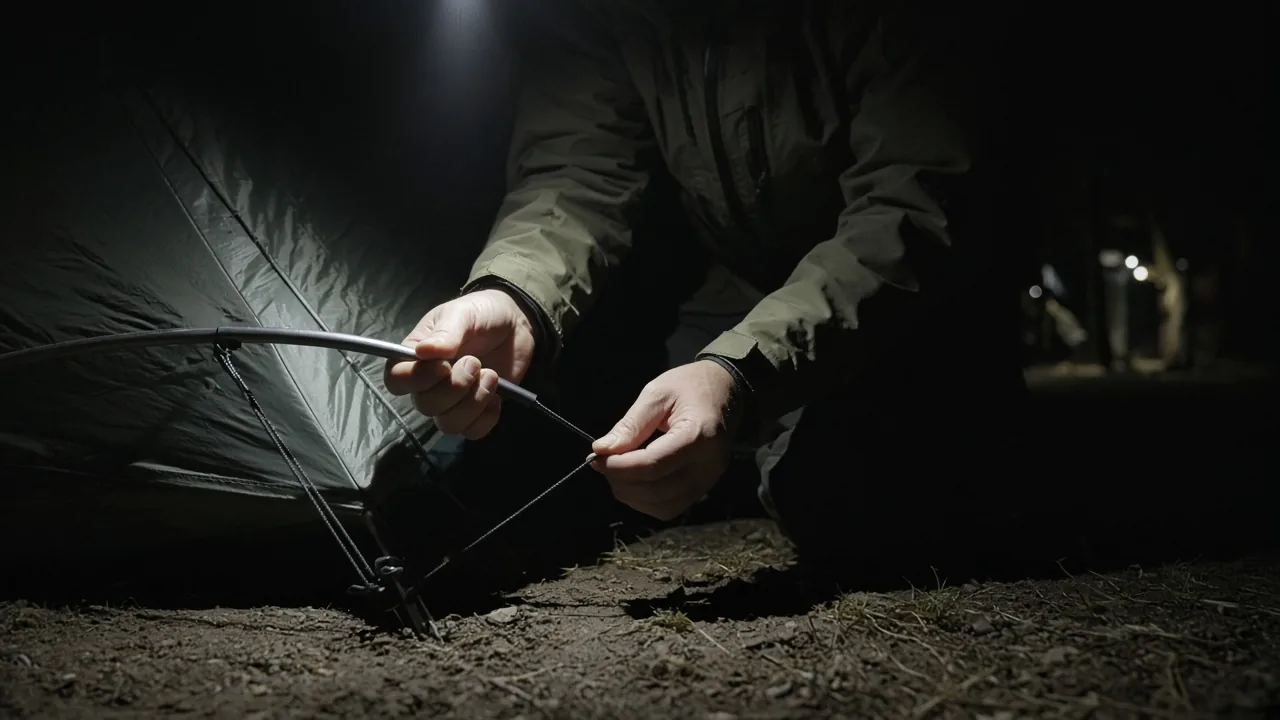
A headlamp leaves both hands free for pitching tents, packing gear, and nighttime bathroom trips. That is the core advantage, and it shows up every time you need to thread a tent pole or zip a sleeping bag in the dark. Solo campers and backpackers tend to call a headlamp the practical default because it weighs only a few ounces and takes almost no pack space.
The beam follows your eyes, which helps when you are walking to a water spigot, sorting gear on a dark table, or reading a map. The tradeoff is that the focused beam is easy to shine into someone's face. One camper described a bright headlamp pointed across the table as feeling like an interrogation, and that reaction is why group campers often add a lantern. Still, for the person doing the work, a headlamp is the closest thing to having daylight where you are looking.
When Is a Lantern the Better Camp Light?
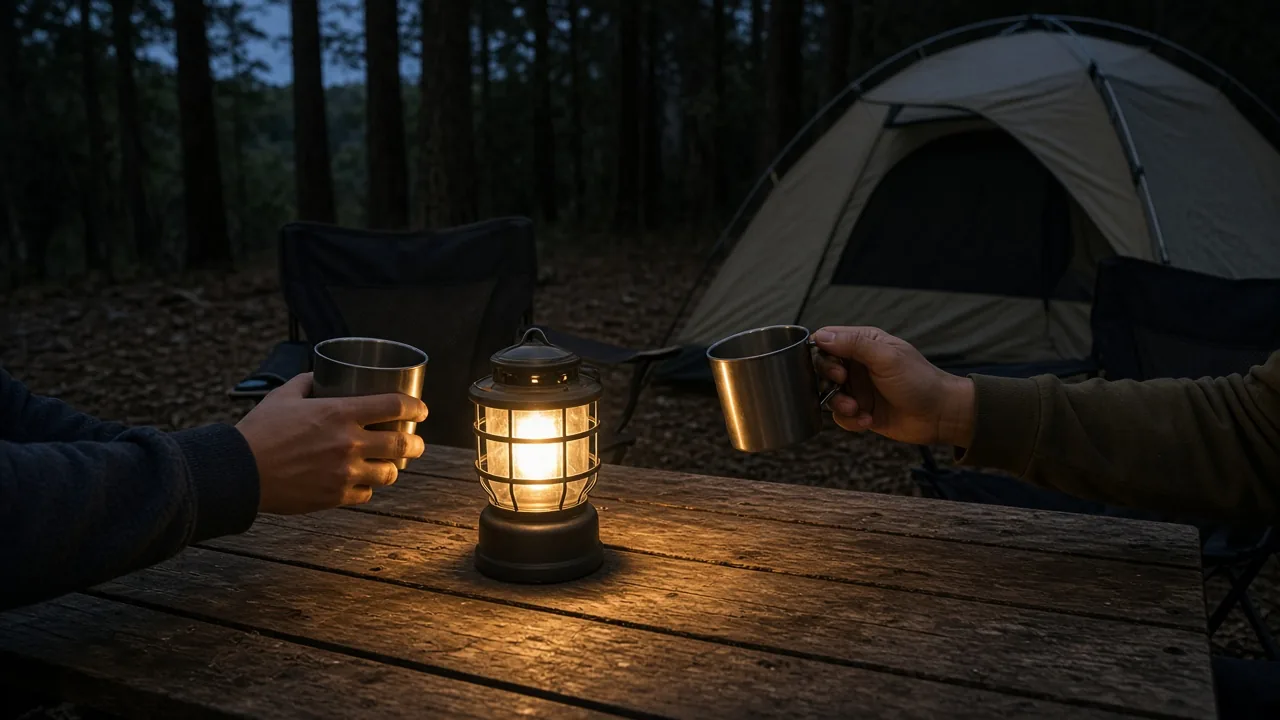
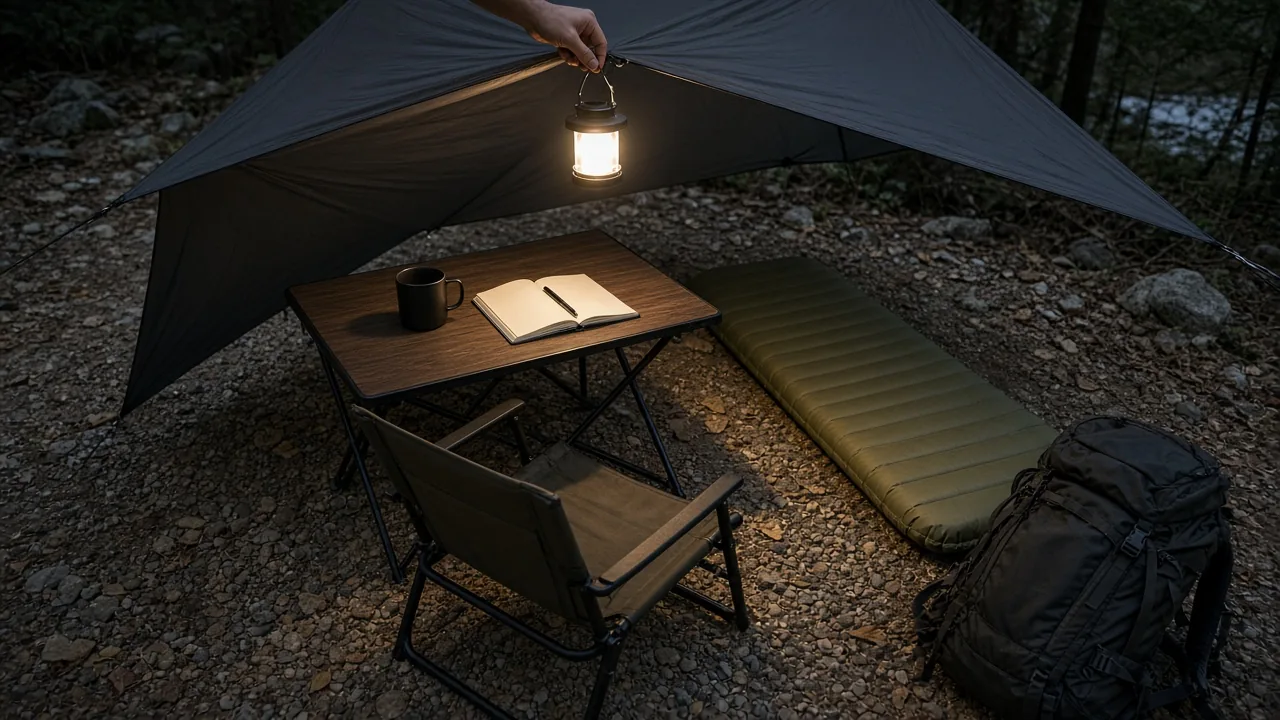
A lantern spreads soft light across a table or tent for cooking, reading, and group meals without aiming a focused beam into people's faces. That makes it the better tool when the light is shared. If two or three people are chopping vegetables, passing plates, or playing cards, a lantern keeps the whole area visible at once.
Lanterns also work better as ambient light because the glow is less directional. A dimmable lantern can sit on a corner of the table or hang from a tent loop and give the whole space a readable level of light. The tradeoff is that a lantern does not help much when you are walking away from the site or working inside a dark vehicle. It lights an area, not a task in your own hands.
What Do Headlamp and Lantern Together Do Well?
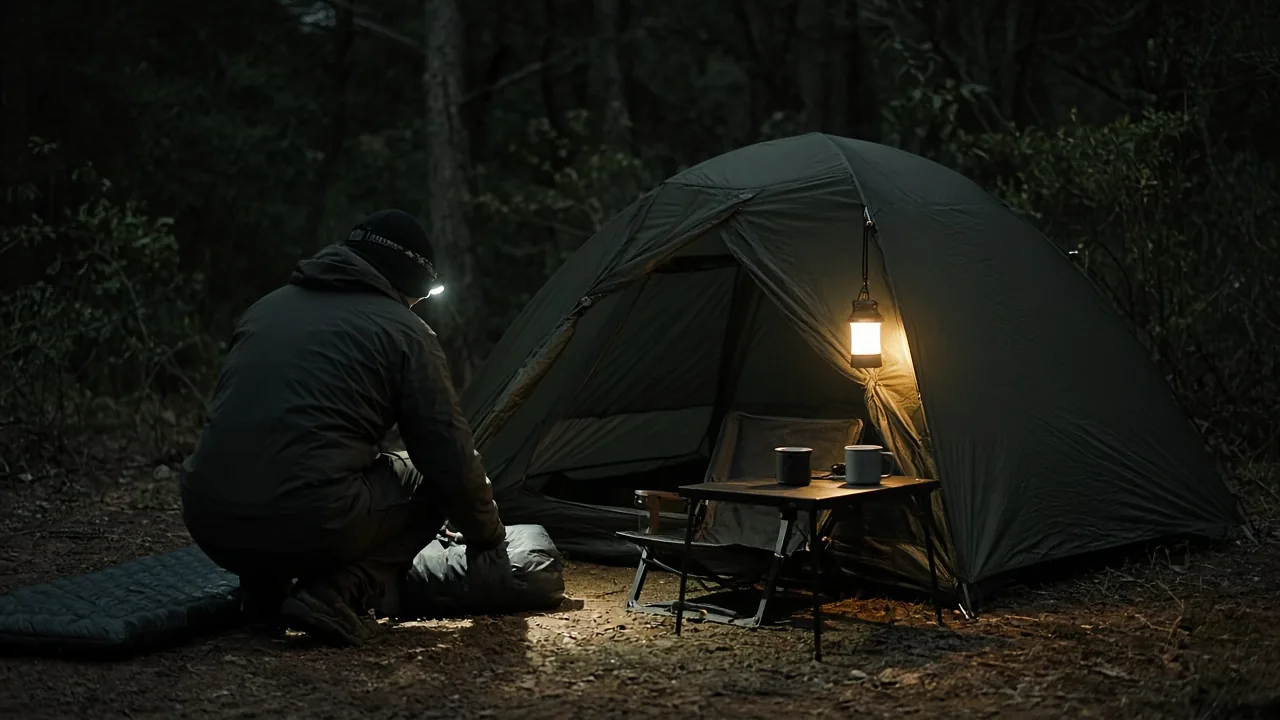
Pair a small headlamp for task light with a dimmable lantern for shared space, rather than pushing one light to cover every job. The combination covers nearly every camp scenario without adding much bulk. A cheap headlamp can weigh under 3 ounces, and a compact LED lantern fits in a cup holder or side pocket.
Use the headlamp for the work: tent stakes, stove setup, late-night trips to the vault toilet. Use the lantern for the downtime: dinner, reading, sorting tomorrow's clothes. When the group has both, nobody has to point a bright beam across the table, and nobody has to grope for a jacket in the dark while one lantern is already in use elsewhere.
How Do Brightness, Runtime, and Weight Compare?
Specs show the tradeoff clearly: some lanterns are very bright but drain quickly on high, while headlamps win on low weight but light a smaller area. The numbers also explain why the right choice changes between car camping and backpacking. A 1,500-lumen collapsible lantern can light a broad camp area, but it is worth carrying mainly when weight and pack size are not the limiting factor.
A typical compact headlamp gives you enough light for close tasks and foot travel while weighing almost nothing. A typical camp lantern gives you smoother area light but weighs more and uses a bigger battery. Neither spec is a win by itself. The deciding factor is whether you need task light or area light first.
Why Are Lumens Only Half the Story?
A 325-lumen lantern can run about three hours on high but around 80 hours on low, so check runtime at the setting you will actually use. The high number looks impressive on the box, but it may only be useful for short bursts. Low and medium modes are where most camp lighting actually happens.
When comparing two lanterns, do not stop at peak output. Check whether the lantern has useful lower modes, how long those modes run, and whether the output is adjustable at all. A light that gives you three hours at full brightness may give you three nights at a gentler setting. That low mode is what you want for marking a tent, reading in bed, or keeping a faint light near the camp table until sunrise.
How Much Do Weight and Packed Size Matter?
Backpackers should prefer a compact headlamp or small lantern to save ounces and pack space. Car campers can carry larger area lights with no real penalty. This is the clearest split in the whole comparison.
For a backpacking trip, every item has to justify its weight. A headlamp of 2 to 3 ounces is an easy choice. A compact lantern might add a few more ounces but can be worth it if you read in the tent. A large collapsible lantern or fuel lantern becomes hard to justify when you are carrying it uphill all day.
For car camping, the equation flips. You can bring a bigger LED lantern, a spare battery, and a second small task light without much consequence. Setup convenience and shared comfort matter more than shaving ounces. The same lantern that feels like a luxury on the trail feels like the obvious choice when the car is parked 20 feet from the table.
Which Battery Type Is Better for Camping?
Rechargeable lanterns are convenient but need time to charge, while lights that take AA or replaceable cells allow you to swap batteries and extend runtime. The right answer depends on trip length and how close you are to a power source.
Rechargeable lights are clean and simple for weekend trips. Plug them in at home, and they are ready to go. The downside is that a dead built-in battery needs a power bank or a long wait. On a cold night, battery performance can also drop, and that is worth considering if temperatures are near freezing.
Lights that run on AA cells or other replaceable batteries give you a different kind of flexibility. Carry a spare set, and you can restore full runtime in a minute. This is especially useful on multi-night trips far from a car or outlet. The tradeoff is that disposable batteries create more waste, so some campers recharge AA cells at home and still keep the option to swap.
Can a Flashlight or Headlamp Replace a Lantern at Camp?
A headlamp or flashlight can double as a small area light with a diffuser or by hanging, but the light is usually less even and dimmer than a lantern built for that job. The workaround helps when you want to save pack space, but it rarely matches a real lantern for group use.
The trick works best in small spaces. Hang a headlamp from a tent loop, point it upward, and the fabric softens the light enough to read by. Put a diffuser on a flashlight and set it on low, and it can cover a small cooking corner. The problem is that the beam is still coming from a small source, so the light tends to be patchy and harder on the eyes than a lantern with a broad panel.
Can a Flashlight with a Diffuser Work as a Lantern?
A bright flashlight with a cheap diffuser and low mode can light a small cooking spot, but its narrower beam and lower output limit it for group spaces. This setup appeals to backpackers who already carry a flashlight and do not want to add another piece of gear. A silicone diffuser weighs almost nothing and turns a focused beam into a softer glow.
The limits show up when the space gets larger. A diffused flashlight may okay for one person cooking, but it struggles to light a full table where four people are eating. The light is also more directional than a lantern, even with the diffuser on. For an overnight trip where every ounce counts, it is a reasonable compromise. For a base camp with a group, a real lantern is more comfortable.
Can a Headlamp Double as a Tent Night Light?
A headlamp with a long-lasting low mode can serve as a tent light, yet a compact lantern gives smoother area light for reading and unpacking. Many backpackers use this method to avoid carrying a second light. The headlamp hangs from a gear loop, points at the ceiling, and casts enough glow to see the inside of the tent.
The downside is that the focused LED can still create a bright spot, and the light may be too harsh for reading close text. Some campers are fine with that. Others find that a small lantern at low power is easier on the eyes for an hour of reading before sleep. If you are counting grams, start with the headlamp trick. If tent comfort matters more than a few ounces, add a compact lantern.
Are Cheap Lanterns Bright Enough for Camping?
A budget lantern can be a useful tent night light or backup, but it will likely fall short as the main light for a larger or group camp. The answer depends on how many square feet you need to light and what you are doing in that space.
What Does a Budget Lantern Do Well?
Campers report that a small, inexpensive lantern covers a few square feet for tent use and is handy as a spare when the main light fails. One reader described a very low-cost lantern as enough for about 35 square feet of soft light, which is fine for changing clothes, reading in a sleeping bag, or finding a headlamp. Another said the same style of light works better as a tent night light than as the primary source for a group camp.
That is a fair assessment. The budget light is not a flaw if its job is small. Keep it in the tent, hang it from a loop, or tuck it in a cargo pocket as a backup. When the main lantern dies or the headlamp battery quits, the cheap spare keeps the camp functional.
When Should You Pay for Longer Runtime or Durability?
Upgrade when you need adjustable brightness, longer low-power runtimes, or tougher weather resistance for multi-night trips, not just higher peak lumens. A high-output lantern that dies in three hours is not much use if you need light until midnight. Adjustable modes matter more than the brightest setting.
Durability also becomes worth paying for when a light gets used hard. A lantern with better construction and a moisture-resistant rating is more likely to survive rain, condensation, and being knocked off a table. If your trips are frequent or long, the extra cost buys predictability. For an occasional overnight in mild weather, a simple budget light may be enough.
LED vs Fuel Lanterns for Camping: Which Is Easier to Live With?
LED lanterns are the low-fuss choice for most campers. Fuel lanterns offer high output and a warm atmosphere but add setup steps, fuel management, and ventilation needs. The split is not just about light quality; it is about how much time and attention you want to give the light itself.
Why Is LED the Low-Fuss Choice?
LED lights turn on and off simply, have no mantles to burn in, and do not require separate fuel canisters. That makes them easier for beginners and backpackers who want light without another system to learn. Press a button, turn a dial, and the light works.
LED lanterns also handle cold and bumpy conditions more gracefully than fuel lanterns. There is no glass globe to transport, no fuel to spill, and no open flame to watch. For most car camping and nearly all backpacking, LED is the practical default. The light may not have the warm character of a fuel flame, but it gets the job done with far less fuss.
What Do Fuel Lanterns Add and Demand?
A gas lantern can be bright and warm, but it requires careful lighting and use. A 2,500-lumen fuel lantern can on high run for about 4.5 hours, and setting one up involves installing a mantle, burning it in, connecting a fuel canister, and using an ignition step that beginners often fumble a time or two. The process becomes easier with practice, but it is a process.
Fuel lanterns belong outside and need ventilation. Never use a stove or heater inside your tent, and keep fuel lanterns out of enclosed sleeping spaces for the same reasons—carbon monoxide risk and fire risk are real. Treat a fuel lantern as a specialty tool for bright base-camp light and a certain old-school mood, not as the easiest first purchase.
How Do You Choose and Care for a Camp Light?
Match the light to your trip, then store it dry, remove or recharge batteries as directed, and check the weather rating before counting on it in rain. The best light is the one that works when you actually need it, which means the boring care steps matter as much as the purchase decision.
How Do You Pick Light for Solo vs Group Camping?
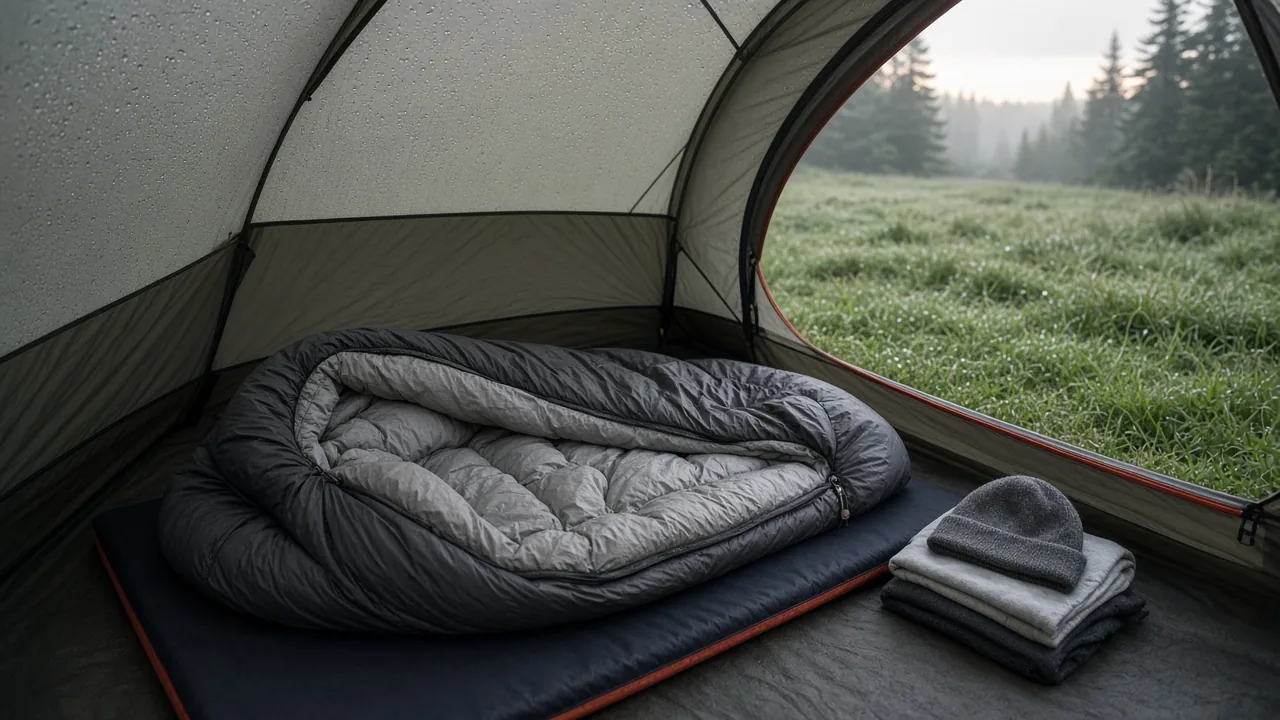
Solo campers and backpackers should prioritize a headlamp, while group car campers get more use from a larger lantern with multiple brightness levels. The solo camper is the person doing all the work, so hands-free light pays off constantly. A single headlamp covers setup, cooking, walking, and tent time.
A group needs both but uses the lantern more. Shared meals, card games, and long conversations call for area light that does not move with one person's head. A larger lantern with low, medium, and high settings lets the group tune the light to the moment. Bring one headlamp per person if you can, but at minimum one lantern and one headlamp together.
What Simple Care and Packing Habits Help?
Keep lenses and battery contacts clean, recharge or remove batteries between trips, and store lights in a dry spot so they are ready for the next outing. Dust and moisture are the quiet enemies of camp lighting. A dirty lens cuts output, and corroded contacts can make a light flicker or fail.
After a trip, wipe the light down, check the battery compartment, and remove cells if the light will sit for months. Recharge built-in batteries before the next trip, but do not leave them discharging fully for long periods. Store headlamps and lanterns where they will not be crushed, and keep any spare batteries in the same kit so you can find everything after dark.
Know Your Trip Before You Pack
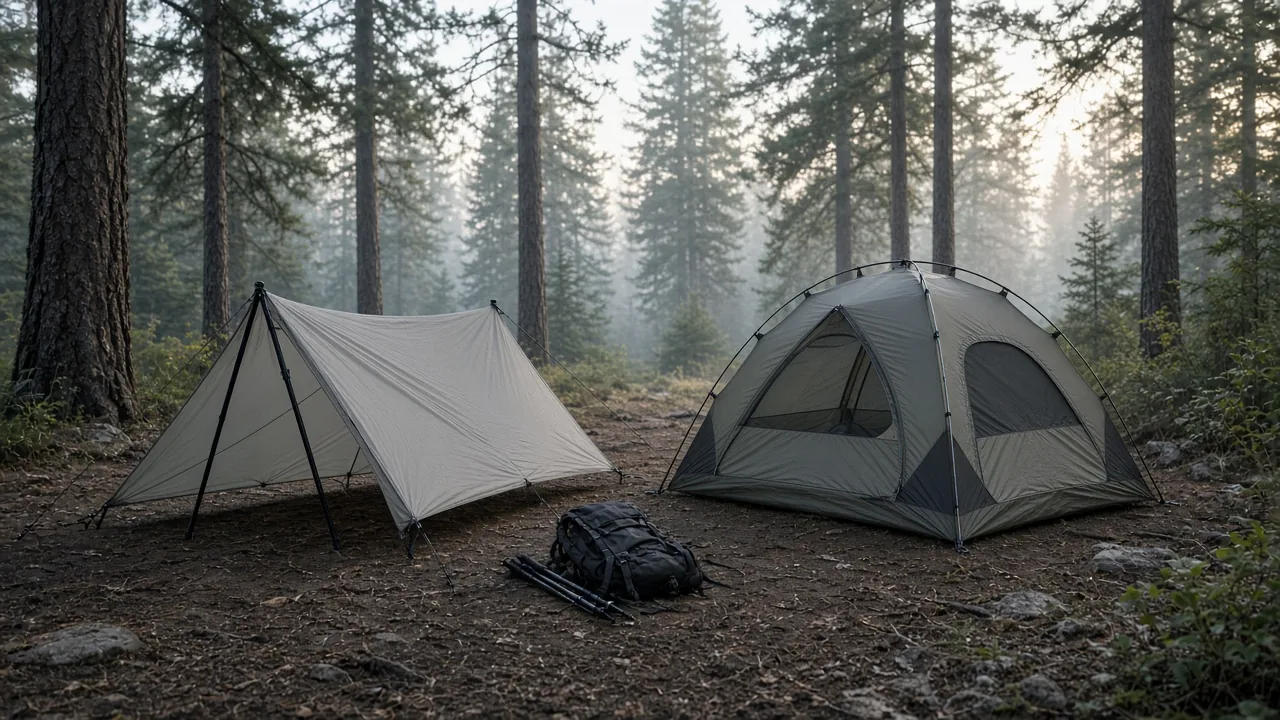
Before you pack, check whether your trip is car camping or backpacking, how cold nights get, and whether rain is likely. A backpacker can rely on one headlamp and maybe a small diffuser. A car camper in a group may want a dimmable LED lantern, a headlamp per person, and spare batteries for the main light. If rain is expected, choose a light with a weather-resistance rating and keep a small backup in a dry bag. Match the light to the job, and the headlamp vs lantern question stops being a debate and becomes a packing list.
Camp Kit Journal
This article is general information about camping gear, not professional safety, medical, or wilderness training. Check fire restrictions, weather, and campsite rules before you go, and follow the manufacturer's instructions for your own equipment.
FAQ
Headlamp or lantern: which should I pack first for camping?
Pack a headlamp first for hands-free chores like tent setup, cooking, and nighttime bathroom trips. Add a lantern second when you need shared area light for a group meal or reading inside a tent.
Can a headlamp replace a lantern inside a tent?
Yes, a headlamp with a long-lasting low mode can hang from a tent loop and double as a night light, but a compact lantern usually gives smoother, more even area light for reading and unpacking.
Are budget lanterns bright enough for camping?
A small inexpensive lantern can cover a few square feet for tent use and works well as a backup, but it may not be enough as the main light for a larger or group camp.
Which battery type is better for camp lighting?
Rechargeable lanterns are convenient for weekend trips, while lights that take replaceable AA cells let you swap batteries and extend runtime on multi-night trips.
Are LED lanterns easier than fuel lanterns?
Yes, LED lanterns are the low-fuss choice for most campers because they turn on and off simply and need no mantles or fuel. Fuel lanterns offer bright, warm light but add setup steps, fuel management, and ventilation needs.