Fire Maple G3 Petrel Review: Does the HX Pot Earn Its Weight?
This Fire Maple G3 Petrel review examines the 650ml heat-exchanger pot’s boil speed in wind, notched stove fit, and whether it beats a lighter titanium mug for backpacking.
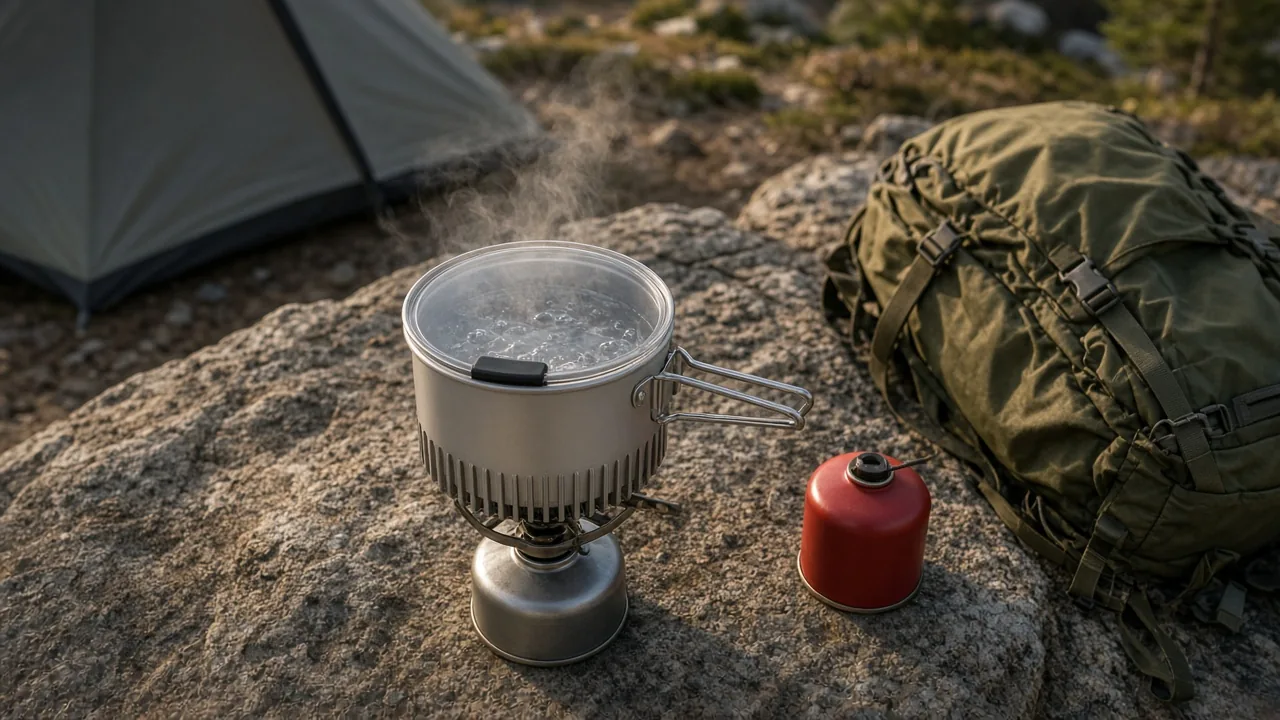
If you boil water more than you cook, the Fire Maple G3 Petrel earns a spot in a wind-prone backpacking kit. If you count grams and mostly hike in mild weather with a titanium mug, skip it. One reader summed up the tradeoff cleanly: the G3 is the set-and-forget option for fast, stable two-cup boils when the weather turns, but you pay for that speed with about 2 ounces and a little more bulk. This Fire Maple G3 Petrel review looks at where that weight actually goes, how the heat-exchanger ring works, and which stoves lock into the pot’s notched base.
Fire Maple G3 Petrel Review: Specifications and Design
The Fire Maple G3 Petrel is a 650ml aluminum heat-exchanger pot. With the lid, it weighs 5.8 ounces and sells for about $24, which places it between a bare titanium mug and a full integrated canister system. The pot uses a flared shape and three bottom notches to sit closer to a canister-top stove, while the folding handle flips over the lid to hold things together in a pack.
The real design story is the heat-exchanger fin ring on the bottom. That ring, plus the notched base, changes both boil time and stability. It also dictates which stoves work without modification.
What the Heat-Exchanger Ring Actually Does
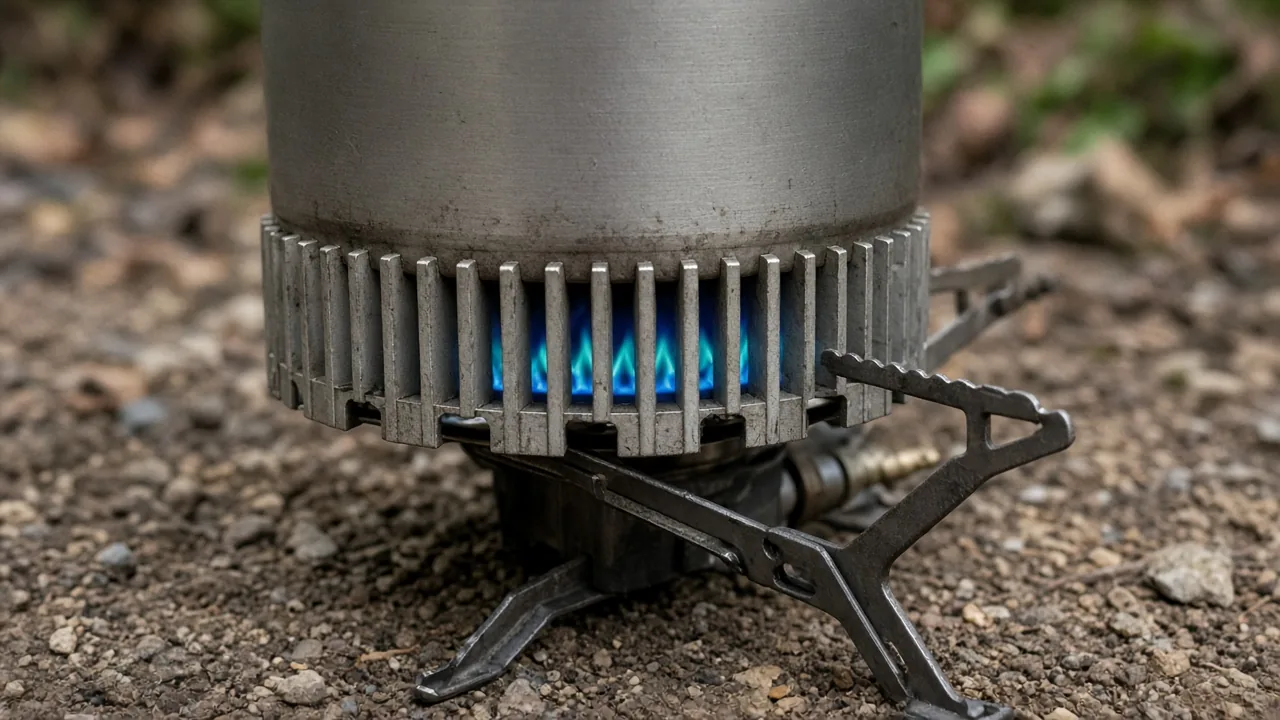
Aluminum transfers heat roughly nine times better than titanium. In practical terms, an aluminum heat-exchanger pot can cut average two-cup boil time from 2:59 with a titanium pot to 1:55 with the G3 Petrel in side-by-side testing. The fin ring increases the surface area exposed to flame, so more of the stove’s heat goes into the water instead of escaping around the sides.
That efficiency is most useful in wind and cold, where a plain titanium mug loses a lot of heat to moving air. The heat-exchanger ring gives the G3 some of the wind resistance you would expect from an integrated system like a Jetboil or MSR Windburner, without the heavier all-in-one pot and burner assembly.
Stove Compatibility and Bottom Notch Fit
The pot’s three bottom notches are spaced for stove pot supports that sit 120 degrees apart. The Soto Windmaster 3-Flex fits, as does the Fire Maple FMS-116T and several Polaris, Hornet, and Buzz models. One user also paired the G3 with an MSR Pocket Rocket Deluxe and reported very fast boils, even compared with an MSR Reactor.
The BRS stove is a common exception. Its three arms are not centered at the same 120-degree spacing, so the pot may not drop into the notches without widening them with a rotary tool. Before buying, check the angle between your stove’s pot supports. If they are not evenly spread, the G3 will still sit on top, but you lose the locked-in stability and the closer flame position that the notches are designed to provide.
Reported Performance in Wind and Cold
The most convincing field report comes from a user who tested the G3 in 35 mph sustained wind with 55 mph gusts and near-freezing water. The pot still brought two cups to a boil in about 2.5 minutes. That is close to what some integrated systems manage in better conditions, and it beats a plain titanium mug in calm weather.
That wind performance matters because a standard canister-top stove loses efficiency quickly when air blows the flame sideways. The G3’s heat-exchanger ring and notched base keep the flame closer to the pot and shield it partly from gusts. You still need to pick a sheltered spot, but the pot reduces the need for a separate windscreen.
Boil Time vs. Titanium Mug Pots
In one comparison, the G3 Petrel saved about one minute over a Toaks 750ml titanium pot, averaging 1:55 versus 2:59 for two cups of cold water. The Toaks is lighter at 3.5 ounces, but it gives up heat quickly and leaves more room for wind to steal energy.
Alcohol stove users report even larger relative gains. One reader tested a homemade alcohol stove with the G3 and cut two-cup boil time from 10 minutes down to 7 minutes while using about 25 percent less fuel, from 2 ounces down to 1.5 ounces. For gas canister stoves, the time savings are smaller but still noticeable, especially in cold or gusty conditions.
Stability and Packability
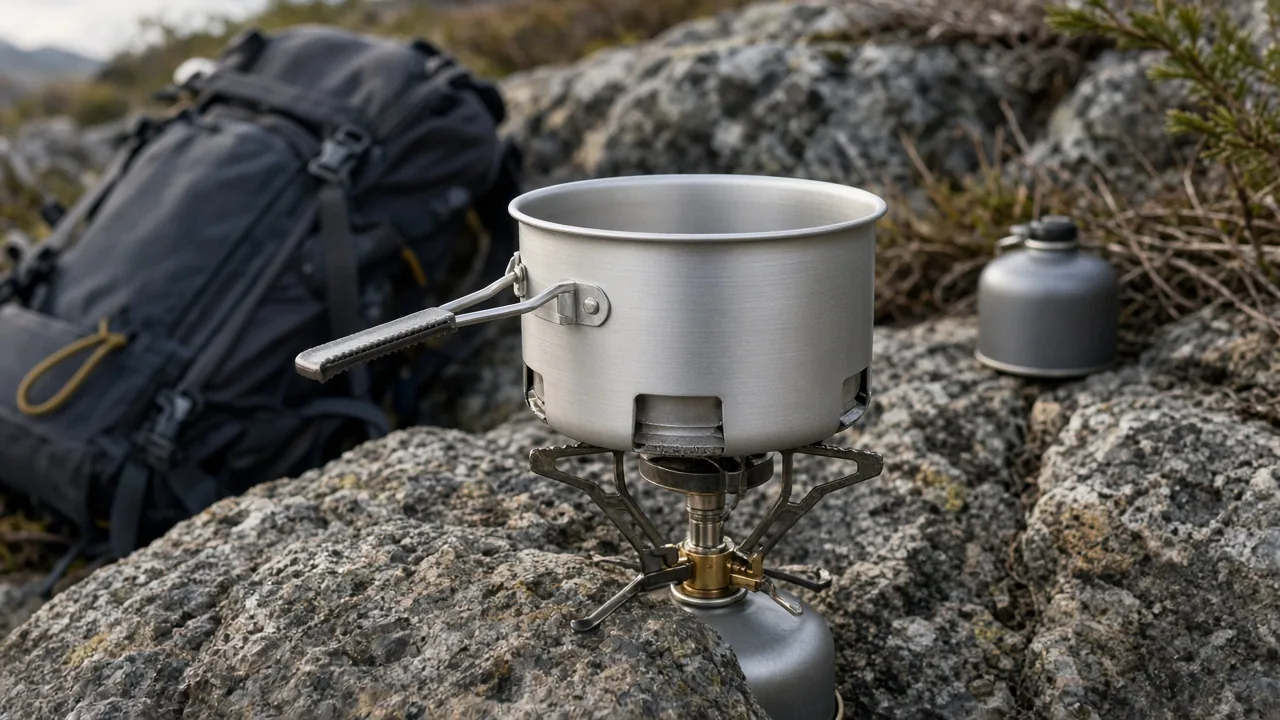
The notched base locks the pot onto compatible stove arms, so a bumped trekking pole or careless pack placement is less likely to knock over dinner. That added stability is useful when you are balancing a stove on uneven ground or cooking on a rock.
Packability is another practical win. The pot swallows a Soto Windmaster, a 100g fuel canister, and a lighter inside its 650ml body. The folding handle then swings over the lid and holds everything closed without a stuff sack or rubber band. For backpacking, that means fewer loose parts and a smaller overall cook kit.
Lid Visibility and Simpler Boiling
The G3 uses a clear lid, so you can watch water start to roll without lifting the lid and releasing heat. That may sound like a small detail, but it reduces the urge to peek and can save fuel over the course of a trip.
Users also say the lid stays seated more reliably than some Toaks lids, which can slide off or rattle in a pack. With the handle folded over the top, the lid stays in place during transport and doubles as a splash guard when you pour.
Weight, Aluminum Safety, and Cooking Limits
At 5.8 ounces, the G3 adds about 2 ounces compared with a 3.5-ounce titanium pot. That is a real penalty for gram counters, but it buys faster boils and better wind resistance. The question is whether your trips have enough cold, wind, or hot-water meals to make that trade worthwhile.
Aluminum cookware also raises questions about material safety. The short answer is that typical backpacking use presents low risk, but you should avoid storing acidic liquid in an aluminum pot for hours.
Aluminum vs. Titanium for Backpacking Cooking
Aluminum’s thermal conductivity is roughly 205 W/m-K versus about 22 W/m-K for titanium. That is why aluminum boils water faster and spreads heat more evenly across the pot bottom. Titanium, by contrast, is lighter but tends to create hot spots that can scorch rice, oats, or dry meals if you are not stirring constantly.
For boiling water and simple soups or noodles, titanium works fine. For anything that needs gentle, even heat, aluminum is more forgiving. The G3’s heat-exchanger ring amplifies that aluminum advantage by pulling more heat from the flame into the pot.
Aluminum Exposure and Food Habits
Aluminum does leach into food, especially during long boiling times or acidic cooking. Water left in an aluminum pot at room temperature can pick up a small amount of aluminum, and boiling for 30 minutes can raise that level considerably. Even so, typical backpacking use stays low, and one estimate puts the realistic daily increase from aluminum cookware below 1 milligram per day.
For context, a 50g fried dough stick can contain around 12 milligrams of aluminum. If you are trying to lower aluminum intake, reducing fried dough products and not storing tomato sauce or citrus in an aluminum pot overnight will do more than swapping cookware.
What This Pot Is Not For
The G3 is a boil-and-simple-meal pot. It works well for water, coffee, oatmeal, noodles, soups, and rehydrated pouch meals. It is not a good choice for cooking rice, simmering sauces, or making scrambled eggs with cheese that sticks.
For those meals, you need a wider pot with more control, or a dedicated cook system. If your menu is mostly boil water and add food, the G3 fits. If you like to cook in camp, plan around a different pot.
Who Should Buy This Heat-Exchanger Pot
The G3 suits backpackers who boil water often and want some integrated-system speed without carrying a heavier all-in-one stove. It also suits people who camp in exposed areas where wind is a regular problem.
Who Benefits Most
Pair the G3 Petrel with a Soto Windmaster or MSR Pocket Rocket Deluxe on short backpacking trips. You get fast, wind-resistant two-person water boils in a package that still nests a 100g fuel canister and stove inside. That combination works well for alpine starts, shoulder-season trips, and ridgeline camps where gusts are common.
Car campers who care less about weight may still appreciate the speed and stability, but they can often get more comfort from a larger pot. The G3’s 650ml capacity is really sized for one or two people making drinks or a single pouch meal.
When to Skip It
If you already carry a sub-4-ounce titanium pot and rarely boil in strong wind, the extra 2 ounces and bulkier shape do not pay off. Mild-weather backpackers who mostly cook over a low flame or use an alcohol stove on calm mornings will not notice enough difference to justify the weight.
Skip it also if you need bigger one-pot meals. A 900ml or 1L titanium pot gives more room for noodles and vegetables, and a wider base works better for actual cooking. The G3 is a specialized tool for fast boiling, not a general-purpose camp kitchen.
Setup, Fuel Use, and Alternatives
Before lighting any canister stove, set the pot on a level surface outside. Never use a stove or heater inside your tent, because of carbon monoxide, fire, and melting fabric risk. Check fire restrictions, campsite rules, and the weather forecast before you go, and read through the stove manual for your specific model.
How to Pack and Set It Up
To pack the G3, nest the Soto Windmaster, 100g fuel canister, and lighter inside the pot. Fold the handle over the lid so nothing rattles loose. At camp, unfold the handle, seat the pot on the stove, and confirm the three stove arms drop fully into the notches before you ignite.
Keep the pot on a flat rock, bare dirt, or packed surface away from dry grass. Wind will still affect the flame, but the heat-exchanger ring gives more margin than a standard mug. On a cold morning, keep the fuel canister warm enough to maintain pressure; your body or a jacket pocket works for short stops.
Jetboil Stash, Alcohol, and Other Options
The Jetboil Stash plus Soto Windmaster combination has been tested with the G3 and boils two cups in about 1:15 while using 4.5g of fuel. The Stash pot itself weighs 5.15 ounces and costs more. For speed and fuel economy, that setup beats the G3, but you are paying extra for a marginal gain unless you often cook in harsh wind.
An alcohol stove gains noticeable efficiency with the G3, cutting boil time and fuel use by roughly 25 percent in one reader’s test. The downside is that alcohol remains slower than canister gas overall, and it is less reliable in cold weather. The G3 helps, but it cannot make an alcohol stove match a good canister-top stove.
Fuel and Food Planning
For multi-day trips, alternate hot water meals with no-cook food to save gas weight. That matters most in cold or high-altitude conditions, where stoves run less efficiently and you may want more hot drinks. Plan breakfasts like overnight oats, lunches like tortillas with nut butter, and dinners that only need a single hot-water pour.
Reserve emergency food in a pocket or hip belt rather than deep in your pack. If a bear canister or bear-safe food storage is required, check local rules and keep all scented food and trash inside it overnight.
The Bottom Line
The Fire Maple G3 Petrel is worth carrying when wind, cold, or frequent hot-water meals are part of the trip. It delivers faster boils than a titanium mug, nests a stove and 100g fuel canister inside, and locks onto compatible pot supports for real stability. It is less useful for mild weather, gram-counting hikers, or anyone who wants to cook rice and saucy meals in camp.
Before you head out, check whether this is a car camping weekend or a backpacking route, how cold it may get at night, and whether rain or wind is likely. If the answer points to fast boils in rough weather, pack the G3. If you are carrying a titanium mug and only need hot water on calm mornings, leave the extra weight at home.
This article is general information about camping gear, not professional safety, medical, or wilderness training. Check fire restrictions, weather, and campsite rules before you go, and follow the manufacturer's instructions for your own equipment.
FAQ
What stoves fit the Fire Maple G3 Petrel’s notched base?
The pot fits stoves with three pot supports spaced 120 degrees apart, including the Soto Windmaster 3-Flex, Fire Maple FMS-116T, and several Polaris, Hornet, and Buzz models. The BRS stove is a common exception because its arms are not evenly spaced.
Does the heat-exchanger ring really improve boil times?
Yes. In side-by-side testing, the G3 Petrel cut average two-cup boil time from 2:59 with a titanium pot to 1:55. It still boiled two cups in about 2.5 minutes in 35 mph sustained wind.
How much does the Fire Maple G3 Petrel weigh?
The pot weighs 5.8 ounces with the lid, which is about 2 ounces more than a typical 3.5-ounce titanium pot.
Is the G3 Petrel good for cooking meals like rice or scrambled eggs?
No, it is best for boiling water and simple meals like noodles, soups, or rehydrated pouches. It is not ideal for rice, simmering sauces, or sticky camp meals.
Can I pack a stove and fuel inside the G3 Petrel?
Yes, the 650ml pot can nest a Soto Windmaster, a 100g fuel canister, and a lighter, with the folding handle holding the lid in place.