Camping Emergency Survival Kit Checklist: 8 Key Categories
A lean camping emergency survival kit checklist covering shelter, warmth, water, fire, first aid, signaling, and tools—plus what to cut and how to update it before each trip.
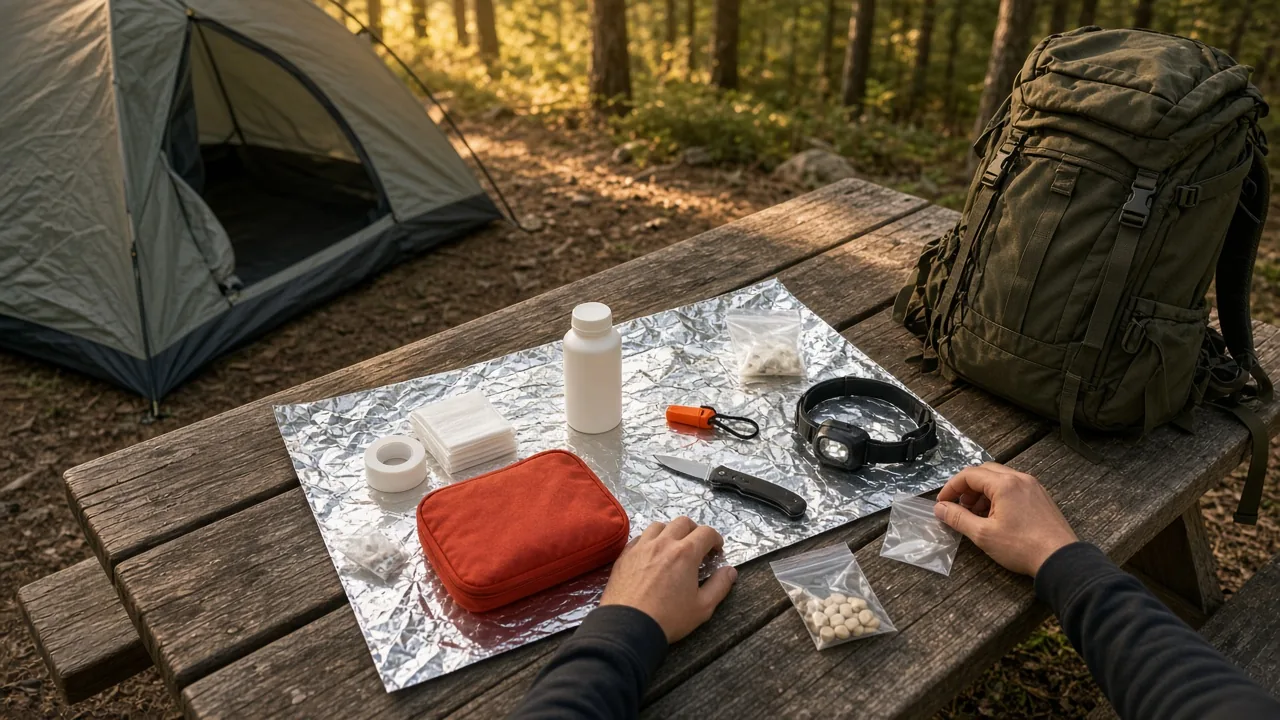
For most US car campers and backpackers, a useful camping emergency survival kit checklist is not a long shopping list. It is a short set of shelter, warmth, water, fire, first aid, signaling, and tool items that you check before each trip. Start with those basics, then cut anything your tent, sleeping bag, stove, and everyday carry already handle. A lean kit works for car camping and backpacking because it weighs less, packs smaller, and is easier to find in the dark.
Camping Emergency Survival Kit Checklist: The Short Answer
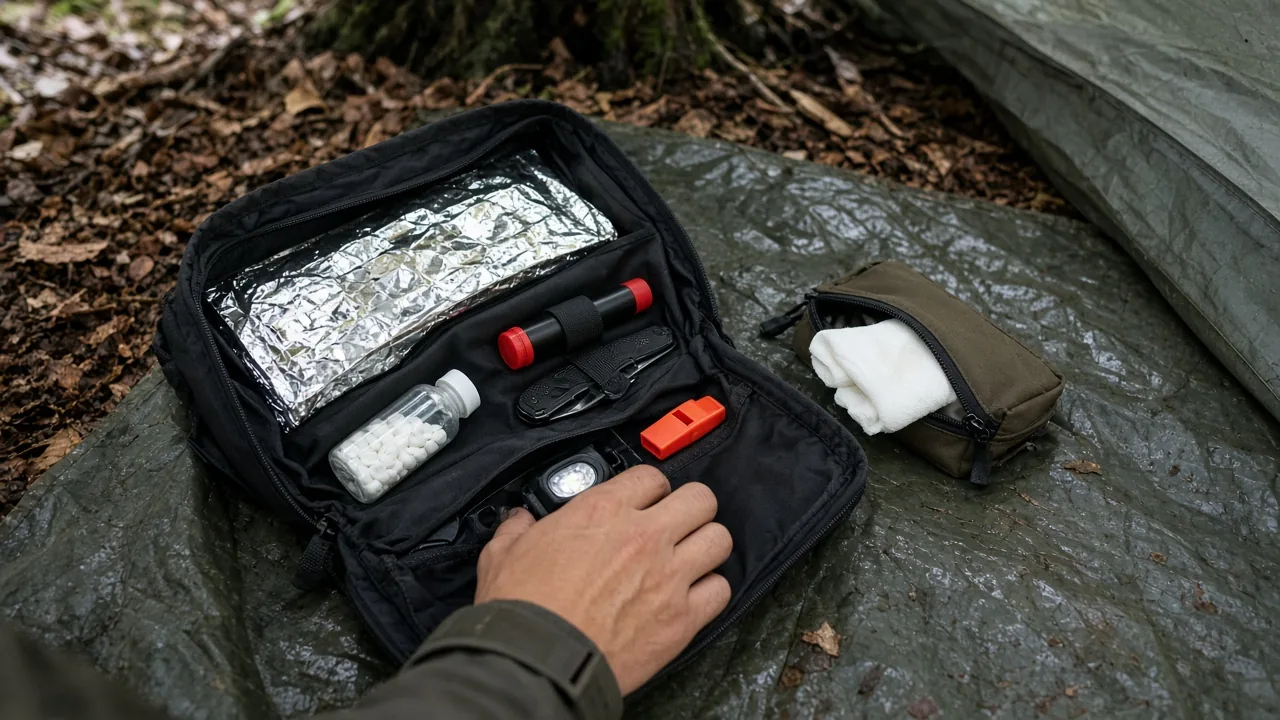
A lean kit beats a bulky survival tin for most trips. The full planning framework can cover eight areas: food and cooking equipment, shelter, fire, water, navigation and signaling, first aid and personal hygiene, tools and multipurpose items, and other trip-specific essentials. For an emergency-only pouch, the useful core is narrower: shelter, warmth, water, fire, first aid, signaling, and tools.
The goal is not to carry a second camp. The goal is to fill gaps your normal gear does not cover. If you already carry a tent, sleeping bag, stove, headlamp, and food, you do not also need a separate emergency shelter, stove, lamp, and meal kit. You need backups where failure hurts most: staying warm, staying dry enough, making water safer, stopping bleeding, and calling for help.
What Counts as Shelter, Warmth, and Water
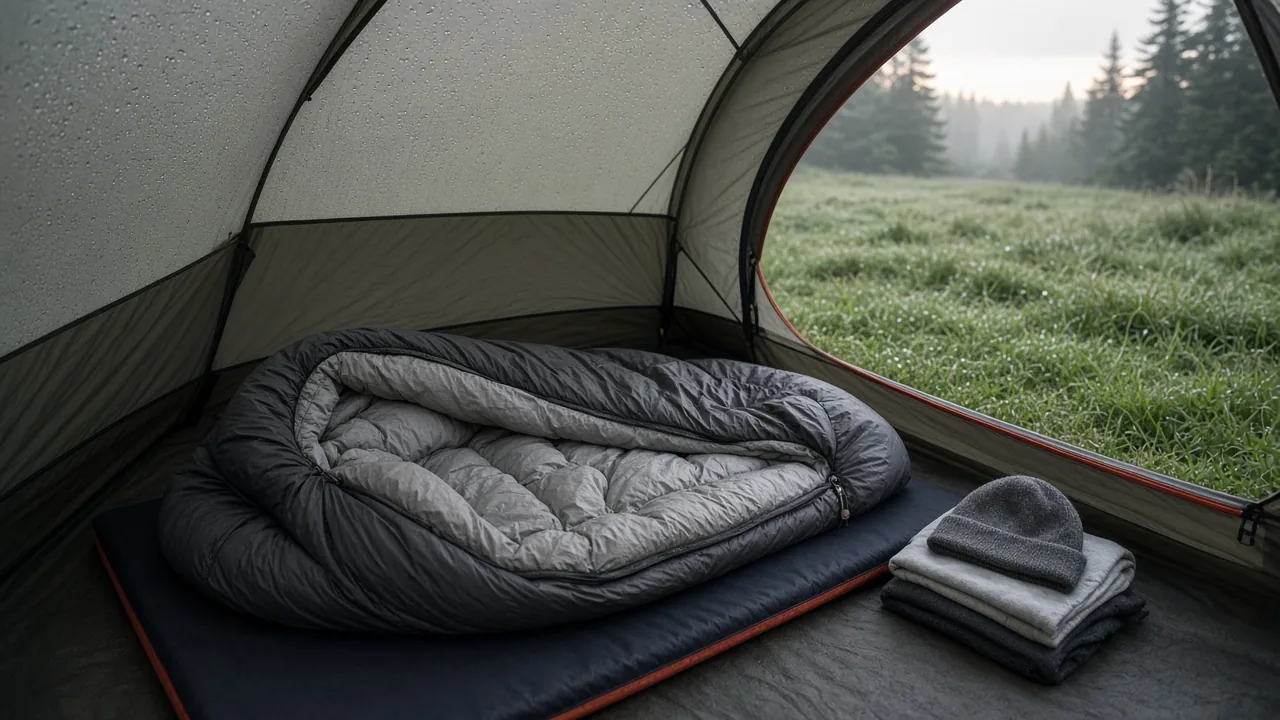
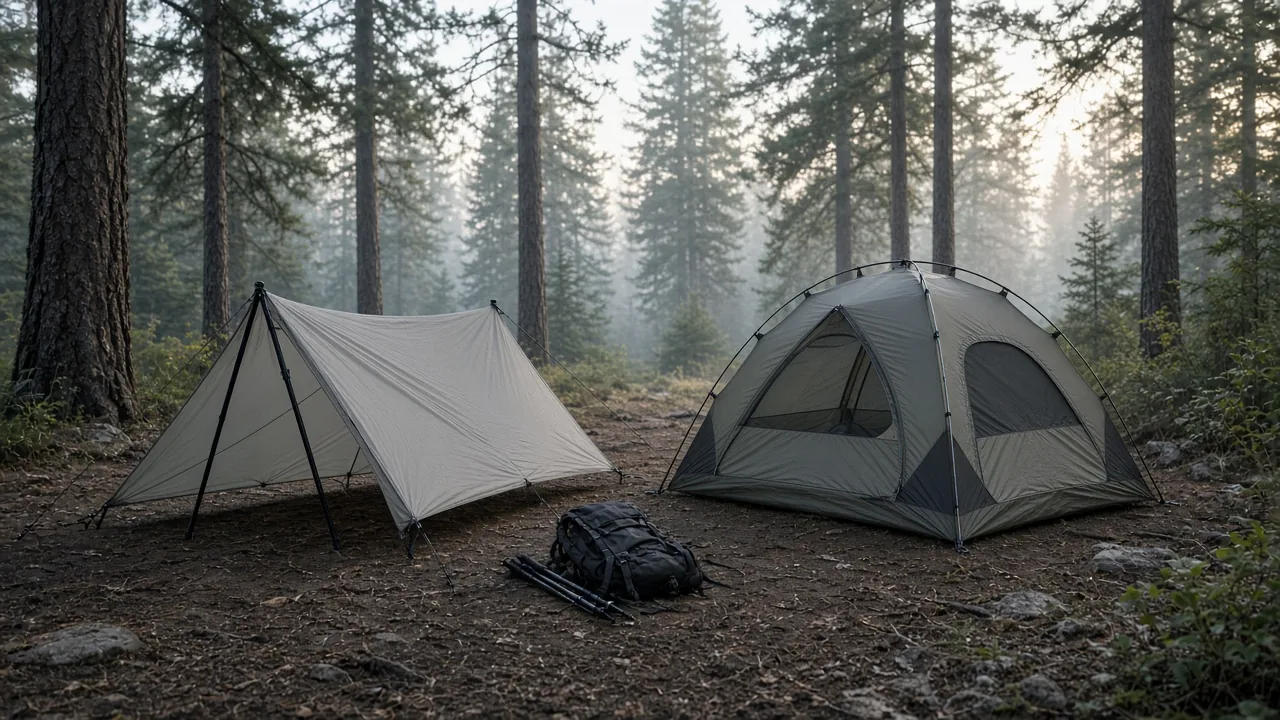
Pack only what your main shelter setup lacks. A compact emergency blanket or bivy-style reflective sheet can help reflect body heat if your sleeping bag gets wet or the overnight low drops more than forecast. Do not treat it as a replacement for a proper sleeping bag and pad. The tent and sleep system are your first line of weather protection.
For water, keep a few purification tablets or a small filter in your emergency kit. Tablets weigh less than an extra liter of water and can make found water safer if a water bottle breaks or a route takes longer than planned. A signal device, such as a whistle or small strobe, belongs on a pack strap or in an outer pocket, not buried under cookware.
Why a Written List Works Better Than a Big Bag
Write every emergency item down, then rank it by how likely you are to actually use it on your trip type. That step alone prevents the common problem of carrying too many “just in case” items while still missing a larger bandage or spare water treatment. A written list also makes updates faster: you can see expire dates, duplicate tools, and seasonal gaps at a glance.
After ranking, cut duplicates. If your first aid kit already has small bandages, you probably do not need another box in the survival pouch. If your tent and sleeping bag are rated for the forecast low, you likely do not need a second heavy blanket. A written list keeps the kit small enough for backpacking without making car camping feel sparse.
What a Well-Organized Camping First Aid Kit Gets Right
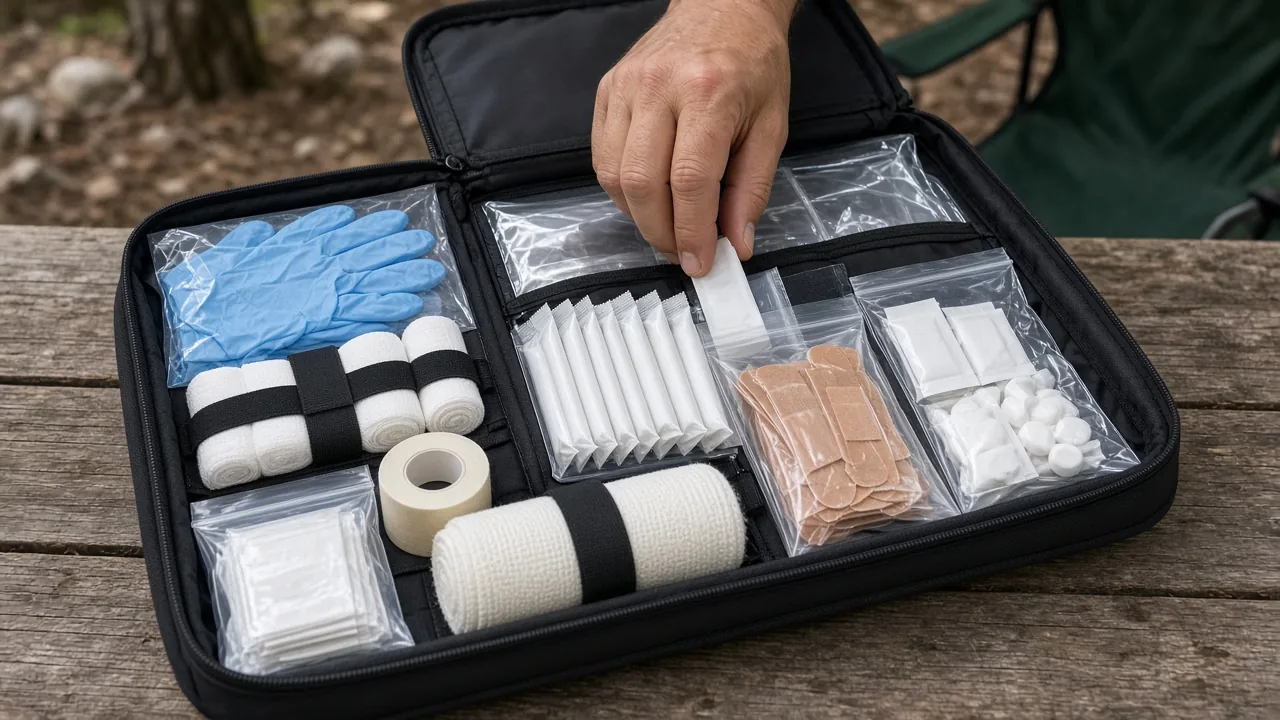
A practical first aid section inside a camping emergency survival kit checklist should favor multipurpose, low-volume items. The useful list is short: nitrile gloves, bandages, wound cleaning supplies, an emergency blanket, electrolyte powder, antihistamines, ibuprofen, and anti-diarrheal tablets. Those cover many overnight discomforts without turning your pack into a pharmacy.
One widely shared outdoor medical kit layout includes about 23 small items, but most fall into a few roles: to stop bleeding, to reduce pain or swelling, to manage stomach trouble, and to prevent infection. You do not need all 23 if you are staying near a car or a short walk from a trailhead. Add a few larger wound dressings and leave out the items that repeat the same job.
First Aid Priorities: Bleeding Control, Warmth, and Stomach Issues
Field comments and trail reports often point to the same gap: people carry many tiny adhesive strips but not enough gauze or pressure material for a real scrape or deep cut. A few purpose-made pressure dressings, gauze rolls, and paper tape are more useful than a loose strap that is only called a tourniquet. A pressure bandage can manage serious bleeding until help arrives when used with training.
For warmth, an emergency blanket can slow heat loss, especially in wind or after a rain soak. It is not a substitute for dry insulation. Put on dry layers, use a sleeping pad, and wrap the reflective sheet around the outside. Stomach issues are common when unfamiliar food, new water sources, or altitude change your routine. Anti-diarrheal tablets and electrolyte powder are small enough to justify their space.
Water Treatment and Hygiene Items That Pull Double Duty
Keep a small number of water purification tablets or a compact filter as backup. A backup water treatment method weighs little and matters whether you are car camping with a damaged jug or backpacking where a filter clogs. Alcohol wipes and nitrile gloves serve both camp hygiene and wound care. Use them before handling a cut or after cleaning up cookware.
For backpacking, choose purification tablets or a small filter rather than both if you are also carrying a stove that can boil water. The tablets handle found water when boiling is not possible. The filter covers larger quantities without fuel. Both are lighter than adding extra water bottles to your pack.
Where Camping Emergency Kits Overpack or Miss the Mark
The biggest mistakes are carrying duplicate medications, improvised tools that are not purpose-made, and trying to cover every possible injury instead of the likely ones for your region and trip type. A kit that tries to include everything often ends up with several cold medicines, a weak plier tool, and no proper wound dressing.
Overpacking is not just a weight problem. It makes the kit harder to search at night and easier to forget what you actually have. A lean kit with a written list is faster to use when your hands are cold, your headlamp beam is narrow, and you are tired.
Medication Overlap and Label Reading
Cold-and-flu powders can contain acetaminophen or ibuprofen. Taking them with separate ibuprofen may double the dose without adding more relief. The same risk applies to combination headache or sinus products. Read the active ingredients on every packet and compare them before you stack medications.
Ask a pharmacist or check a trusted official source if you are not sure. Do not assume a herbal or cough product is safe to mix because it sounds mild. If the label lists a pain reliever, count it as part of your total. Keeping ibuprofen as your main pain and fever reducer, plus one antihistamine and one anti-diarrheal, often covers more ground than five overlapping cold medicines.
Improvised Tourniquets and Underpowered Wound Care
Several campers and first aid reviewers have called a simple strap a poor tourniquet. Used without training, an improvised tourniquet can cause tissue damage while not reliably stopping arterial bleeding. A pressure bandage plus a basic wilderness first aid class is more useful for most people.
Also add larger bandages or gauze rolls instead of only small adhesive strips. Small bandages are fine for blisters and minor cuts, but they do not cover a wide scrape or a deep gash. Gauze, paper tape, and a few non-adherent pads give you more options with less packaging than a large assortment of bandage sizes.
The Tent Safety Rule That Must Not Be Skipped
Never use a stove or heater inside your tent. Fuel-burning devices create carbon monoxide and fire risk, even with a vent open or a candle heater. Keep cooking, lanterns, and heating outside or in a manufacturer-approved shelter with proper ventilation. This is a hard rule, not a comfort preference.
If the overnight low is colder than expected, add an appropriate sleeping bag, pad, or dry base layer instead of putting a heat source inside the tent. Carbon monoxide is invisible and odorless. The safest way to stay warm is insulation, not combustion.
Who Should Use This Camping Emergency Survival Kit Checklist, and Who Should Not
This checklist fits first-time overnight campers and backpackers who want a baseline kit. It is also useful for car campers who want a small emergency pouch without buying a prepacked survival bag full of items they already own. The framework is simple: cover the likely failures, keep it small, and update it before each trip.
It is not for remote expedition travel, groups with known medical needs, or trips where professional medical help is far away. In those settings, you need more than a one-page checklist. You need route-specific planning, group medical information, and possibly wilderness first aid training. This checklist is a starting point, not a substitute for that level of preparation.
Car Camping: Comfort and Setup Convenience Can Carry More
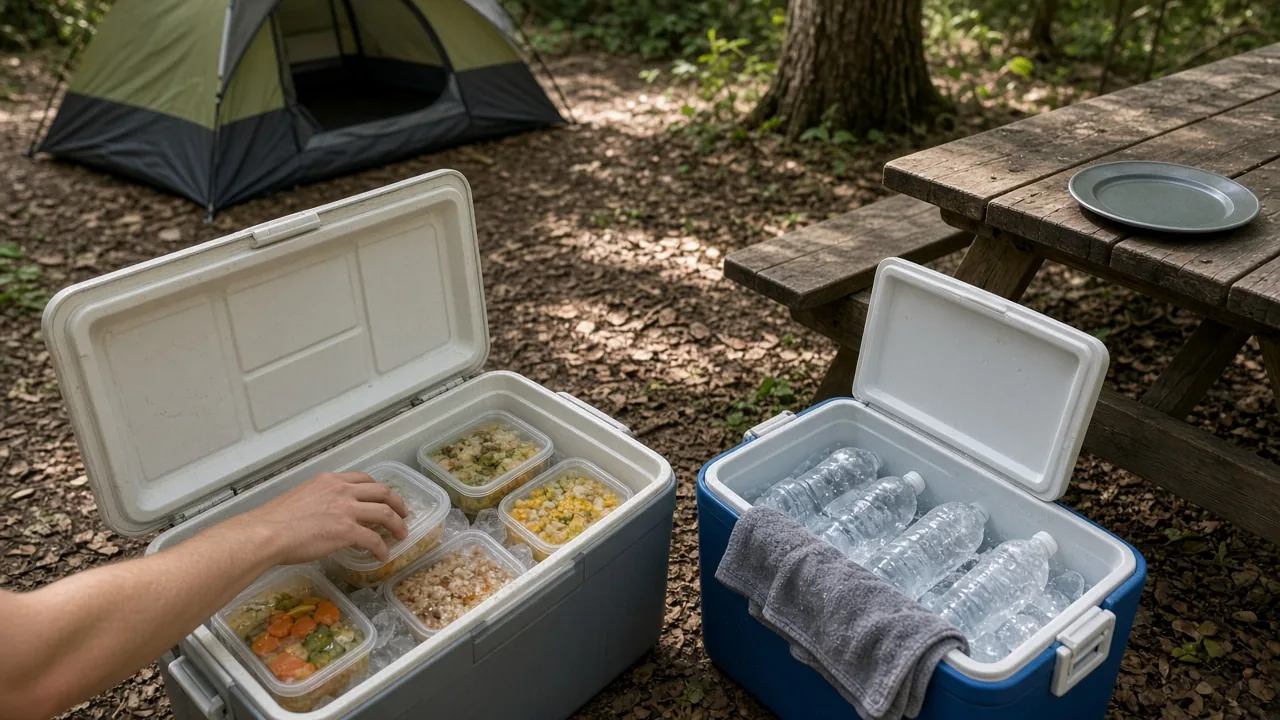
Car campers can pack a slightly larger first aid kit and extra water treatment because weight matters less. You still do not need a 10-pound kit unless you are far from a road or helping a group. Keep items in a clearly labeled pouch so you can read the labels with a headlamp at night. Transparent zip bags or written tags work better than a tightly packed roll-top sack.
Since the car is nearby, you can also separate the emergency kit from your main camp gear. Keep the pouch in the same place every trip, and make sure everyone in the group knows where it is. In bear country, do not store food or scented first aid items inside your tent overnight.
Backpacking: Cut to Ounces and Multipurpose Items
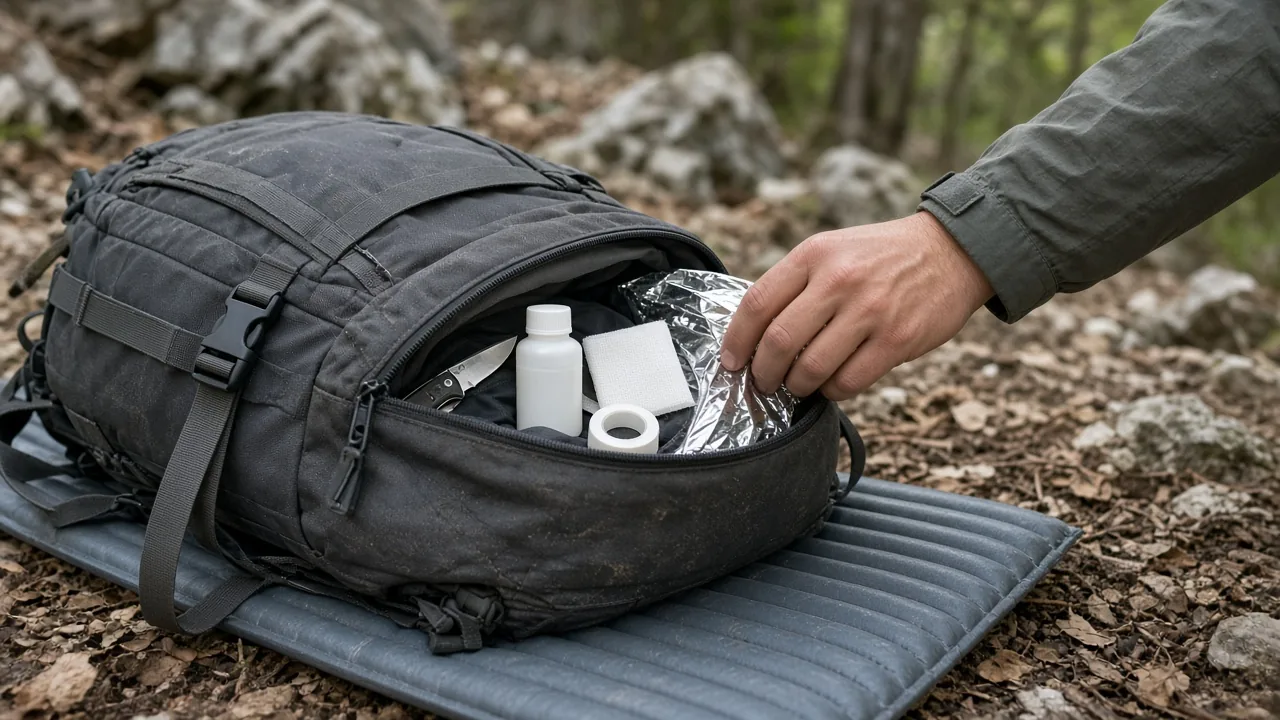
Backpackers should compare every item by weight and double use. Drop bulky containers and duplicate tools. Transfer pills into small zip bags with the name, dose, and expiration date written on the outside. Use a small folding knife instead of a heavy multi-tool if you only need to open food, cut tape, or trim guyline.
The same safety basics still apply, but in smaller quantities: a few purification tablets, two or three gauze pads, a small roll of tape, and one emergency blanket. Keep the kit in an outer pocket or top lid so you can reach it without unpacking your shelter.
Better Substitutions for a Leaner Camping Emergency Kit
Replace single-use or bulky items with compact multipurpose alternatives. A small folding knife does the work of a heavy multi-tool for most camp tasks. Paper tape and gauze replace many individual adhesive bandages. A filter or tablets replace carrying extra water. Each swap saves space without removing capability.
| Common bulky item | Leaner substitute | Why it works |
|---|---|---|
| Heavy multi-tool with 12 functions | Small folding knife or mini multi-tool | Covers cutting, food prep, and simple gear repair without unused tools |
| Many small adhesive bandages | Paper tape plus gauze pads or a gauze roll | Handles blisters, small cuts, and larger scrapes |
| Extra one-liter water bottles | Purification tablets or a small filter | Makes found water safer without carrying pounds |
| Large tin of assorted pills | Small labeled packets of ibuprofen, antihistamine, anti-diarrheal | Reduces overlap and makes dosing easier |
| Bulky emergency shelter | Compact reflective blanket or bivy | Adds a backup heat-reflective layer without another tent |
Do not swap away the tools you actually know how to use. A smaller kit only works if you can open it, read the labels, and operate each item in the conditions you camp in.
How to Update Your Kit Before Each Trip
Check expiration dates on medications and water purification tablets. Look at the tape and adhesive packaging; heat, cold, and moisture can ruin stickiness even before a printed date. Inspect batteries, headlamp function, and the seal on gloves or wound cleaning supplies. A good time to do this is at least yearly or before every trip if the kit lives in a car trunk or shed.
Review local fire restrictions, the weather forecast, and any campsite rules before you pack. If fires are banned, leave the fire-starting backup in the car or choose a stove-only setup. If rain or a cold front is moving in, add a compact reflective blanket or rain cover only if your sleep system and shelter need it. Check bear-safe food storage rules for the area and adjust how you pack food and scented first aid items.
Region-Specific Items to Ask About Locally
Snake country, desert heat, cold rain, and high-altitude sun each change what belongs in a small kit. Ask local land managers, ranger stations, or official sources what they recommend for the season. In snake country, know whether the local guidance is to keep a pressure immobilization bandage or simply move away and seek help. In high heat, electrolyte powder and a plan for shade may matter more than an emergency blanket.
Do not load a small kit with prescription-only or questionable remedies without guidance. For example, epinephrine is not a casual addition unless you have a prescription and training. The same caution applies to strong pain relievers or sedating antihistamines. A lean kit should match the region and the trip, not a list of “what ifs” from a different climate.
Before you pack, match each item to whether you are car camping or backpacking, the overnight low in Fahrenheit, and the rain chance. If the forecast calls for a low of 35°F with rain, you may need a compact emergency blanket or dry base layer even if the summer kit usually stays home. If the route is short and the car is close, a larger first aid pouch and extra water treatment are reasonable. Related gear worth checking at the same time is your tent rain protection and sleeping pad insulation; a small emergency blanket cannot make up for a soaked sleep system, but it can help when layered with dry gear.
— Camp Kit Journal
This article is general information about camping gear, not professional safety, medical, or wilderness training. Check fire restrictions, weather, and campsite rules before you go, and follow the manufacturer's instructions for your own equipment.
FAQ
What should a camping emergency survival kit include?
A lean kit covers shelter, warmth, water, fire, first aid, signaling, and tools. Pack backups only for the items your main gear doesn’t already handle.
How do I keep my camping emergency kit lightweight?
Write a list, rank items by likelihood of use, cut duplicates, and choose multipurpose items such as paper tape with gauze instead of many small bandages.
What first aid items are most important for camping?
Nitrile gloves, bandages or gauze, wound cleaning supplies, an emergency blanket, electrolyte powder, antihistamines, ibuprofen, and anti-diarrheal tablets cover most common issues.
Can I use a stove or heater inside my tent?
No. Fuel-burning devices create carbon monoxide and fire risk, so cooking, lanterns, and heating should stay outside or in a properly ventilated approved shelter.
How often should I update my camping emergency kit?
Check expiration dates, tape adhesives, batteries, and seals at least yearly or before every trip if the kit lives in a car trunk or shed.