Best Lightweight Camping Blankets for Backpacking: Warm & Dry
Find packable, water-resistant camping blankets under two pounds for backpacking, plus tips on insulation, layering, and care.
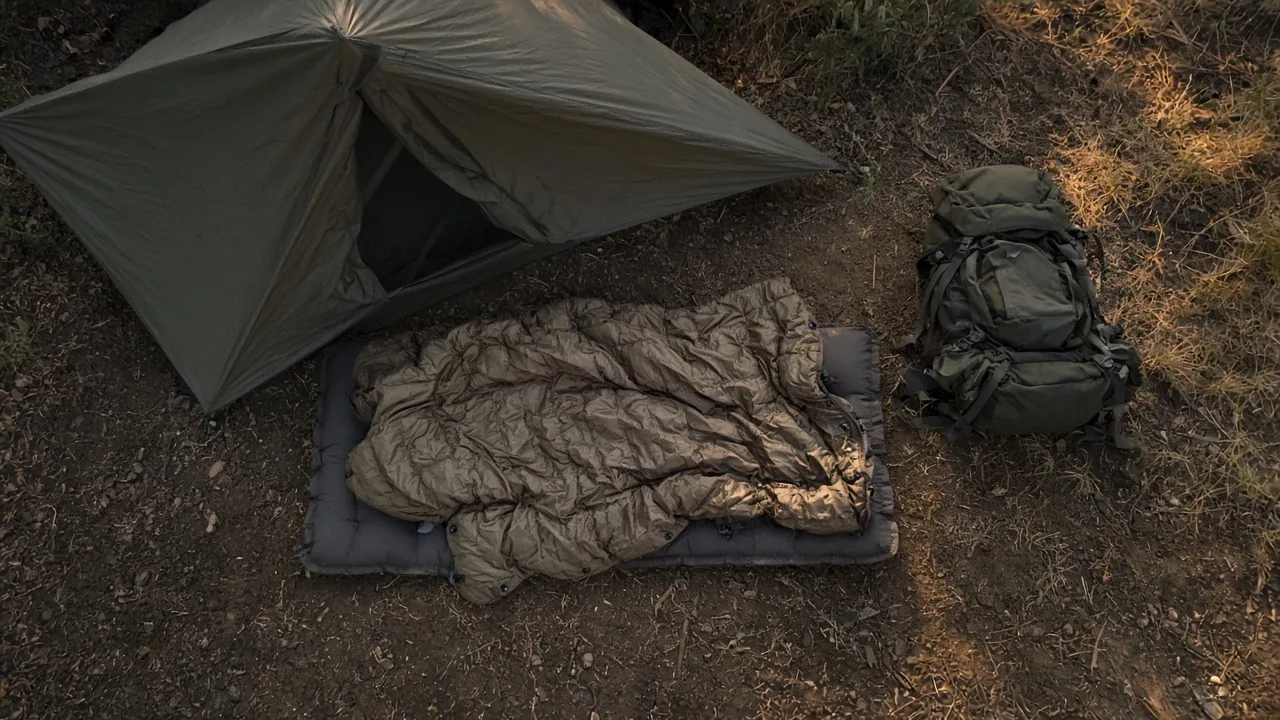
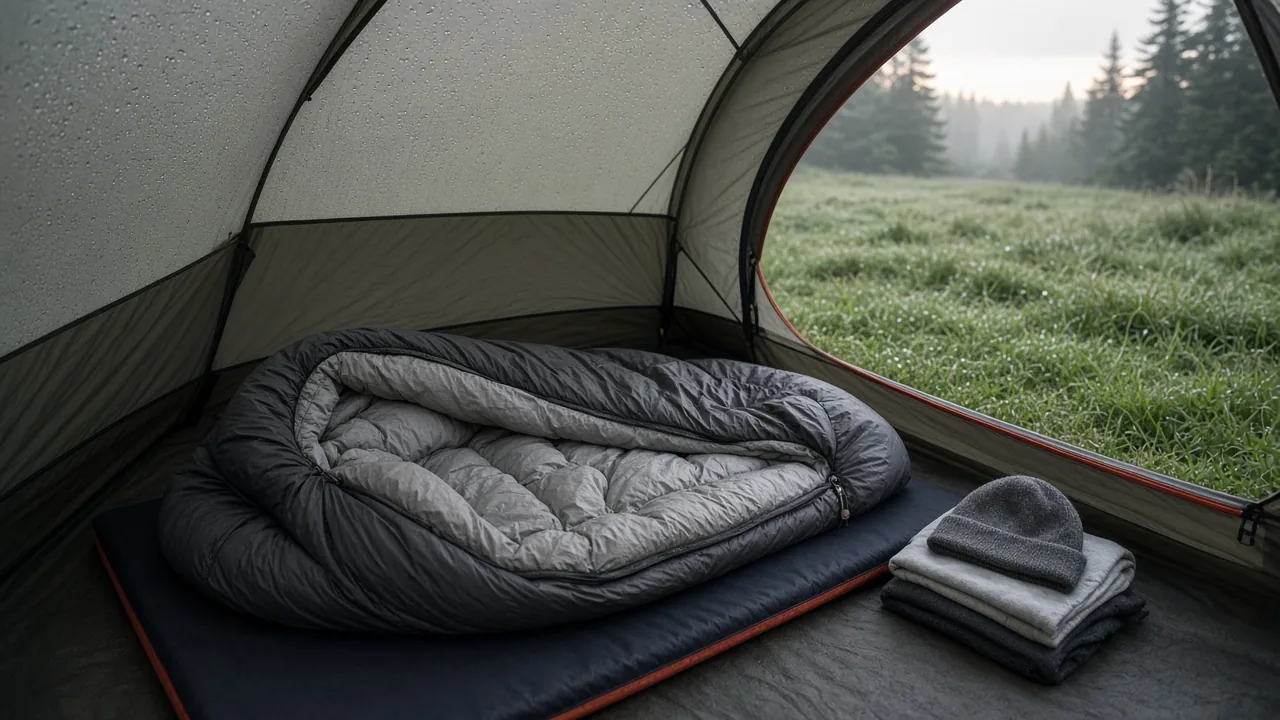
If you're backpacking in cool or damp weather, choose a packable water-resistant blanket under about 2 pounds, with a weather-shedding shell and snaps or clasps for hands-free wear. Save heavier Sherpa or heated setups for car camping, where ounces matter less than softness. The best lightweight camping blankets for backpacking earn their place by replacing bulk, not by adding another layer you have to carry. Think of them as a supplement to your sleep system: extra warmth at camp, a dry layer over a damp bag, or a wearable wrap when the temperature drops before dinner.
What to Look for in the Best Lightweight Camping Blankets for Backpacking
Before you compare brand claims, check the numbers. Weight, packed size, shell fabric, and closure hardware decide whether a blanket earns space in your pack. A blanket that weighs 4 pounds and rolls to the size of a football belongs in a car trunk, not a backpack.
Weight and Packed Size: Stay Under Two Pounds
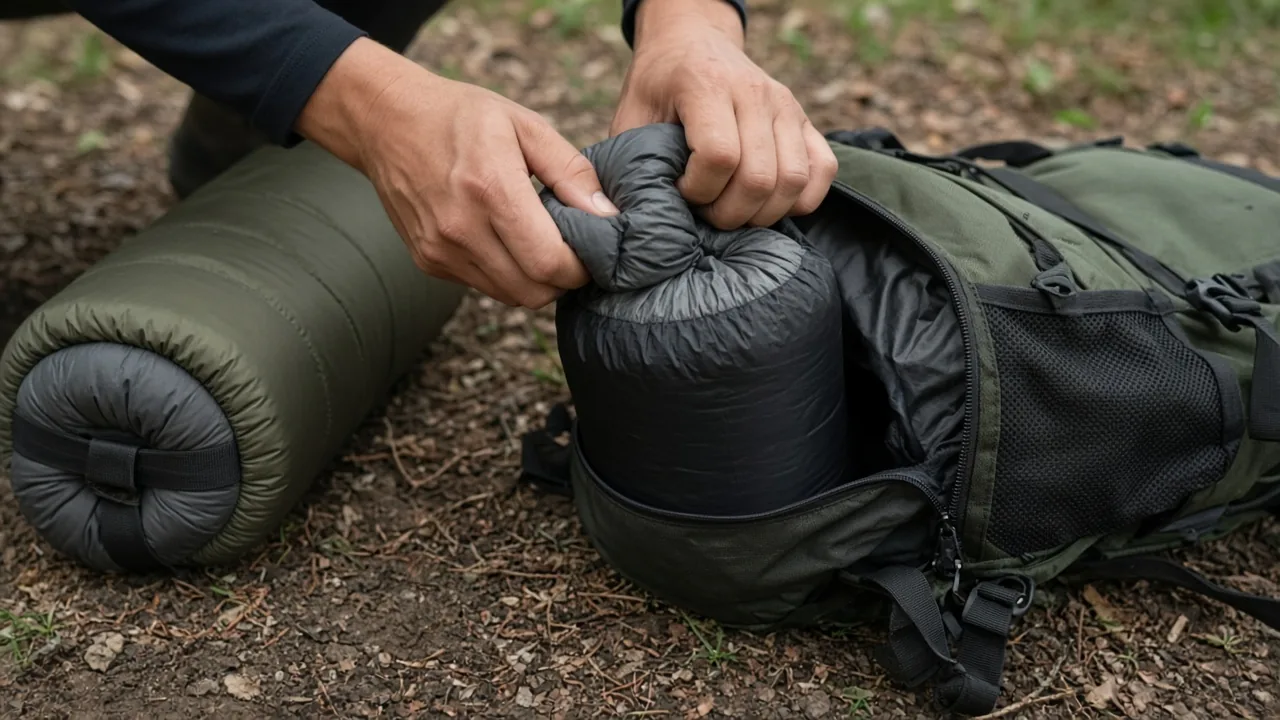
For backpacking, keep the blanket near 1.5 to 2 pounds and rolled smaller than a sleeping bag. A blanket in that range can ride in a side pocket or strap to the outside of a pack without wrecking your load.
Some backpacking-oriented options compress into a small stuff sack. One model in this weight class rolls down to roughly 17 by 6.5 inches, which is closer to a 1-liter bottle than a full-size blanket. Heavier or bulkier options are better left in a car kit, where they can stay ready for a cold tailgate or an extra layer in a cabin bunk.
The reason is simple: backpacking is a game of trade-offs. Every pound you carry in camp comfort is a pound you are not spending on food, water, or a warmer sleeping bag. If a blanket is much over 2 pounds, it probably should not go in a backpack unless you are deliberately choosing it over a sleeping bag.
Who it suits: Backpackers who want a camp layer or a summer sleep supplement. Who it doesn't: Anyone counting every ounce on a long thru-hike where a puffy jacket already covers most of the same needs.
Water-Resistant Shells: DWR and Ripstop Nylon
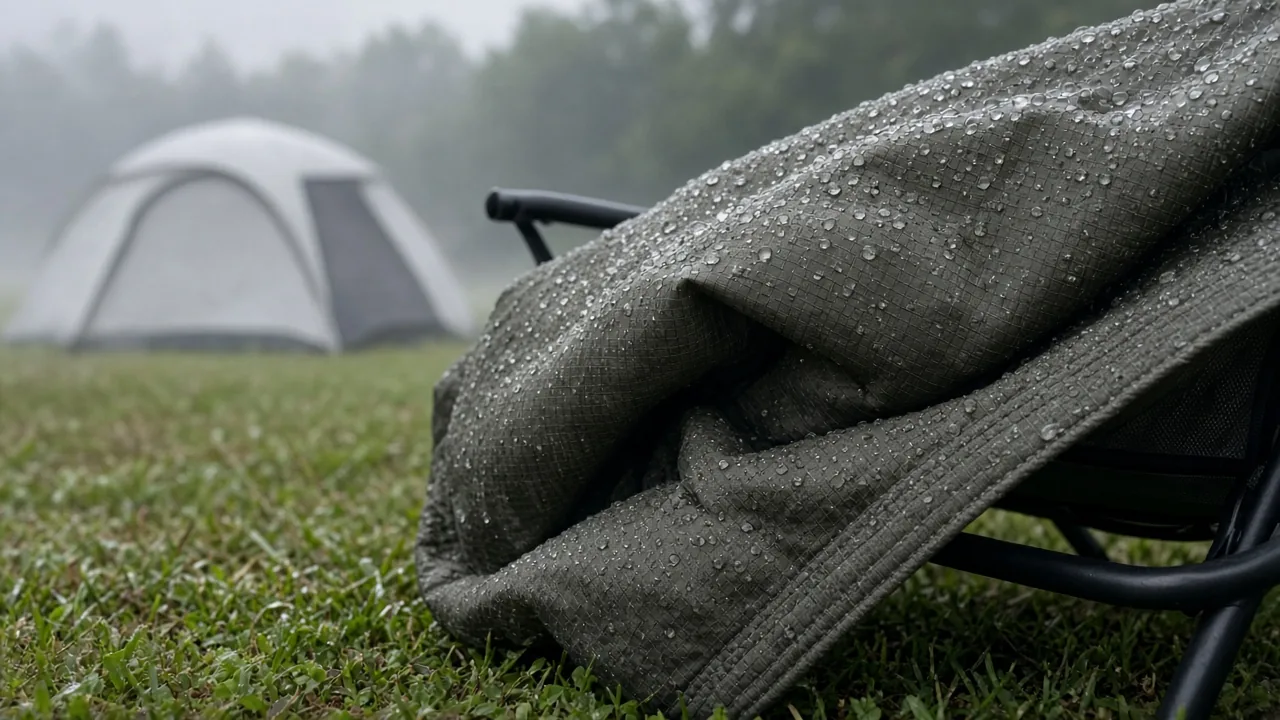
Look for a shell made from 20D ripstop nylon with a DWR coating. That combination sheds light rain, mud, sand, and pet hair, which matters when the blanket ends up on damp ground or wrapped around a dusty pair of boots. Ripstop nylon resists small tears from sticks and rocks better than plain woven fabric, though no shell makes a blanket indestructible.
A water-resistant shell is not a substitute for a tarp or tent. It handles condensation, mist, and spills, but it will wet through in sustained rain. The inner layer matters too: a soft lining keeps the blanket comfortable against bare arms and neck when you use it as a wrap.
Some designs pair the DWR shell with synthetic insulation or down fill. The shell protects the fill from damp air and ground contact, which helps the blanket hold loft longer. If you camp in the Pacific Northwest or anywhere with heavy dew, the DWR shell is worth prioritizing over a fleece exterior.
Why 20D ripstop? The "20D" refers to thread weight. It is light enough for backpacking but durable enough for occasional ground contact. Heavier deniers last longer but add weight and bulk.
Hands-Free Use: Snaps, Cape Clasps, and Footboxes
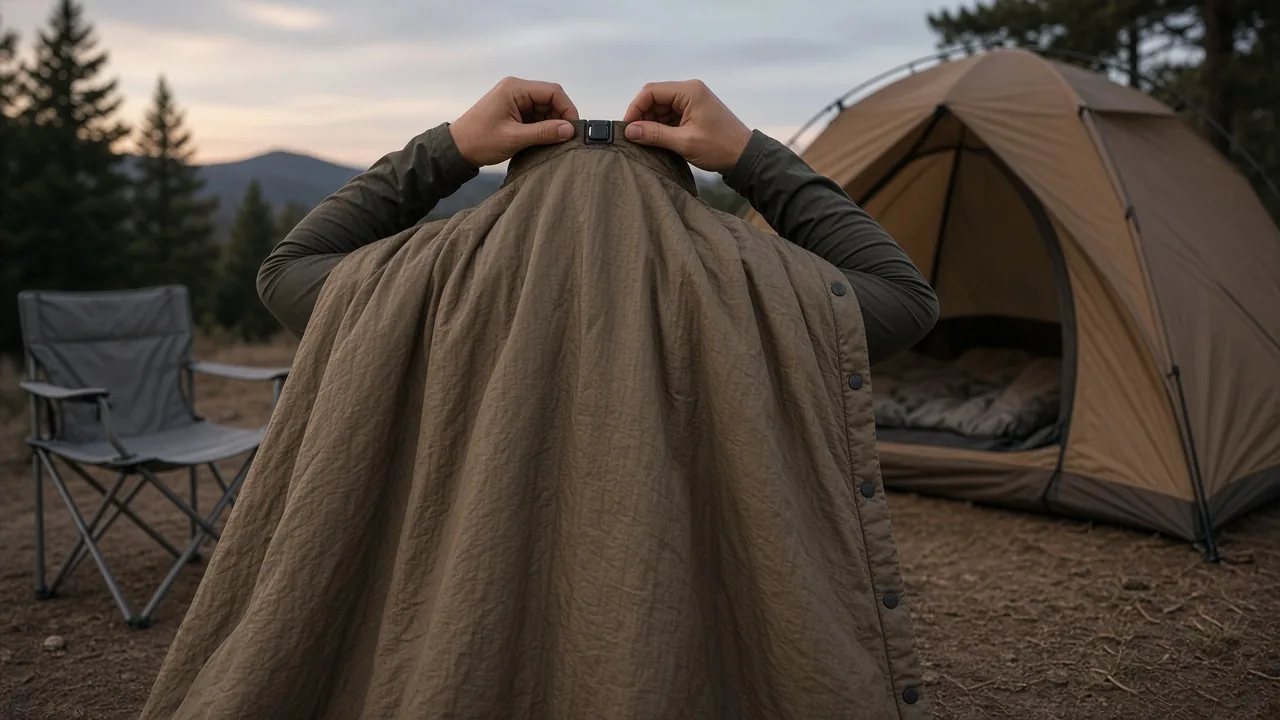
Choose a blanket with snaps, cape clasps, or a drawstring footbox if you want to wear it while cooking, reading, or gathering wood instead of holding it closed. Hands-free wear is one of the biggest advantages of a camp blanket over a sleeping bag.
A cape clasp lets you fasten the blanket around your neck like a poncho. Side buttons or premium snaps can turn a rectangular blanket into a wearable wrap that stays put when you reach for a stove knob or a coffee cup. A drawstring footbox lets you cinch one end closed around your feet, which helps when you are sitting in a camp chair and want your lower body covered.
The catch: these features add weight and complexity. A couple of clasps and a cinch cord are not much, but they are only worth it if you actually use them. If you mostly sleep under the blanket at night and never cook in it, a simple rectangle with a good shell and warm fill is fine.
Insulation Type: Synthetic vs. Down
Synthetic fill handles damp conditions more predictably. It keeps some loft when wet, dries faster, and costs less. Down may offer more warmth per ounce, but it needs more care to keep its loft when wet and can clump if stored compressed for too long.
For a camp blanket that might touch wet ground or ride on the outside of a pack, synthetic insulation is easier to live with. Several lightweight camping blankets use synthetic down-like fill or double-stuffed synthetic insulation. Those materials mimic the feel of down without the moisture anxiety.
A down-filled blanket, such as one with 650 fill duck down, can feel noticeably lighter and pack smaller for the same warmth. The trade-off is care. If you choose down, keep it dry, air it out after trips, and avoid storing it crushed in a compression sack for weeks at a time.
How Lightweight Camping Blankets Compare for Backpacking and Car Camping
The same blanket can work for both, but the priorities change. Use a comparison table to separate backpacking-oriented blankets from car-camping comfort options by weight, packed size, insulation, water resistance, and best-fit use.
| Blanket Style | Weight | Packed Size | Insulation | Water-Resistant Shell | Best Fit |
|---|---|---|---|---|---|
| Ultralight down blanket | ~1.5–1.6 lb | Small compression sack | 650 fill duck down | 20D ripstop nylon with DWR | Backpacking in dry or cool conditions |
| Synthetic puffy blanket with snaps | ~1.5 lb | Compact stuff sack | Double-stuffed synthetic | 20D ripstop nylon with DWR | Backpacking in damp or variable weather |
| Thinsulate multi-use blanket | Under 2 lb | Moderate | 3M Thinsulate synthetic | 20D ripstop nylon | Backpacking, shared use at camp |
| Sherpa-lined comfort blanket | Heavier | Bulky | Sherpa fleece and polyester | Ripstop polyester, less packable | Car camping, front-country trips |
Backpacking: Prioritize Low Weight and Packability
Pick a 1.5 to 2 pound blanket with a compression sack and modest dimensions. It should replace or supplement a sleep system without adding noticeable bulk. A blanket that packs to roughly the size of a 1-liter bottle is easy to justify. One that fills half a backpack is not.
In backpacking, the blanket usually fills one of three roles: a summer top layer when nights are mild, an extra layer over a sleeping bag when the forecast drops below the bag's comfort rating, or a camp wrap while you wait for the stove to boil. Each role requires low weight more than maximum softness.
A backpacking blanket should also be easy to dry. If it gets damp from condensation inside a tent, you want something that airs out in the morning rather than staying soggy for the rest of the trip.
Car Camping: Comfort Can Outweigh Ounces
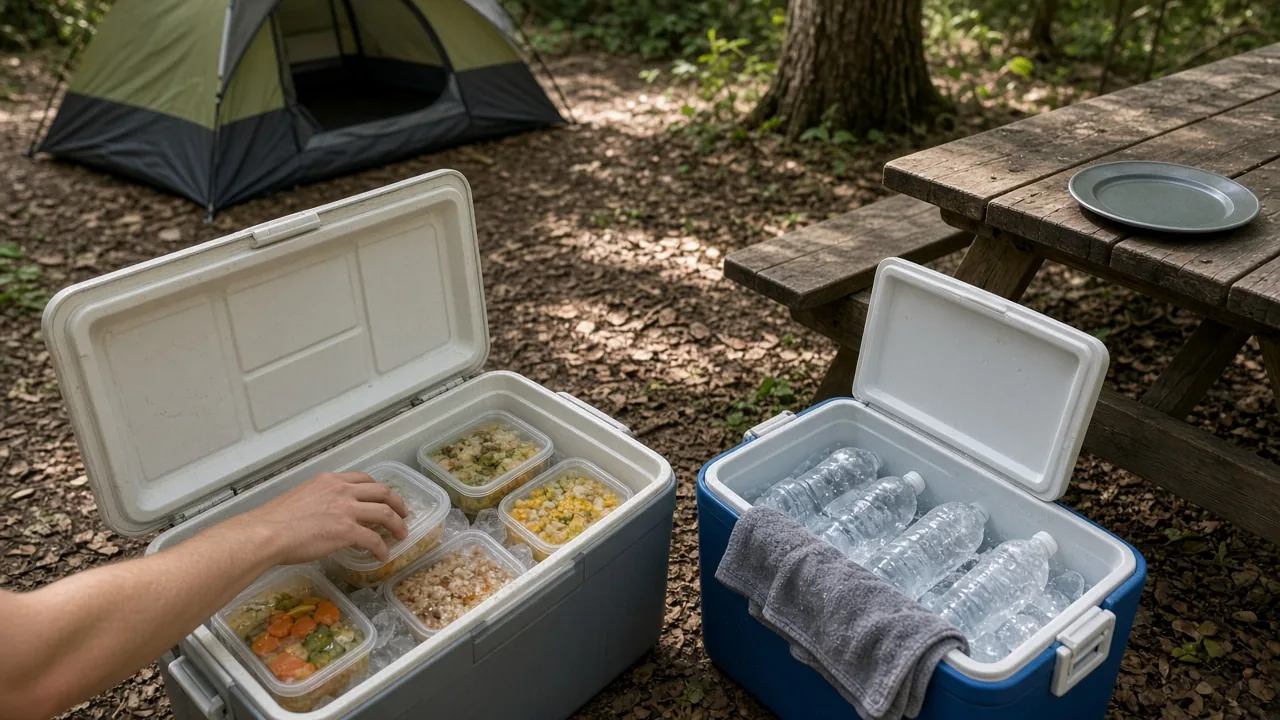
If you drive to camp, a heavier Sherpa-lined or larger two-person blanket may be worth the extra space and weight. Setup time and softness matter more when you are parked next to the fire ring with a full cooler and a roomy tent.
A Sherpa fleece blanket with ripstop polyester quilting feels plush and warm. It may also be heavier and bulkier than anything you would want to carry more than a hundred yards. That is fine in a car. You can bring two of them.
Car camping also makes larger sizes practical. A blanket that measures about 79 by 61 inches can cover two people on a cool evening. With YKK zippers, some blankets can connect to each other for even more coverage. That kind of size and weight is a car-camping luxury, not a backpacking choice.
Choosing a Blanket for Your Nighttime Low and Weather
Match the blanket's stated comfort rating to the expected overnight low, but treat it as a layer rather than a standalone guarantee in wet or windy conditions. A blanket alone does not replace a sleeping pad. Cold ground pulls heat faster than cold air, and a blanket between you and a foam pad will always feel colder than the same blanket on a thick insulated pad.
Matching Comfort Ratings to Forecast Lows
A blanket with an approximate 32°F comfort rating can work near freezing if paired with a sleeping pad and base layers. But below that, you need more insulation. Comfort ratings on blankets are less standardized than sleeping bag ratings, so treat them as rough guidance, not a promise.
If the forecast says 35°F and your blanket is rated around freezing, you should still pack a hat and sleep in dry base layers. If the forecast says 20°F, a 32°F blanket is not enough on its own. Add a sleeping bag or choose a warmer bag instead of layering blankets.
The key variable is the sleeping pad. In cold weather, a pad with enough R-value matters more than an extra blanket. R-value measures resistance to heat flow. A higher R-value means more insulation from the ground. Even the warmest blanket cannot fix a cold back from a thin pad.
Layering for Damp or Windy Conditions
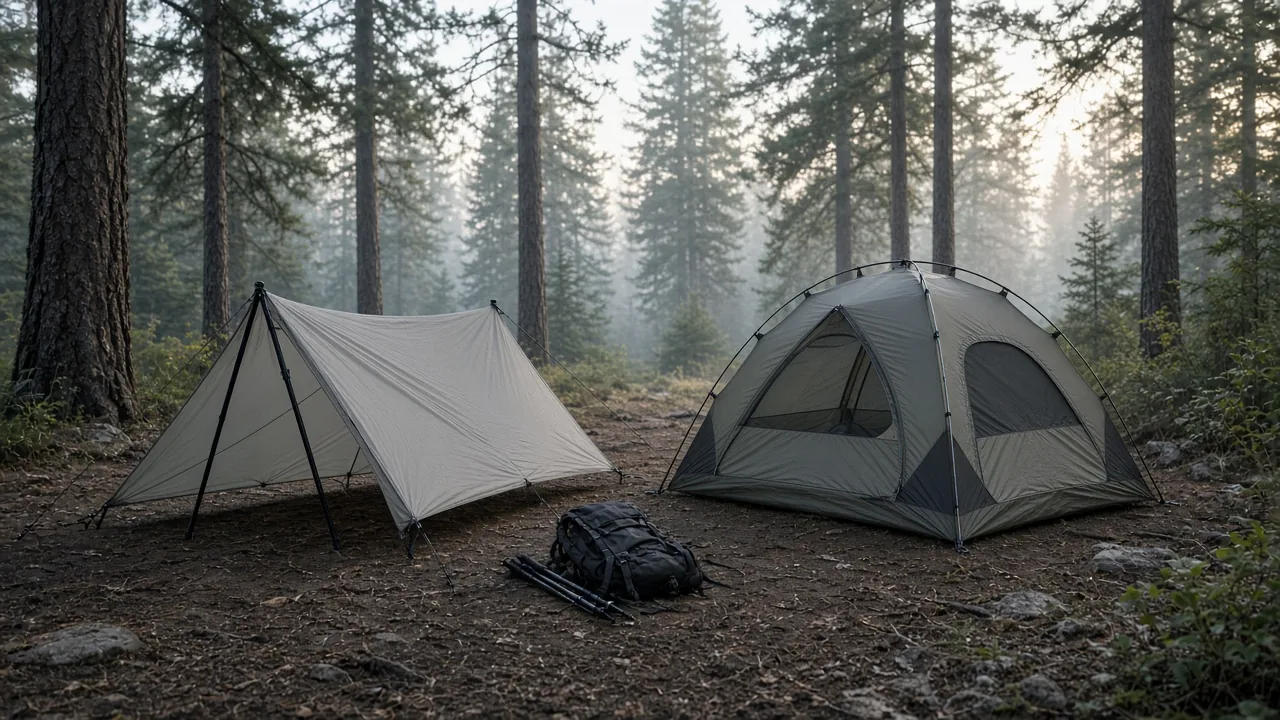
A water-resistant shell protects against condensation and light precipitation, but pair it with a tent or tarp and dry sleep clothes to avoid relying on one layer. Wind robs warmth faster than still air at the same temperature. A DWR shell cuts some wind, but a tent wall or bivy does much more.
Damp conditions are the real test. Synthetic fill holds up better than down when moisture is unavoidable. If you are camping in fog, light rain, or heavy dew, choose a synthetic blanket or keep a down blanket inside a dry bag until you are under shelter.
One rule to remember: never use a stove or heater inside your tent. All fuel-burning heat sources produce carbon monoxide and fire risk. Keep stoves outside, cook away from the tent, and use passive insulation inside. Even a small fuel canister stove can create dangerous carbon monoxide in a closed space.
Common Mistakes When Choosing a Camping Blanket
Avoid assuming more features or heat always helps. Complexity can add weight, bulk, and safety risks without improving warmth during a typical backpacking trip. The most useful blanket is the one you actually take, not the one with the longest feature list.
Choosing a Multi-Function Blanket You Won't Actually Wear
Clips and snap systems are useful only if you'll use them. If you mostly sleep under the blanket, prioritize full-length coverage and warm fill over extra straps. A poncho feature that never gets used is just extra hardware and a higher price.
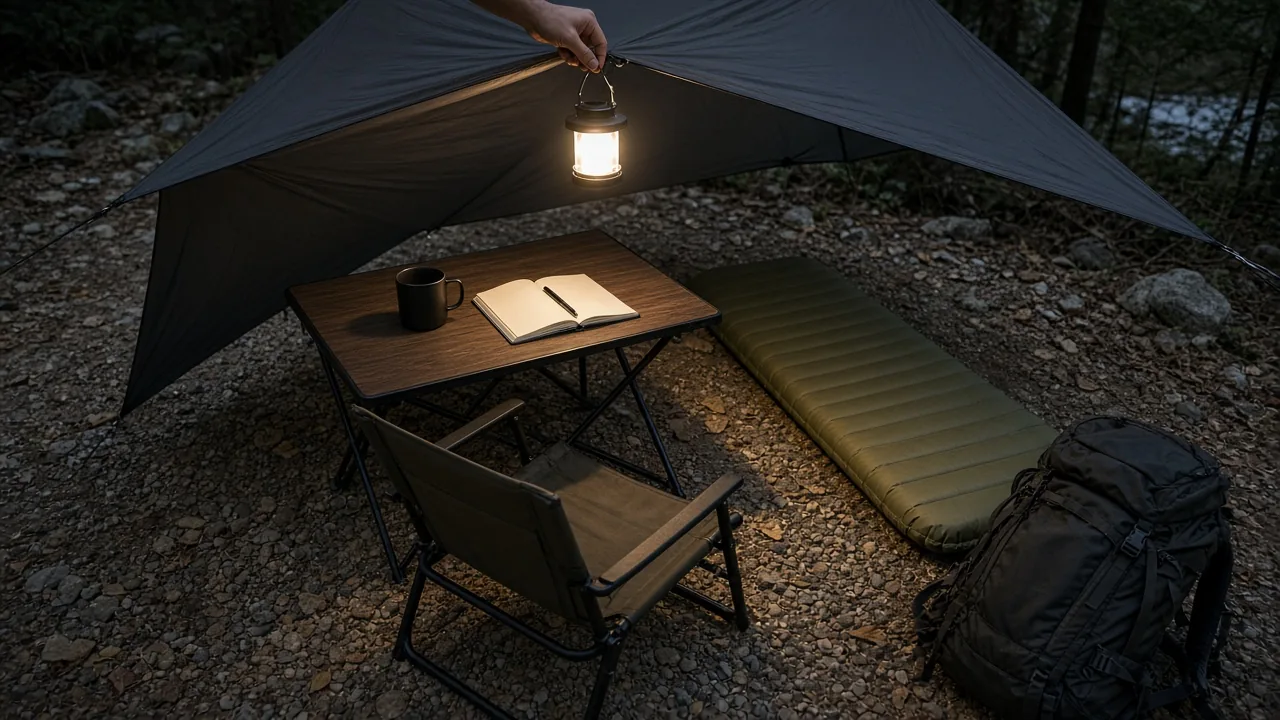
Think about your camp routine. Do you sit around a fire after dark? You might wear a blanket. Do you cook breakfast at first light? A cape clasp helps. Do you mostly go straight from dinner to tent? Then a simple rectangle is all you need.
Some blankets include four corner loops so you can stake them down as a picnic mat or ground cover. That is useful for car camping or beach trips. It is less valuable on a backpacking trip where every piece of hardware should earn its weight.
Taking a DIY Heated Setup on a Backpacking Trip
A water-heated blanket requires a stove, water lines, copper tubing, and a bulky container, which may make sense for fixed ice fishing but not for backpacking weight. One reader who built a water-heated system noted that the carrying load was irregular: the blanket was large, and it required pipes, a stainless steel bucket, and a heat source. The unit also depended on a gas or wood stove to warm the water.
Two build mistakes are common. A pump that is too small will not move water through the tubing efficiently. A container that is too shallow will not produce enough pressure. Both problems mean weak circulation and poor warming.
The bigger issue is that the whole setup is heavy, awkward, and dependent on a separate heat source. That works in a fixed shelter or an ice-fishing house where you can park the system and tend a stove. It does not work on trail, where every item must fit in a pack and run without a network of hoses.
Bringing Heat Sources Inside a Shelter
Never use a stove or heater inside your tent. All fuel-burning heat sources produce carbon monoxide and fire risk, so keep them outside and use passive insulation inside. This applies to propane heaters, charcoal, wood stoves, and any DIY device built around a burner or heating element.
If you are cold at night, add insulation: a warmer sleeping bag, a higher R-value pad, dry base layers, or a hat. If you need active heat, heat water outside and use a hot water bottle inside a sleeping bag. Never bring the stove itself into the tent.
Carbon monoxide is odorless and can build up quickly in a closed space. A tent is not designed to vent combustion gases. The risk is not worth the few degrees of warmth.
Care, Storage, and Packing for Water-Resistant Camping Blankets
Follow the care instructions for the shell and insulation, and avoid storing the blanket compressed for long periods if you want to preserve loft and water resistance. A blanket that lives in its stuff sack between trips will lose loft faster than one stored loose.
Washing and Drying Synthetic or Down Fill
Machine wash on a gentle cycle when needed and air dry or tumble dry according to the label. Avoid fabric softeners, which can reduce DWR performance and breathability. Harsh detergents can strip the water-repellent finish from the shell.
For synthetic fill, most blankets are machine washable and can air dry. That is one advantage synthetic has over down: less fuss when it gets dirty. For down fill, use a down-specific cleaner and dry thoroughly to prevent clumping.
Check the care label before the first wash. Some DWR-coated shells respond well to a low-heat tumble dry or a cool iron, which can reactivate the coating. But do not guess with high heat. Follow what the manufacturer states for that specific shell and fill.
Storing for Loft and Shell Life
Store the blanket loose or lightly rolled in a dry place between trips. Use the compression sack only while hiking or packing the car. Long-term compression crushes insulation, reduces loft, and can damage down clusters permanently.
If you live in a humid area, air the blanket out after a trip before putting it away. Damp storage invites mildew, which is hard to remove and can degrade the shell. A dry closet shelf or a storage bin with the lid slightly open is better than a sealed stuff sack.
Before packing for a trip, check the forecast and the blanket's weight and packed size. If you are car camping, comfort can lead. If you are backpacking, ounces and inches decide. And if rain is likely, the DWR shell matters more than any hood or clasp.
Before packing, check whether the trip is car camping or backpacking, the forecast low, and rain chance. Then decide if a blanket fills a gap in your sleep system or if a sleeping pad or bag liner is the better add. The right blanket earns its place by being light enough to carry and dry enough to trust in the weather you actually expect.
This article is general information about camping gear, not professional safety, medical, or wilderness training. Check fire restrictions, weather, and campsite rules before you go, and follow the manufacturer's instructions for your own equipment.
FAQ
What weight is best for a lightweight camping blanket for backpacking?
Keep it around 1.5 to 2 pounds and rolled smaller than a sleeping bag. Heavier or bulkier options are better left in a car kit.
Is a down or synthetic blanket better for backpacking?
Synthetic fill handles damp conditions more predictably and dries faster, while down may be lighter and pack smaller for the same warmth but needs more care. For a camp blanket that might touch wet ground, synthetic is easier to live with.
Can a camping blanket replace a sleeping bag for backpacking?
A lightweight blanket can work as a summer top layer or extra warmth over a sleeping bag, but it is not a standalone guarantee in cold or wet weather. It should be matched to the forecast low and paired with a sleeping pad.
What features make a camping blanket wearable?
Snaps, cape clasps, and a drawstring footbox allow hands-free wear while cooking, reading, or gathering wood. Only choose these features if you will actually use them.
How should I care for a water-resistant camping blanket?
Machine wash on a gentle cycle, avoid fabric softeners, and air dry or tumble dry according to the label. Store it loose or lightly rolled rather than compressed to preserve loft.