Best Camping Chairs for Big and Tall: Fit, Weight, and Comfort
The best camping chairs for big and tall campers are about more than weight capacity. Learn to compare seat height, back support, frame hardware, and packed size to find a chair that actually fits.
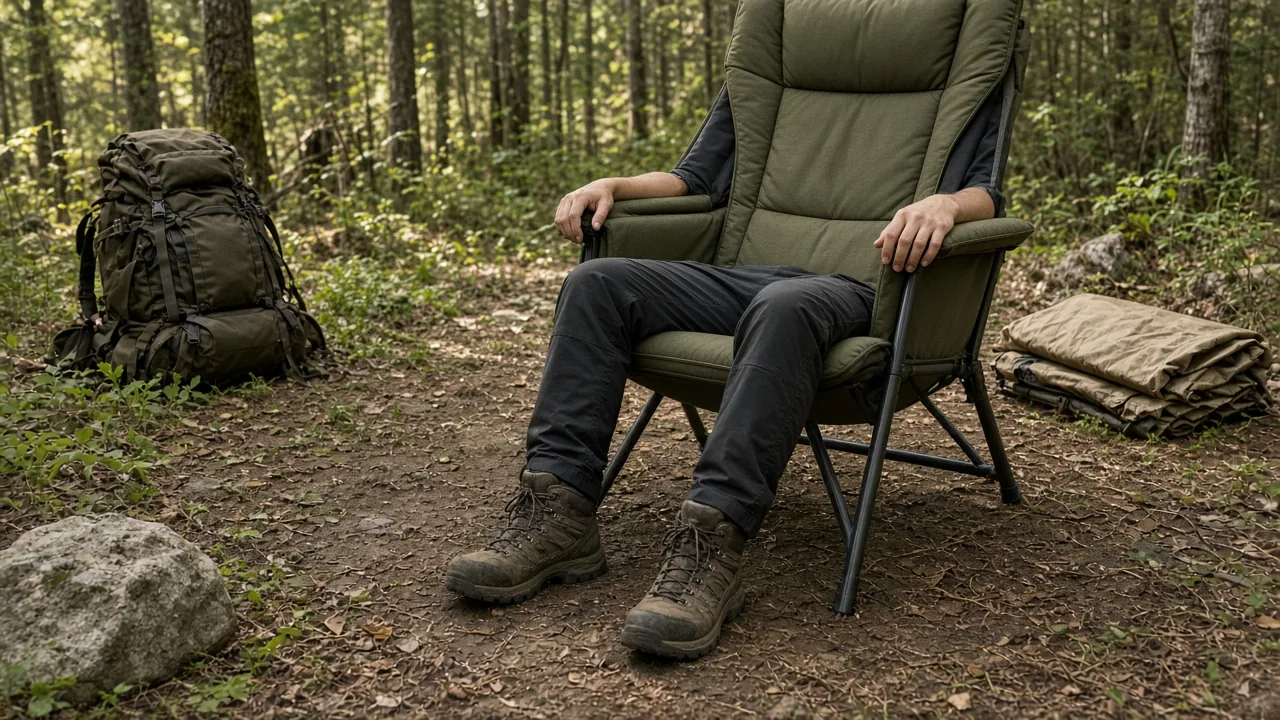
The best camping chairs for big and tall campers are not always the ones with the highest weight capacity. A chair can hold 600 lb and still leave a 6 ft 2 in person's feet dangling or press a crossbar into their thighs. To choose well, compare seat height, seat width, back height, frame hardware, and packed size before you buy.
Know Your Fit: Height, Weight, and the Numbers That Matter
Start by noting your height, weight, inseam, and the kind of trip you usually take. Chair comfort for big and tall users depends on seat height and thigh clearance at least as much as the listed capacity.
What weight capacity actually tells you
Treat capacity as a safety ceiling, not a comfort spec. Some users report sitting safely above a listed limit while still finding the shape uncomfortable.
A 300 lb chair can work for someone heavier, but only if the frame does not flex, the fabric does not pinch, and the front edge does not cut off circulation. The posted number tells you whether the chair should hold you. It does not tell you whether you will enjoy sitting in it for two hours.
Seat height, back height, and seat width checklist
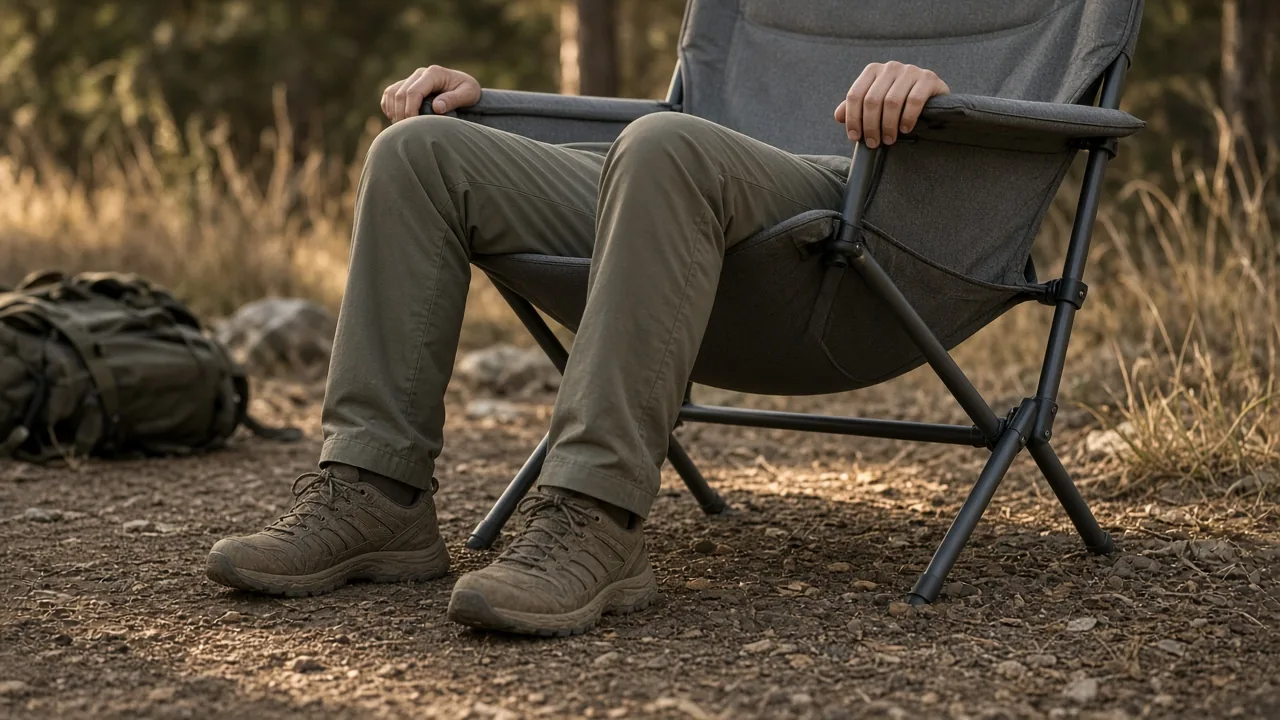
Compare seat height against your inseam before anything else. A chair that sits too tall leaves your feet hanging, which shifts pressure to the back of your thighs. A chair that sits too low makes you fold too sharply at the hips and knees.
Check whether the front edge supports your thighs without pressing into a crossbar. Taller users also need enough back height to support the shoulders, not just the lower back. A wide seat helps, but only if the frame and fabric support the width without sagging.
Hardware and frame failure points to inspect
Prefer riveted joints over screws threaded directly into aluminum tubes. Screws in aluminum tend to loosen over time because the metal flexes and the threads wear. Riveted connections hold better through repeated setup and teardown.
Look closely at plastic connectors, especially where the legs meet the seat frame. These parts can crack or bend before the metal fails. Front supports also need attention. Some heavy-duty chairs develop bent front arms that eventually snap without warning.
How to Compare the Best Camping Chairs for Big and Tall Bodies
Make a short comparison table for capacity, seat height or back height where available, packed size, and whether the chair suits car camping or backpacking. The table below summarizes the main styles and their tradeoffs.
| Chair style | Typical capacity | Fit notes for big and tall users | Best for |
|---|---|---|---|
| Heavy-duty folding chair | 400–600 lb | Often strong, but seat height may be too tall and front bar can dig into thighs | Car camping |
| Large Kermit-style chair | About 264 lb | Better wrap and height for larger bodies, but crossbar may still cut into legs | Car camping, short hikes from the car |
| Small Kermit-style chair | About 264 lb | Suits shorter, lighter users; not a fit for most tall or heavy campers | Light use, smaller adults |
| Moon chair | 240–264 lb | Packs small and light, but hammock-style seat faces upward | Backpacking, stargazing, solo rest |
| High-back sea-dog chair | Up to about 440 lb | High back and shoulder support, but bulkier and heavier | Car camping, base camp |
| Rocking chair | Around 400 lb | Strong back and leg support, but not practical for backpacking | Car camping, family camping |
Heavy-duty folding chairs and big-and-tall models
These often advertise 400 to 600 lb capacity, and some are genuinely strong. But a tall seat can still leave a 6 ft user's feet dangling. A 6 ft 2 in reviewer found that on a 600 lb big-and-tall chair, his feet hung off the ground.
The front support bar can also press hard against the underside of the thighs. That may hold the frame rigid, but it can make a long evening around the fire unpleasant. If you try this style, add a lumbar cushion to shift your hips forward and reduce pressure from the front bar.
Kermit-style chairs in small and large sizes
Size changes the fit. The large version works better for bigger users, but some still report that the crossbar cuts into their legs. The small version suits only shorter and lighter people. Some testers say users over about 5 ft 3 in should skip the small size.
These chairs are sturdy and stable, but they are not the most comfortable. Weight and packed size are moderate. They fit best for car camping or trips where you do not carry gear far.
Moon chairs, hammock chairs, and low-slung options
Moon chairs pack small and typically hold about 240 to 264 lb. A removable moon chair is a practical pick for backpacking because it weighs little and collapses into a small bundle. Some users around 176 lb sit in them for extended periods without damage.
Hammock-style seating faces upward. That works for stargazing or resting alone, but it is awkward when you want to sit around a campfire and talk. Your body naturally leans back rather than forward, so conversation and cooking from the chair feel less natural.
High-back sea-dog chairs and rocking chairs
High-back and rocker models add back, shoulder, and leg support. A high-back sea-dog chair often suits taller users because the taller back panel follows the spine and shoulders. Some users call it the most comfortable style they have tested, especially for sitting long hours.
Rocking chairs with removable rocker feet offer another layer of comfort. The rocking motion helps shift weight and reduce pressure points. These chairs are bulkier and less practical for backpacking or motorcycle travel, but for car camping they earn their space when comfort matters most.
Which Camp Chair Style Works for Your Trip?
Match the chair to your trip type. Comfort and setup convenience matter more for car camping. Weight and pack size matter more for backpacking.
Car camping: prioritize support and long-sitting comfort
For car camping, choose wider seats, taller back support, and rocker or lounge features because weight and packed shape are not the limiting factors. You do not have to carry the chair far, so a heavier steel or aluminum frame is acceptable.
A lounge chair with a removable footrest and headrest can improve leg comfort for taller users. The footrest helps when the seat height leaves your feet slightly off the ground. If you mostly camp from the car, prioritize back angle, thigh support, and durable hardware over packed size.
Backpacking and space-limited trips: understand the tradeoff
Backpacking chairs must pack small and light, so you may give up some capacity and leg support. Removable moon chairs and compact models are the practical middle ground. They typically hold around 240 to 264 lb, which covers many users but not everyone.
Accept the tradeoff. A backpacking chair will not match the back height or frame stiffness of a heavy-duty folding chair. If you plan to carry it several miles, the lighter chair may be worth the reduced long-sitting comfort.
Motorcycle and small-car packing
If storage space is tight, look for chairs that fold flat or slim rather than focusing only on a high capacity number. Some military-style high-back chairs fold fairly flat and slide into a trunk gap. Others, including sea-dog style chairs, can stand vertically or lie horizontally in a loaded cargo area.
For motorcycle travel, a chair needs to pack small enough to strap to a rack or pannier. The original Kermit chair was created partly for motorcycle users who wanted a compact, sturdy camp seat. That style remains a reasonable choice when space is limited and you want a firm, stable frame.
Step-by-Step: How to Test and Set Up a Big and Tall Camp Chair
Once you have two or three candidates, confirm the missing dimensions, inspect hardware, and sit test before trusting comfort claims.
Read the spec sheet and ask for missing measurements
If seat height is not listed, ask the maker or find a video review. A 600 lb chair can still be too tall for a 6 ft user. Seat height is one of the most commonly missing measurements, and it is also one of the most important for tall and heavy users.
Look for seat width, back height, and the distance from the ground to the top of the armrest where possible. Compare those numbers with a chair you already find comfortable.
Inspect the frame, fasteners, and seat cloth before first use
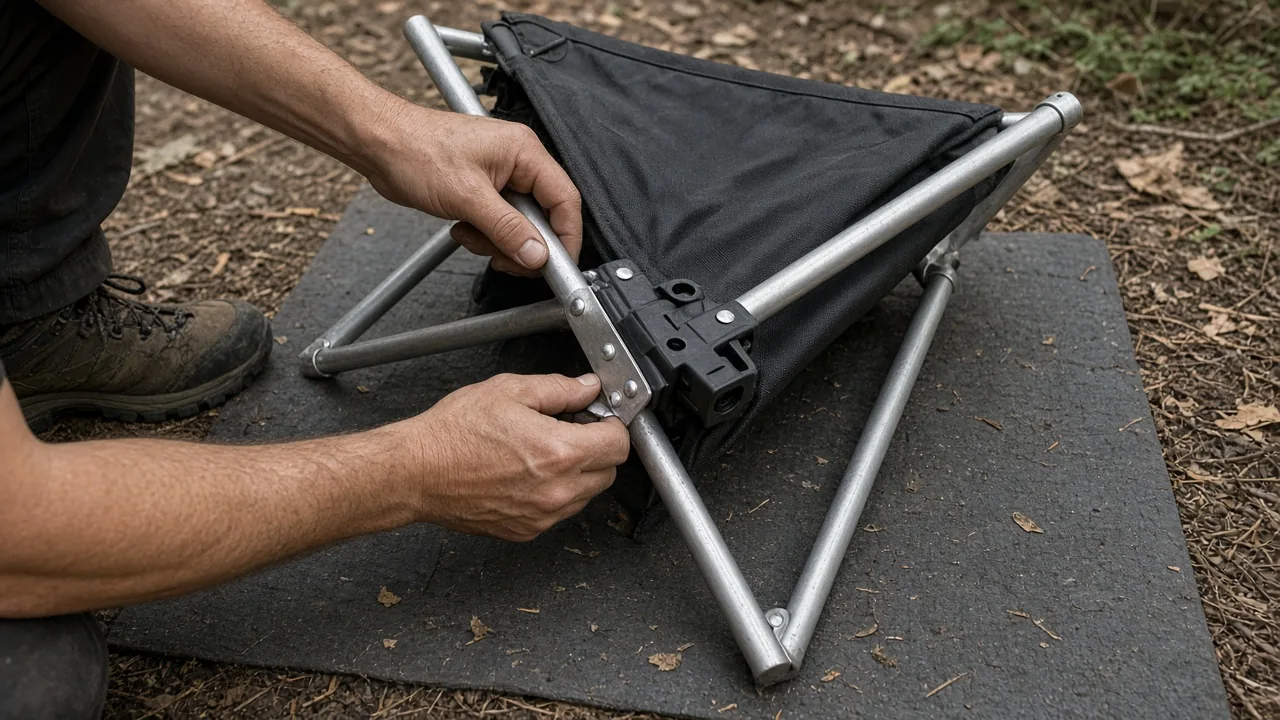
Check rivets, plastic connectors, and crossbars for looseness or sharp edges. Make sure the fabric sits evenly under load and does not pull harder on one side. A chair that starts slightly crooked tends to wear faster.
Open and close the chair a few times before the trip. Listen for creaking at screw joints and look for flex in plastic parts. If a front support already shows a slight bend, do not rely on it.
Do a sit test and adjust with support accessories
Sit with your feet flat and thighs relaxed. If the front bar presses your legs, add a lumbar cushion or switch to a model with different seat geometry. A cushion can push your hips forward enough to reduce the pressure, but it will not fix a chair that fundamentally does not fit.
Stay seated for at least ten minutes. Discomfort that appears after a few minutes may become painful after an hour. Test with the clothing you normally wear camping, including heavier layers if you camp in cool weather.
Common Big and Tall Camp Chair Problems and How to Fix Them
Most complaints come down to fit, hardware, or setup: front bars cutting into thighs, feet hanging off seats, wobbly frames, and fabric that traps heat.
Front bar or crossbar cutting into legs
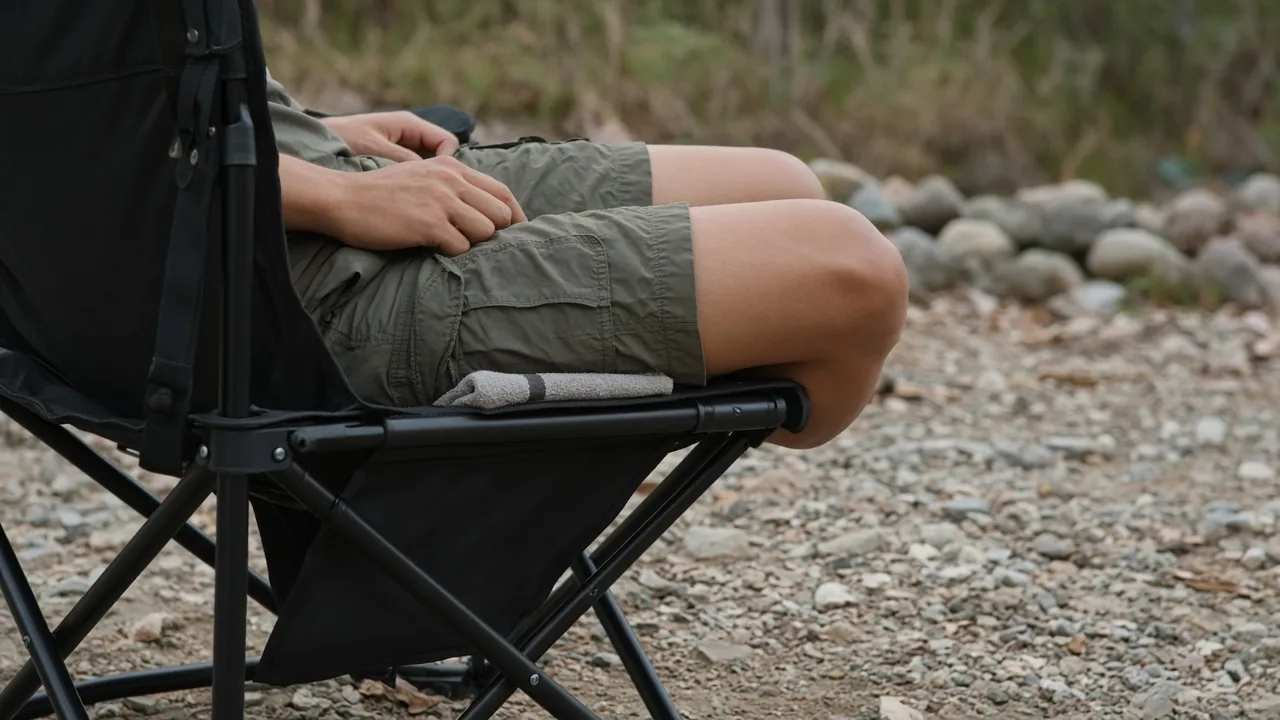
This is common on hard-frame chairs. A lumbar pillow or a lower front edge may reduce pressure, but if it persists the frame geometry probably does not fit you. Large Kermit chairs and some heavy-duty folding chairs share this issue.
Try a small folded towel under the front of the seat fabric to soften the edge. If that does not help, the only real fix is a different chair shape.
Feet not reaching the ground on a tall seat
Even a big-and-tall label does not fix a seat height that is wrong for your inseam. Check that your feet can rest flat before buying. Hanging feet create pressure behind the knees and make sitting less stable.
A footrest can help at a fixed camp, but it adds gear and setup time. For most users, the better solution is a chair with a lower seat height that still supports the thighs.
Wobble, loose hardware, and bent supports
Inspect and tighten hardware before each trip. Favor riveted joints or steel parts over screws into aluminum. Retire chairs with bending front supports because they can fail without warning.
Some users report that budget high-capacity chairs bend at the front supports after a season or two. The chair may still look usable, but the weakened arm can collapse suddenly. If you see a visible bow or crack, stop using it.
How to Pack, Store, and Maintain Big and Tall Camp Chairs
Proper packing and storage prevent the frame damage and hardware loosening that shorten the life of heavy-duty chairs.
Packing for car trunks and small vehicles
Some high-back chairs fold flat enough to slide into trunk gaps. Sea-dog style chairs can often fit vertically or horizontally in a loaded cargo area. Test the packed shape before you pack the whole vehicle, not after.
Keep the chair in its bag when possible. Loose chairs can rub against other gear and pick up scratches or bent tubing.
Checking for wear before and after trips
Look for screws loosening, plastic connectors cracking, and front supports bending, especially on budget chairs with high published capacity. Check the seat fabric at stress points, such as where it wraps around frame tubes.
A quick inspection takes less than a minute. Do it before packing and after unpacking at home. Loose hardware is easier to fix early than after a failure at camp.
When to retire a chair
Stop using a chair with a bent, cracked, or unreliable frame rather than pushing it beyond the support it originally provided. A chair that fails at a campsite can leave someone on the ground or cause a sharp frame part to cut fabric or skin.
If the frame has bent once, it will likely bend again. Replacement hardware may help for loose parts, but structural damage is not worth repairing.
What to Do When Reviews Disagree
When reviewers split, weigh initial comfort against long-term durability and portability instead of treating any single recommendation as the only answer.
Comfort claims vs. durability reports
Look for repeat reports of front supports bending or fasteners loosening even when a chair earns high marks for first-sit comfort. A chair can feel great in a store or a short video test and still develop problems over a season.
Durability reports matter more for heavy users because more force cycles through the frame and fabric. One reader may say a chair is comfortable, while another reports the same model failed after a few months.
Using stricter fit standards for heavier or taller users
One reviewer checklist calls for roughly a 16 in seat height, wider seat panels, steel or aluminum hardware, and tougher fabric. That standard helps when shopping above entry level, especially if you weigh over 250 lb or stand over 6 ft.
Not every chair needs to meet that bar, but the checklist is useful for filtering out chairs that only look supportive. Pay attention to back height and seat depth as much as capacity.
When to choose a different category instead
If a big-and-tall chair still leaves your feet dangling or hurts your thighs, consider a chair with different seat geometry rather than chasing a higher capacity label. A lower chair with a more open front edge may fit better even if the capacity number is smaller.
Moon chairs, hammock chairs, and some low-slung styles change the sitting angle entirely. That may work better for your body, especially if you prefer a reclined posture to an upright one.
Making the Final Call: A Checklist for Your Next Trip
Before packing, confirm the chair's capacity, seat height, packed size, and trip fit. Start with your height and inseam, then check that the front edge does not press into your thighs. Inspect the frame for rivets, plastic connectors, and any sign of bending.
For car camping, choose comfort and support. For backpacking or motorcycle trips, accept the weight and pack size tradeoff. Never use a stove or heater inside your tent, and keep any chair away from the cook area when the stove is running.
Before you head out, check whether you are car camping or backpacking, how cold and wet the forecast looks, and whether that chair's weight and packed size earn its space. Pair it with a camp table or stool only if you need one, and check local fire restrictions before you rely on a campfire seat.
This article is general information about camping gear, not professional safety, medical, or wilderness training. Check fire restrictions, weather, and campsite rules before you go, and follow the manufacturer's instructions for your own equipment.
FAQ
What weight capacity should a big and tall camping chair have?
Weight capacity is a safety ceiling, not a comfort spec. A 300 lb chair can hold someone heavier if the frame doesn't flex and the fabric doesn't pinch, but fit depends on seat height and thigh clearance too.
Why do my feet hang off the ground in some big and tall chairs?
Seat height may be too tall for your inseam. Even chairs with a 600 lb capacity can leave a 6 ft person's feet dangling, so compare seat height against your inseam before buying.
Are moon chairs good for big and tall backpackers?
Moon chairs pack small and typically hold about 240 to 264 lb, making them practical for backpacking. However, hammock-style seating faces upward and may be awkward for cooking or conversation around a campfire.
How do I prevent the front bar from cutting into my thighs?
Add a lumbar cushion to shift your hips forward and reduce pressure from the front bar. If the issue persists, the frame geometry likely doesn't fit you and a different chair shape may be needed.
When should I retire a big and tall camping chair?
Stop using a chair with a bent, cracked, or unreliable frame. A front support that has bent once can fail without warning, so structural damage is not worth repairing.