Are Packable Backpacks Good for Day Hiking? A Practical Guide
A packable backpack works for short, smooth day hikes with loads under about 11 lb, but for longer or rougher trails, a structured 20–30L day pack is more comfortable and practical.
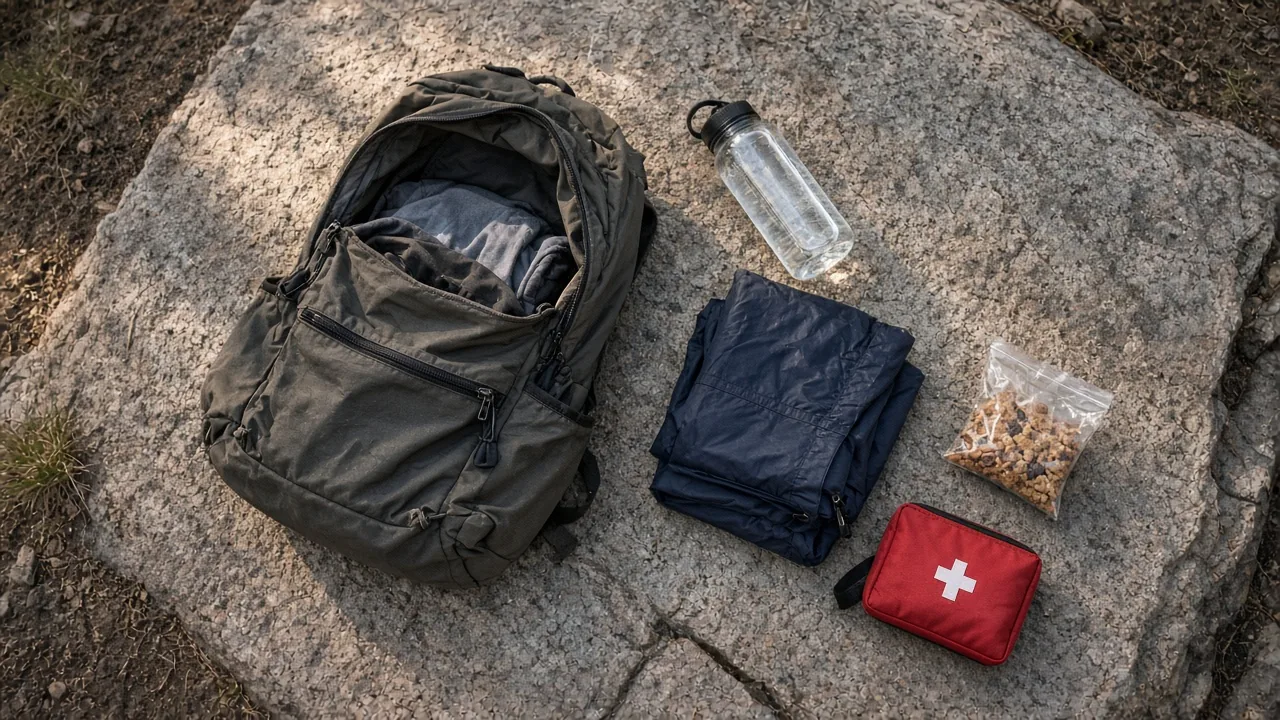
A packable backpack can work for day hiking, but only in a narrow set of conditions. If you are carrying more than about 11 lb, want quick water access, or expect rough trail, you are better off with a structured 20–30L pack. The real question is not whether packable backpacks are good for day hiking, but which kind of day hike you have planned. For a smooth, short, fair-weather walk with a light load, some packable bags are acceptable. For anything longer, rockier, or heavier, they quickly become uncomfortable.
Are Packable Backpacks Good for Day Hiking? Start With This Filter
Before you buy or pack anything, run your trip through three questions. Will you carry more than about 11 lb total? Do you need to reach a water bottle without stopping? Will the trail be rough, rooty, brushy, or exposed? If any answer is yes, skip the ultralight packable bags and choose a structured 20–30L day pack with a real shoulder harness and back panel.
That filter saves you from the most common mistake: treating a travel-friendly stuff sack as if it were hiking equipment. Ultralight packable bags exist to disappear inside luggage or ride along as a backup. They are not built to carry trail weight hour after hour. The more structure a packable bag has, the closer it gets to usable day-hiking gear, but it still rarely replaces a dedicated hiking pack.
1. Ultralight Self-Stuffing Packs: Reserve Them for Short Easy Paths
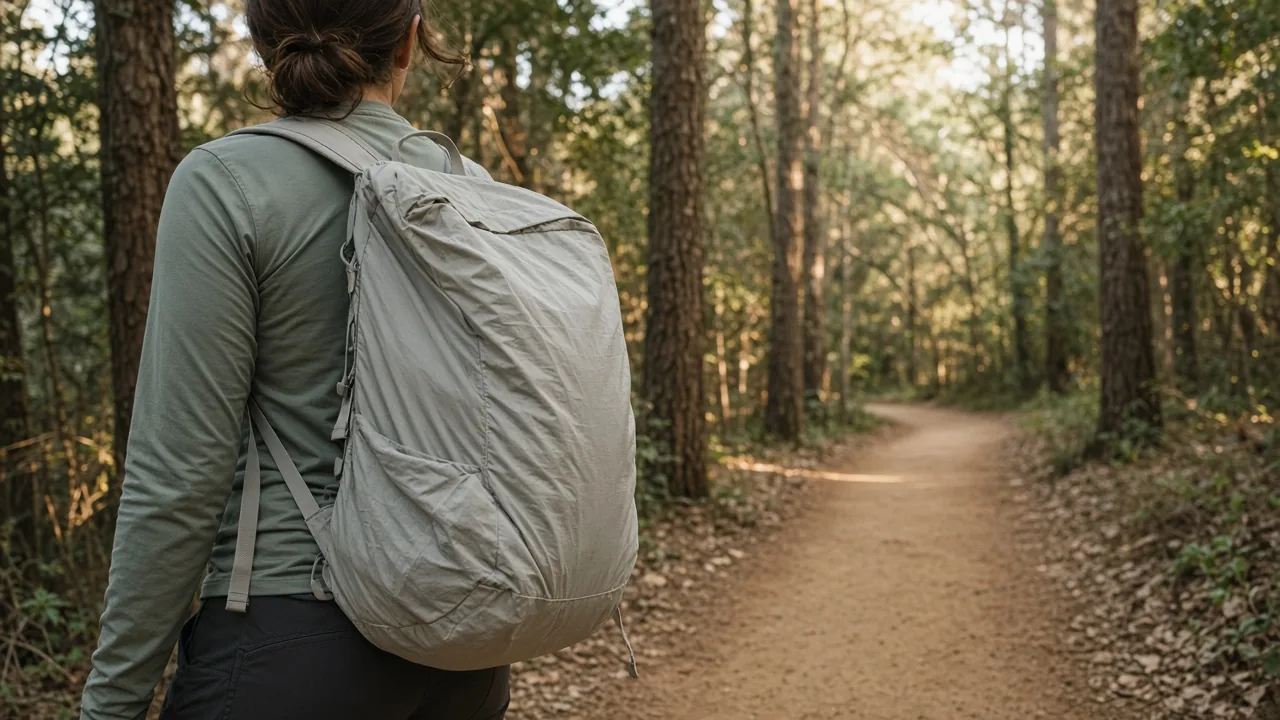
Models like the Sea to Summit Ultra-Sil, Sea to Summit Nano 18L, Osprey packable backpack, and Goex packable daypack weigh between 2.5 and 6.5 oz. That is impressively light, but the weight savings come from removing nearly everything that makes a pack comfortable. Shoulder straps are unpadded fabric. There is no frame, no back panel, and little or no internal organization. Comfort and access score close to zero for trail use.
The Sea to Summit Ultra-Sil weighs only 2.5 oz and uses 30D siliconized Cordura fabric. It stuffs into its own small pouch and has a daisy chain for clipping on small items. But the straps are thin and unpadded, and the bag has no structure. The Osprey packable pack is similar in spirit. The Goex 20L weighs 6.5 oz and has three zippered compartments, which sounds useful, but the fabric is among the least durable in the packable category.
Where They Can Work
Use an ultralight packable bag only when your load is about 5 lb or lighter and the path is smooth. Think of a short walk from camp to a viewpoint, a quick errand in town, or a summit bag that carries only water, a snack, and a shell. In those cases the thin straps and lack of frame are tolerable because the bag is barely working.
A reader report on the Sea to Summit Nano 18L supports this limit. The bag is listed at 18L but feels closer to 15L in real use. The maker claims it can handle a much heavier load, but in practice it feels comfortable only up to about 5 lb. Beyond that the straps dig and the pack sways.
Where They Fall Short
Rocky or brushy terrain is a problem. Ultra-thin fabric can tear against sharp stone or snag in dense vegetation. One user of the Nano 18L fell on a rocky beach and the bag got a small cut, though the damage did not spread and the bag remained usable. That is a decent outcome, but it shows the risk.
Also check stated capacity against real volume. Some packable bags run small. The Nano 18L, for example, holds noticeably less than the number suggests. If you need room for an extra layer, a first-aid kit, food, and two water bottles, a nominally 18L ultralight pack may feel cramped before you leave the trailhead.
What to Check
Confirm the bag has at least one external water-bottle pocket. Many ultralight packable packs have only a main compartment. That means every time you want a drink, you stop, take the pack off, and open the zipper. On a short easy walk that is a nuisance. On a longer day it becomes a reason to stay dehydrated, which is the wrong trade.
If the bag has no side pocket, plan for it. Carry water in a reservoir that fits inside, or accept that you will stop to drink. The better answer is to rule out any packable bag without a water pocket for day hiking.
2. Packable Bags With Light Structure: The Better Travel-Day Hike Crossover
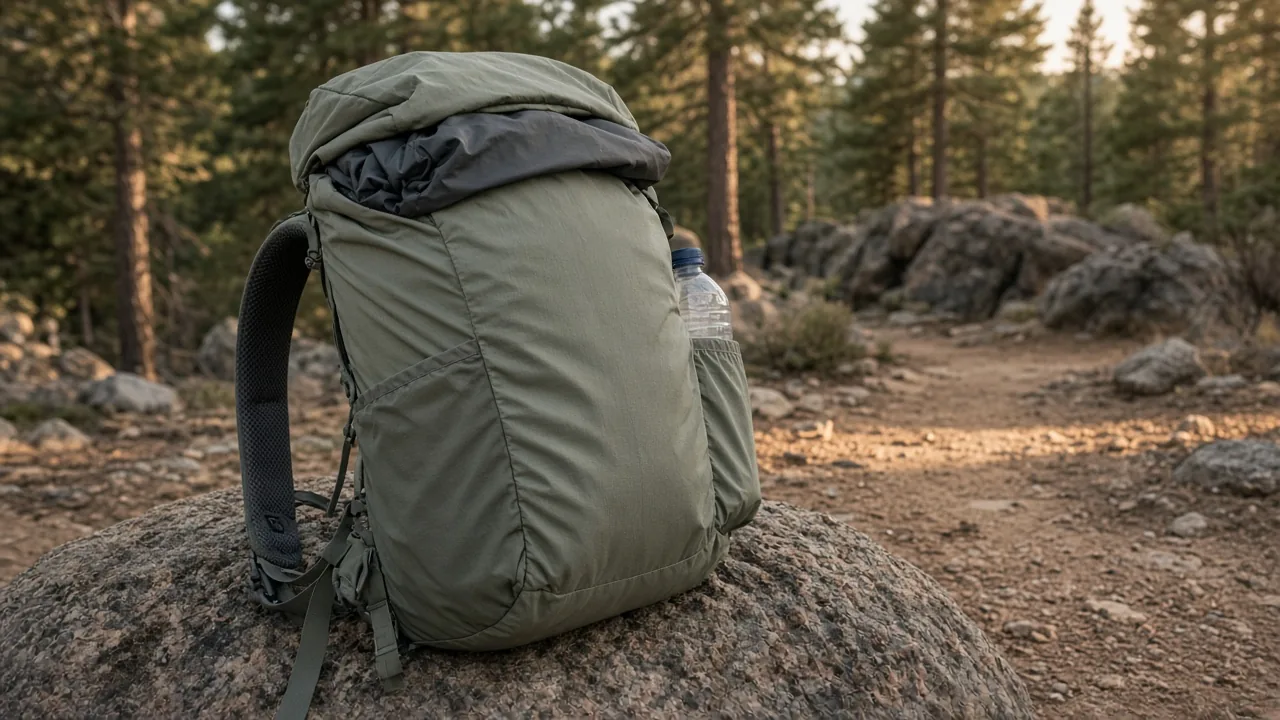
Not all packable bags are flimsy. The Eddie Bauer Stowaway, 5.11 Tactical packable pack, Tortuga packable daypack, and Matador Refraction or FreeFly add real shoulder straps, a light back panel, side pockets, and tougher fabric. They feel less like a stuff sack and more like a compact day pack.
The Eddie Bauer Stowaway weighs 11 oz, uses 200D ripstop polyester, and has actual shoulder straps, a basic back panel, internal dividers, water-bottle pockets, an external zip pocket, and attachment points. The Matador FreeFly uses Robic nylon with UHMWPE reinforcement, sealed seams, and water-resistant zippers, making it the most durable and comfortable pack in that packable test group. It does require a separate mesh sack for storage, which is a small tradeoff for the added weather protection.
What Improves
The difference is felt immediately. Filled shoulder straps spread weight better than flat webbing. A basic back panel keeps pointy objects from pressing into your spine. Side bottle pockets let you grab water without unpacking. Those three features turn a throwaway travel bag into something usable for a short day hike.
A 12–20L pack with light structure can handle water, a rain shell, snacks, and a phone without collapsing into a saggy tube. The load stays closer to your body, and the straps do not turn into strings.
Best Use
Choose this category for 2–6 hour walks in mild weather. That means a maintained trail, a forecast without heavy rain or high wind, and a total load well below 15 lb. You are not hauling camp gear. You are carrying the essentials for a few hours on your feet.
This is also the sweet spot for travelers who want one pack that does double duty. It rides in luggage during transit, then handles a day of sightseeing or a rail-trail walk. For that kind of crossover, a light-structure packable bag earns its space.
Cautions
These bags still fold or roll rather than compress. They lack a real frame and a padded hip belt. When the trail gets steep, rocky, or long, the pack cannot transfer weight to your hips the way a structured hiking pack does. The shoulder straps do all the work, and the pack can sway as you move.
Treat this category as a travel-first, trail-second option. It is acceptable for casual day hiking, but it is not a replacement for a dedicated 20–30L pack when the objective is comfort over hours.
3. Packable Summit and Backup Packs: Not a Primary Day Pack
Some packable bags are designed to ride inside a larger pack or suitcase until you need them for a side trip. The Mystery Ranch In and Out fits this role. It comes in 18–22L sizes, weighs around 300–410 g depending on version, and packs down to roughly 22×16×5 cm. The 19L and 22L versions can hold a 2L water bladder, and the 22L adds a weather-resistant lid.
This is a specific tool with a specific job. You carry it on a long trip so you can leave your main pack at camp and walk out light.
When It Makes Sense
Take a packable summit bag when you plan a side trip from a base camp. For example, you hike in with your main pack, set up camp, then want to climb a nearby peak or walk to a lake. You do not want to carry your full 50L pack for a two-hour excursion. A small packable bag holds water, food, and a layer without adding much weight to your main load.
The same logic applies to travel. You land, stash your luggage, and want a small bag for a day trip. A summit pack works, provided the day trip is not a demanding hike.
What Helps
Pick an 18–22L size with an adjustable sternum strap, water reservoir compatibility, and a daisy chain or lash points. The sternum strap keeps the shoulder straps from slipping outward when the load shifts. Reservoir compatibility means you can carry water inside the pack instead of relying on side pockets that a small packable bag may not have. Lash points let you clip a wet shell or small item to the outside.
The Mystery Ranch In and Out includes many of these features at a weight close to a half-liter water bottle. For what it is, the design is well sorted.
What to Avoid
Do not rely on this style for all-day hikes or heavy water carries. Without a frame, the load sways. Without a padded hip belt, your shoulders carry everything. When a hike runs long, the pack becomes a distraction and the discomfort grows.
If you know in advance that you will be hiking most of the day, choose a structured pack from the next section instead. A summit pack should stay in its backup role.
4. Structured Lightweight Day Packs: What Most Day Hikers Should Choose
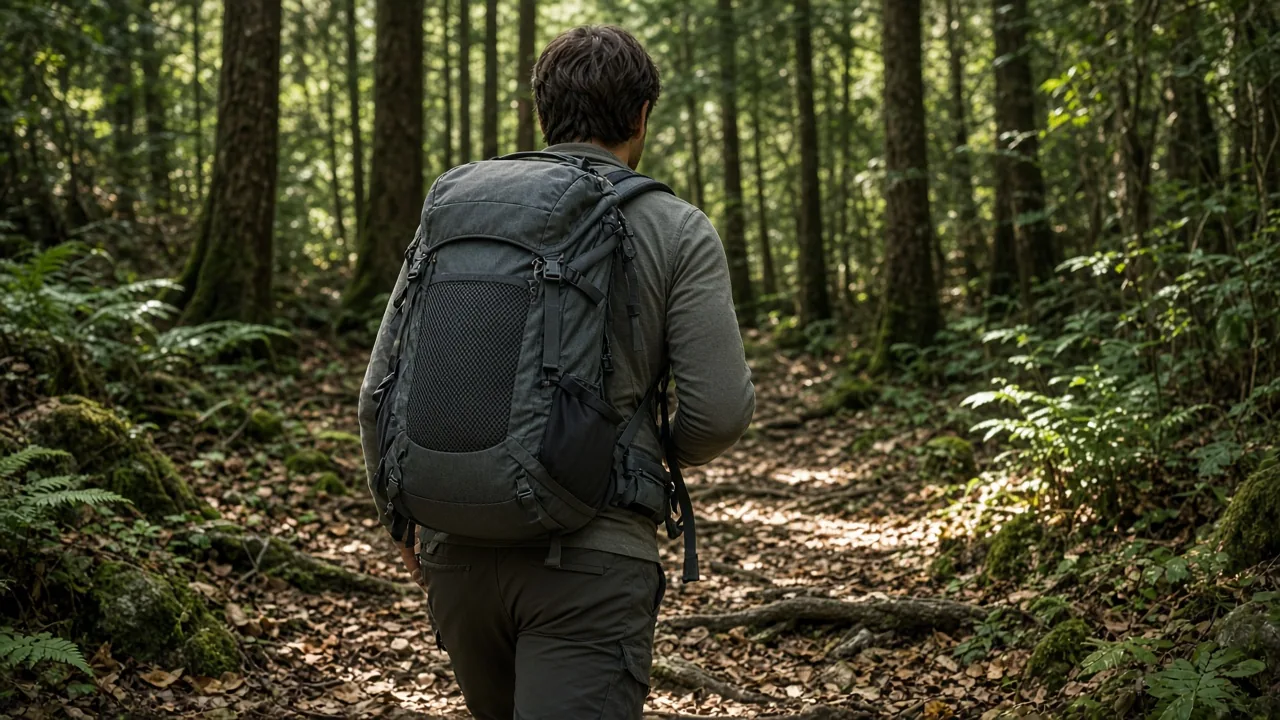
For regular day hiking, a 20–30L pack with a ventilated back panel and real shoulder harness is the better tool. Brands like Osprey, Deuter, and Gregory dominate this category for good reason. Their packs are built to carry 10–20 lb comfortably over miles of trail, through weather, and across uneven ground.
The Osprey Talon 22, Osprey Hikelite 18, Deuter Speed Lite 21, and Gregory Nano 20 all appear in multiple roundups as dependable lightweight day packs. Each includes some form of structured back panel and ventilated harness designed to hold the pack close without trapping heat.
Why the Harness Matters
AirScape, AirSpeed, Lite, and suspended mesh systems all solve the same problem differently. A pack that sits against your back with no airflow gets hot. A pack that hangs too far away pulls on your shoulders. The best day packs use a close, curved back panel with open channels or mesh to move air while keeping the load stable.
That stability is what packable bags lack. Over flat ground, a small amount of sway is easy to ignore. Over roots, rocks, and descents, that sway becomes body English. A structured harness steadies the pack and reduces the little corrections that add up to fatigue.
Capacity and Fit
For non-camping day hikes, 20–30L is the right range. It holds water, food, a first-aid kit, a rain layer, an insulating layer, and a few extras without encouraging overpacking. If you are carrying overnight gear, you need a larger pack, but that is a different trip.
The Gregory Nano line is a useful reference. It comes in 14L to 30L sizes, but the 14–18L versions are too small for serious trail use. Women may start at 20L and men at 24L for a comfortable single-day kit. Fit matters as much as volume, so try the pack on with weight inside and check that the shoulder straps wrap cleanly without gaps.
Added Protection
Most structured pack fabrics resist light spray, but few are waterproof in sustained rain. Pair a structured pack with a rain cover, dry bag, or waterproof jacket liner for multi-hour exposure. Thin packable bags soak through faster, but even a good hiking pack benefits from a dry sack for critical items.
Keep all gear preparation outside the tent. Never use a stove or heater inside your tent, including to dry a pack or sort gear. Carbon monoxide and fire risk apply even in open conditions, and a tent concentrates both.
5. Flat-Packing Structured Packs: The Middle Ground for Travel and Light Trail
Between packable bags and full trail packs sits a compromise: structured packs that lay flat but do not self-store. The Osprey Daylite, Aer Go Pack, and Klattermusen Gjalp fit this description. They keep a padded back panel and usable pockets while folding thin enough to slide into luggage.
The Osprey Daylite Plus 20L uses the AirScape back system and weighs about 0.59 kg. It does not stuff into its own pocket, but it lies flat against a suitcase wall. The Klattermusen Gjalp 18L weighs about 314 g and uses 70D Retina fabric, which is thin enough for temporary folding while still providing a useable harness. The Aer Go Pack is heavier than a truly packable bag, but the extra weight buys comfort and structure.
Who Should Choose This
This is the pick for someone who needs one bag for flights, town days, and smooth rail-trail style hikes. You are not doing technical off-trail travel. You want a pack that rides in luggage without taking over, then performs well enough for a few hours on a groomed path.
Travelers who value organization and comfort more than ultimate packability will like this category. The flat-packing design saves space without sacrificing every comfort feature.
What to Inspect
Check the shoulder strap padding, side bottle pockets, and actual packed thickness. Some fabrics allow temporary folding but do not truly compress. That means the pack lays flat in a suitcase but still takes up more room than a self-stuffing bag.
Also test the back panel. A flat-packing pack may have a thinner panel than a dedicated trail pack, which affects how it handles pointed objects and heavy loads. Keep loads moderate and pack soft items against your back.
Limits
These packs weigh more than ultralight packable bags and still lack a full frame. Treat them as a crossover, not a long-mileage backpacking solution. For a half-day walk on a maintained path, they are comfortable enough. For a full day of climbing and descending with 15 lb, a structured trail pack is the better choice.
6. How to Decide: Load, Weather, Water, and Trail Type
Instead of asking whether all packable backpacks are good for day hiking, use a simple checklist. A packable bag is only good when load stays low, weather is mild, water is accessible, and terrain is gentle. Change any one variable and the answer shifts toward a structured pack.
Load and Duration
If your total load stays under about 11 lb and the walk is under a half day, a light-structure packable bag is acceptable. That assumes you are carrying only what you need: water, snacks, a shell, a small first-aid kit, and maybe a camera. If your load creeps toward 15 lb or you plan to be out more than a half day, move to a structured 20–30L pack.
Weather and Rain
Check the forecast before you choose. Packable bags made from 30D or 70D fabric will wet through in sustained rain. A structured hiking pack with a rain cover handles moderate weather better, but even that is not guaranteed to stay dry in a downpour. For heavier rain, line any pack with a waterproof jacket or dry sack to protect the load. Never assume a pack alone will keep everything dry.
A Matador FreeFly user reported reliable water resistance in the Southeast Asian rainy season, and a Matador Refraction user stayed dry through a 30-minute downpour, but those reports describe shorter exposure. The more rain is forecast, the more you should assume thin fabric will eventually soak through.
Water and Fit
External bottle pockets matter. Reaching water without stopping is not a luxury on a day hike; it is how you stay hydrated without losing rhythm. If a packable bag has no bottle pocket, you will either stop constantly or drink less than you should. Neither is a good plan.
Test shoulder width and sternum strap placement with a loaded bottle. Thin straps can dig into your shoulders after an hour, especially if the bottle makes one side heavier. A sternum strap helps keep the shoulder straps in place, but it cannot fix a fundamentally uncomfortable fit.
Packing, Storage, and Comparison Table
When traveling, lay a packable bag flat instead of forcing it into its own pouch. A flat pack takes up less usable room in a suitcase than a compressed ball. If the bag has an external pouch designed for stuffing, you can use it, but many packers find that method makes the whole package rounder and harder to pack around.
Another option is clipping the packable bag outside a larger pack. It is, after all, a backpack. This frees interior space and keeps the small bag handy for side trips.
Here is a side-by-side comparison for common use cases:
| Category | Typical Weight | Best For | Trail Limit | Water Access |
|---|---|---|---|---|
| Ultralight self-stuffing (Sea to Summit, Goex, Osprey packable) | 2.5–6.5 oz | Travel backup, summit bag, short smooth walk | Under about 5 lb; smooth surfaces only | Often none; check before buying |
| Light-structure packable (Eddie Bauer Stowaway, Matador, 5.11, Tortuga) | 8–13 oz | Travel-day hike crossover, 2–6 hour easy hikes | Under about 11–15 lb; mild weather | Usually side pockets |
| Packable summit/backup (Mystery Ranch In and Out) | 300–410 g | Side trips from base camp, summit pushes | Short moderate hikes below 10 lb | Reservoir compatible; often no side pocket |
| Structured lightweight day pack (Osprey, Deuter, Gregory) | 390–970 g | Regular day hiking, all-day comfort | 10–20 lb; rough trail OK with proper fit | Yes |
| Flat-packing structured (Osprey Daylite, Aer Go Pack, Klattermusen Gjalp) | 314–760 g | Travel with light trail, rail trails, town days | Moderate loads below 15 lb; smooth trail preferred | Usually yes |
For car camping, weight and packed size matter less. A structured pack or a light-structure packable bag works fine because you are probably walking a few miles, not climbing all day. For backpacking, every ounce matters, so a packable summit bag as a secondary pack makes sense when it saves carrying your main pack on a side trip.
On trail, pack soft clothing against your back. A reader tip for packable bags: lay a fleece or hoodie flat along the back panel to create extra padding. When you put the layer on, that cushion moves to your body. It is not a substitute for a real harness, but it improves comfort for a short walk. If rain threatens, place a waterproof shell along one side of the pack for extra protection.
Before you decide, match the pack to this trip's access, overnight low, and rain chance. Use the same test for your rain shell and layer. A packable bag can handle a mild day hike when the load is light and the trail is kind. But trail mileage calls for a structured 20–30L pack over a packable crossover. Decide what this trip actually demands, then carry the pack that fits the day.
This article is general information about camping gear, not professional safety, medical, or wilderness training. Check fire restrictions, weather, and campsite rules before you go, and follow the manufacturer's instructions for your own equipment.
FAQ
Are packable backpacks good for day hiking?
They can work for short, smooth, fair-weather hikes with loads under about 11 lb. For longer, rocky, or heavier trips, a structured 20–30L day pack is much more comfortable.
What is the maximum weight for a packable backpack on a day hike?
Ultralight packable bags feel comfortable only up to about 5 lb. Light-structure packable bags can handle under about 11–15 lb in mild weather and on smoother trails.
Do packable backpacks have water bottle pockets?
Many ultralight packable packs have only a main compartment, so you need to check before buying. Light-structure and flat-packing models usually include external side pockets for easier water access.
When should I choose a structured daypack instead of a packable backpack?
Choose a structured 20–30L pack for regular day hiking, all-day comfort, loads of 10–20 lb, rough trails, or when you need quick water access and better back ventilation.
Can packable backpacks be used as a summit pack?
Yes, models like the Mystery Ranch In and Out work well for short side trips from base camp or a lodge. They are not a replacement for a primary structured day pack on demanding hikes.



