Are Budget Backpacking Quilts Warm Enough for 3-Season Trips?
Budget backpacking quilts can handle most 3-season nights, but only when comfort ratings, pad R-value, fit, loft, and moisture control are checked first.
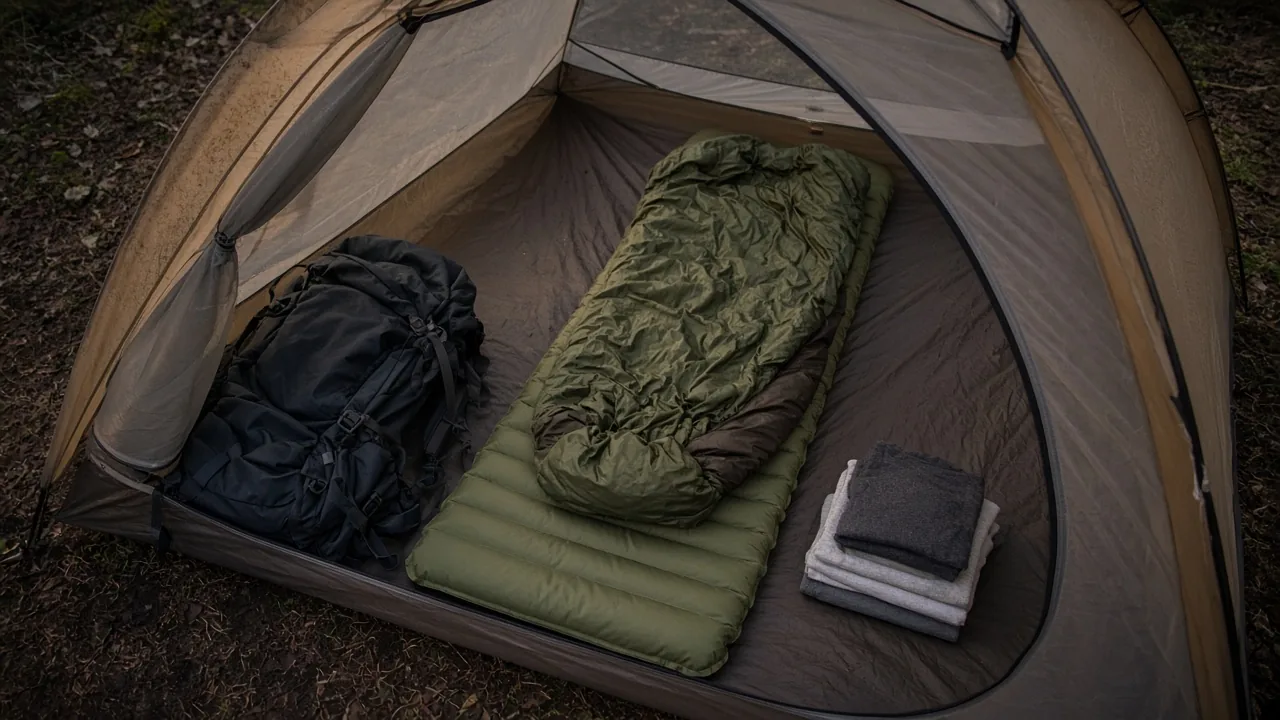
Use this checklist to judge whether a budget backpacking quilt’s comfort rating is reliable for three-season trips: verify comfort vs. survival ratings, pad R-value, fit, loft, and moisture control before trusting the number. So, are budget backpacking quilts warm enough? The short answer is yes for most three-season nights when you match your sleep system to the rating’s test conditions, but not if you treat a survival number or a thin pad as enough.
Start with the comfort rating, not the survival number
Ignore the lowest survival number on the product page. Compare the comfort rating under real-world conditions instead, because that is the only figure close to a usable three-season benchmark. A quilt that says “20°F survival” can sound like a cold-weather piece, but survival means you stay alive, not that you sleep well.
What EN/ISO ratings actually assume
EN/ISO lab tests are set up around a fed person, light base layers, a foam pad, and no wind. The body is calm and not dehydrated or exhausted. The test chamber is dry. Under those conditions, the temperature at the label may be accurate.
Most campsites are not lab chambers. A bare-bones tent, a thin sleeping pad, damp air, wind, or an empty stomach all make the quilt feel colder than its label. If you bought your quilt because a spec sheet said 30°F, but you sleep cold on a 38°F night with a 1-inch air pad, the quilt may not be the problem. The test assumptions were.
Why one quilt can show two different ratings
Some budget quilt listings show conflicting temperature charts on the same page. One image may say 38°F comfort / 28°F survival. Another image on the same product may say 30°F comfort / 20°F survival. That is not a minor typo; it changes what you should pack.
When a listing shows two different numbers, trust the more conservative comfort figure. If you pack for the lower survival number, you are carrying a quilt into conditions it was never rated to make comfortable. A 30°F comfort rating and a 20°F survival rating do not mean the same thing, and the lower number should not be your planning target.
Are budget backpacking quilts warm enough for three-season trips?
A budget quilt rated at 30°F comfort can cover typical three-season nights. Real-world reports, however, show the rating is not a guarantee below freezing. Some users have slept through 30°F nights without complaint. Others have woken at 16°F feeling cold enough to end the trip early. That gap is not always a defect; it usually reflects pad choice, clothing, wind, or body differences.
Plan for your lowest expected nighttime temperature, not the marketing number. If the forecast calls for 28°F and rain, a 30°F comfort-rated quilt may still work. But it needs a strong sleep system around it.
When a 30°F comfort rating holds up
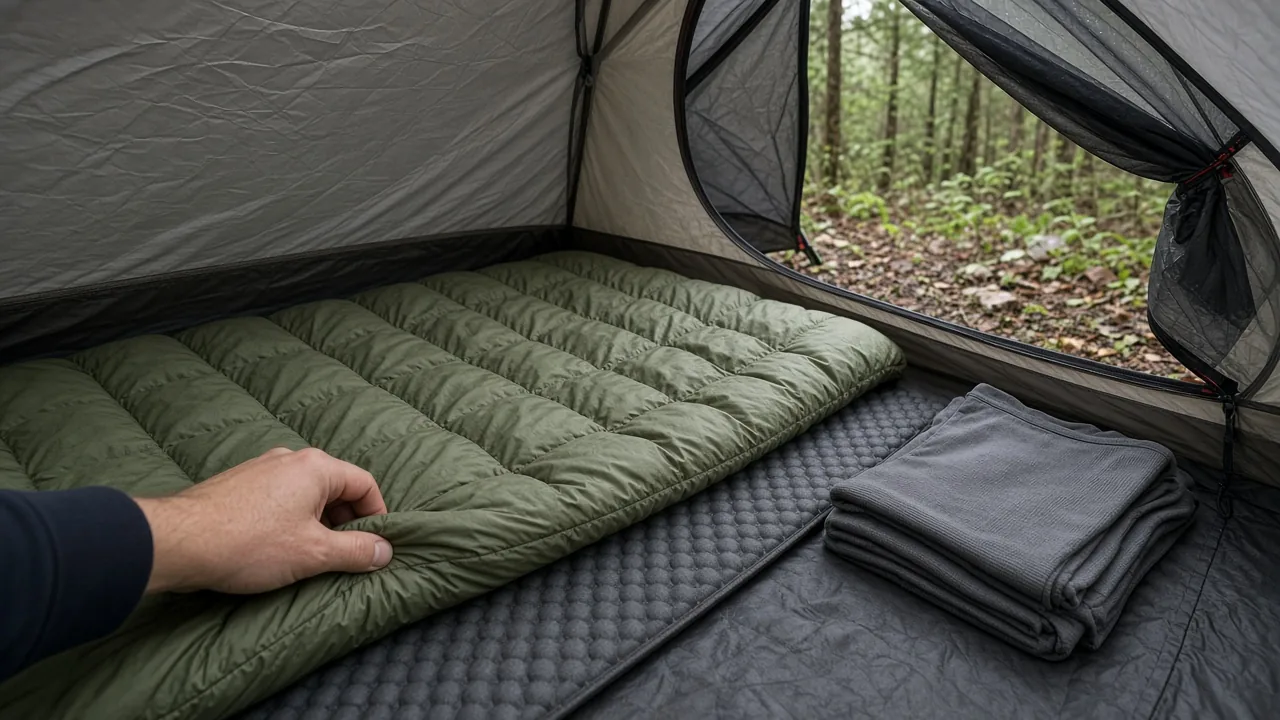
One reviewer found that a budget quilt with a 30°F comfort rating performed about like a 30°F sleeping bag. The quilt was 850 fill power goose down, roughly 33 ounces, and paired with an adequate sleeping pad and base layers. Under those conditions, the rating held up.
The key is that the pad and clothing layers matched the test assumptions. The quilt was not being asked to compensate for a cold ground. If you use a sleeping pad with enough R-value and wear a dry base layer, a 30°F quilt can feel like a 30°F sleeping bag.
When to subtract 10 degrees for safety
For damp, windy, or mountain weather, treat a 30°F quilt as a 35–40°F piece. Cold air moving over the quilt, moisture in the tent, and tired legs all pull heat away faster than a rating test assumes. In those conditions, a quilt that felt fine at 32°F may leave you shivering at 34°F.
Before taking that same quilt lower, add a warmer pad, a heavier base layer, or a liner. That does not change the quilt itself, but it shifts the total sleep system closer to the test conditions that produced the rating. If you expect nights near freezing, subtract 10 degrees and pack accordingly.
Check the pad and total sleep system before blaming the quilt
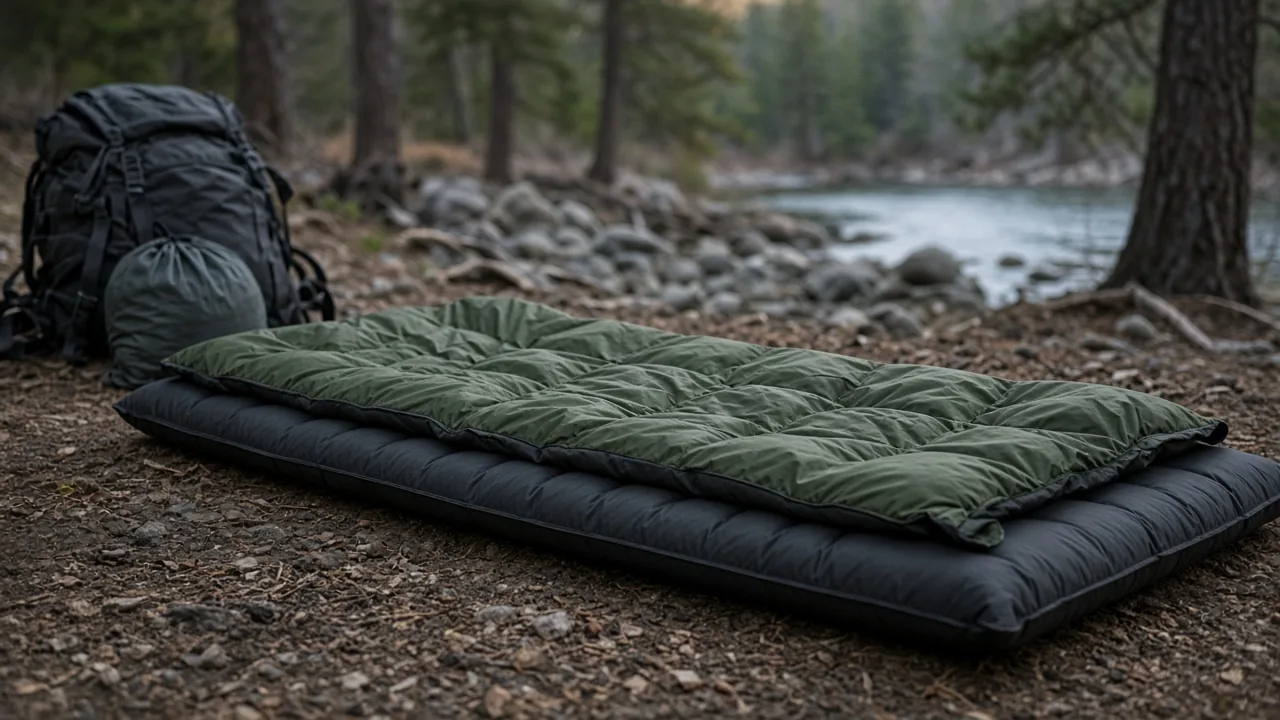
A backpacking quilt only reaches its label when the ground insulation is adequate. The quilt wraps the top and sides of your body; it does almost nothing for the side pressing against the sleeping pad. If the ground pulls heat out of your back, no amount of loft above you will keep you warm.
Match the pad R-value to the coldest part of your three-season trip before judging the quilt. A common mistake is to buy a warm quilt, then pair it with a summer pad and wonder why the first cold night was miserable.
What R-value to use for three-season nights
EN/ISO comfort tests assume a foam pad with an R-value around 2. That is a fair baseline for mild nights, but it is not enough for frost. For nights near freezing or below, use a pad with R-3 or higher. The higher the R-value, the more the pad resists heat loss to the ground.
When you can camp with more weight, choose car-camping comfort over backpacking weight. A bulkier, heavier insulated pad will make the same quilt feel warmer. If you are backpacking and need to keep pack size down, an R-3 air pad may be the minimum for three-season trips that dip below 40°F.
Fit, loft, and stored loft matter
A too-small quilt compresses down and loses much of its ability to trap air. A too-large quilt makes your body heat extra air around your torso. Both mistakes make the quilt colder than its rating.
Check the manufacturer’s maximum height before buying. Some budget quilts are listed for users up to 5 feet 9 inches, but a 5-foot-10 or 5-foot-11 sleeper may still fit if they sleep normally. Six-foot and taller users should be more cautious about shoulder and footbox space. Also, if a quilt has been compressed for shipping, let it loft for 48–72 hours before the trip. Down needs time to expand after being crushed.
The head-insulation question: quilt over face or separate hood?
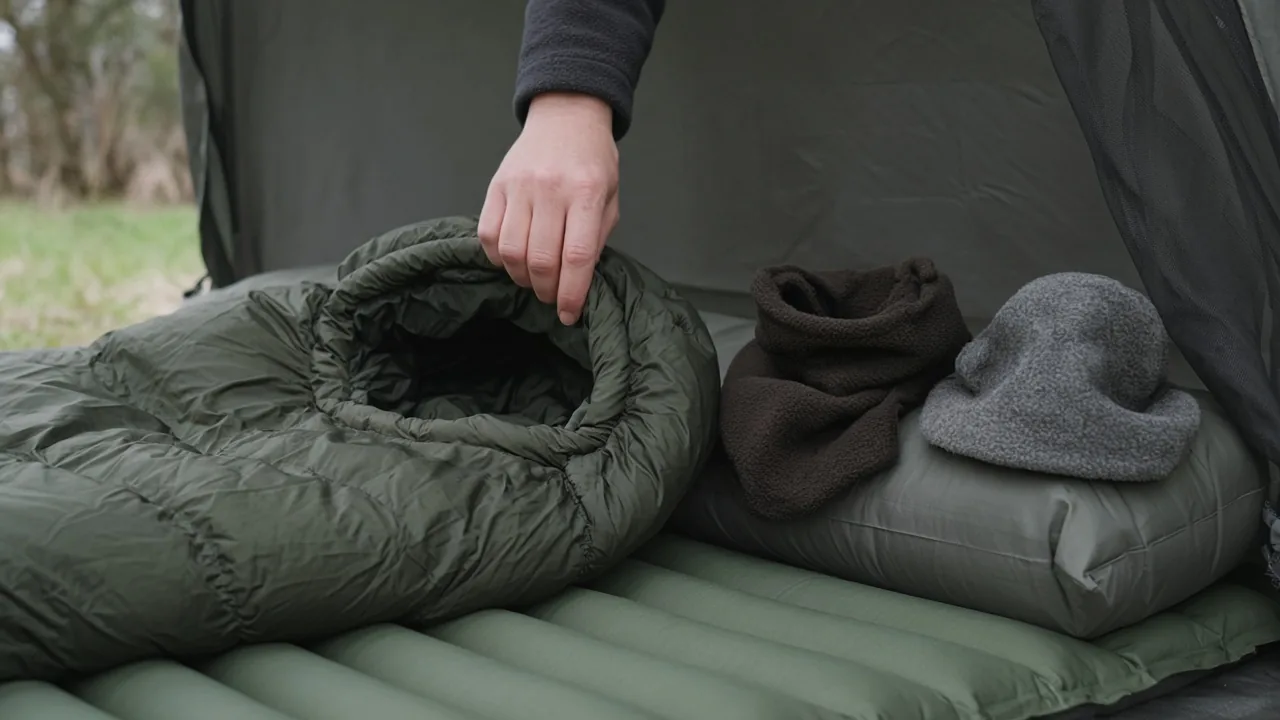
Pulling a quilt over your head may seem like a quick way to trap heat, but it is not a reliable substitute for a dedicated hood. Covering your face can trap breath moisture inside the down and make you colder over the course of the night.
Why moisture from breath works against you
Your breath adds humidity inside the quilt every time you exhale. Damp down loses loft and traps less air. The same quilt that felt warm at 32°F can feel clammy and cold at 34°F if you have been breathing into it for hours.
Some users wake colder after pulling the quilt over their face. The initial warmth feels good, but the moisture buildup works against you. Once the down near your face is damp, it stops doing its job.
Better ways to keep your head warm
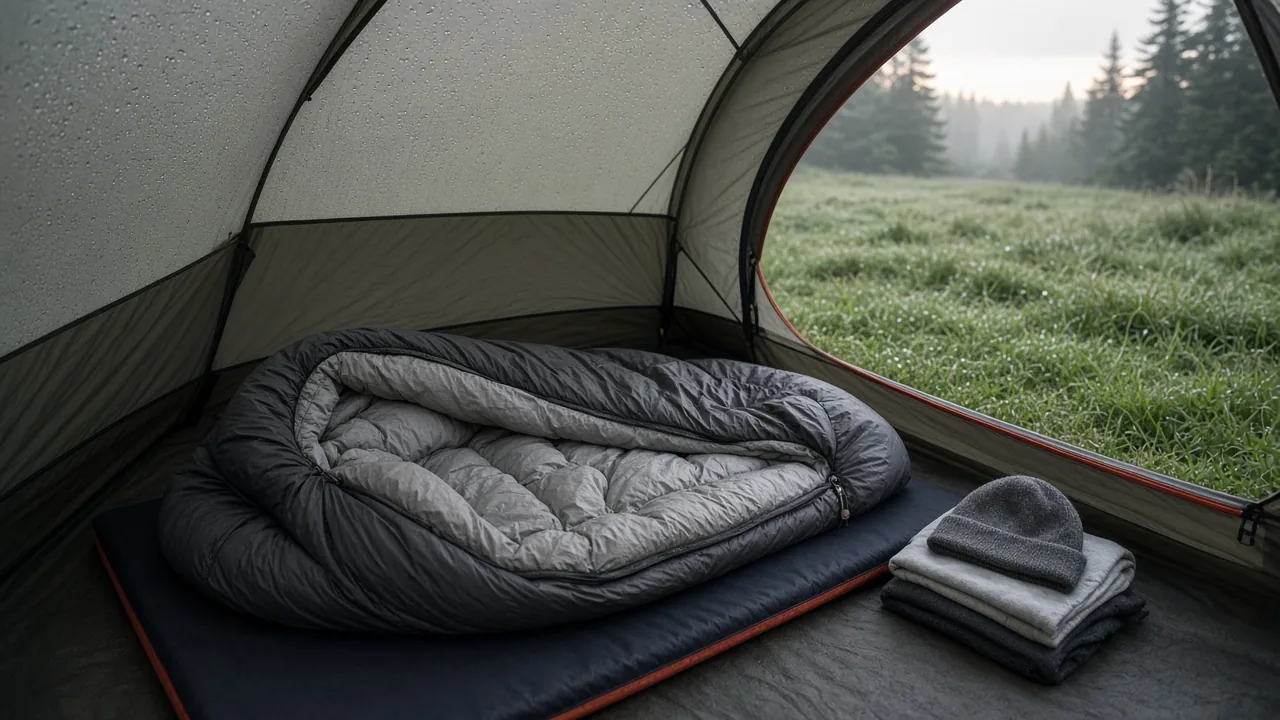
Use a down balaclava or a thick beanie and keep your mouth and nose outside the quilt. This preserves loft and still stops heat loss from your head. A balaclava adds a few ounces but does more for warmth than pulling the quilt itself over your face.
If you do not have a down balaclava, a fleece beanie and a neck gaiter can cover most of the loss. The goal is to keep exhaled air away from the quilt’s insulation.
Sizing and fill power: where cheap quilts usually win or lose
A low price may hide a limited fit or less-than-expected fill. Do not assume all budget quilts are equal. Two quilts can both say 30°F and 850 fill power, but one may have narrower shoulders, fewer baffles, or less down than the other.
Check the manufacturer’s max height and the actual fill power before you buy. The more specific the product page, the better you can judge what you are getting.
Who fits a budget quilt rated for 5'9''
One budget quilt was listed for users up to 5 feet 9 inches, but a 5-foot-10 to 5-foot-11 sleeper used it comfortably. The quilt still allowed enough room in the footbox and shoulders for that height range. That does not mean every 6-foot user will have the same experience.
Taller backpackers should look for extra headroom claims or measure against a quilt they already own. If you sleep on your side with your arms out, the shoulder circumference matters more than the length alone. Six-foot and taller users should be more cautious before buying a short budget quilt.
Fill power vs. fill weight
850 fill power down traps more air per ounce than lower fill power down. That means an 850 fill power quilt can be lighter and warmer than a 600 fill power quilt with the same fill weight. But fill power is only half the equation.
If the fill weight is low or the baffles are uneven, the quilt may still underperform its claimed rating. Look for a product page that lists both fill power and fill weight. If the brand only lists fill power, ask yourself whether the quilt has enough total down to fill the chambers at the rated temperature. Some budget quilts show 850 fill power but skimp on fill weight, leaving thin spots near the footbox or along the zipper edge.
Care and packing rules that keep a budget quilt warm
Store the quilt in the mesh storage sack, not the compression sack. Long-term compression damages the down and reduces the warmth you paid for. A quilt that has been left in its stuff sack for months may need days to regain full loft, and it may never fully recover.
When you get the quilt, take it out of the compression sack immediately. Shake it out and hang it or lay it flat for at least 48 hours before the first trip. Before each use, give it 10 minutes to loft on your sleeping pad. Down recovers from a stuff sack fairly quickly, but it performs best when it has had time to expand fully.
What else to check before you decide
Check the weather forecast, fire restrictions, and campsite rules before the trip. A quilt that works for a dry 35°F night may not work for a soaked 33°F night with wind. Fire restrictions can also change how warm you stay, because you may not be able to build a campfire to dry out or raise your body temperature.
Never use a stove or heater inside your tent. Carbon monoxide and fire risk are real in enclosed spaces, and even a small backpacking stove can produce dangerous fumes. Follow Leave No Trace basics at camp: pack out trash, use established fire rings where allowed, and camp on durable surfaces.
How to choose: a quick decision checklist
Score the quilt against your trip, not against a generic review score. Use these questions before you pack it:
- Expected low temperature: Is it 10 degrees above the quilt’s comfort rating, or right at it?
- Rain or wind: Will you need to subtract 10 degrees for safety?
- Pad R-value: Is your pad at least R-3 for near-freezing nights?
- Your height: Does the manufacturer’s max height leave room for your shoulders and feet?
- Packed size: Are you backpacking, where every ounce and cubic inch matters, or car camping, where heavier insulation wins?
- Hood or liner: Will you bring a separate hood, balaclava, or liner, or are you relying on the quilt alone?
For car camping, a heavier, warmer setup is fine. You can bring a bulkier pad, a thicker quilt, and heavier base layers without worrying about pack weight. For backpacking, check rain, the coldest forecast night, and whether your pad and hood fit before taking a budget quilt. Add a layer or choose a warmer rating when unsure. A few extra ounces of down or a higher R-value pad is cheaper and lighter than a cold night that ends a trip early.
This article is general information about camping gear, not professional safety, medical, or wilderness training. Check fire restrictions, weather, and campsite rules before you go, and follow the manufacturer's instructions for your own equipment.
FAQ
Are budget backpacking quilts warm enough for 3-season trips?
Yes, a budget quilt with a 30°F comfort rating can cover most three-season nights, but only when matched with adequate pad R-value, fit, loft, and clothing. It is not a guarantee below freezing and requires a strong sleep system.
What is the difference between comfort and survival ratings?
Comfort rating reflects usable warmth for sleeping well, while survival rating only means you stay alive. Always plan around the comfort rating, not the lower survival number.
What sleeping pad R-value should I use with a backpacking quilt?
For mild three-season nights, EN/ISO tests assume a pad around R-2, but for near-freezing or below, use a pad with R-3 or higher. The quilt wraps the top and sides but does little for the side against the ground.
Why should I not pull the quilt over my face to stay warm?
Breathing into the quilt adds moisture that dampens down, reduces loft, and can make you colder. Use a down balaclava or beanie and keep your mouth and nose outside the quilt.
How should I store and pack a budget backpacking quilt?
Store it in the mesh storage sack rather than the compression sack, and let it loft for 48-72 hours after shipping. Before each use, give it about 10 minutes to loft on your sleeping pad.