AAA vs Rechargeable Headlamp for Camping: Runtime and Cost
Compare AAA vs rechargeable headlamp for camping by runtime, weight, water protection, and real-world use to decide which battery type fits your next trip.
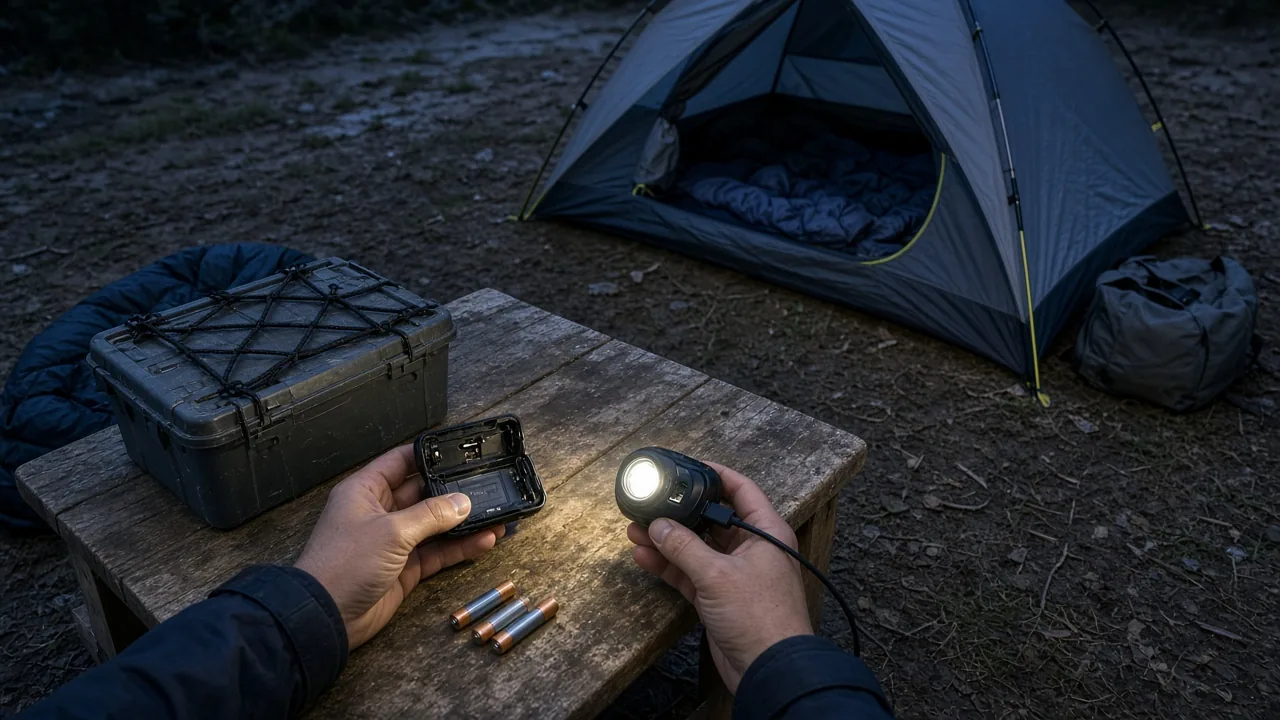
The AAA vs rechargeable headlamp for camping decision usually comes down to how long you need usable light and whether you can recharge mid-trip. For most campers using medium or high modes, rechargeable headlamps cost less over time. AAA models still earn their place when you need fast battery swaps and have no reliable way to top off a sealed cell. This guide compares runtime, weight, water protection, and real camp use so you can pick the better buy for the trip ahead.
AAA vs Rechargeable Headlamp for Camping: Start With the Main Trade-Off
The core decision is not maximum lumens. It is how often you run high mode and whether recharging is realistic during the trip. A lightweight AAA light can be convenient, but high output drains three small cells quickly. A sealed rechargeable light often carries a bigger battery and can stretch low modes much longer.
High-Mode Runtime Shows the Battery Difference Fast
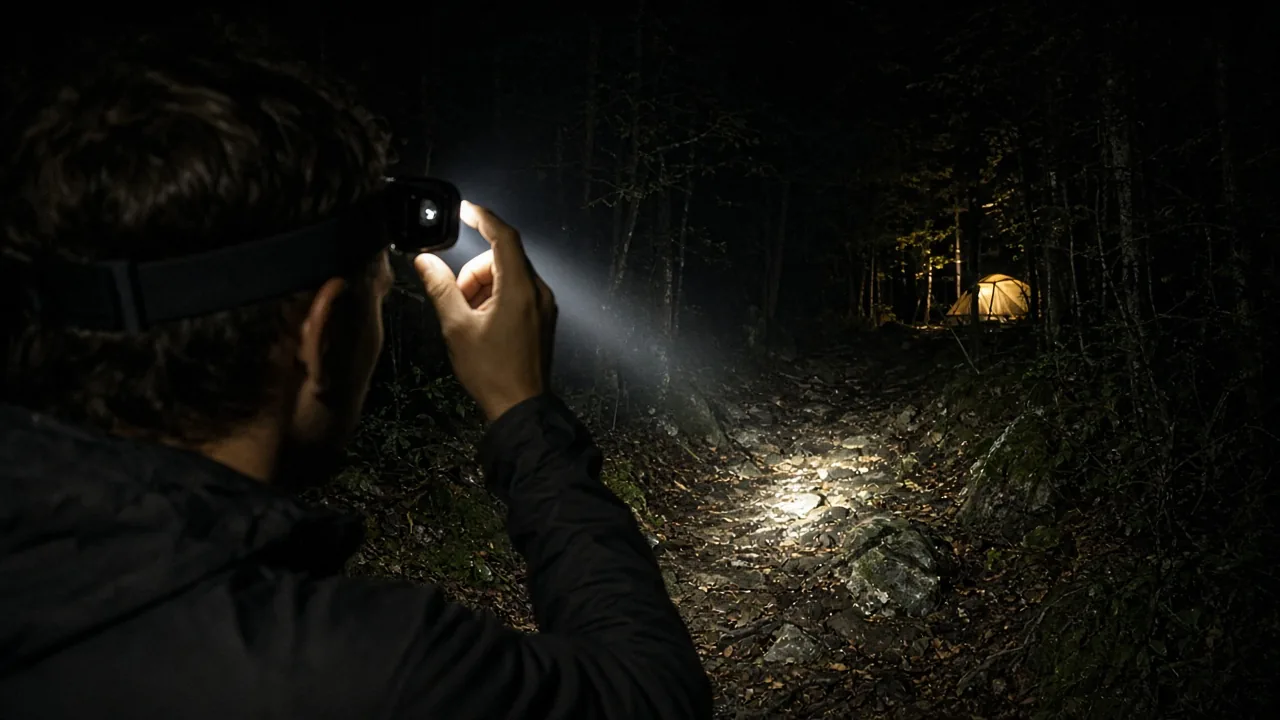
Look at the runtime specs beyond the brightest number on the box. One widely tested AAA model runs about 2 hours on high and roughly 200 hours on its lowest setting. That gap matters at camp: route-finding or night setup may require high output, while reading, cooking, and tent chores need only low or medium.
A heavier rechargeable model can stretch its flood light low mode to over 300 hours. That does not mean you will always need 12 days of continuous light, but it does mean fewer charging stops on a long trip. High mode still drains any battery quickly, so carry realistic expectations for turbo or max-output settings.
Long-Term Cost Favors Rechargeable for Frequent Use
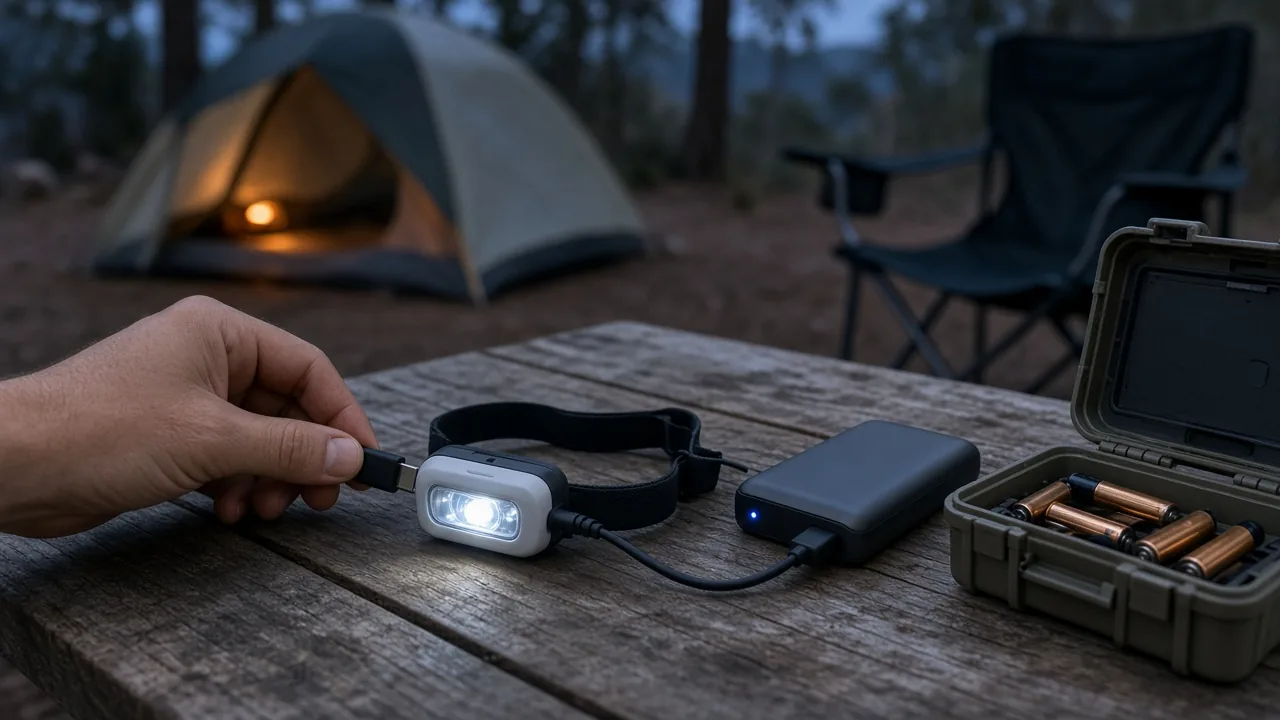
If you camp often and replace AAA batteries every few nights of high use, the cost adds up. Rechargeable lithium cells pay for themselves over time because you can top them off hundreds of times from a USB source. AAA batteries are easier to replace, but that flexibility comes with repeat purchases.
AAA still makes sense when charging is unavailable or when the trip is short enough that a fresh set covers most of your needs. Car campers with easy access to a vehicle may also tolerate the cost because convenience matters more than minimizing weight or long-term expense.
Dual-Fuel Designs Give You a Middle Path
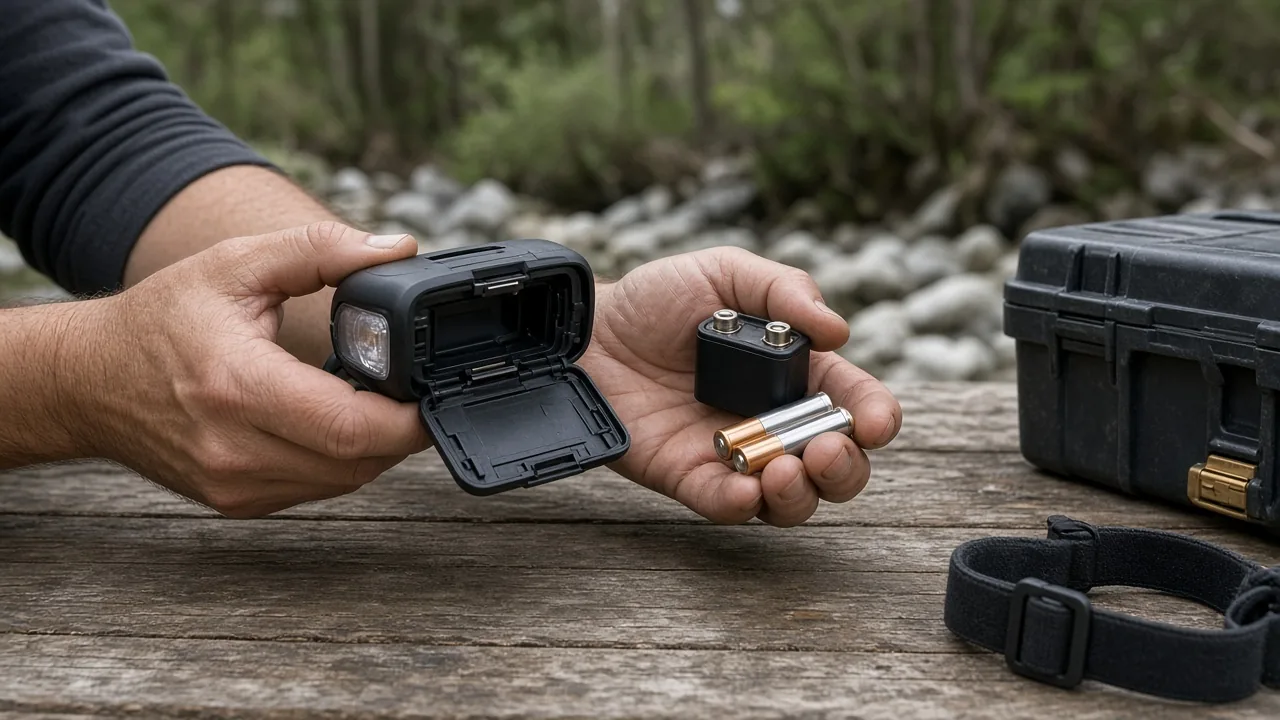
Some AAA headlamps accept an optional rechargeable battery pack. With a dual-fuel design, you can use rechargeable cells at home or before the trip, then carry disposable AAA batteries as backup in the field. That gives you the lower operating cost of rechargeable power without losing the fast-swap option.
A dual-fuel light is a smart middle path for campers who want one lamp for car camping, short backpacking trips, and emergency kits. You still need to confirm the exact battery pack and spare battery type before relying on it.
Compare Runtime, Weight, Water Protection, and Modes
The table below puts the battery trade-off next to weight, water protection, and beam options. These numbers come from manufacturer specs and published product reports, so use them as a starting point rather than a guarantee for every condition.
| Headlamp type | Battery | High / low runtime | Weight | Water protection | Beam options | Best for |
|---|---|---|---|---|---|---|
| Black Diamond Spot 400 | 3 AAA, or optional rechargeable pack | High about 2 hr; low about 200 hr | Spec weight not listed in the product summary reviewed | IPX8; water found in battery compartment in one submersion check | Spot, flood, red | Car camping, short backpacking trips, dual-fuel backup use |
| Lightweight Type-C rechargeable example | Built-in USB-C rechargeable | High not given; low runtime varies by mode | About 4.7 oz for one listed 1,000-lumen model | IP67 | White, red, six modes on some models | Travel, mild-weather backpacking, users who already carry a power bank |
| Fenix HM71R V2.0 | Sealed 5,500 mAh rechargeable | Spot turbo about 3+ hr; flood low about 337 hr | About 7.8 oz with battery and headband | IP68, rated for 2 m depth | Spot, flood, red | Wet, dusty, high-output work; long trips with power bank charging |
Runtime and Power Management
Battery size is not the only factor in runtime. Smart power management can adjust output to ambient light and reduce unnecessary energy use. That means the lamp is not constantly blasting full brightness when you are reading a map or standing inside a tent.
Good heat management also helps. High-output lighting generates heat, and poor thermal design can make electronics and batteries run hot, which can shorten performance. Keep dust out of cooling channels and avoid storing rechargeable cells fully drained for long periods.
Water Resistance Ratings Need Real-World Checks
IP67 is enough for rain, splashes, and short accidental submersion. The first digit covers dust protection, and the second covers water. A 7 rating generally means the light can handle brief immersion in shallow water. An 8 rating indicates longer immersion under pressure, but it still does not mean every light survives every dunk.
In one published test, a plastic headlamp with an IPX8 rating showed water in the battery compartment after submersion. A sealed metal light with an IP68 rating and internal waterproofing may hold up better in wet, muddy, or high-moisture conditions, but no rating replaces checking the seals and battery cover before a rainy trip.
Beam Modes and Red Light Use
White light handles most camp tasks, from cooking to midnight bathroom trips. Red light is the practical second mode: it protects night vision for stargazing and map checks, and it can be more visible in rain or fog than white light. Look for a low red mode that does not flood your eyes at close distances.
Controls matter as much as beam options. Some lights use two buttons with combination presses for brightness, strobe, and lockout. Others separate mode and brightness into a dial and a button, which can be easier with gloves or cold hands. If you will use the light every night, simple controls reduce frustration.
When an AAA Headlamp Still Makes Sense
AAA models work well for car camping, short backpacking trips, and cold or remote areas where charging is not practical. The ability to swap cells in seconds is still a real advantage when you are far from an outlet or power bank.
Car Camping and Backup Lighting
For base camp use, weight does not matter much. AAA spares are cheap, widely available, and can be shared with other small devices like a GPS receiver or a battery-powered fan. You will buy batteries more often, but the trade-off is convenience.
Keep a fresh set in your camp box and another in your vehicle. That way a dead headlamp becomes a 30-second fix instead of a late-night search for a USB cable.
Cold Weather and Emergency Swaps
Cold temperatures reduce battery performance, especially in rechargeable lithium cells. In freezing conditions, keep spare AAA batteries in a warm pocket close to your body. If your primary light dies, you can swap in warm cells immediately.
Never use a stove or heater inside your tent while doing night chores, even when it is cold and the light fails. Warm batteries in your gear, not inside a heated tent space.
When a Rechargeable Headlamp Is the Better Camping Buy
Rechargeable lights lower long-term cost and are more convenient for multi-night trips where you can top off from a power bank, a car USB port, or a wall outlet before leaving. If you already carry a power bank for your phone, a rechargeable headlamp fits the same charging routine.
Backpacking With Power Bank Charging
A USB-C rechargeable headlamp makes sense if you already carry a power bank. During a midday break, you can top off the lamp while you eat or rest. That reduces the number of spare batteries you carry and keeps your kit lighter.
The catch is discipline: you must charge before leaving. A sealed battery that is dead at the trailhead is not useful. Build a pre-trip checklist that includes topping off the headlamp along with your phone and power bank.
Wet, Dusty, or High-Output Work
A sealed metal rechargeable light suits wet camps, trail work, and tasks around camp where reliability matters more than saving an ounce. Some models add a magnetic tail, a pocket clip, and a quick-detach headband, so the lamp becomes a work light or handheld flashlight.
The heavier weight is the obvious trade-off. A metal light with a large battery may sit around 7.8 oz on your head, while a lightweight rechargeable option can weigh about 4.7 oz. For long night sessions or rough weather, the extra weight may be worth it.
How to Manage Runtime and Keep Either Type Working Longer
No matter which battery type you choose, a few habits will stretch runtime and keep the light ready when you need it.
Set Modes and Use Lockout
Use low or medium for walking and camp chores. Reserve high or turbo for route-finding, scrambling, or checking distant terrain. The more time you spend in low modes, the less often you will charge or swap batteries.
Lock the light before packing it. A headlamp can switch on inside a pack and drain itself before the first night. Many lights have a lockout mode, such as holding two buttons for several seconds or turning a dial to a locked position.
Battery Care and Charging Habits
Recharge before every trip, even if the indicator still shows partial power. Keep contacts clean and dry. Do not leave rechargeable cells fully discharged for long periods, because that can reduce their lifespan.
For AAA models, inspect the battery contacts and headband elasticity before you rely on the light. Loose contacts or stretched headband material can make an otherwise good lamp unreliable. Replace corroded batteries and clean contact points with a dry cloth as needed.
Before you pack, note whether the trip is car camping or backpacking, how cold the nights will be, and whether rain is likely. In wet or cold conditions, bring a sealed rechargeable light or spare AAA lithium cells, and check your tent light against your sleep system so you are not fumbling in the dark when the temperature drops.
— Camp Kit Journal
This article is general information about camping gear, not professional safety, medical, or wilderness training. Check fire restrictions, weather, and campsite rules before you go, and follow the manufacturer's instructions for your own equipment.
FAQ
What is the main trade-off between AAA and rechargeable headlamps for camping?
The core decision is how often you run high mode and whether recharging is realistic during the trip. AAA models allow fast battery swaps, while sealed rechargeable models often have larger batteries and lower long-term cost.
How long does a AAA headlamp typically run on high mode?
One widely tested AAA model runs about 2 hours on high and roughly 200 hours on its lowest setting. High output drains three small cells quickly, so reserve it for route-finding or night setup.
When is an AAA headlamp still the better choice for camping?
AAA models work well for car camping, short backpacking trips, and cold or remote areas where charging is not practical. They also make sense when you need quick battery swaps and have no reliable way to recharge a sealed cell.
When should I choose a rechargeable headlamp for camping?
Rechargeable lights lower long-term cost and are more convenient for multi-night trips where you can top off from a power bank, a car USB port, or a wall outlet before leaving. They are ideal if you already carry a power bank for your phone.
How can I extend headlamp battery life while camping?
Use low or medium modes for walking and camp chores, reserve high or turbo for route-finding or scrambling, and lock the light before packing to prevent accidental activation.



