3F UL Gear Lanshan 2 2026 Review: Standard vs Pro Tent Choice
This 3F UL Gear Lanshan 2 2026 review compares the Standard and Pro trekking-pole tents on weight, waterproofing, condensation, and weather fit to help you choose.
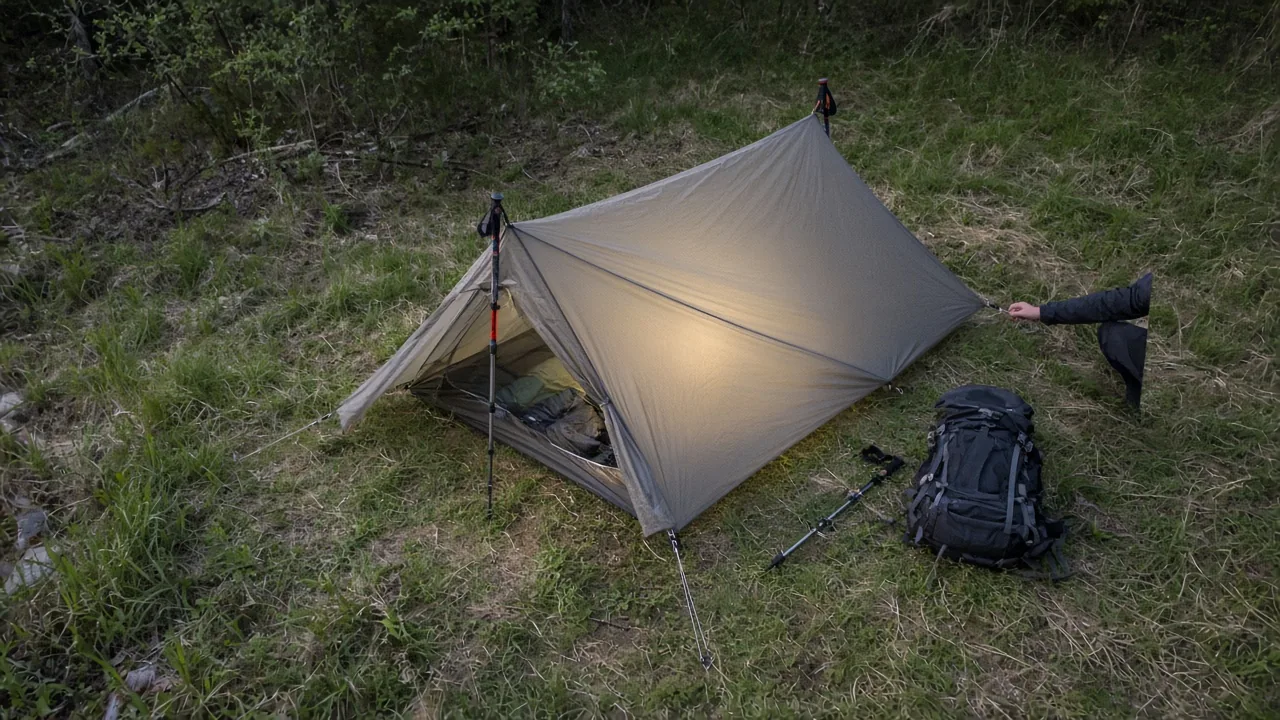
If you’re choosing between the 2026 3F UL Gear Lanshan 2 Standard and Pro, the decision mostly comes down to weight, seam sealing, and condensation behavior. This 3F UL Gear Lanshan 2 2026 review compares both trekking-pole tents side by side: the Standard at roughly 40.6 ounces with a factory-sealed Silnylon fly, and the Pro at roughly 32.3 ounces with a Silpoly fly that is not sealed from the factory. Pick Pro for the lightest two-person setup. Pick Standard for a traditional double-wall tent that arrives ready for rain.
1. Start with weight and packed size before comparing anything else
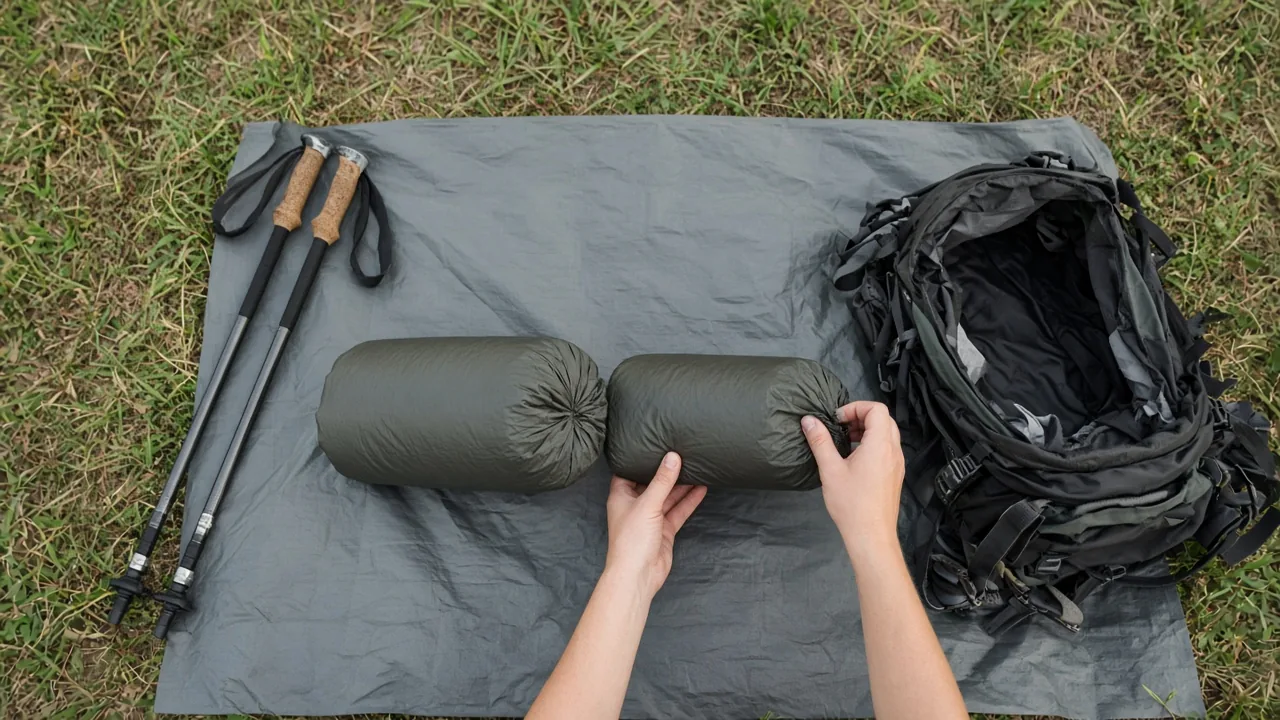
The Standard is about 1,150 grams and the Pro about 915 grams. Both pack to roughly 35 by 15 centimeters, so the Pro saves noticeable pack weight but not pack space. In US terms, that’s about 40.6 ounces for the Standard and 32.3 ounces for the Pro, with either rolled bundle landing near 13.8 by 5.9 inches.
Standard vs Pro specs at a glance
| Spec | Standard | Pro |
|---|---|---|
| Weight | 1,150 g (40.6 oz) | 915 g (32.3 oz) |
| Packed size | 35 × 15 cm (13.8 × 5.9 in) | 35 × 15 cm (13.8 × 5.9 in) |
| Fly fabric | Silnylon | 20D Silpoly |
| Floor fabric | 20D Silnylon | 20D Silnylon |
| Seam sealing | Arrives sealed | Not sealed from factory |
| Structure | Traditional double-wall | Hybrid single/double-wall side panels |
| Interior length | 220 cm (86.6 in) | Not stated in source |
| Interior width | 120 cm (47.2 in) | Not stated in source |
| Interior height | 125 cm (49.2 in) | Not stated in source |
The Standard’s listed interior that runs 220 cm long, 120 cm wide, and 125 cm high gives two sleepers enough head and shoulder room, but the Pro’s hybrid side panels mean the usable floor can feel different depending on how you pitch the trekking poles.
When the weight difference matters most
For two people counting ounces on long trips, the Pro’s roughly 8.3-ounce weight savings can justify the switch. That gap shrinks when you split the tent between two packs, but it becomes visible again on solo carries with a full food bag and water. On short overnight trips, either tent carries easily and the weight difference rarely changes the trip.
2. Compare fabric, seam sealing, and waterproofing before you buy
The Standard uses Silnylon and arrives seam-sealed. The Pro switches to a 20D Silpoly fly with a 20D Silnylon floor but does not include seam sealing from the factory. That fabric choice changes how each tent handles rain, sag, and condensation.
Silpoly versus Silnylon and the condensation question
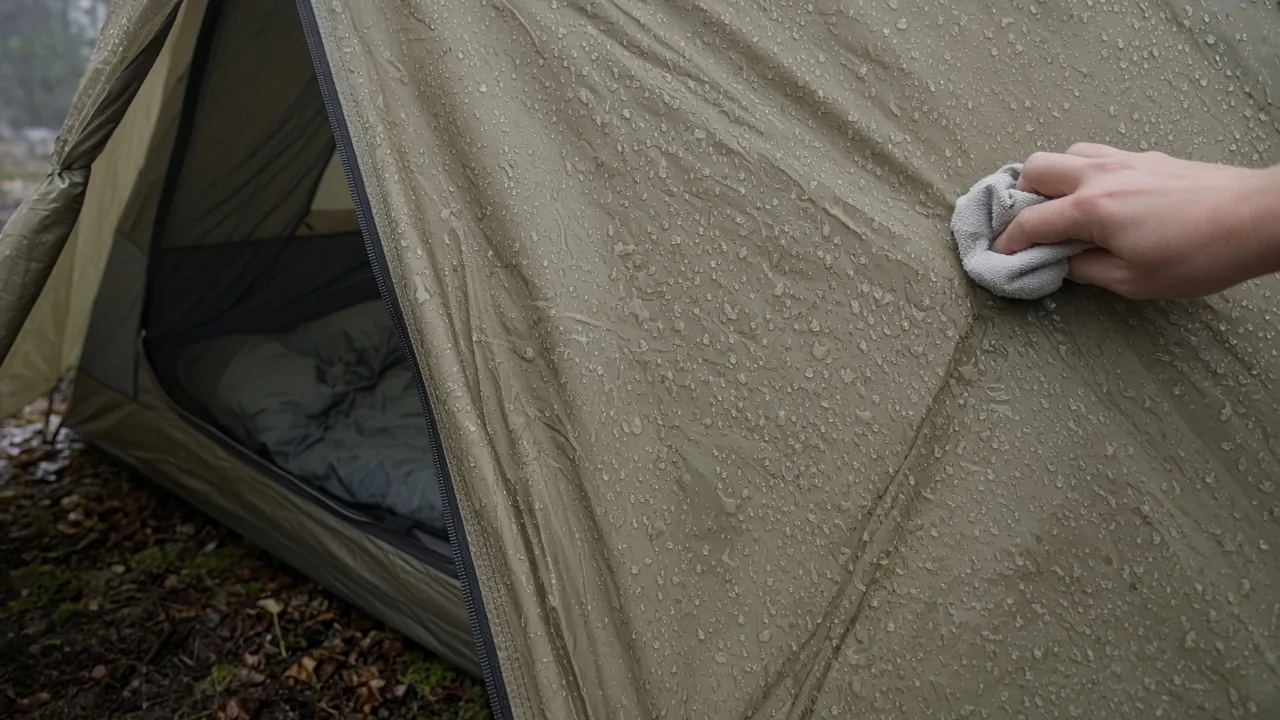
Silpoly does not absorb water as readily as Silnylon, so the Pro’s fly is less likely to stretch or sag during prolonged rain. That is a real benefit, but it is not the same as eliminating condensation. Some users report that condensation still forms inside the Pro and may need a quick wipe with a small cloth, especially after a cold, still night. The inner fabric panels on the Pro help protect your head and feet from those drips.
Why the cheaper Standard is sealed but the Pro is not
The Standard ships from the factory with sealed seams, which makes it ready for wet weather without extra work. The Pro leaves the factory unsealed, and you can either seal it yourself or pay to have Camplist apply the seam sealing before it ships. That configuration feels backward to some campers, but it follows the Pro’s simpler single-wall-hybrid design: the fly is treated as a project you finish, not a finished shelter.
What the 2026 updates change
Both 2026 tents add metal hooks, two-way waterproof zippers on both sides, new vent material, and a higher reported hydrostatic head than older versions. Treat the higher hydrostatic head as a sign of improved weather resistance, not a promise that the tent will survive every storm. The vent material change matters most on the Pro, where adjustable airflow matters for condensation control.
3. Check setup, interior space, and condensation management
Both tents use trekking-pole-style pitching and T-shaped zippers that open one full side. That makes it easier to slide out, reach gear, or take in a view. The Standard is a traditional double-wall shelter, while the Pro mixes single-wall and double-wall side panels.
Living space and venting
The Standard’s 220 cm by 120 cm by 125 cm interior is generous for two average adults and includes side vents plus a lantern hook. The Pro adds adjustable interior flaps that let you tune airflow, reduce drafts, or direct condensation away from the sleeping area. In hot weather, open both doors and the flaps for cross-ventilation. In wind or cold, close the flaps to keep direct air movement off your face.
Pitching notes and safety
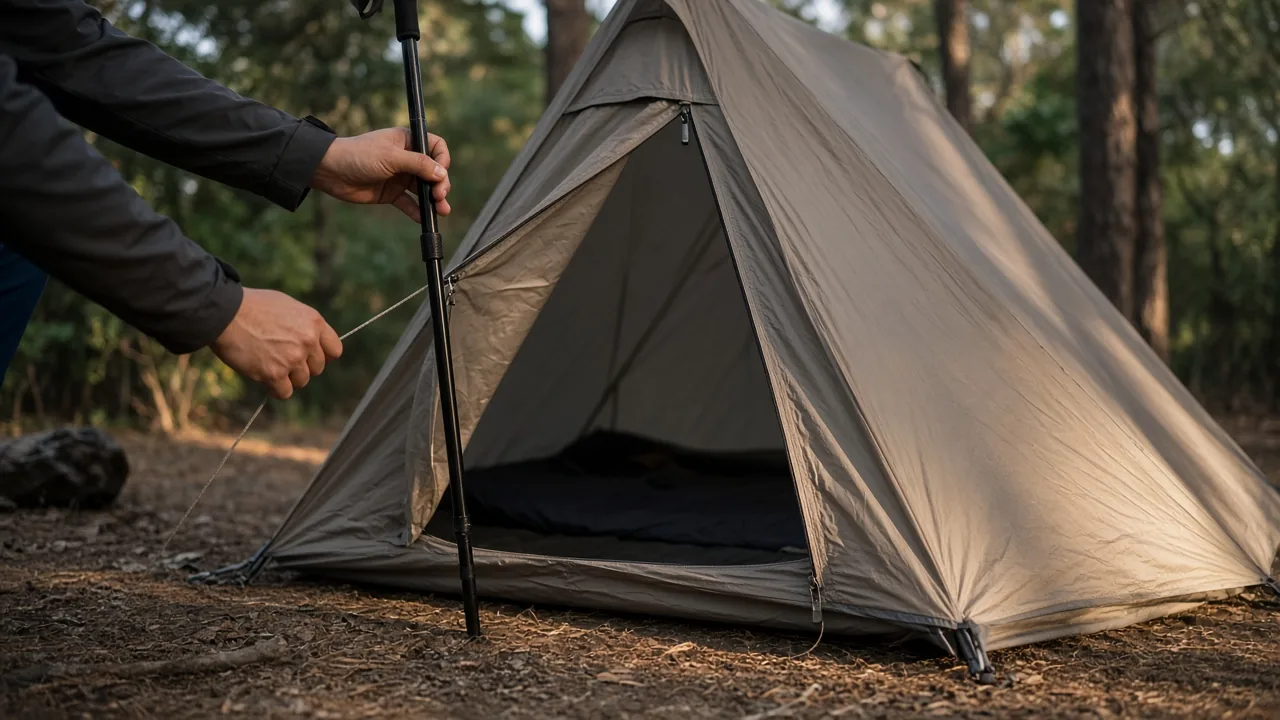
Pitch these tents only as shown in setup videos; the pole heights and tension change the floor shape and door alignment. Never use a stove or heater inside your tent. Even a small burner can raise carbon monoxide levels rapidly in a closed shelter, and the risk increases with a tight pitch meant to block wind.
4. Match the tent to your typical backpacking weather
Choose Standard for cooler or windier trips where a full inner tent reduces cold drafts. Choose Pro for humid or wet conditions where the Silpoly fly and adjustable flaps can help manage condensation and prevent water-absorption sag.
Cold and windy trips
The Standard’s traditional inner tent is the safer default when nighttime lows are near freezing or campsites are exposed. The inner wall blocks more direct air movement than the Pro’s hybrid panels, which can leave one side of your sleep setup more open to drafts. Wind also tests the Pro’s bathtub floor; one older Pro owner noted the floor could flatten and require repeated pole-height adjustments, though the 2026 update does not specify whether that was reworked.
Rainy and humid trips
The Pro is the better choice when rain is frequent, because the Silpoly fly resists water absorption and sagging. That helps the tent hold its shape longer during a wet night. However, you should still bring a small cloth for wiping condensation, and expect some moisture on the inside after cold, humid conditions.
5. Use this 3F UL Gear Lanshan 2 2026 review checklist
Run through this checklist before deciding: trip length, typical nighttime low, expected rain or humidity, whether you already own an older Lanshan, and whether you want factory seam sealing.
Who should buy the Standard
Pick Standard if you want a tent that arrives fully seam-sealed, prefer a traditional double-wall inner for cooler weather, or don’t need the absolute lightest two-person shelter. The Standard is also the easier choice for first-time trekking-pole tent owners because there is no sealing step to finish.
Who should buy the Pro
Pick Pro if you value the 915-gram packed weight, want a Silpoly fly for wet conditions, and are willing to pay for or apply seam sealing yourself. The Pro suits hikers who already understand condensation management and don’t mind wiping the inside after a cold night.
Who should skip or wait
Skip an upgrade if your current Lanshan 2 is still in good shape. Some owners say older models are already good, and the 2026 changes may not justify replacing a tent that still works. If your existing fly still sheds rain and the zippers operate, those improvements are incremental, not essential.
6. How to select, care for, and store the Lanshan 2
Choose based on the weather you actually backpack in, not just the spec sheet. After trips, dry the tent completely before storage to prevent mildew on the coated fabric.
Selection steps
First list your typical trip conditions: overnight low, rain frequency, and whether you backpack or car camp. Then compare weight and seam sealing. Finally, decide whether Pro’s condensation trade-offs fit your route better than Standard’s full inner tent.
Care and storage
Wipe or air-dry the fly and floor after wet trips. Never stuff away damp fabric; mildew can break down the coating and shorten the tent’s life. Store the tent loose in a dry place, and use a groundsheet if you camp on abrasive rock or pine needle beds to protect the floor. When packing out, follow Leave No Trace: use established sites where possible and pack out all trash and micro-trash from the tent area.
Before you pack, confirm whether this is a car-camping or backpacking trip, what the nighttime low will be, and whether rain is likely. Pair the tent with a groundsheet or trekking poles you already plan to carry, and you’ll know which Lanshan 2 earns a place in your pack.
This article is general information about camping gear, not professional safety, medical, or wilderness training. Check fire restrictions, weather, and campsite rules before you go, and follow the manufacturer's instructions for your own equipment.
FAQ
What is the main difference between the 3F UL Gear Lanshan 2 Standard and Pro?
The Standard uses a seam-sealed Silnylon fly and traditional double-wall design, while the Pro uses an unsealed Silpoly fly with hybrid single/double-wall panels and is about 8.3 ounces lighter.
Does the 2026 Lanshan 2 Pro need seam sealing?
Yes, the Pro does not come factory sealed. You can seal it yourself or pay Camplist to seal it before shipping; the Standard arrives ready for rain.
Which Lanshan 2 is better for humid or rainy trips?
The Pro is better in frequent rain because its Silpoly fly resists water absorption and sagging, though you may still need to wipe condensation inside.
How much does the 2026 3F UL Gear Lanshan 2 weigh?
The Standard weighs about 1,150 g (40.6 oz) and the Pro about 915 g (32.3 oz), with both packing to roughly 35 x 15 cm.
Can you use a stove inside the Lanshan 2?
No, never use a stove or heater inside the tent because carbon monoxide can build up quickly in a closed shelter.



