3 Season vs 4 Season Tent Condensation: Which Is Drier?
A 3-season tent usually develops less condensation than a 4-season tent in similar weather and site conditions because larger mesh panels move more air. Learn how ventilation, site selection, and drying routines change the result.
请提供文章开头第一段原文,以便改写并自然地包含关键词「3 season vs 4 season tent condensation」。
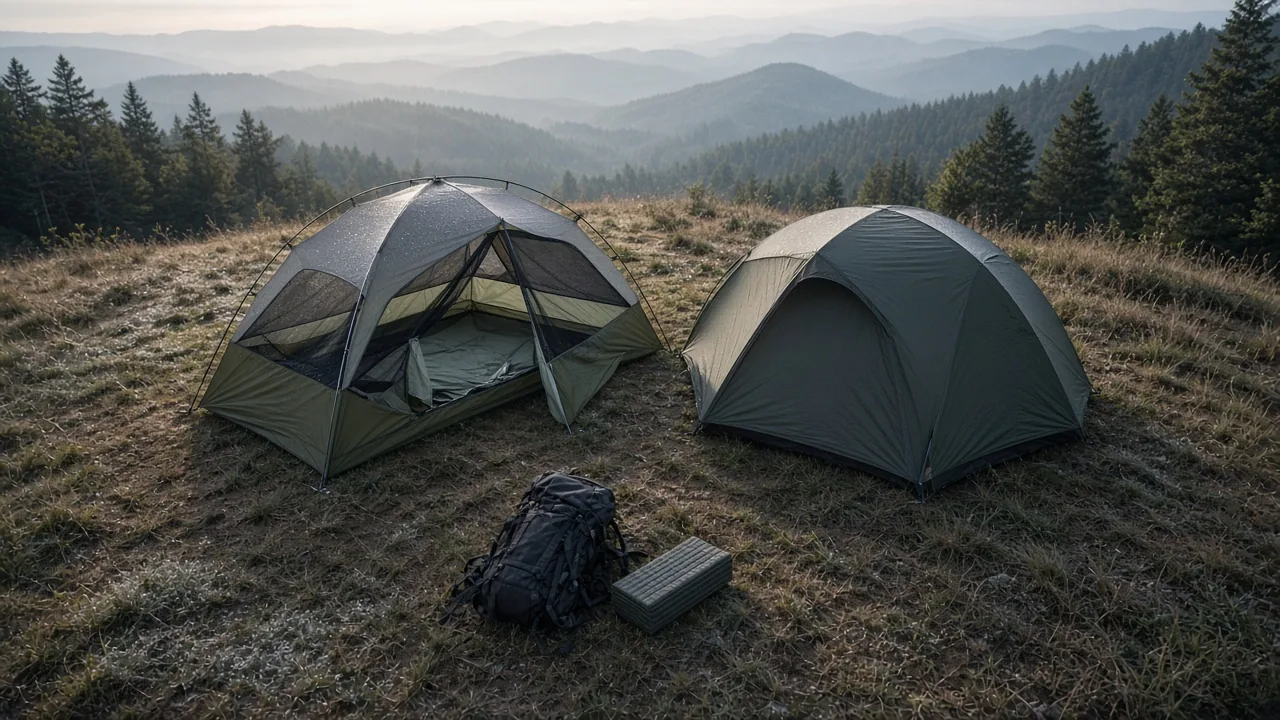
When comparing 3 season vs 4 season tent condensation, the practical answer is simple. In similar weather, site, and pitch conditions, a 3-season tent usually develops less condensation than a 4-season tent because its larger mesh panels move more air; choose a 4-season shelter mainly for winter or sustained storm conditions. More airflow usually means drier interior walls on a normal three-season trip.
Why Does Tent Condensation Happen?
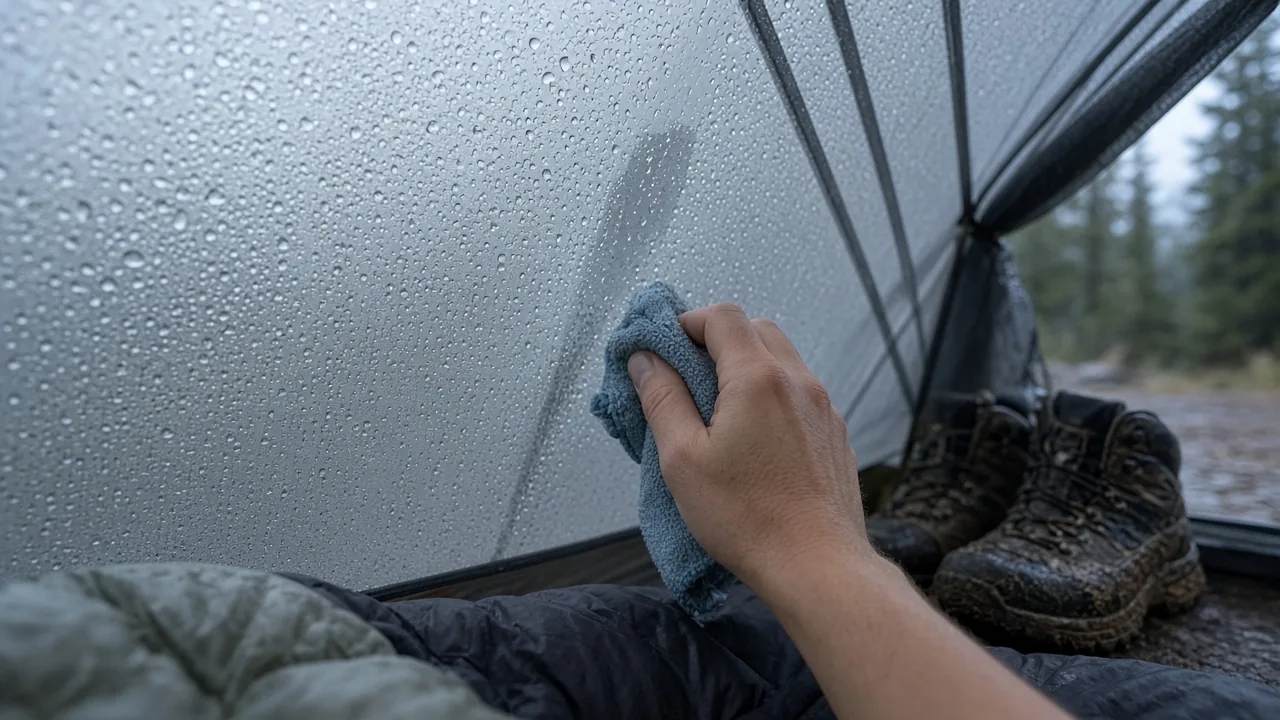
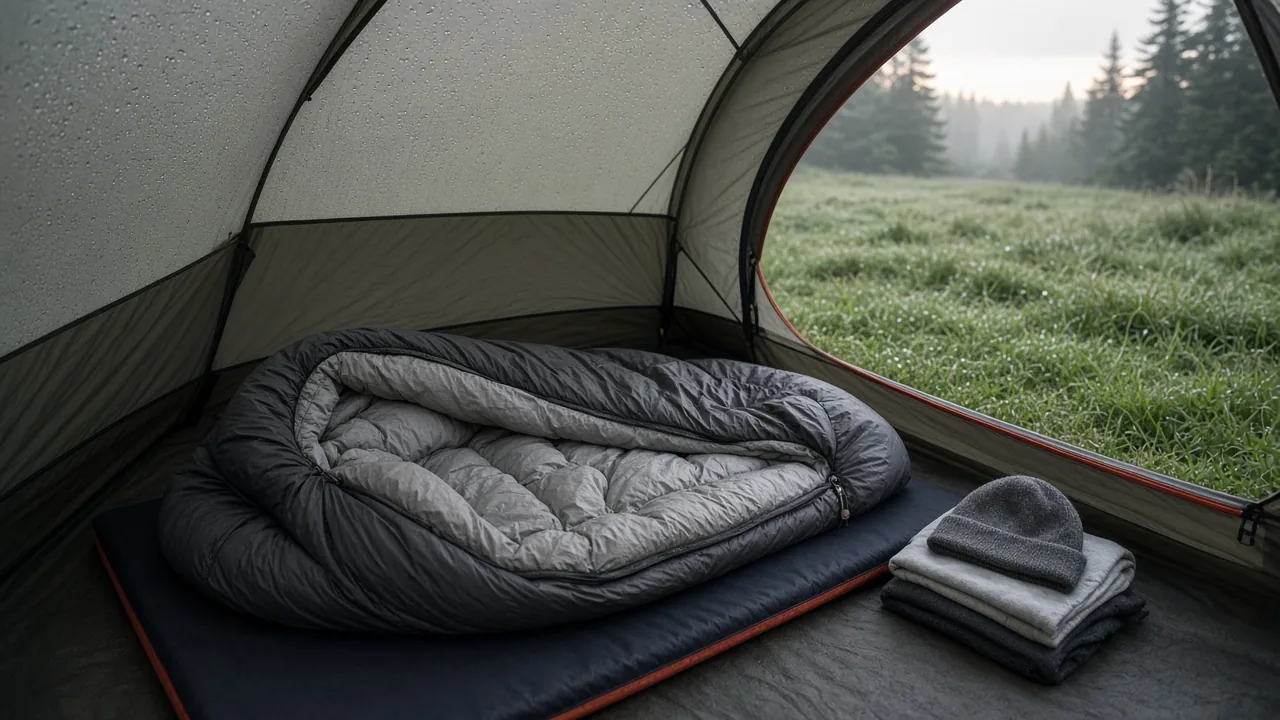
Condensation is water vapor turning into liquid on a cooler surface. In a tent, the surface is usually the rainfly, inner wall, or ceiling. Your breath, wet clothes, damp boots, and humid outside air all put water vapor into the space around you.
When nighttime temperatures fall, the tent fabric cools faster than the air inside. Water vapor touches that cooler fabric and condenses into droplets. It is not the same as a leak. A taped seam can stop rain, but it will not stop humid air from becoming liquid on a cold wall.
Two things then decide whether you wake up to a light mist or actual dripping: ventilation and site selection. A tent that moves air well carries water vapor out before it settles. A poor site can add ground moisture and cold air that make condensation worse no matter which tent you have.
3 Season vs 4 Season Tent Condensation: Which Design Stays Drier?
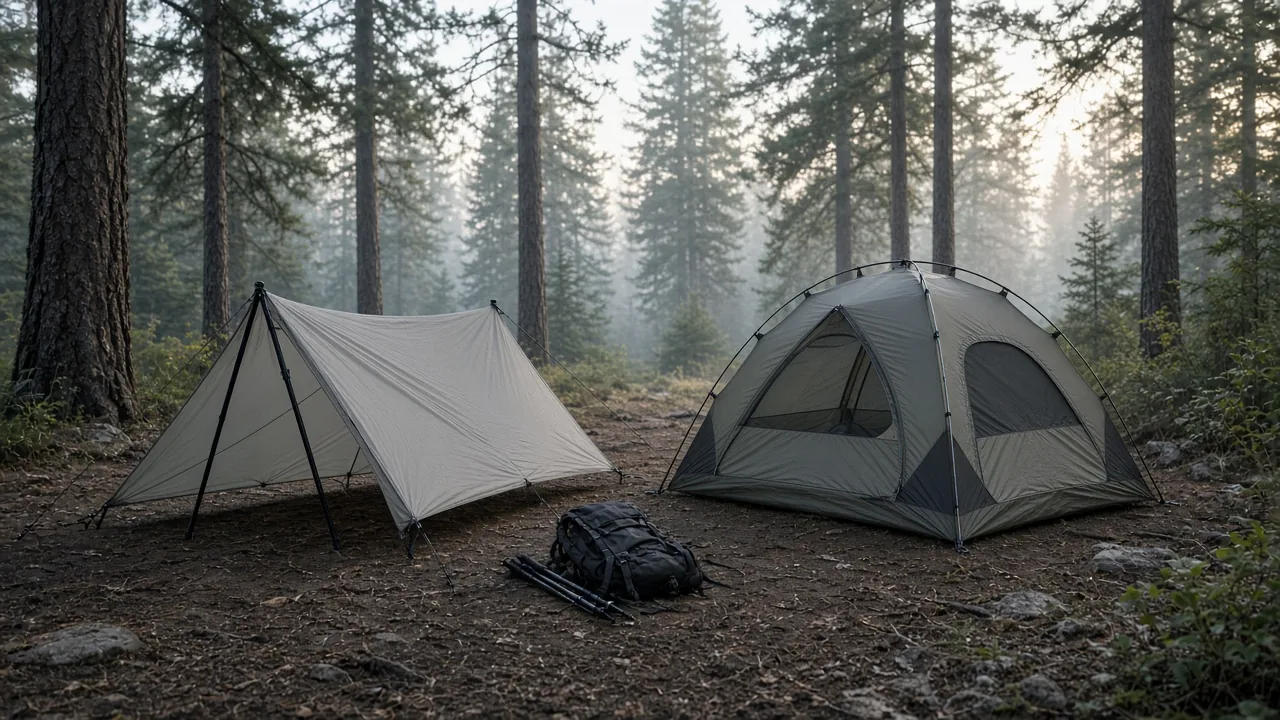
A 3-season tent usually stays drier in mild to warm conditions. It has a larger mesh upper, a bathtub floor, and bigger vents. Air passes through more easily, so heat and water vapor leave instead of collecting on walls.
A 4-season tent is built for snow load, strong wind, and colder air. It uses more solid fabric and fewer mesh panels. That traps heat, which helps in winter, but it also traps moisture. In similar weather and campsite conditions, a 4-season tent often shows more condensation because the same airflow is not available.
| Factor | 3-season tent | 4-season tent |
|---|---|---|
| Upper fabric | Large mesh panels | More solid fabric |
| Ventilation openings | Larger and more frequent | Smaller and fewer |
| Heat retention | Moderate to low | High |
| Condensation in mild/warm weather | Lower | Higher |
| Condensation in cold wind or snow | Can be managed with airflow, but less weather protection | More weather protection, but interior moisture can build |
| Best fit | Most car camping and backpacking trips in spring, summer, fall | Winter camping, snow load, extended wind exposure |
This does not mean a 3-season tent is always dry or a 4-season tent is always wet. Pitch quality, site, humidity, and how much wet gear you bring inside all shift the result.
How Ventilation Outlets Affect Drying
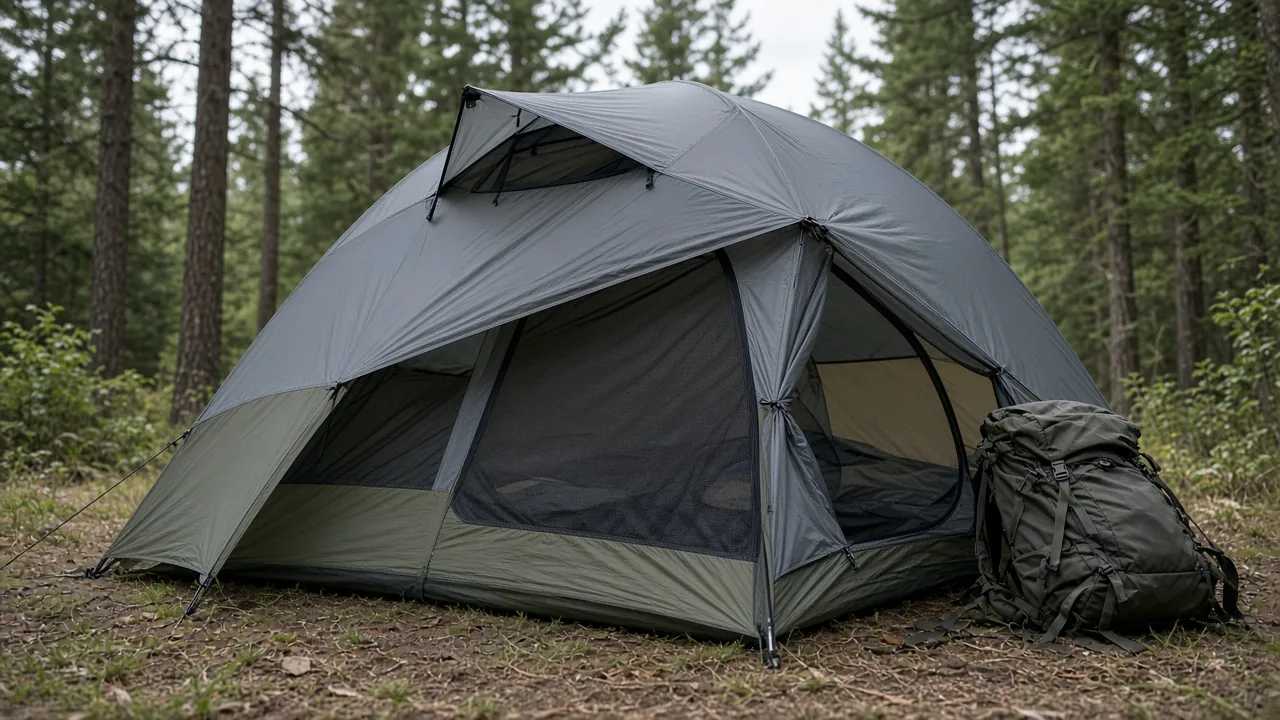
Air moves best when a tent has both high and low openings. Warm, moist air rises and can escape through an upper vent. Cooler, drier air can enter through a lower opening. That path keeps air changing and gives water vapor somewhere to go.
A tent with only small lower vents, few mesh panels, or a tight rainfly that blocks upper airflow dries more slowly. Moist air lingers, the fabric cools, and condensation collects. When you compare tents, look for adjustable high vents, mesh doors, and options to open the vestibule without letting rain in.
When Warmer Air Makes Condensation Worse
The same heat-trapping design that helps a 4-season tent in cold wind also holds vapor inside. In warm or humid weather, that extra warmth can make the interior feel muggy. The walls may feel wetter than they would in a 3-season tent because the tent is not moving enough air.
A 4-season shelter can be the wrong tool on a rainy summer trip. It protects from storm fabric stress, but it may leave you sleeping under a layer of droplets. If the forecast calls for rain and mild temperatures, ventilation matters more than extra weatherproofing.
Does Site Selection Matter More Than Tent Type?
Site selection can override tent design. A low, damp campsite adds moisture even if your tent has large vents. A high, dry site with mild airflow removes vapor even from a less breathable tent.
Look for a spot on a small rise, bench, or open area above a valley floor. Avoid low ground, thick grass, shorelines, and valley bottoms where cold air sinks and ground moisture collects at night. Valleys often look calm and inviting in the afternoon, but cold air settles there after dark and pushes condensation up against your tent.
Tree canopy can help in some conditions. A site under trees may stay a few degrees warmer and reduce the temperature gap between inside air and fabric. That said, do not camp under branches that could drop in wind, and follow local rules about camping on durable surfaces.
Before you commit to a site, think about wind. A light breeze is helpful because it carries moisture away. A completely still hollow tends to collect your breath vapor. A full, exposed gale is not the goal; you need airflow, not wind load.
What Should You Do When Outside Humidity Is Extreme?
In normal or moderate humidity, opening doors, vents, or the vestibule helps. That releases moisture from your breath and lets the tent breathe. This is standard advice, and it works in most three-season conditions.
In heavy rain, fog, or saturated air, the picture changes. Ventilation may mostly pull wet outside air through the tent. If the entire outside environment is already dripping, opening more vents will not dry the interior. Some campers are surprised by this, but it matches what happens in coastal fog or a long rainy spell.
When humidity is extreme, focus on campsite selection and drying routines instead. Move to a less saturated location if possible, keep wet gear outside or in a vestibule, and plan a midday dry break. Do not expect a bigger vent or a different tent structure to solve a problem caused by water already in the air.
How Should You Set Up, Dry, and Store a Tent to Control Condensation?
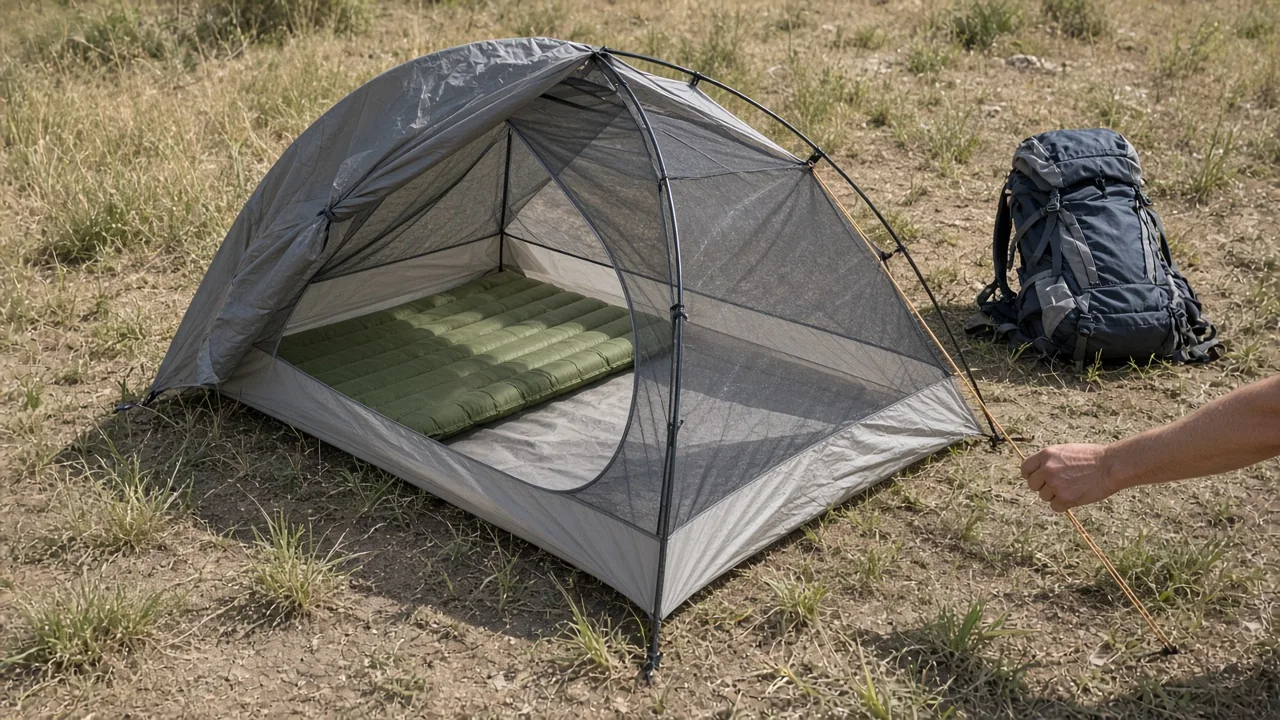
Pitch the tent taut. A tight rainfly holds its shape, leaves a gap between the fly and inner wall, and allows air to move through the intended channels. A loose, sagging pitch lets fabric touch the inner body and creates more cold surfaces for droplets.
Keep vents open whenever conditions allow. If rain is not blowing sideways, crack the upper vent and leave the vestibule door partly open. This is especially important overnight, when your breath adds moisture hour after hour.
In the morning, wipe the walls with a small microfiber cloth or bandana before you pack. Wipe the floor last, and wring the cloth outside. If your schedule allows, lay the tent out at midday or during a lunch stop so leftover moisture can evaporate. Damp fabric packed for a day or two can develop mildew and a smell that is hard to remove.
Never use a stove or heater inside your tent. Carbon monoxide builds quickly in an enclosed space, and open flames or hot surfaces can ignite fabric. There is no safe way to dry the inside by running a fuel appliance while you are inside it.
When you get home, set the tent up in dry air or hang the rainfly and body until they are completely dry. Check the stuff sack for trapped moisture. Store the tent loosely rather than compressing it into the smallest possible sack for weeks.
Which Shelter Should You Choose: Car Camping vs Backpacking?
For most three-season car camping or backpacking trips, a 3-season tent is the drier default. It weighs less, packs smaller, and has better mesh ventilation. That means less condensation, less wiping in the morning, and a more comfortable sleep on a muggy night.
A 4-season tent makes sense for winter camping, snow load, or sustained wind above treeline. It gives you stronger poles, fewer mesh panels, and more protection when the weather turns rough. The trade-off is extra weight, bulk, and usually more interior moisture. If you use one in mild weather, expect to spend more time drying it out.
Car campers can get away with a heavier 4-season tent because they are not carrying it far. Backpackers should be more strict about weight and packed size. A 3-season tent is almost always the better backpacking choice unless the trip involves real winter conditions.
Who a 3-season tent suits: most spring, summer, and fall campers, backpackers counting ounces, people in humid climates, and anyone who hates wiping down tent walls.
Who a 4-season tent suits: winter campers, mountaineers, people camping on snow, coastal or ridgeline campers expecting long storms, and anyone whose trip depends on surviving severe wind more than avoiding condensation.
Who they don't suit: a 4-season tent is usually overkill for a summer weekend, and a 3-season tent is not the right shelter for a snowbound bivy or exposed winter ridge.
What Are the Main Trade-Offs in Humid vs Cold Weather?
In warm, humid, or rainy regions, a 3-season mesh tent often stays drier inside. The large panels let air move, so the walls do not hold as much vapor. The downside is that a big mesh area can feel drafty in cold weather and may let blowing sand or snow in.
In winter or on exposed ridges, a 4-season tent adds real protection. Solid fabric blocks spindrift and wind, and the structure handles snow load better. The cost is that the same solid fabric traps breath and wet-gear moisture. You may wake up with frost or droplets on the inside, and the tent will need extra drying time in the sun or at home.
Think about which problem is more likely on your trip: too much heat and humidity, or too much wind and cold. For a rainy summer weekend in the South or a muggy lakeside camp, choose airflow. For a snow camp or a ridgeline route with overnight wind, choose weather protection and plan for moisture management.
Nighttime lows, rain chance, campsite exposure, and whether you're car camping or backpacking should guide that decision. Check the forecast before you go, and follow fire restrictions and local campsite rules. In bear country, use the food-storage method required for that area. For most three-season trips, a 3-season tent is the drier default, while a 4-season tent fits winter or sustained storm conditions.
This article is general information about camping gear, not professional safety, medical, or wilderness training. Check fire restrictions, weather, and campsite rules before you go, and follow the manufacturer's instructions for your own equipment.
FAQ
Does a 3 season or 4 season tent have more condensation?
In similar weather and site conditions, a 4-season tent usually develops more condensation because it has more solid fabric and fewer mesh panels, which traps moisture. A 3-season tent's larger mesh panels move more air and stay drier in mild to warm conditions.
Can tent ventilation stop condensation in high humidity?
Not always. In heavy rain, fog, or saturated air, opening more vents may pull wet outside air through the tent. Focus on campsite selection, keeping wet gear outside, and planning a midday dry break.
What is the best campsite to reduce tent condensation?
Choose a high, dry site with mild airflow, such as a small rise or open bench above a valley floor. Avoid low ground, thick grass, shorelines, and valley bottoms where cold air and ground moisture collect at night.
Should I use a 4 season tent for summer camping?
A 4-season tent is usually overkill for a summer weekend and may feel muggy or wet because it traps heat and moisture. A 3-season tent is the drier default for most spring, summer, and fall trips.
How should I dry and store a tent to prevent condensation problems?
Wipe the walls and floor with a microfiber cloth in the morning, air out the tent during a midday break, and fully dry it at home before loose storage. Never use a stove or heater inside the tent to dry it.