Best Sleeping Bag Liner Material for Warmth and Pack Weight
A sleeping bag liner protects down bags and adds 5–15°F of perceived warmth. Compare silk, fleece, synthetic, cotton, and insulated materials to pick the best option for your trip.
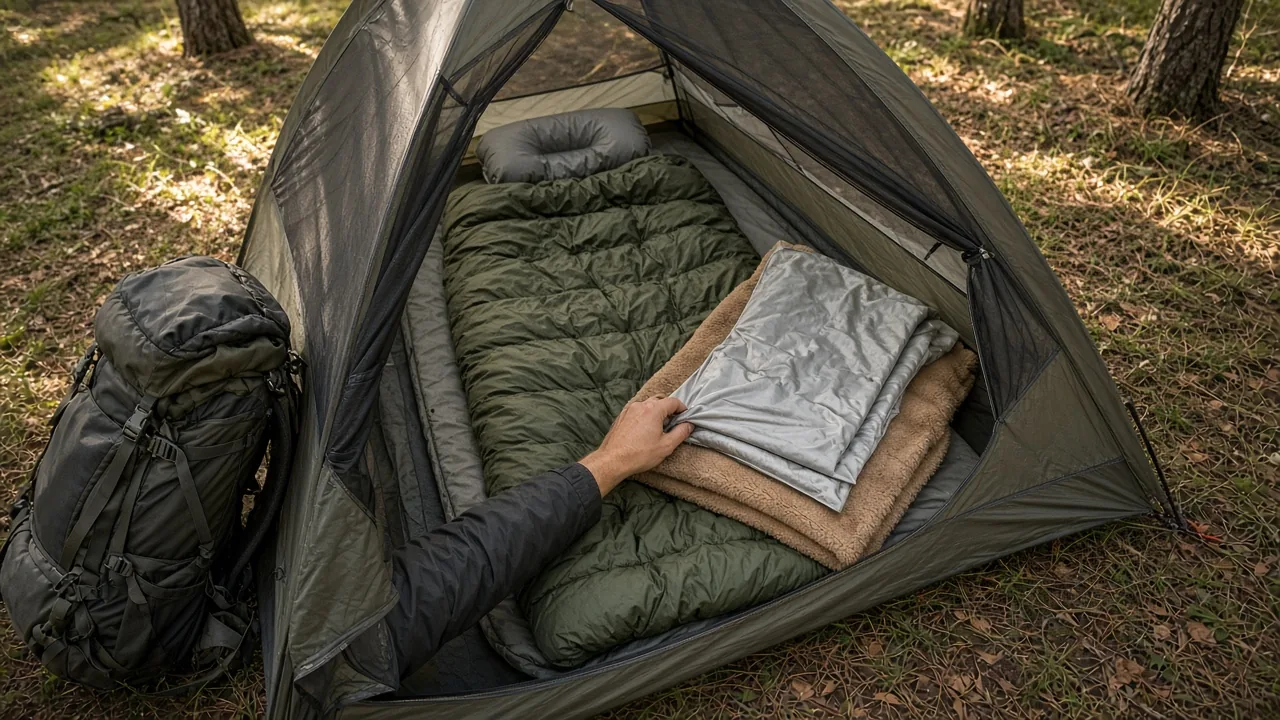
The best sleeping bag liner material is the one that solves your biggest trip problem. A silk liner saves pack weight and handles humid heat well, while an insulated or fleece liner adds more warmth but adds bulk. A liner is worth the weight when it protects an expensive down bag, adds roughly 5–15°F, or serves as a hot-weather standalone layer. Choose by trip type, expected low, and pack size.
Quick answer: when a sleeping bag liner is worth carrying
A liner is worth buying if you want to protect an expensive down bag, add roughly 5–15°F of perceived warmth, or use one layer in hot weather. It is less useful when pack weight trumps laundry convenience or when you already wear clean base layers and camp in mild, dry conditions.
For car campers, the decision usually comes down to comfort and washing convenience. For backpackers, a liner has to earn its place by being light and compact enough to offset the extra ounce or two. If you carry one, it should fit your sleep system, not just sit loose in the stuff sack as an afterthought.
What a sleeping bag liner does in your sleep system
A sleeping bag liner works like a removable sheet between your body and the bag. It catches sweat, oils, skin flakes, and trail grime so the sleeping bag stays cleaner longer. That is its main job.
Warmth is a secondary function rather than a replacement for a bag's temperature rating. A liner can make a cool night feel a little more manageable, but it will not turn a 40°F bag into a 20°F bag. Think of it as a small adjustment layer, not a new insulation system.
Warmth gain is estimated, not a lab rating
Expect a liner to add around 5–15°F of perceived warmth. Treat that range as approximate because humidity, fit, base layers, and even how much you move at night change the result.
A snug liner works better than a loose one because it reduces dead-air pockets and keeps the fabric against your body. A baggy rectangular liner inside a mummy bag can twist, ride up, or leave cold spots. If you are counting on the liner to get through a cold night, test the setup before you rely on it.
Why less washing matters for down bags
Down bags can clump, lose loft, or develop a sour smell if they are washed and dried poorly. Even a careful wash can leave down bunched in corners, and a bag that stays damp too long becomes a bigger problem than the dirt it had.
Using a replaceable liner reduces how often you need to wash the bag itself. Because the liner takes most of the body oil and dirt, you can machine-wash it after a trip and keep the expensive down bag dry and lofted. That is the most practical reason to carry one.
Best sleeping bag liner material options compared
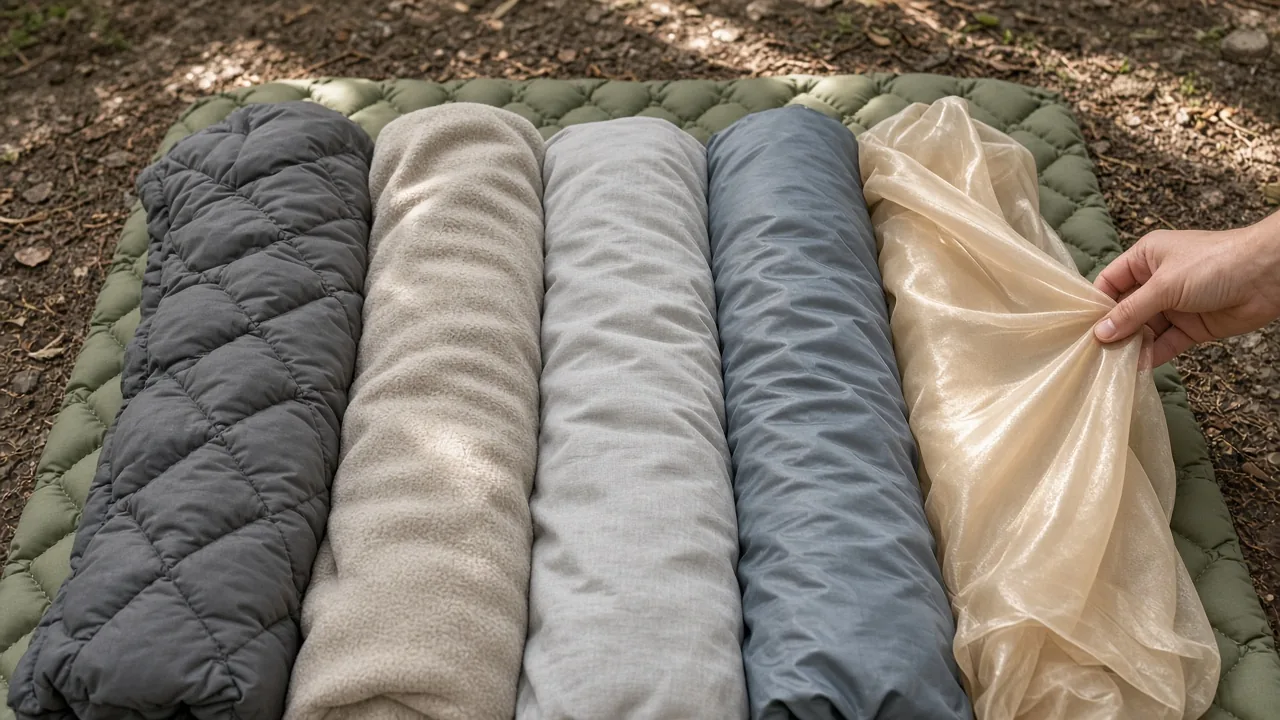
The main liner materials are insulated, fleece, cotton, synthetic, and silk. Each trades warmth, packed size, weight, dry time, and price differently. There is no single universal best, so match the material to the trip instead of chasing one fabric that does everything.
Insulated liners
Insulated liners add the most warmth and suit cold nights or high-elevation trips. They are built like a thin quilted layer or a lightweight blanket with some fill, so they trap more heat than a simple sheet-style liner.
The tradeoff is size and cost. Insulated liners tend to be the most expensive and bulky option, often overkill for mild car camping or summer backpacking. Consider one when you expect temperatures near or below your sleeping bag's comfort rating and you do not want to buy a second bag.
Fleece liners
Fleece gives strong warmth, softness, and good moisture movement. It feels more like a blanket than a sheet, which many campers appreciate on cold shoulder-season nights. Fleece also dries faster than cotton and holds up well to regular washing.
The downside is bulk and weight. A fleece liner takes up much more pack space than silk or synthetic, so it is better for car camping or short shoulder-season trips than for long backpacking miles. In summer it can double as a light blanket, but you have to be willing to carry it.
Cotton liners
Cotton is cheap, tough, and easy to replace. A basic cotton liner can survive frequent washing and rough use, and it feels familiar against the skin. If you mostly camp from a car and want an inexpensive barrier for a sleeping bag, cotton works.
The problem is moisture. Cotton dries slowly and packs large. In damp or cold conditions, a cotton liner can hold sweat and feel clammy, so it is best reserved for fair-weather car camping where wetness is unlikely. Backpackers should generally avoid cotton for the same reasons they avoid cotton clothing on trail.
Synthetic liners
Synthetic liners are breathable, quick-drying, lighter, and compact enough for backpacking. Many are made from polyester or nylon blends that move moisture better than cotton and pack down smaller than fleece.
They offer a practical middle ground for warm or moderately cool conditions. You lose some of the low-cost simplicity of cotton and some of the warmth of fleece, but you gain a liner that can go in a backpack without dominating the stuff sack.
Silk liners
Silk is the lightest and most packable option. It provides mild warmth, but its real strength is versatility. In cold weather it adds a thin extra layer; in hot, humid weather it is breathable and can be used as a standalone sheet or thin blanket.
Silk is the best fit for backpackers, motorcycle campers, and travelers who want one liner that covers many conditions. It costs more than cotton and requires a little more care, but the weight and packed-size savings are significant. If you want a liner that almost disappears into your pack until you need it, silk is hard to beat.
Other materials users mention
Merino wool is another natural-fiber option that some campers prefer. It resists odor well and can feel comfortable in cool and warm conditions, though it tends to cost more and may not pack as small as silk.
Military polycotton liners are mentioned as a low-cost durable choice. They are heavier than backpacking fabrics, but they can be stuffed inside a basic sleeping bag for extra warmth and stand up to hard use.
A stitched flat sheet is another low-cost route. Some car campers make a simple liner by folding an old bed sheet and sewing the bottom and part of one side. It is not the lightest or warmest option, but it is cheap, washable, and easy to replace.
Material comparison table for quick decisions
Use this table as a starting point. Exact weights, packed sizes, and warmth claims should come from the individual product specs, because liners with the same label can vary a lot.
| Material | Typical warmth boost | Packed size | Weight | Moisture handling | Best general use |
|---|---|---|---|---|---|
| Insulated | High | Bulky | Heavy | Varies by fill | Cold weather, high elevation |
| Fleece | Moderate to high | Bulky | Heavy | Good, dries fairly fast | Car camping, shoulder season |
| Cotton | Low to moderate | Large | Medium to heavy | Slow drying | Fair-weather car camping |
| Synthetic | Low to moderate | Compact | Light | Quick-drying, breathable | Backpacking, mixed conditions |
| Silk | Low | Very compact | Lightest | Wicks moisture, breathable | Backpacking, hot humid trips |
How to choose by trip type and conditions
Start with the lowest expected overnight temperature, the likely humidity, and whether you are car camping or backpacking. Then pick the material that solves the biggest limitation for that trip.
If your main concern is keeping a down bag clean in dry, mild weather, almost any liner will work. If you need warmth in cold or high-elevation conditions, choose insulated or fleece. If pack weight and volume matter most, silk or synthetic usually makes more sense.
Car camping vs backpacking priorities
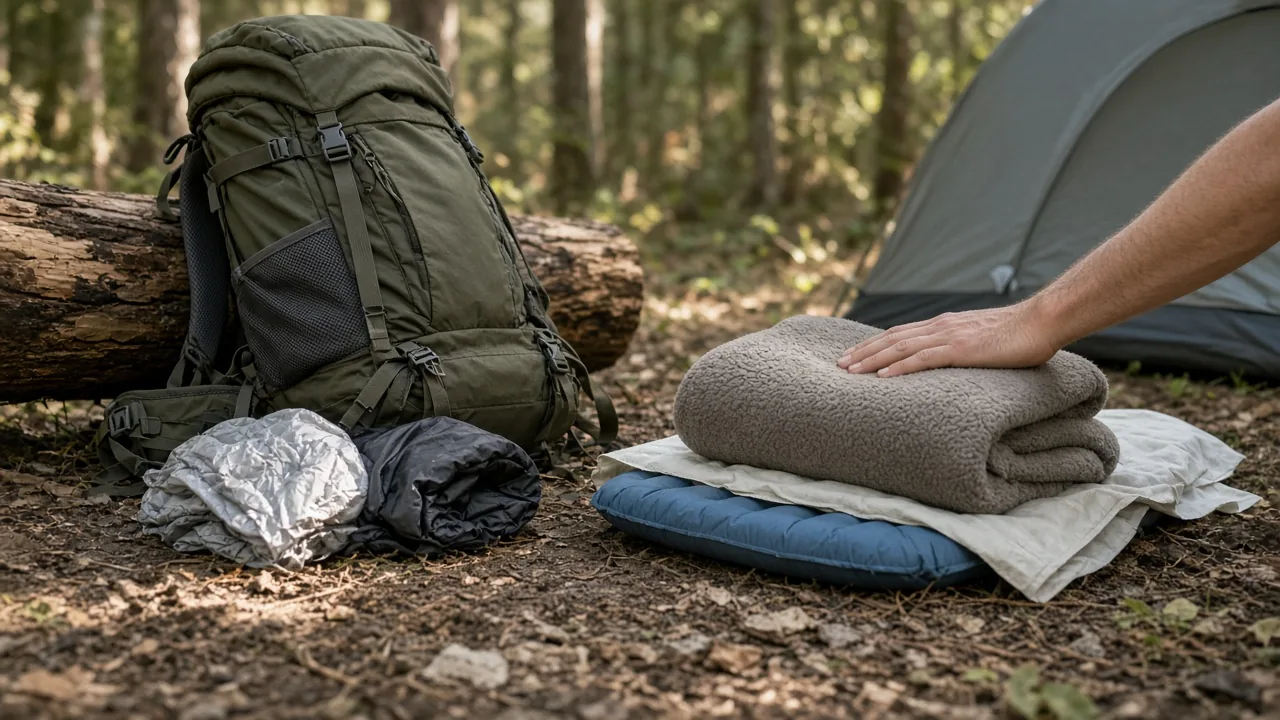
Car campers can favor fleece or cotton for comfort, low cost, and easy washing. Weight and packed size are less important when the gear rides in a vehicle, so a bulky fleece liner is not a penalty.
Backpackers should favor silk or synthetic to keep pack weight and volume low. Every ounce matters more on trail, and a liner that dries overnight gives you a better chance of staying comfortable during a multi-day trip.
Warm and humid nights
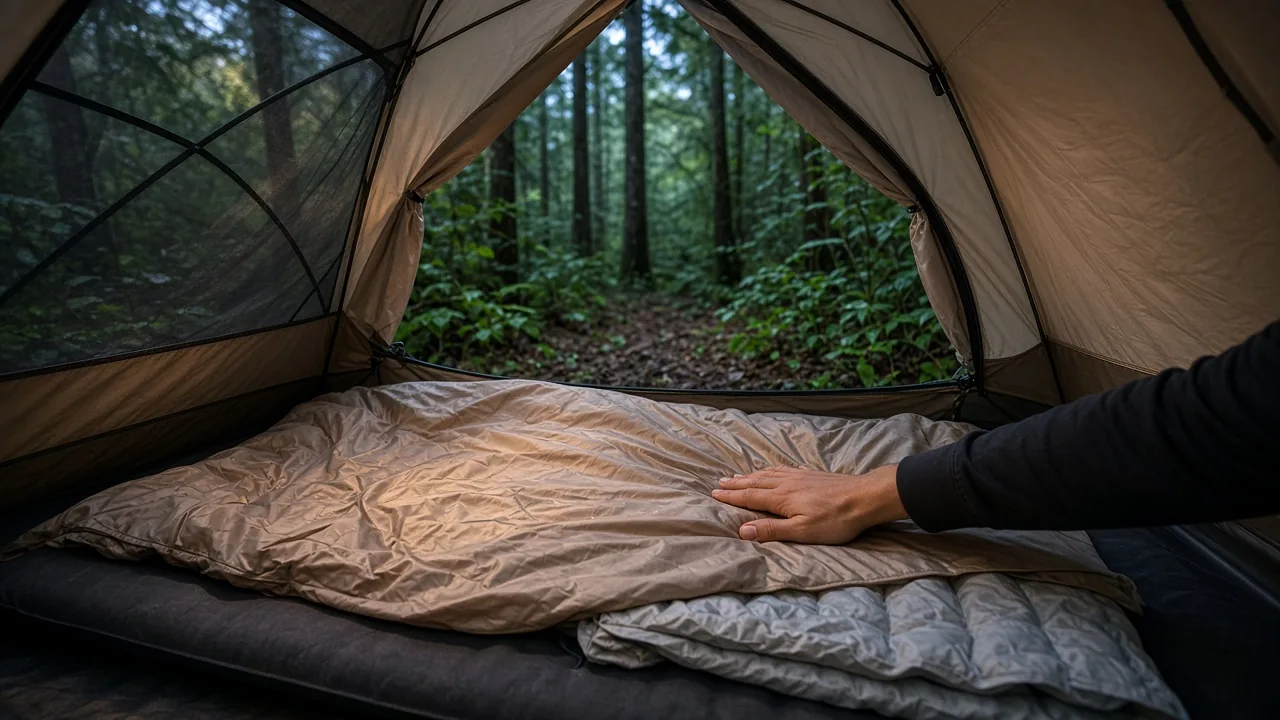
In hot humid weather, use a silk or synthetic liner alone as a sheet or thin blanket instead of climbing into a full sleeping bag. That keeps you covered without trapping too much heat.
Some backpackers carry only a liner on summer trips and leave the sleeping bag at home. This works best when the forecast is stable and the overnight low stays above the comfort range of your liner. If rain or a cold front is possible, a light quilt or sleeping bag is safer.
Cold weather and high altitude
For cold nights, add an insulated or fleece liner. But confirm that your sleeping bag's comfort rating still matches the expected low, because a liner only adds a limited margin.
A liner can push a sleeping system a few degrees in your favor, but it will not rescue a bag that is rated 15°F or 20°F above the forecast low. Check the bag's comfort rating, not just its limit rating, and assume the liner adds no more than 5–15°F.
Fit and shape: mummy vs rectangular
Choose a mummy liner to pair with a mummy bag and save weight. The tapered shape matches the bag, so the liner is less likely to twist or bunch around your feet.
Choose a rectangular liner for more room in car-camping setups or when you plan to use it as a summer sheet. A poor fit can twist and reduce both comfort and warmth, especially if you move around at night. Before buying, decide which sleep system the liner will live inside.
How to care for liners and store sleeping bags
Wash liners regularly, spot-clean bags when possible, and store sleeping bags loose so insulation is not compressed. A liner is the washable barrier; the sleeping bag should stay dry and lofted whenever possible.
Never use a stove or heater inside your tent. That includes camp stoves, grills, charcoal, and any fuel-burning appliance. Carbon monoxide and fire risk are not worth the extra warmth, even in cold weather.
Liner care and replacement
Treat a liner as a cheap replaceable barrier. Machine-wash it after trips, and let it dry fully before packing. Cotton and fleece can handle regular washing, while silk may need a gentler cycle or hand washing depending on the product care tag.
Store sleeping bags loosely in a breathable storage sack or hung up, not compressed in a stuff sack for months. The insulation stays lofted longer when it is not crushed, and a clean liner helps reduce the need to wash the bag.
If your down bag gets wet or clumps
Dry a washed down bag in a ventilated shaded area. Avoid direct sun and high heat, which can damage shell fabric or dry down unevenly. Repeatedly break up clumps by hand or with a soft tool while the bag dries.
A down bag that stays damp for too long can sour or lose loft. If clumps remain after drying, keep gently pulling them apart and moving the fill around. The goal is to restore even loft, not rush the process with high heat.
Who should skip a liner or use a different setup
Skip a dedicated liner if you already wear clean base layers, camp mostly in dry mild weather, or need real warmth more than you need a washable barrier. A liner is not a substitute for an appropriately rated bag.
A higher-limit sleeping bag or a light quilt may serve better if your current bag is too cold for the trips you want to take. In that case, spending the liner budget toward a better bag or quilt usually gives more warmth per ounce than a fleece or insulated liner.
Before choosing, check whether the trip is car camping or backpacking, how cold nights are expected to drop, and whether rain is likely. If a liner alone will not add enough warmth, compare it with a higher-rated sleeping bag rather than trying to stretch the rating too far.
— Camp Kit Journal Editorial Team
This article is general information about camping gear, not professional safety, medical, or wilderness training. Check fire restrictions, weather, and campsite rules before you go, and follow the manufacturer's instructions for your own equipment.
FAQ
What is the best sleeping bag liner material for backpacking?
Silk and synthetic liners are usually the best backpacking choices because they are lightweight, compact, and quick-drying, while fleece or insulated liners add more warmth but take up more pack space.
How much warmth does a sleeping bag liner add?
A liner typically adds about 5–15°F of perceived warmth, but this is an estimate that depends on fit, humidity, base layers, and how much you move at night.
Is a cotton sleeping bag liner good for camping?
Cotton liners are cheap and durable for fair-weather car camping, but they dry slowly and can feel clammy in damp or cold conditions, so backpackers should generally avoid them.
Can I use a sleeping bag liner by itself in hot weather?
Yes, a silk or synthetic liner can be used alone as a sheet or thin blanket in warm humid conditions, but be sure the forecast is stable and the overnight low stays within the liner's comfort range.
Does a sleeping bag liner replace a warmer sleeping bag?
No, a liner only adds a limited margin of warmth and will not rescue a sleeping bag rated far above the forecast low. For significantly colder trips choose an appropriately rated bag or quilt instead.